Your Cart is Empty


TL;DR:
- Sustainable interior design in 2025 emphasizes credible certification, low-VOC materials, local sourcing, and durability.
- Biophilic design improves energy efficiency and occupant wellbeing through natural elements like plants and sunlight.
- Recycled, reclaimed, and natural materials like bamboo, cork, and aged wood lead eco-friendly choices with lower embodied carbon.
Designing a space that feels both visually stunning and genuinely eco-conscious is no longer a niche pursuit. In 2025, sustainable interior design has moved firmly into the mainstream, and with that shift comes a flood of options that can leave even experienced designers second-guessing their choices. What materials actually hold up? Which trends are built on real environmental impact versus clever marketing? This guide cuts through the noise, giving you a clear, actionable framework for evaluating the most important sustainable design trends of the year, so you can make choices you feel good about for the long haul.
| Point | Details |
|---|---|
| Biophilic design prevails | Incorporating plants and natural light saves energy and boosts wellness. |
| Material choices matter | Certified bamboo, recycled wood, and cork dominate sustainable interiors for durability and style. |
| Circularity and color lead | Upcycled furnishings and earthy palettes are essential for on-trend, healthy spaces. |
| Beware greenwashing | Look for certifications and real performance data to ensure real sustainability. |
With the need for clarity in a shifting market, let’s break down the must-meet standards for any design trend in 2025. Not every trend that carries a “sustainable” label deserves the title. Knowing how to separate the real thing from the greenwashed version is the most valuable skill you can develop right now.
The sustainable home decor space is growing fast, and the numbers back it up. The market grows 12% CAGR to an estimated $25 billion by 2028, with 73% of clients demanding certified sustainable options and 72% of designers now prioritizing sustainable materials in their projects. That kind of momentum means you have more choices than ever, but also more chances to get misled.
Here is what any credible 2025 trend should meet:
Pro Tip: Before committing to any material or product, ask the supplier for a lifecycle assessment or environmental product declaration. Reputable brands will have these ready.
The 2025 interior design analysis from Dezeen also highlights an interesting tension: the rise of smart-tech integration versus a return to vintage authenticity. Both can be sustainable, but they require very different evaluation frameworks. Tech-forward choices need energy efficiency data; vintage pieces need provenance verification.
Applying these criteria, biophilic design stands out as a trend with immediate, measurable benefits. The core idea is straightforward: humans are wired to respond positively to natural elements, and spaces that incorporate them perform better on nearly every metric.
The lasting impact of eco-friendly decor is perhaps most visible in biophilic applications. Biophilic elements cool interiors by up to 5°C and cut air conditioning use by 15%, which translates directly into lower energy bills and a smaller carbon footprint.
“Spaces that breathe with nature don’t just look better. They perform better, feel better, and cost less to run over time.”
The practical applications are broader than most people realize. Consider these strategies for homes and commercial settings alike:
For commercial settings like restaurants, coffee shops, and senior living centers, ideas for sustainable interiors rooted in biophilic principles also improve customer dwell time and reported satisfaction. Exploring biophilic concepts for 2025 shows just how far this approach has evolved beyond simple houseplants.
Just as green spaces reshape layouts, materials themselves are at the forefront of sustainable innovation. In 2025, the conversation has moved well past “is this eco-friendly?” and into far more specific territory around certifications, lifecycle performance, and traceability.
76% of sustainable designs now incorporate recycled materials, with bamboo, reclaimed wood, and cork leading the pack. Here is a quick comparison of these three powerhouse materials:
| Material | Maturity rate | Embodied carbon | Key certification |
|---|---|---|---|
| Bamboo | 3 to 4 years | Very low | FSC, OEKO-TEX |
| Reclaimed wood | Already harvested | Near zero (reuse) | SCS Recycled Content |
| Cork | Bark harvested every 9 years | Low | FSC |
Bamboo is particularly worth your attention. It matures in a fraction of the time compared to traditional hardwoods, making it one of the most renewable building and decor materials available. The bamboo trends in 2025 reflect a surge in its use across flooring, furniture, kitchen accessories, and organizational products.
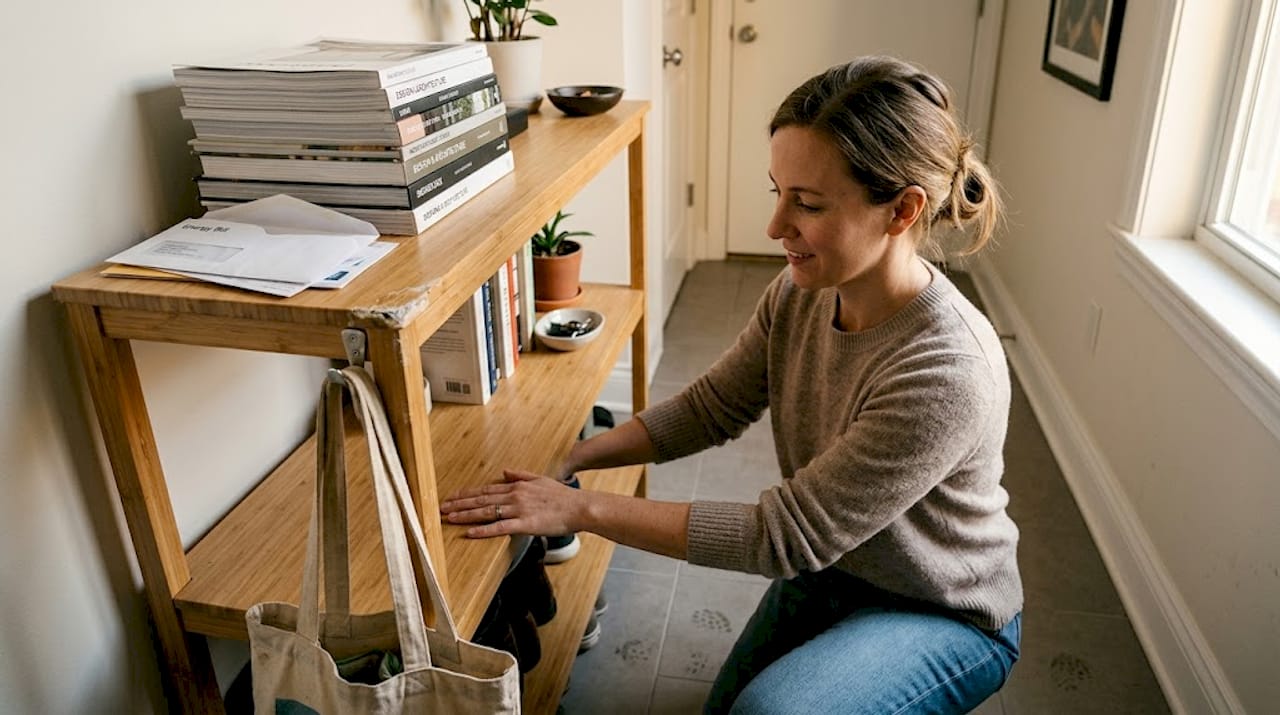
Reclaimed wood brings its own appeal: zero new resource extraction, a built-in story, and a visual richness that new timber simply cannot match. Cork, often overlooked, is harvested without cutting the tree, making it one of the most genuinely low-impact options on the market.
Pro Tip: When sourcing bamboo, always look for certified sustainable bamboo with FSC or OEKO-TEX documentation. This protects you from greenwashing and ensures the material meets industry standard materials benchmarks.
For those exploring natural materials for style and sustainability, the good news is that these materials are increasingly available at accessible price points, not just in luxury showrooms.
With material standards rising, forward-thinking designers are also reimagining product lifecycles and toxicity. True sustainability does not stop at what something is made of. It extends to how long it lasts, what happens when it wears out, and whether it makes your indoor environment healthier or more harmful.
36% of project items in leading 2025 sustainable design projects are vintage or antique, while 82% of eco-conscious projects now specify low-VOC paints. Those numbers tell a clear story: the industry is moving toward reuse and health-first material choices.
Here is a comparison of conventional versus circular design approaches:
| Approach | Conventional | Circular |
|---|---|---|
| Furniture lifespan | 5 to 10 years, then landfill | Designed for repair, resale, or reuse |
| Finishes | Standard VOC paints | Low-VOC or zero-VOC alternatives |
| Sourcing | New materials, long supply chains | Reclaimed, local, or upcycled |
| End of life | Disposal | Disassembly and material recovery |
To incorporate circular and low-toxicity principles into your next project, follow these steps:
These structural choices shape the lived experience, and color and texture provide that final sense of cohesion and delight. Sustainable design in 2025 does not ask you to choose between beauty and responsibility. The most compelling spaces this year prove you can have both.
Earthy palettes featuring sage green, terracotta, and mocha dominate the year’s most celebrated interiors, creating immersive, sensory-rich environments that feel grounded and calming. Pantone’s 2025 Color of the Year, Mocha Mousse, fits perfectly into this story: warm, organic, and endlessly versatile.
The eco impact of home decor choices extends to color and texture in ways that are easy to overlook. Natural pigments and mineral-based paints carry a far lower environmental load than synthetic alternatives. Lime plaster walls, for instance, are not just visually striking; they are breathable, antimicrobial, and made from abundant natural materials.
Key texture and color strategies for 2025:
Exploring sensory design trends for 2025 makes clear that the emotional resonance of a space is now considered as important as its material credentials.
But achieving these stunning results is not just about following trends. It is about understanding what truly drives lasting change.
Here is what we see too often: designers and homeowners invest in certified materials and trending palettes, then wonder why the result still feels hollow or inauthentic. The missing piece is almost always process transparency and local connection. The biggest sustainability gains in 2025 are not coming from exotic certified imports. They are coming from designers who know their suppliers by name, source within a 200-mile radius when possible, and choose repairability over novelty.
Gen Z’s growing purchasing power is accelerating this shift. This generation has a sharp radar for authenticity, and they are willing to pay a premium for it. That is not a passing phase; it is a permanent recalibration of what “quality” means in the market.
The trade-offs that most articles skip over are real: certified sustainable materials often cost 20 to 40% more upfront, traceability requires effort, and some upcycled pieces demand more maintenance. Knowing this going in, and selecting green essentials with eyes open, is what separates genuine sustainability from a well-intentioned but ultimately superficial refresh.
For those ready to translate these trends into reality, reliable guidance can make all the difference.
At Cozee Bay, we have spent years curating handcrafted bamboo products that meet the exact standards this guide describes: certified materials, durable construction, and designs that fit seamlessly into both residential and commercial spaces. Whether you are outfitting a coffee shop, a senior living center, or your own kitchen, our catalog offers practical starting points for a genuinely sustainable interior. If you are still figuring out where to begin, our guide on selecting eco-friendly products walks you through the decision process step by step. Real sustainability starts with one well-chosen piece.
Bamboo, reclaimed wood, and cork are top choices due to their renewability, low carbon footprint, and widespread certification. Bamboo matures in 3 to 4 years compared to 60-plus years for traditional hardwoods, making it one of the most efficient options available.
Biophilic elements can cool interiors by 5°C, reducing air conditioning use by 15% while also supporting occupant wellbeing and productivity.
Yes, especially when paired with low-toxicity finishes. With 36% of project items being vintage or antique in leading projects, the industry has validated that reuse dramatically reduces material waste and embodied carbon.
Earthy palettes featuring sage, terracotta, and mocha lead the way, creating warm, immersive spaces that feel connected to the natural world without sacrificing sophistication.
Comments will be approved before showing up.