Your Cart is Empty


Over half of American homeowners now consider sustainability when decorating their living spaces. Concerns about environmental impact and long-term health are reshaping how people choose furniture, materials, and accents. With thoughtful decisions, anyone can create a beautiful home that supports ecological responsibility without sacrificing style. Discover how sustainable home decor principles empower American families to blend comfort, eco-friendly values, and personal taste.
| Point | Details |
|---|---|
| Focus on Eco-Friendly Materials | Utilize renewable resources like bamboo, reclaimed wood, and recycled metals to minimize environmental impact and enhance aesthetic quality. |
| Support Ethical Production | Choose products from manufacturers who prioritize transparent supply chains and ethical practices to ensure long-term sustainability. |
| Understand Lifecycle Considerations | Select items designed for durability and longevity to reduce waste and promote responsible consumption. |
| Be Cautious of Greenwashing | Carefully evaluate product certifications and claims to distinguish genuine sustainable options from misleading marketing. |
Sustainable home decor transforms interior design by integrating ecological responsibility with aesthetic appeal, moving beyond traditional decorating approaches to create spaces that respect both human comfort and environmental health. Sustainable design principles prioritize materials, manufacturing processes, and long-term environmental impact.
At its core, sustainable home decor focuses on three fundamental elements: material selection, production methods, and lifecycle considerations. Eco-friendly materials form the foundation, including renewable resources like bamboo, reclaimed wood, recycled metals, and organic textiles. These materials minimize environmental strain while providing durability and natural beauty. According to insights from Lance Hosey’s seminal work “The Shape of Green”, true sustainable design harmonizes aesthetic elegance with ecological integrity.
The principles of sustainable home decor extend beyond material choice to encompass broader environmental strategies. This includes selecting products with minimal carbon footprints, supporting manufacturers committed to ethical production, and choosing items designed for longevity. Key strategies involve:
Ultimately, sustainable home decor represents a holistic approach to interior design that recognizes our living spaces as interconnected ecosystems. By making mindful choices, homeowners can create beautiful, functional environments that contribute positively to environmental preservation while reflecting personal style and values.
Sustainable home decor has evolved to encompass a diverse range of innovative materials that minimize environmental impact while delivering exceptional aesthetic and functional qualities. Sustainable home products represent a growing movement toward responsible consumption and design that considers both ecological preservation and user experience.
Several key materials have emerged as frontrunners in sustainable home design. Recycled metals offer remarkable versatility, transforming industrial waste into elegant furniture and decorative elements. Bamboo, in particular, stands out as a renewable resource that grows rapidly and provides exceptional strength and durability. Other notable sustainable materials include:
Beyond material selection, sustainable products prioritize comprehensive environmental considerations. This means examining manufacturing processes, transportation emissions, product longevity, and eventual disposal or recycling potential. Innovative homeware materials continue to push boundaries, introducing solutions that reduce waste, conserve resources, and create beautiful living spaces that align with ecological principles.
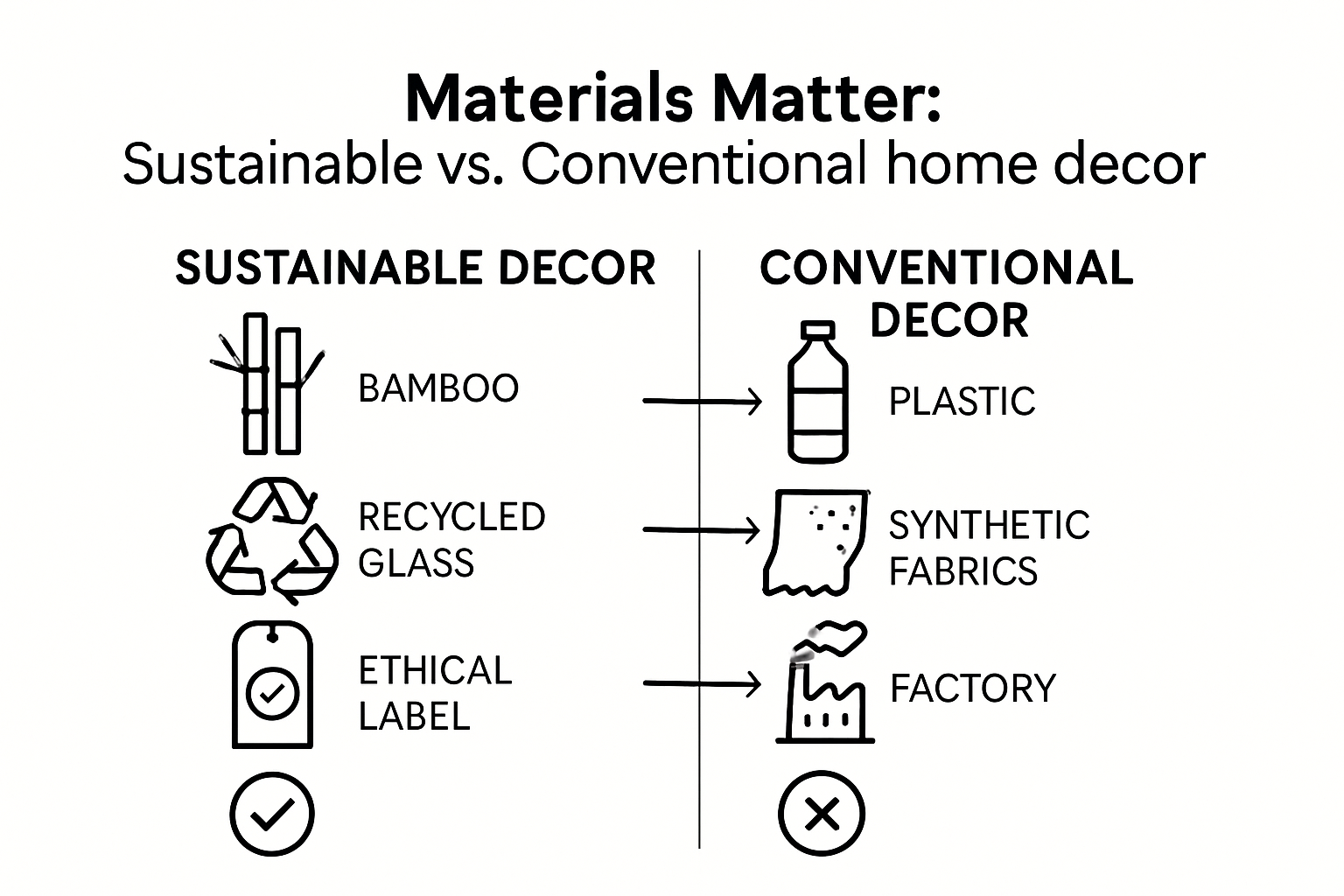
Consumers increasingly recognize that sustainable materials are not just an environmental choice but a statement of personal values. By selecting products crafted from responsibly sourced materials, homeowners contribute to a broader movement of environmental stewardship, proving that style and sustainability can coexist harmoniously in modern interior design.
Sustainable decor transcends aesthetic choices, representing a profound commitment to environmental responsibility and personal wellness. Eco-friendly home tips demonstrate how thoughtful design can significantly reduce ecological footprints while creating healthier living spaces.
Indoor environmental quality plays a crucial role in sustainable living. Materials like VOC-free paints and reclaimed wood contribute to improved air quality and reduced environmental impact. By selecting decor that minimizes toxic emissions and supports natural resource conservation, homeowners can create spaces that nurture both personal and planetary health.
The environmental benefits of sustainable decor extend far beyond individual households. Key strategies include:
Consumers increasingly recognize that sustainable decor represents more than an aesthetic choice—it’s a powerful statement of environmental stewardship. Sustainable materials like recycled metals and reclaimed wood transform living spaces into statements of ecological consciousness, proving that style and environmental responsibility can coexist harmoniously. By making intentional design choices, individuals can contribute to a larger movement of environmental preservation, one thoughtfully curated room at a time.
Bamboo represents a revolutionary material in sustainable design, offering unprecedented potential for eco-friendly home and commercial spaces. Understanding bamboo’s sustainability reveals its remarkable ecological advantages that extend far beyond traditional building materials.
Rapid regeneration makes bamboo an exceptional sustainable resource. Bamboo’s unique growth characteristics allow it to grow exponentially faster than traditional timber, with some species expanding up to three feet per day. This extraordinary growth rate enables quick replenishment, making bamboo an environmentally responsible alternative for numerous design applications, including:
Commercial and residential designers increasingly recognize bamboo’s versatility and ecological benefits. Bamboo product applications demonstrate its potential across multiple sectors, from restaurants and offices to residential spaces. Its natural durability, aesthetic appeal, and minimal environmental footprint make it an ideal material for forward-thinking design professionals seeking sustainable solutions that do not compromise on quality or visual elegance.
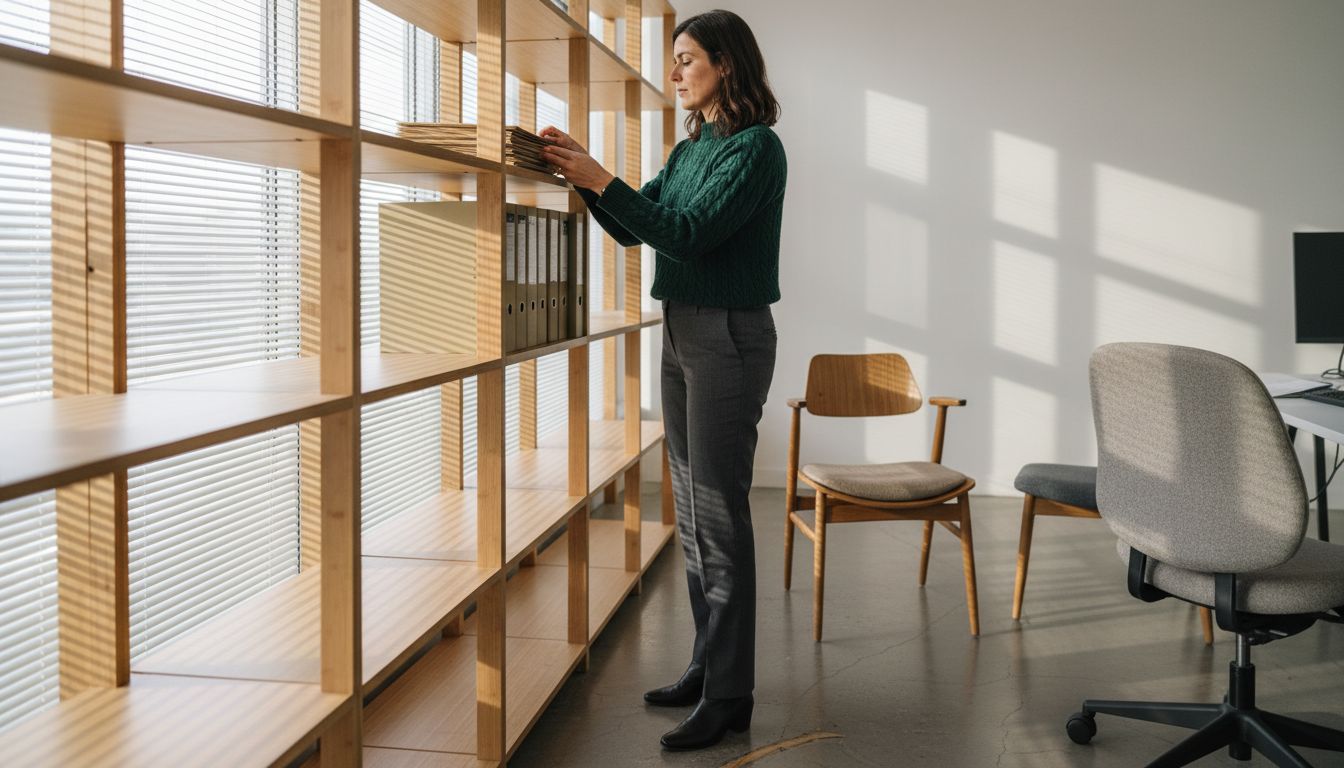
Beyond its environmental credentials, bamboo offers remarkable design flexibility. Its natural strength, lightweight composition, and diverse texture options enable architects and interior designers to create innovative spaces that reflect both ecological consciousness and sophisticated aesthetic sensibilities. By embracing bamboo, designers and homeowners can actively participate in a more sustainable future, transforming spaces into powerful statements of environmental responsibility.
Navigating the world of sustainable home decor requires more than good intentions. Sustainable living tips can help consumers avoid common mistakes and make informed purchasing decisions that truly support environmental goals.
Greenwashing remains a significant challenge for eco-conscious shoppers. Carefully examining product certifications is crucial in distinguishing genuinely sustainable products from marketing claims. Key red flags include:
Purchasing sustainable home decor demands strategic research and careful evaluation. Wood product certifications like FSC provide reliable indicators of responsible sourcing, while reclaimed and upcycled furniture offer excellent alternatives to traditional manufacturing. Smart shoppers investigate product origins, manufacturing processes, and long-term environmental implications before making purchasing decisions.
Ultimately, sustainable shopping is about making thoughtful choices that balance aesthetic preferences with ecological responsibility. By developing a critical eye, asking tough questions, and prioritizing transparency, consumers can transform their living spaces into models of environmental stewardship—one carefully selected piece at a time.
Are you ready to make your home or commercial space truly sustainable without sacrificing style or functionality The key challenge in sustainable home decor is finding eco-friendly products that combine durability, elegance, and environmental responsibility. At Cozee Bay, we understand that choosing the right materials and designs can feel overwhelming when you want to create an environmentally conscious environment that reflects your values.
Explore our premium collection of handcrafted bamboo products like the Bamboo Paper Towel Dispenser- A Sleek Look Home or Office designed precisely for eco-friendly living and commercial use. Our bamboo items deliver the perfect blend of natural beauty and lasting quality while supporting sustainable home decor principles such as renewable material use and avoiding greenwashing pitfalls.

Transform your spaces into a model of environmental stewardship with organizational tools like our Drawer Organizers | Cozee Bay® and streamline waste management with Trash Bag Dispensers | Cozee Bay®. Discover thoughtful, stylish solutions that empower you to live sustainably every day. Take your first step towards greener living and shop now at Cozee Bay for quality bamboo products that matter.
Sustainable home decor is guided by principles that prioritize eco-friendly materials, ethical production methods, and lifecycle considerations. This includes selecting renewable resources like bamboo, reclaimed wood, and organic textiles, while also considering the long-term environmental impact of products.
To identify sustainable products, look for specific product certifications, transparent supply chain information, and documented environmental claims. Avoid vague marketing language and seek items with credible third-party sustainability certifications that validate their eco-friendly attributes.
Bamboo is considered sustainable due to its rapid growth rate, which allows it to regenerate quickly compared to traditional timber. Its natural durability and versatility make it ideal for various design applications, including flooring, furniture, and decorative elements.
Common mistakes include falling for greenwashing tactics, neglecting to investigate product origins, and overlooking the importance of third-party certifications. It’s essential to critically evaluate environmental claims and ensure that products are made from responsibly sourced materials.
Comments will be approved before showing up.