Your Cart is Empty


Every American home tells a story not just of style, but of choices that impact the world. With more than 80 percent of American consumers now considering environmental factors in their buying decisions, sustainable home decor is more relevant than ever. As awareness grows, families are seeking practical ways to reduce waste, support local businesses, and create safe, functional spaces. Here, you will discover how sustainable principles can guide you toward a home that reflects both personal values and real environmental impact.
| Point | Details |
|---|---|
| Sustainable Home Decor Principles | Emphasizes eco-friendly materials, energy efficiency, and long-term environmental consciousness in design choices. |
| Material Selection | Prioritize renewable resources, recycled materials, and ensure product longevity for minimal environmental impact. |
| Avoiding Greenwashing | Scrutinize marketing claims by verifying material origins and production processes to ensure genuine sustainability. |
| Intentional Consumption | Make informed purchasing decisions that align personal style with global ecological stewardship for lasting positive change. |
Sustainable home decor represents a holistic approach to interior design that goes far beyond aesthetic considerations. At its core, sustainable design focuses on creating living spaces that minimize environmental impact while maximizing functionality and beauty. Sustainable design principles prioritize responsible material selection, energy efficiency, and long-term environmental consciousness.
The foundational principles of sustainable home decor encompass several critical strategies. According to research from EarthCheck, these strategies include responsible purchasing, local material sourcing, comprehensive lifecycle analysis, material reclamation and recycling, energy-efficient design techniques, and maintaining aesthetic appeal. Key aspects involve selecting materials with minimal environmental footprint, supporting local artisans and manufacturers, and designing spaces that reduce overall energy consumption and waste production.
Practical implementation of sustainable home decor involves making intentional choices across multiple dimensions. This means selecting furniture crafted from renewable resources like bamboo, choosing products manufactured through ethical labor practices, and prioritizing items designed for durability and long-term use. The Sustainable Furnishings Council emphasizes that true sustainability encompasses not just material selection, but also considers the broader environmental, health, and social impacts of home design choices.
Ultimately, sustainable home decor represents a commitment to creating living spaces that are simultaneously beautiful, functional, and environmentally responsible. By embracing principles of mindful consumption, energy efficiency, and thoughtful design, homeowners can transform their spaces into showcases of ecological consciousness without sacrificing style or comfort.
Sustainable home design begins with thoughtful material selection that balances environmental responsibility with aesthetic appeal. Sustainable building materials represent a critical approach to reducing ecological impact while creating beautiful, functional living spaces. From renewable resources to recycled components, eco-friendly materials offer homeowners innovative ways to transform their interiors with minimal environmental consequence.
Nexus Design highlights several standout sustainable materials that are revolutionizing interior design. Bamboo, a rapidly renewable resource, emerges as a particularly versatile option, offering durability and aesthetic flexibility across furniture, flooring, and decorative elements. Other exceptional materials include cork, which provides natural insulation and unique textural qualities, reclaimed wood that tells a story of environmental preservation, and recycled metal components that reduce industrial waste. Innovative design choices extend beyond material selection to encompass entire design philosophies that prioritize resource conservation and ecological mindfulness.

Beyond traditional materials, cutting-edge sustainable design explores remarkable alternatives like recycled glass, organic cotton textiles, and even mycelium-based composites. These materials not only minimize environmental impact but also introduce unique aesthetic possibilities. Homeowners can now select products made from recycled plastic, organic textiles, and advanced bio-based materials that challenge traditional design paradigms while supporting global sustainability efforts. The key is creating spaces that are simultaneously beautiful, functional, and environmentally responsible.
Ultimately, eco-friendly materials and design represent more than a trend—they are a fundamental reimagining of how we interact with our living spaces. By choosing sustainable materials, implementing energy-efficient design strategies, and prioritizing long-term environmental consciousness, homeowners can create interiors that reflect both personal style and global environmental stewardship.
Sustainable design offers transformative benefits that extend far beyond environmental considerations, providing tangible advantages for both residential and commercial spaces. Eco-friendly home improvements represent a strategic investment in health, efficiency, and long-term economic value. By prioritizing sustainable design principles, homeowners and businesses can create spaces that actively contribute to personal well-being and broader environmental conservation efforts.
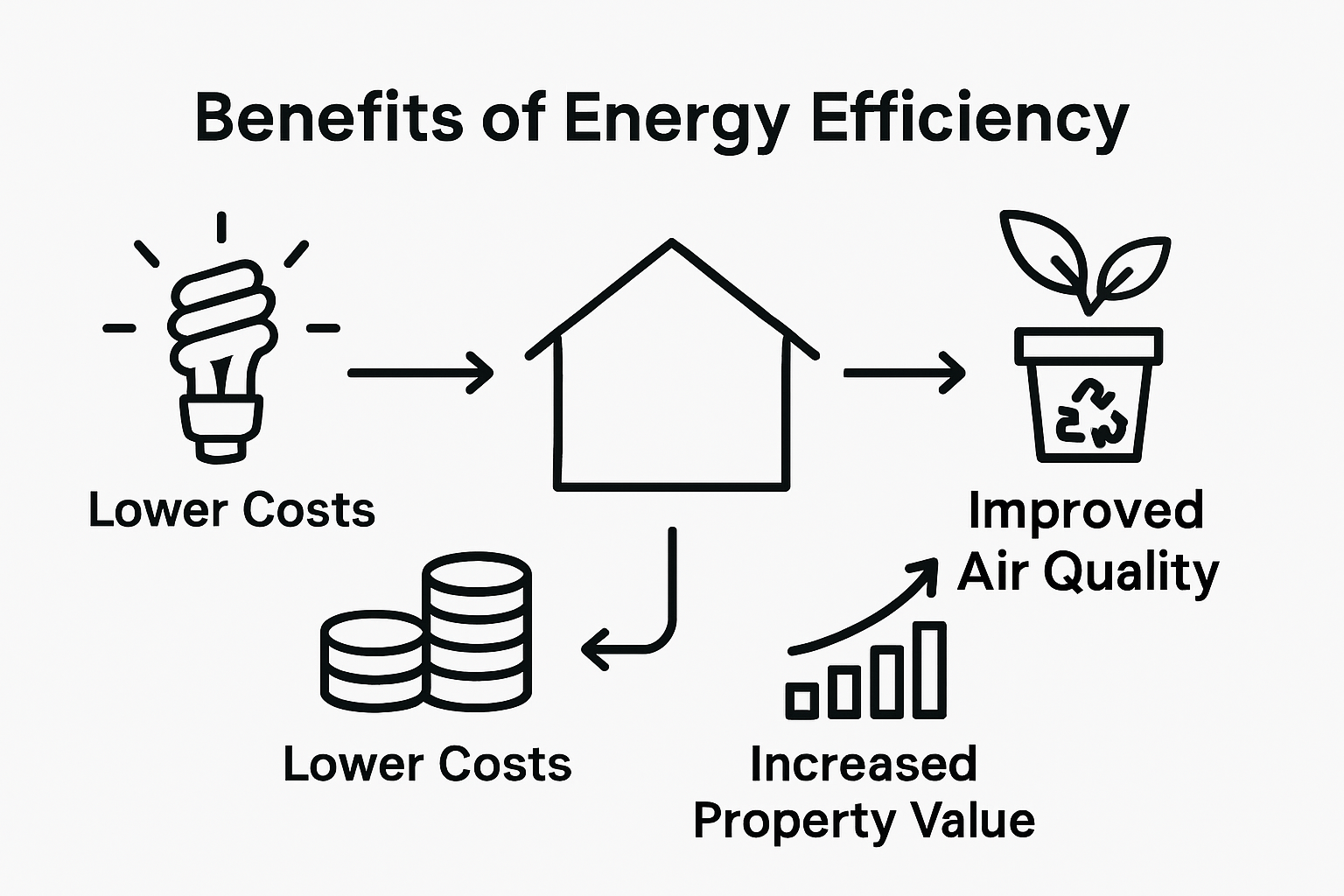
The Sustainable Living Association highlights several critical advantages of eco-conscious design. Energy efficiency emerges as a primary benefit, with sustainable spaces consuming significantly less power and reducing utility expenses. These designs also dramatically improve indoor air quality, creating healthier environments by minimizing toxic material exposure and implementing advanced ventilation strategies. Sustainable building techniques not only reduce carbon footprints but also generate substantial economic benefits through reduced operational costs and increased property valuation.
Businesses stand to gain substantial competitive advantages by embracing sustainable design principles. Companies implementing eco-friendly practices often experience enhanced brand reputation, increased employee productivity, and reduced operational expenses. Green design strategies can lower maintenance costs, attract environmentally conscious customers, and demonstrate corporate social responsibility. The potential financial benefits include tax incentives, reduced energy consumption, and improved workplace wellness metrics that directly impact organizational performance.
Ultimately, sustainable design represents a holistic approach to creating spaces that balance human needs with environmental stewardship. Whether for residential or commercial applications, these design strategies offer a comprehensive solution that supports individual well-being, economic efficiency, and global ecological preservation. By making intentional choices about materials, energy use, and design philosophy, we can transform our built environments into powerful tools for positive change.
Transforming your home into an eco-friendly space requires strategic and intentional shopping approaches that prioritize sustainability without compromising style or functionality. Kitchen organization solutions represent an excellent starting point for implementing sustainable design principles, allowing homeowners to make meaningful environmental choices in their everyday living spaces.
The Sustainable Living Association offers comprehensive guidance for conscious consumers seeking to create environmentally responsible interiors. Ethical brand support emerges as a critical strategy, encouraging shoppers to prioritize manufacturers committed to sustainable production methods. Key recommendations include upcycling existing furniture, selecting products made from renewable materials, purchasing secondhand items, and utilizing low-VOC paints that minimize environmental toxicity. By incorporating sustainable home decor techniques, consumers can dramatically reduce their ecological footprint while creating visually appealing living environments.
Practical implementation requires a multifaceted approach to sustainable shopping. Consumers should develop a comprehensive evaluation framework that considers material origins, manufacturing processes, transportation emissions, product durability, and potential for future recycling or repurposing. This means investigating product supply chains, understanding material lifecycles, and making purchases that align with long-term environmental conservation goals. Advanced strategies include selecting modular furniture that can be easily repaired or reconfigured, choosing products with minimal packaging, and prioritizing locally manufactured items to reduce transportation-related carbon emissions.
Ultimately, sustainable home decor shopping is about making informed, intentional choices that balance aesthetic preferences with environmental responsibility. By approaching purchases as investments in both personal living spaces and global ecological health, consumers can create meaningful change through their individual consumption patterns. The key is developing a mindset that views every purchase as an opportunity to support sustainable design principles and contribute to broader environmental preservation efforts.
Navigating the landscape of sustainable home decor requires careful consideration and a critical eye toward potential environmental missteps. Kitchen organization solutions serve as an excellent example of how thoughtful choices can prevent common sustainability pitfalls that many consumers unknowingly encounter in their home design journeys.
Greenwashing represents one of the most significant challenges for environmentally conscious consumers. Sustainable product evaluation requires deep investigation beyond marketing claims, as many brands strategically use eco-friendly language without substantive environmental commitment. Build Review cautions against accepting surface-level sustainability narratives, emphasizing the critical importance of verifying material origins, manufacturing processes, and actual ecological impact. Key red flags include vague environmental claims, lack of transparent supply chain information, and products that prioritize marketing over genuine sustainability.
Consumers should be particularly wary of several common pitfalls in sustainable home decor. These include purchasing items with excessive packaging, selecting products made from materials that appear sustainable but have hidden environmental costs, and investing in trendy eco-friendly items that lack long-term durability. Advanced strategies for avoiding these traps involve conducting thorough research into product lifecycles, understanding the true carbon footprint of materials, and prioritizing quality over quantity. This means looking beyond initial purchase price and considering factors like product longevity, repairability, and eventual recyclability.
Ultimately, avoiding sustainability pitfalls requires developing a nuanced, critically informed approach to home decor purchasing. Consumers must become active investigators, challenging marketing claims, asking difficult questions about product origins, and making choices that align with genuine environmental stewardship. The most effective strategy is cultivating a mindset of intentional consumption that values transparency, durability, and meaningful ecological impact over superficial green marketing tactics.
Creating a home that reflects your commitment to sustainability means choosing products that blend eco impact with style and function. The challenge many face is finding durable, responsibly made decor that truly supports sustainable home principles like responsible purchasing and energy efficiency. At Cozee Bay, we address these goals with our handcrafted bamboo collections designed for both residential and commercial use.
Discover how our Bamboo Paper Towel Dispenser- A Sleek Look Home or Office and Drawer Organizers | Cozee Bay® offer practical, stylish solutions crafted from renewable bamboo. These products reduce waste and promote long-term durability without sacrificing aesthetic appeal.

Make your eco-friendly home decor journey effortless and impactful. Explore our full range of premium bamboo products at Cozee Bay today and take a confident step toward a greener lifestyle that combines conscious living with elegant design.
Sustainable home decor emphasizes environmentally responsible material selection, energy efficiency, and minimizing environmental impact while maximizing functionality and beauty. Key principles include responsible purchasing, local sourcing, lifecycle analysis, and energy-efficient design techniques.
You can incorporate eco-friendly materials by selecting renewable resources like bamboo, using reclaimed wood, choosing sustainable textiles, and considering recycled materials. Prioritizing items that are durable and ethically sourced is also crucial for reducing your ecological footprint.
Adopting sustainable design practices can lead to lower energy consumption, improved indoor air quality, reduced utility bills, and increased property value. Additionally, it contributes to personal well-being and demonstrates environmental consciousness.
Be wary of greenwashing, which involves misleading marketing claims about sustainability. Avoid products with excessive packaging, those made from materials with hidden environmental costs, and trendy items that lack durability. Research materials and their lifecycle to ensure genuine eco-friendliness.
Comments will be approved before showing up.