Your Cart is Empty


Many homeowners assume that choosing natural materials means sacrificing modern design or paying premium prices. The truth is more surprising: materials like bamboo grow 3 feet daily, mature in just years instead of decades, and now lead cutting-edge interior trends while dramatically reducing environmental impact. This guide reveals how natural materials transform your space into a stylish, sustainable haven.
| Point | Details |
|---|---|
| Environmental impact | Natural materials like bamboo reduce carbon footprints by sequestering CO2 and replacing carbon-intensive alternatives. |
| Rapid sustainability | Bamboo matures in 3-5 years versus decades for hardwoods, enabling sustainable harvesting without replanting. |
| Design leadership | Wood-drenching trends in 2026 favor continuous natural surfaces creating seamless, warm interiors. |
| Smart sourcing | FSC certification ensures responsible harvesting and transparent supply chains for long-term sustainability. |
| Versatile applications | Bamboo works across flooring, furniture, wall panels, and decorative elements for cohesive natural aesthetics. |
Choosing natural materials dramatically reduces your home’s carbon footprint while supporting regenerative ecosystems. Bamboo products contribute to reduced carbon footprints because bamboo actively sequesters carbon during growth and replaces materials requiring intense manufacturing energy. Unlike traditional hardwoods that take 30-60 years to mature, bamboo reaches harvest readiness in just 3-5 years.
The carbon capture advantage extends beyond growth speed. Bamboo plantations absorb significantly more CO2 than equivalent tree stands, making them powerful allies against climate change. After harvesting, bamboo roots remain intact and immediately begin regenerating new shoots without replanting, creating a truly sustainable cycle.
Natural materials deliver measurable environmental wins:
When you choose bamboo and other natural materials, you actively reduce reliance on petroleum-based products and energy-intensive manufacturing. The environmental benefits of bamboo extend from carbon sequestration through production efficiency to eventual biodegradation, creating a closed-loop system that respects planetary boundaries.
“Natural materials represent more than aesthetic choices. They embody a commitment to regenerative design that works with ecosystems instead of against them, turning every purchase into an environmental investment.”
Design preferences in 2026 have shifted dramatically toward natural materials that blend sustainability with sophisticated style. The wood-drenching trend coordinates wood or wood-look surfaces throughout spaces, creating seamless visual harmony that feels both modern and timeless. Bamboo perfectly fits this aesthetic with warm tones, natural grain patterns, and versatile applications.
Unlike painted or synthetic surfaces that can feel cold or artificial, bamboo introduces organic warmth that transforms room atmospheres. You can incorporate bamboo across multiple touchpoints: flooring that grounds the space, furniture that anchors design schemes, wall panels that add dimension, and decorative accents that complete the look. This versatility makes bamboo ideal for creating the coordinated natural environments that define current interior trends.
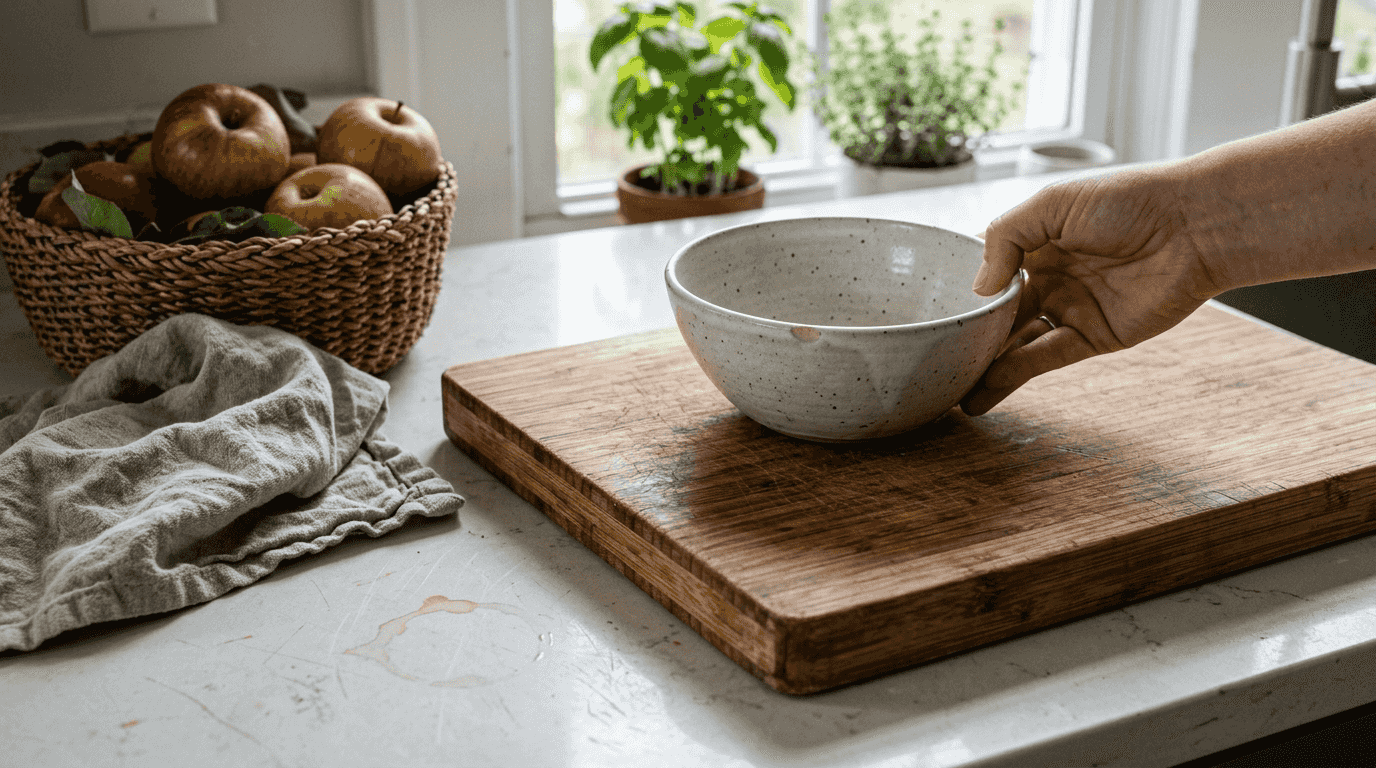
Eco-conscious buyers increasingly demand materials that deliver both visual appeal and environmental responsibility. Bamboo satisfies this dual requirement better than almost any alternative. Its natural beauty requires minimal processing to showcase, while its sustainability credentials align with values-driven purchasing decisions. Properties featuring thoughtfully integrated bamboo elements often command premium interest from buyers seeking green credentials without aesthetic compromise.
Pro Tip: Layer different bamboo finishes and forms throughout a room to add depth without overwhelming the space. Combine smooth bamboo flooring with textured bamboo blinds and sculptural bamboo organizers for visual interest that maintains material cohesion.
The bamboo interior design role continues expanding as manufacturers develop new applications and finishes. From ultra-modern minimalist applications to warmer transitional styles, bamboo adapts to diverse design visions while maintaining its sustainable foundation. This flexibility positions bamboo as a long-term trend rather than a passing fad.
Key applications driving bamboo adoption:
Understanding how bamboo stacks up against alternatives helps you make informed material choices for your specific needs. Each natural material offers distinct advantages, but bamboo’s combination of renewability, performance, and aesthetics creates a compelling value proposition.
| Material | Growth Cycle | Durability | Moisture Resistance | Carbon Impact | Best Applications |
|---|---|---|---|---|---|
| Bamboo | 3-5 years | High (engineered) | Superior (30% better) | Very Low | Flooring, furniture, organizers |
| Hardwood | 30-60 years | Very High | Moderate | Moderate | Structural, furniture, flooring |
| Cork | 9-10 years | Moderate | Good | Low | Flooring, wall covering, insulation |
| Reclaimed Wood | N/A (recycled) | Variable | Variable | Very Low | Accent walls, furniture, decor |
| Stone/Tile | N/A (extracted) | Very High | Excellent | High | Countertops, flooring, backsplashes |
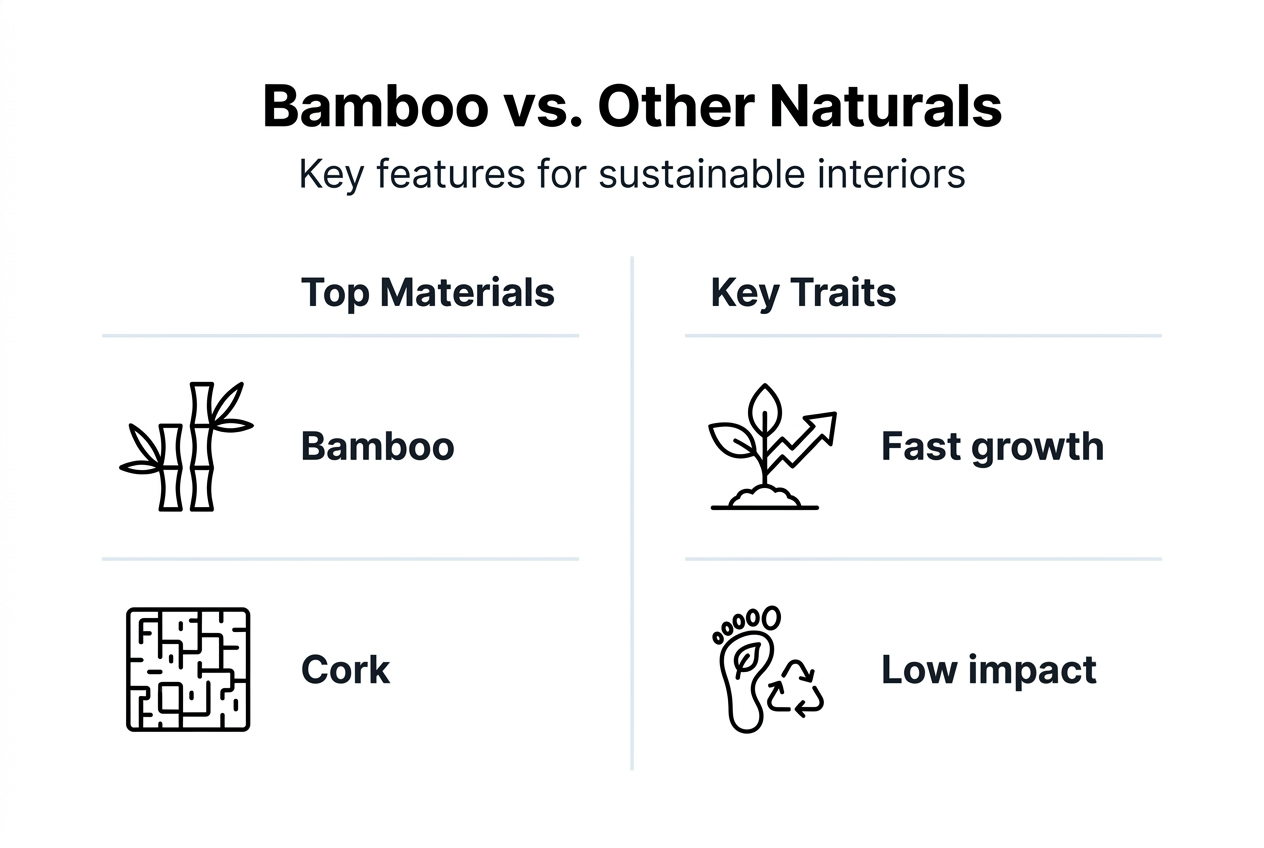
Bamboo’s rapid growth cycle gives it a decisive renewable advantage. While cork also regenerates relatively quickly, bamboo offers greater structural versatility for load-bearing applications. Engineered bamboo products now compete directly with hardwood, concrete, and even steel in certain construction contexts, expanding possibilities beyond traditional decorative uses.
Durability depends heavily on species selection and processing quality. Bamboo species and processing methods significantly impact both product longevity and environmental footprint. Strand-woven bamboo achieves hardness ratings exceeding many oak varieties, while maintaining superior moisture resistance that prevents warping and degradation in humid environments.
Pro Tip: Request Janka hardness ratings when comparing bamboo flooring options. Strand-woven bamboo typically scores 3000-5000, significantly harder than red oak at 1290, making it ideal for high-traffic commercial applications.
Responsible sourcing remains critical regardless of material choice. Bamboo from monoculture plantations or areas with questionable harvesting practices undermines environmental benefits. Similarly, hardwood without proper certification may contribute to deforestation. Always verify bamboo durability and moisture resistance specifications alongside sustainability credentials.
Key comparison factors:
Navigating bamboo product options requires attention to certification, sourcing transparency, and processing methods. These practical guidelines help you identify truly sustainable options that deliver both environmental and performance benefits.
Verify certification credentials before purchasing. Look for Forest Stewardship Council certification to ensure responsible sourcing practices that protect ecosystems and worker rights. FSC certification requires third-party verification of sustainable harvesting, chain-of-custody tracking, and environmental protection standards.
Investigate supply chain transparency beyond basic certifications. Reputable suppliers provide detailed information about bamboo origins, harvesting methods, and manufacturing locations. Avoid products with vague sourcing claims or suppliers unwilling to share origin details.
Choose processing methods aligned with your sustainability priorities. Mechanical processing for bamboo textiles produces more eco-friendly results than chemical viscose processing, though availability remains limited. For bamboo wood products, look for adhesives and finishes with low VOC emissions.
Implement proper care practices to maximize product lifespan and reduce replacement waste. Bamboo floors benefit from humidity control between 40-60% and regular cleaning with pH-neutral products. Furniture maintains beauty with occasional mineral oil treatments and protection from direct sunlight that can cause fading.
Consider full lifecycle impacts from production through disposal. While bamboo grows sustainably, manufacturing processes vary dramatically in environmental footprint. Products requiring extensive chemical treatment, long-distance shipping, or non-recyclable finishes diminish overall sustainability advantages.
Match bamboo species and construction to intended use. Solid bamboo works well for decorative applications, while strand-woven or engineered options suit high-traffic areas requiring maximum durability. Understanding construction differences prevents premature failure and replacement waste.
Support manufacturers committed to innovation and improvement. The reasons to invest in bamboo furniture extend beyond current products to ongoing industry development of more sustainable adhesives, finishes, and processing techniques.
Prioritize quality over price for better long-term value. Cheap bamboo products often use inferior species, poor construction, or harmful finishes that fail quickly. Investing in well-constructed pieces from responsible manufacturers delivers decades of service and superior environmental returns.
Ready to transform your space with sustainable natural materials? Cozee Bay offers curated bamboo products combining eco-friendly credentials with functional design excellence. Our handcrafted bamboo collection includes paper towel dispensers, organizers, and storage solutions designed for both residential and commercial applications.
Each product reflects our commitment to sustainable sourcing, quality craftsmanship, and practical innovation. Whether you’re updating a home kitchen, outfitting a restaurant, or creating cohesive design throughout a commercial property, our bamboo solutions deliver the natural warmth and environmental benefits you’re seeking. Explore the collection today and discover how thoughtfully designed bamboo products elevate everyday spaces while honoring your sustainability values.
Yes, bamboo grows exponentially faster than hardwood trees, reaching maturity in 3-5 years compared to 30-60 years for oak or maple. This rapid growth cycle allows sustainable harvesting without replanting, while bamboo’s superior carbon sequestration actively fights climate change. The environmental advantage holds true across properly sourced bamboo products.
Seek Forest Stewardship Council certification and suppliers with transparent supply chains detailing bamboo origins and processing methods. Avoid products from monoculture plantations that displace native ecosystems or regions with questionable harvesting practices. Quality manufacturers willingly share sourcing information and third-party verification.
Incorporate bamboo across flooring, furniture, and decorative elements to achieve the wood-drenching look dominating 2026 design trends. Pair bamboo’s warm tones with neutral color palettes, natural textiles like linen or cotton, and complementary materials like stone or ceramic. Layer different bamboo finishes for depth while maintaining visual cohesion.
Most bamboo fabrics undergo chemical viscose processing that significantly impacts sustainability despite the renewable source material. Mechanically processed bamboo linen offers more eco-friendly alternatives but remains less common and more expensive. For maximum sustainability, prioritize solid bamboo wood products over chemically processed textiles when possible.
Strand-woven bamboo exceeds many hardwoods in durability, with Janka hardness ratings reaching 3000-5000 compared to red oak’s 1290. This exceptional hardness combined with superior moisture resistance makes quality bamboo ideal for high-traffic residential and commercial applications. Always verify construction type and hardness ratings for specific products.
Comments will be approved before showing up.