Your Cart is Empty


Imagine walking into a store and assuming the eco-friendly cleaning spray won’t clean as well as the traditional bottle beside it. You’re not alone. Consumers rate eco-friendly and standard products nearly equally in performance, yet misconceptions persist. This article examines why eco-friendly cleaning supplies deliver comparable effectiveness while offering measurable environmental benefits, helping you make informed choices for your home or business in 2026.
| Point | Details |
|---|---|
| Performance parity | Eco-friendly cleaning products match or exceed traditional cleaners in effectiveness and contamination control. |
| Environmental gains | Eco-friendly protocols reduce CO2 emissions by approximately 50% compared to conventional methods. |
| Advanced ingredients | Biosurfactants and probiotic cleaners offer renewable, low-toxicity alternatives with promising results. |
| Smart selection | Third-party certifications verify genuine eco-friendly claims beyond vague marketing labels. |
| Usage practices | Sustainable habits like lower wash temperatures maximize environmental benefits without sacrificing cleanliness. |
Consumer perception of eco-friendly cleaning has shifted dramatically. Recent data shows that shoppers now associate eco-friendly products with efficiency and reliability, not just environmental responsibility. Microbiological testing shows eco-friendly systems can reduce contamination rates, sometimes performing better in high-risk zones than traditional chemical protocols.
The science backs up these perceptions. Laboratory studies comparing cleaning agents reveal that while bleach and isopropyl alcohol maintain the highest surface decontamination efficacy, certain eco-friendly agents like tea tree oil and vinegar show notable performance, particularly on non-porous surfaces. The key difference lies in application context. Hard surfaces like countertops, glass, and sealed floors respond well to natural cleaning agents. Porous materials such as unsealed wood or fabric present greater challenges for all cleaning types, requiring more aggressive treatment regardless of product category.
Surface type matters more than most people realize. Non-porous surfaces allow cleaning agents to make full contact with contaminants, enabling effective removal through mechanical action and chemical breakdown. Porous surfaces trap dirt and microbes within their structure, demanding stronger solvents or longer contact times. This distinction applies equally to traditional and eco-friendly products.
Consider these performance factors when evaluating cleaning supplies:
Pro Tip: Match your cleaning agent to both surface type and contamination risk. Use eco-friendly options for routine cleaning on non-porous surfaces, reserving stronger traditional agents only for high-risk medical or food preparation zones where regulations require them.
The select eco-friendly products guide provides detailed criteria for choosing effective green cleaning solutions. Understanding these performance nuances helps you make choices that deliver results without unnecessary environmental impact.
The environmental case for eco-friendly cleaning extends far beyond eliminating harsh chemicals. Life cycle assessments reveal that eco-friendly cleaning protocols reduce CO2 emissions by about 50% compared to conventional methods. This dramatic reduction comes from multiple factors working together throughout the product lifecycle.
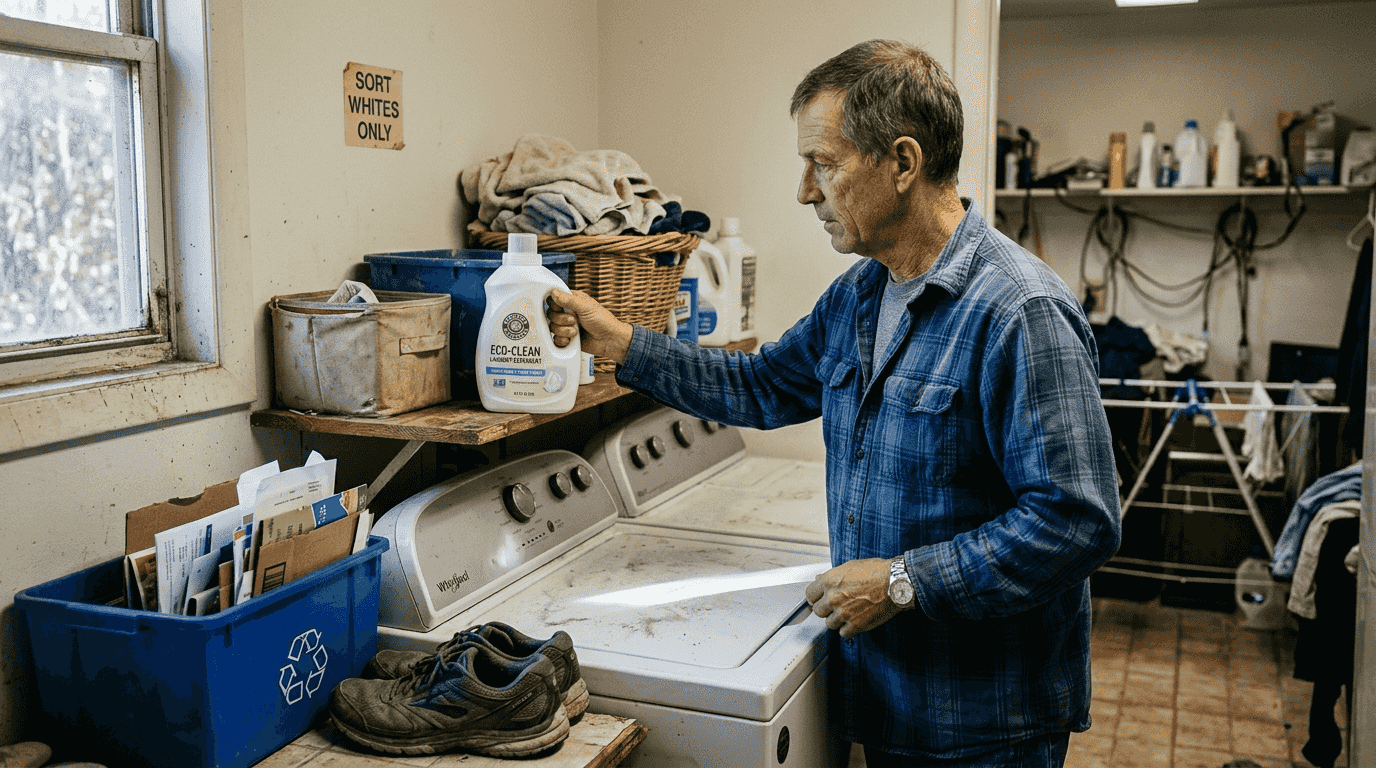
Here’s where the impact concentrates. The in-use phase accounts for over 60-90% of environmental impact depending on detergent type. Water heating dominates this footprint, consuming massive energy for hot water cycles. Manufacturing and transportation contribute far less than most people assume. This finding shifts the sustainability focus from product ingredients alone to how we actually use cleaning supplies.
| Impact Phase | Traditional Products | Eco-Friendly Products | Reduction |
|---|---|---|---|
| Manufacturing | 15-20% of total | 10-15% of total | 25-33% lower |
| Transportation | 5-8% of total | 5-8% of total | Minimal difference |
| Use phase | 70-80% of total | 35-45% of total | ~50% lower |
| Disposal | 2-5% of total | 1-3% of total | 20-40% lower |
Sustainable usage practices amplify eco-friendly benefits. Reducing wash temperatures and using energy-efficient cycles cut environmental footprint significantly, often delivering greater impact than switching products alone. Cold water cleaning with modern eco-friendly formulations achieves comparable results to hot water with traditional detergents, slashing energy consumption.
Biodegradable formulas contribute additional benefits. Biodegradable products can reduce carbon emissions by up to 20% through faster breakdown and reduced water treatment requirements. These products decompose into harmless compounds, minimizing aquatic ecosystem damage and reducing the chemical load on wastewater treatment facilities.
Implement these sustainable cleaning practices:
Pro Tip: Look for CAM-compliant products that meet rigorous environmental and performance standards. These certifications ensure you’re getting genuine eco benefits, not just green marketing.
The eco-friendly home tips resource explores broader strategies for sustainable living. Small changes in cleaning habits create measurable environmental improvements. The reduce paper towel waste naturally guide complements these practices by addressing disposable product consumption.
The next generation of eco-friendly cleaning relies on sophisticated biological ingredients. Biosurfactants derive from microbes and renewable sources, offering effective alternatives to petroleum-based synthetic surfactants. These compounds excel at breaking down oils and toxins while maintaining low environmental toxicity. Microorganisms produce biosurfactants naturally, making them renewable and biodegradable.
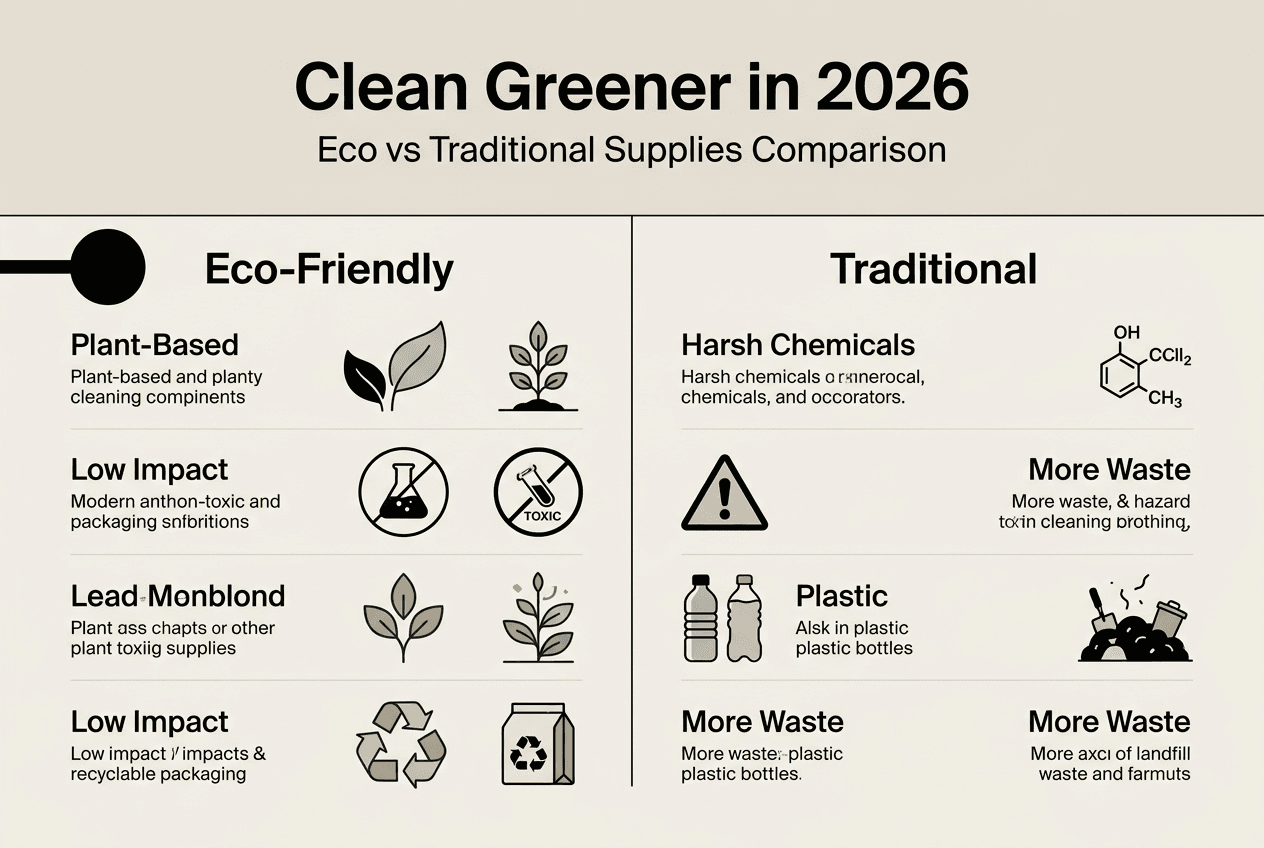
Probiotic cleaners represent an entirely different approach. Rather than killing all microorganisms, probiotic-based cleaners can reduce contamination and antimicrobial resistance by establishing beneficial microbial communities. These products introduce helpful bacteria that outcompete harmful pathogens, creating healthier indoor microbiomes. Early research shows promise for reducing antibiotic-resistant genes in building environments.
| Feature | Biosurfactants | Conventional Surfactants |
|---|---|---|
| Source | Microbial/renewable | Petroleum-based |
| Biodegradability | High (days to weeks) | Low to moderate (months to years) |
| Toxicity | Low | Moderate to high |
| Production cost | Currently higher | Lower |
| Cleaning efficacy | Comparable for most applications | Well-established |
| Environmental persistence | Minimal | Significant |
Biodegradability varies widely across products. Not all biodegradable products are equally safe or effective, as certifications and formulations differ substantially. A product labeled biodegradable might break down in industrial composting facilities but persist in natural waterways. Others degrade quickly but leave residues that accumulate over time.
Context determines appropriate product selection. Critical environments like surgical suites, food processing plants, or immunocompromised patient care areas may still require traditional chemical disinfectants to meet regulatory standards. Risk assessment should guide cleaning protocol decisions, balancing environmental goals with health and safety requirements.
Consider these factors when evaluating advanced eco-friendly products:
The why choose eco-friendly products article explores broader benefits beyond cleaning performance. Understanding these innovations helps you select products that align with your specific needs and values.
Navigating eco-friendly product claims requires critical evaluation skills. Vague terms like “natural” or “green” carry no regulatory definition, allowing manufacturers to apply them liberally without substantiation. Third-party certifications are the best way to verify eco-friendly claims over marketing language alone.
Effective eco-friendly cleaning extends beyond product selection. Facilities managers align cleaning programs with performance, compliance, and safety, integrating multiple factors into comprehensive protocols. This holistic approach considers cleaning methods, staff training, equipment quality, and risk management alongside product ingredients.
Follow these steps to evaluate eco-friendly cleaning products:
Sustainable usage practices maximize eco-friendly product benefits. Temperature control significantly impacts environmental footprint, as heating water consumes substantial energy. Proper dosing prevents waste while maintaining effectiveness. Many users over-apply cleaning products, assuming more equals better results. Manufacturers design concentrated formulas for specific dilution ratios that optimize performance and minimize environmental impact.
Implement these usage tips for better results:
Pro Tip: Consult product safety datasheets and technical specifications to protect workers and building occupants. These documents provide crucial information about proper handling, required ventilation, and potential health effects that marketing materials omit.
The select green home essentials guide offers additional criteria for choosing sustainable household products. Complementing cleaning supplies with eco-friendly accessories creates a comprehensive approach. The choose eco-friendly dispensers resource helps you select sustainable storage and application solutions that reduce waste while improving convenience.
Ready to transform your cleaning routine with products that work beautifully and responsibly? Cozee Bay curates eco-friendly home essentials that combine performance with environmental consciousness. Our handcrafted bamboo products bring sustainable style to everyday tasks, from paper towel dispensers used in homes, restaurants, and offices nationwide to organizers that reduce waste and enhance functionality.

Explore our collection of eco-friendly products designed for real life. We select items that meet rigorous quality standards while supporting sustainable practices. Our eco-friendly home product checklist helps you identify priorities and make confident choices. Discover how thoughtful design and responsible materials create spaces you’ll love living and working in.
Yes, consumers rate eco-friendly products nearly as effective as traditional ones based on recent performance studies. Some eco-friendly protocols achieve superior contamination reduction in specific settings, particularly on non-porous surfaces. Effectiveness depends more on proper application and surface type than product category alone.
Eco-friendly products reduce harmful chemical exposures that affect respiratory health and skin sensitivity. Custodial staff have lower respiratory illness rates with eco-friendly products, demonstrating measurable health benefits. Improved indoor air quality benefits everyone who occupies the space, from family members to employees and customers.
Look for third-party eco certifications like Green Seal, EcoLogo, or EPA Safer Choice that verify environmental claims. Avoid products relying solely on vague terms like “natural” or “biodegradable” without supporting documentation. Review ingredient lists and request product datasheets that detail biodegradability testing and environmental impact assessments.
Biosurfactants are cleaning agents produced by microorganisms from renewable resources, offering low-toxicity alternatives to petroleum-based surfactants. They effectively break down oils and contaminants while biodegrading rapidly in the environment. Though currently more expensive than conventional surfactants, biosurfactants represent a sustainable future for cleaning product formulations as production methods improve and scale.
Yes, many eco-friendly products meet or exceed commercial cleaning standards when properly selected and applied. Facilities managers successfully use eco-friendly protocols in restaurants, schools, offices, and healthcare settings by matching products to specific applications. High-risk zones may still require traditional disinfectants to meet regulatory requirements, but most commercial spaces can transition substantially to eco-friendly options without compromising cleanliness or safety.
Comments will be approved before showing up.