Your Cart is Empty


Choosing eco-friendly products and habits delivers real, measurable benefits across four areas: your health, your wallet, the planet’s resources, and your peace of mind. Here’s the short version before we dig in:
The sections below explain how each advantage works, which certifications and labels actually mean something, and where to start for the biggest payoff.
Eco-friendly choices deliver compounding advantages: lower toxic exposure, reduced long-term costs, smaller carbon and waste footprints, and measurable mental wellbeing gains.
| Point | Details |
|---|---|
| Health comes first | Swapping toxic cleaners and cookware reduces daily chemical exposure linked to respiratory and other health risks. |
| Cost-per-use beats sticker price | Durable eco items like bamboo or stainless replacements cost less per use than cheap disposables replaced repeatedly. |
| Certifications cut through greenwash | Energy Star, EU Ecolabel, EPEAT, and Safer Choice provide third-party verification of real lifecycle or ingredient claims. |
| Waste reduction starts at purchase | Choosing reusable, recyclable, or biodegradable products reduces landfill burden before waste is even generated. |
| Action reduces eco-anxiety | Taking purposeful steps restores a sense of agency and creates visible community ripple effects. |
The most direct advantage of eco-friendly living shows up inside your own four walls. Conventional cleaning products, non-stick cookware, and synthetic textiles often contain parabens, phthalates, PFAS compounds, and synthetic fragrances. According to NRDC, these substances are associated with higher risks of respiratory disease, asthma, and certain cancers. Swapping them out isn’t a minor lifestyle tweak — it’s a meaningful reduction in daily chemical load.
Three practical swaps that make a noticeable difference:
You can also explore eco-friendly cleaning supplies and eco-friendly bathroom essentials for room-by-room swap ideas.
Pro Tip: When checking ingredient lists, ignore “natural” or “green” on the front label — those words have no regulatory definition. Flip to the back and look for third-party certification logos like Safer Choice or EU Ecolabel instead.
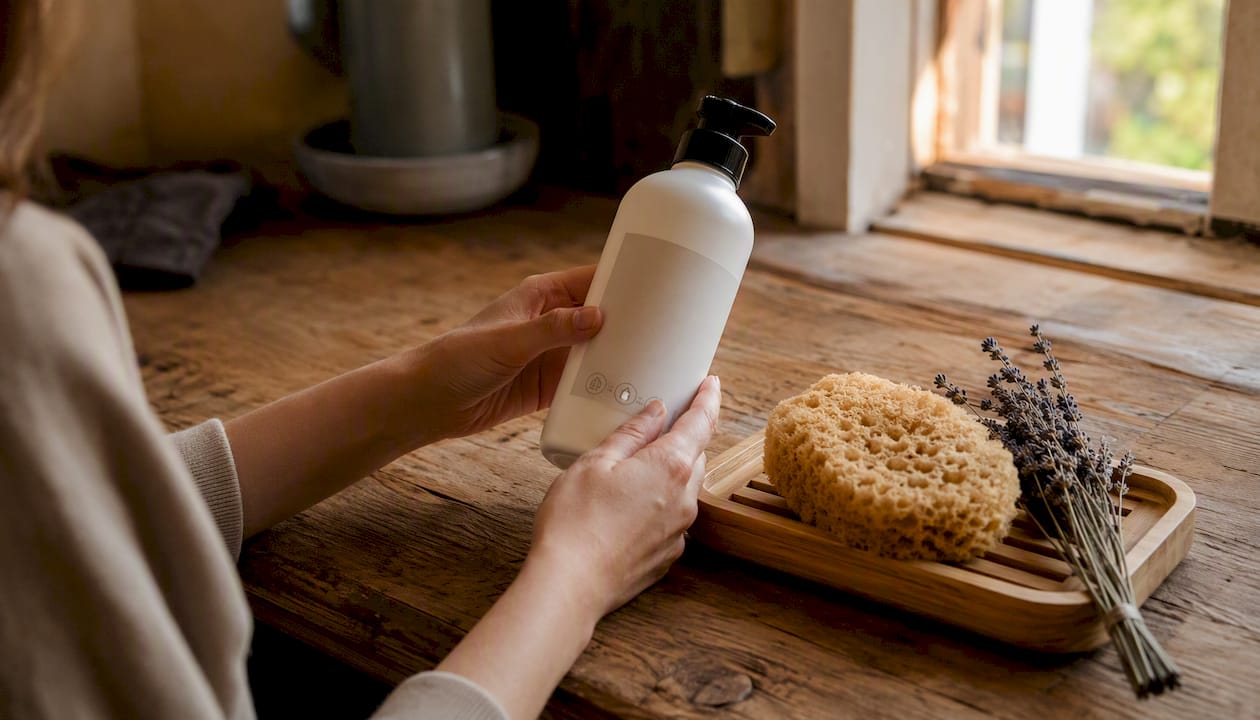
The upfront price of a quality eco product often looks steep, but the math changes fast when you think in cost-per-use rather than purchase price. A bamboo paper towel dispenser paired with reusable cloths, for instance, replaces dozens of single-use paper roll purchases each year. Airly confirms that practical eco benefits include reduced utility bills and fewer replacement purchases over time.
Four everyday choices that tend to pay back quickly:
Being environmentally friendly also delivers cost savings and improved reputation for businesses, from lower energy bills to better eligibility for grants and procurement tenders.
Pro Tip: Before buying, divide the total price by the number of uses you expect to get. A $30 reusable item used 300 times costs $0.10 per use. A $3 disposable used once costs $3.00. That gap is where eco choices quietly win.
Individual decisions do move the needle on emissions, especially in three high-leverage areas: energy use at home, transportation, and the materials in the products you buy. Britannica’s overview of carbon footprint explains why this framing helps prioritize which actions matter most.
High-impact moves worth prioritizing:
The EPA’s guidance on greener products notes that different products carry different environmental hotspots across their life cycle, so certifications help you identify where the real gains are rather than guessing.
Eco-friendly choices reduce the volume of material that ends up in landfills, and they do it at both ends: less packaging coming in, and better end-of-life options going out. Reusable items can replace dozens or hundreds of single-use plastics, cutting waste and cost simultaneously, as noted by iGuides.
Practical waste-reduction swaps:
Pro Tip: “Compostable” on a label doesn’t always mean your home bin. Many compostable plastics require industrial composting facilities to break down properly. Check your local waste authority’s accepted materials list before assuming a product stays out of landfill.
The benefits of eco-friendly living extend well past your front door. When households collectively reduce chemical runoff, single-use plastic waste, and pollutant emissions, the effects show up in shared water sources, local air quality, and biodiversity. EPA’s green chemistry program documents how greener manufacturing reduces hazardous waste, lowers resource use, and can improve product safety — gains that ripple through supply chains and communities.
Product decisions that reduce ecosystem harm:
Eco action reduces eco-anxiety by restoring a sense of agency. When you feel like the problem is too big to touch, taking one concrete step shifts that feeling. Airly’s research links purposeful sustainable action to improved mental wellbeing and a stronger sense of community connection.
Four psychological and social benefits worth knowing:
Pro Tip: Join or start a local swap group for tools, textiles, or pantry staples. Shared ownership reduces individual consumption and builds the kind of social connection that makes sustainable habits stick.
The advantages of eco-friendly products aren’t magic — they come from lifecycle thinking, which means examining a product’s impact from raw materials through manufacturing, transport, use, and disposal. The EPA’s greener products guidance explains that hotspots differ by product: for some items, manufacturing dominates; for others, the use phase (energy or water consumption) is where most impact occurs.
Trusted certifications to look for:
| Certification | What it covers | Scope |
|---|---|---|
| Energy Star | Energy efficiency in appliances and electronics | Use phase |
| EU Ecolabel | Lifecycle environmental performance | Multiple categories |
| EPEAT | Electronics lifecycle and hazardous materials | Electronics |
| Safer Choice (EPA) | Ingredient safety in cleaning products | Formulation |
A durable bamboo item illustrates the lifecycle advantage well. Bamboo grows quickly without pesticides, requires minimal processing, and a well-made bamboo product outlasts plastic alternatives by years. That durability collapses the cost-per-use and reduces the manufacturing emissions embedded in repeated replacements. Green chemistry principles reinforce this: fewer synthetic steps and longer product life often mean less material consumed to achieve the same function.
Pro Tip: When evaluating any product’s green claims, ask three questions: Is there a named third-party certification? Does the brand disclose materials and sourcing? Is there a clear end-of-life path (recyclable, compostable, or take-back program)? A “yes” to all three is a strong signal.
For a practical selection checklist, the Cozee-bay guide to selecting eco-friendly products walks through material, durability, and disposal criteria in plain language.
The highest-impact, lowest-regret moves share one trait: they reduce both cost and waste simultaneously, so you win even if the environmental benefit takes time to accumulate.
Week 1 — swap one disposable for a durable:
Month 1 — address energy and food waste: 4. Check your appliances for Energy Star ratings; prioritize the next replacement accordingly. 5. Set up a simple composting system for food scraps. 6. Consolidate shopping trips to reduce car miles.
Ongoing — build the habit of lifecycle evaluation: 7. Before any new purchase, ask: What is it made of? How long will it last? Where does it go at end of life? 8. Track one measurable outcome — your monthly energy bill or the number of trash bags you fill — so progress feels real.
Pro Tip: Use the sustainable home products guide from Cozee-bay as a room-by-room reference when you’re ready to go deeper than the first few swaps.
At Cozee-bay, we work with bamboo every day, and the lifecycle advantages are not theoretical. Customers who switch to bamboo home accessories — dispensers, organizers, kitchen tools — consistently report fewer replacements, cleaner countertops, and a home that simply feels more considered. Bamboo grows fast, processes cleanly, and holds up through years of daily use in restaurants, schools, and homes alike. That durability is the core of the eco-friendly argument: buy well once, replace rarely, and the financial and environmental wins take care of themselves.
Comments will be approved before showing up.