Your Cart is Empty


Compostable plastic is a material engineered to break down into carbon dioxide, water, inorganic compounds, and biomass, but only under specific composting conditions. That last part is the catch most shoppers miss: the bag or fork labeled “compostable” almost always needs an industrial composting facility to actually do what the label promises, not the pile in your backyard.
Here’s the verdict before you buy anything with that label:
Compostable plastic only delivers its environmental benefit when it reaches an industrial composting facility that matches its certification, otherwise it behaves much like ordinary plastic waste.
| Point | Details |
|---|---|
| Check the label type | Look for “industrial” versus “home compostable” before assuming your bin can handle it. |
| Verify local collection | Confirm your city’s organics program accepts certified compostable plastics before buying. |
| Keep it out of recycling | Compostable plastic in a PET or HDPE recycling bin risks contaminating the entire batch. |
| Trust the standards | ASTM D6400/D6868 and EN 13432 certifications, not vague “biodegradable” claims, signal real testing. |
| Reduce before you compost | Durable, reusable alternatives outperform single-use compostables for everyday household items. |
Every compostable plastic is biodegradable, but not every biodegradable plastic is compostable. That distinction trips up a lot of well-meaning shoppers, so it’s worth untangling.
Biodegradable simply means microorganisms can eventually break a material down, somewhere, sometime, under some conditions. No timeline required, no test standard required. Compostable is a much narrower promise: the material biodegrades into compost within a defined timeframe, under defined composting conditions, verified by lab testing.
Then there’s biobased, a term about origin, not outcome. A biobased plastic is made from renewable material like corn starch or sugarcane, but that doesn’t guarantee it composts or even biodegrades. Some biobased plastics are chemically identical to petroleum plastic and behave the same way in a landfill. Cozee-bay covers this distinction in more detail in its guide to bio-based plastic.
The two most common compostable materials on shelves:
Microbes and enzymes do the heavy lifting. In a properly managed compost environment, bacteria and fungi colonize the plastic’s surface, secrete enzymes that break polymer chains into smaller molecules, and consume those molecules as food. The end products are carbon dioxide, water, and organic biomass, the same output you’d expect from a rotting apple core, just on a longer timeline.
Getting there requires a specific set of conditions:
Your backyard bin rarely holds that 50 to 60 degree range for long. Studies using the ASTM D5338 test method, which tracks biodegradation through CO2 output, show PLA mineralizes well under controlled industrial conditions but stalls or leaves fragments in cooler home setups. That gap between lab performance and backyard reality is the single biggest source of consumer disappointment with these products.
A certification label is a testing result, not a marketing flourish. Three frameworks dominate the space, and each measures something specific:
None of these frameworks test for home composting performance in the US, a gap the EPA flags directly. A product stamped “certified compostable” without a “home compostable” qualifier is telling you, implicitly, that it needs an industrial facility.
Pro Tip: Flip the package over. A legitimate certification shows a logo tied to the actual standard (like the BPI mark for ASTM compliance) plus the certifying body’s name, not just the word “biodegradable” printed in green.
For a deeper walk through what these labels mean on actual packaging, Cozee-bay’s guide to compostable packaging breaks down real product examples.
Used correctly, inside a working collection system, they solve a real problem: food-soiled packaging that can’t be recycled anyway. A grease-stained pizza box or a coffee cup lined with compostable film can go into biowaste instead of landfill, and tighter organics collection programs report cleaner finished compost when they accept only certified items.
The risks show up when the system isn’t there:
Independent reviews caution that compostable plastics are not a silver bullet: outside a managed composting environment, they can persist for years and shed microplastic fragments just like conventional plastic left in the open.
The waste hierarchy still ranks reduce and reuse above any form of disposal, composting included. A material that breaks down cleanly is still a single-use item.
Treat every compostable item as a question, not an assumption. Here’s the sequence:
Caddy liners and food-waste bags are the one category where compostables consistently earn their keep, since they’re built specifically to travel with kitchen scraps into a municipal organics stream that’s designed to receive them. Cozee-bay’s rundown of which materials actually count as compostable is a useful gut check before you buy.
Pro Tip: Call your local waste authority once and save the answer. Composting rules vary block by block in some cities, and a five-minute call beats guessing every time you shop.
Cozee-bay’s stance is simple: reduce and reuse first, compost as a fallback, not a first resort. A bamboo paper towel dispenser or a bamboo drawer organizer never needs a composting facility because it’s not designed to disappear after one use. That durability is the whole point.
Compostable plastic still earns a place in specific situations:
For household items you use daily, a durable bamboo alternative avoids the composting question entirely. Browse Cozee-bay’s compostable household product roundup for the narrower cases where single-use compostables genuinely make sense.
The conventional advice on compostable plastic stops at “buy the compostable version, it’s better for the planet.” That’s incomplete, bordering on misleading. The material only delivers its promised benefit inside a system built to receive it, industrial heat, managed moisture, weeks of aeration. Buy the compostable fork, toss it in your backyard pile, and you’ve likely just bought a fork that takes longer to look wrong.
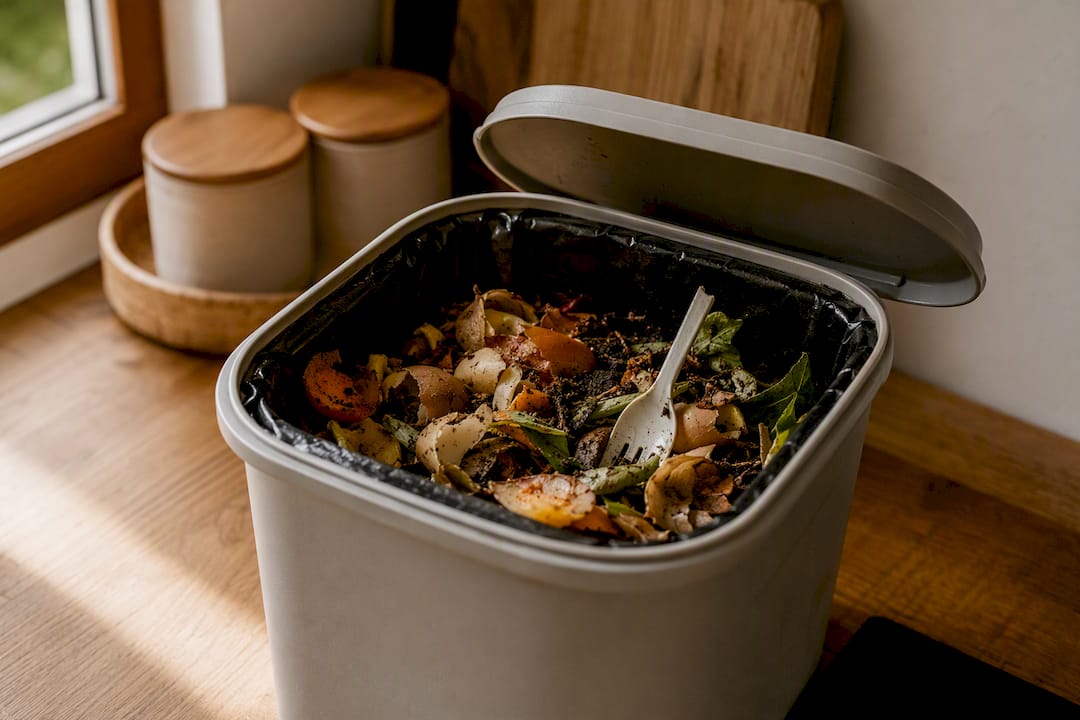
What gets underestimated is how much the burden falls on the shopper to check labels and call the local waste authority, work that most packaging design quietly assumes you won’t do. Retailers stamp “compostable” on a bag knowing most buyers will never verify whether their city even accepts it.
Prioritize durability first. A compostable product that never needs replacing beats one that needs the perfect disposal chain to justify its existence. Save the compostable label for the situations that genuinely call for it: food-soiled packaging, confirmed municipal collection, real certification. Everything else is a case for buying something built to last.
Is compostable plastic the same as biodegradable plastic? No. Compostable plastic is a subset of biodegradable plastic that must break down into compost within a defined timeframe under composting conditions. Biodegradable plastic has no required timeline or test standard attached to the term.
Can I put compostable plastic in my home compost bin? Usually not with full confidence. Most certified compostable plastics, including PLA, are tested for industrial facilities that sustain 50 to 60 degrees Celsius for weeks. Home piles rarely hold that heat long enough for complete breakdown.
What are the most common examples of compostable plastics? PLA (polylactic acid), made from plant starch, and PHA (polyhydroxyalkanoates), made by bacteria, are the two materials behind most compostable cups, cutlery, straws, and food-contact packaging.
Does a “biodegradable” label mean I can throw it in the trash or outdoors? No. Biodegradable items can still take years to break down outside a managed environment, and littering them risks the same fragmentation and microplastic concerns as conventional plastic.
Should I choose compostable plastic or a reusable product? For everyday household items, choose reusable first. Compostable plastic makes sense mainly for food-contaminated packaging or organics collection liners where a real industrial composting system exists nearby.
Comments will be approved before showing up.