Your Cart is Empty

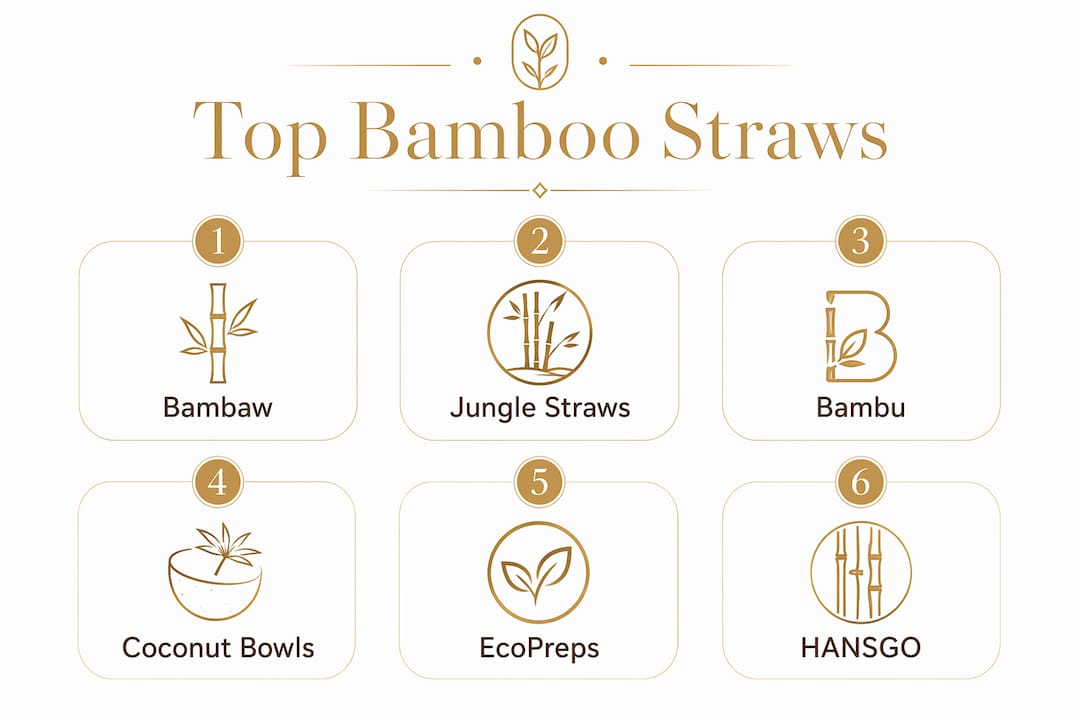
The strongest options on the US market right now are Bambaw, Bambu, Jungle Straws, Coconut Bowls, EcoPreps, and HANSGO. Each brings something different to the table, whether that’s a lifetime guarantee, FSC certification, or artisan harvesting. Here’s how they stack up side by side.
| Brand | Material Quality | Pack Size | Reusability | Accessories | Shipping |
|---|---|---|---|---|---|
| Bambu Reusable Bamboo Straws | FSC-certified bamboo | Varies | Long-lasting, daily use | Cleaning brush, pouch | US shipping available |
| Coconut Bowls Bamboo Straws | Handmade, natural variation | Varies | Reusable, biodegradable | — | International + US |
| EcoPreps Bamboo Straws | Sustainably sourced | Bulk options | Reusable, commercial grade | Accessories included | US shipping available |
| HANSGO Bamboo Straws | Natural, chemical-free | Varies | Reusable | Brush, pouch | US shipping available |
| Bambaw Bamboo Straws | FSC-certified organic | Varies | Lifetime guarantee | Eco-friendly packaging | International + US |
| Jungle Straws Reusable Bamboo Straws | Artisan-harvested, organic | Set of 12 | Reusable, zero-waste | Hessian pouch, brush, care guide | International + US |
A few standouts worth knowing before you dig deeper:
All six brands are available online and ship to US addresses. Jungle Straws and Coconut Bowls also sell through Amazon US, which makes reordering easy.

Picking the right set comes down to three things: size, certification, and what’s in the box.
Size matters more than most buyers expect. Natural bamboo stalks vary in interior diameter, which directly affects how well a straw works for thick drinks like smoothies or boba. Jungle Straws, for example, includes mixed sizes ranging from 5mm to 10mm in each set, which covers most beverages. If you’re buying for thick drinks exclusively, look for sets that specify a jumbo or wide-bore option. Standard widths work fine for water, iced tea, and cocktails.
Certification tells you a lot about sourcing. FSC certification, issued by the Forest Stewardship Council, confirms that bamboo was harvested from responsibly managed sources. Bambaw and Bambu both carry this credential. If a brand doesn’t mention FSC or any third-party certification, that’s worth noting before you buy.
Here’s what else to look for when comparing options:
For where to buy: all six featured brands sell directly through their own websites. Jungle Straws and Coconut Bowls are also available on Amazon US. Specialty eco-retailers and zero-waste shops sometimes carry Bambaw and Bambu as well. For choosing bamboo products more broadly, the same principles apply: prioritize certified sourcing, practical accessories, and a brand that stands behind its product.
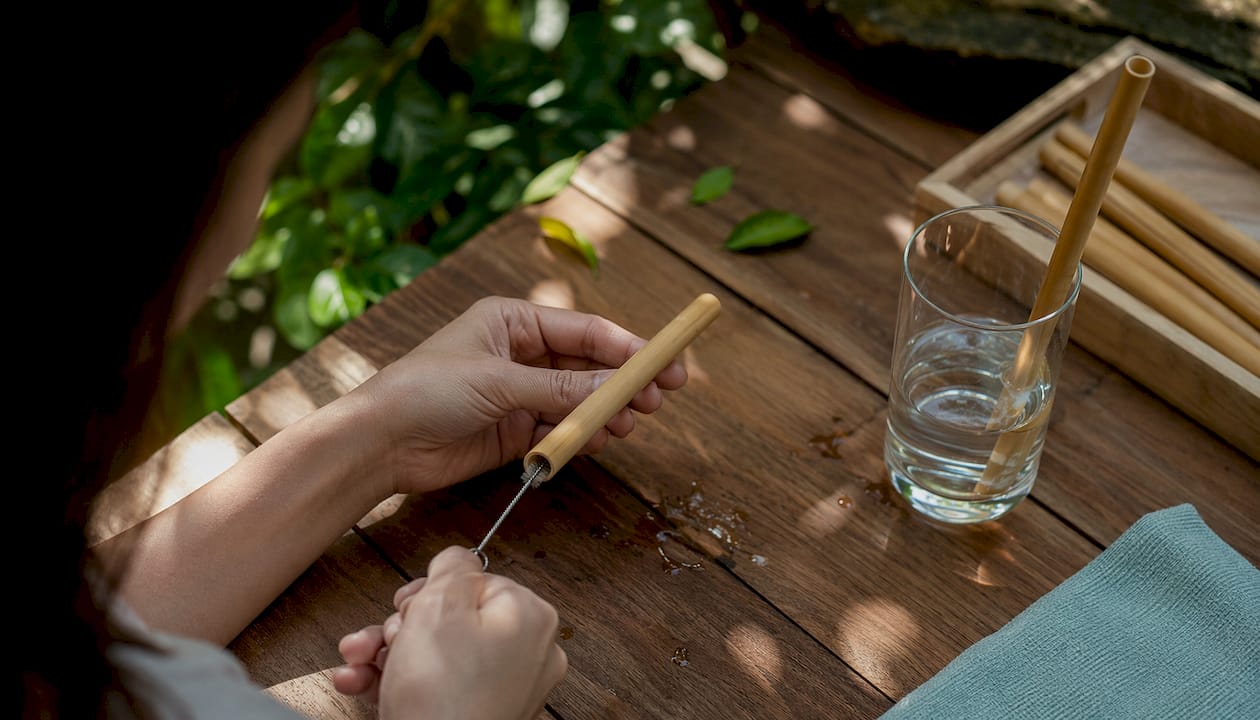
Proper care is what separates a bamboo straw that lasts years from one that cracks or molds after a few months. The good news is that the routine is simple once you know what to avoid.
Pro Tip: After washing, hold each straw up to a light source and look through it. If you can see clearly, it’s clean and ready to dry. If there’s residue, run the brush through once more before air drying. This quick check takes five seconds and prevents buildup that’s much harder to remove later.
One thing worth knowing upfront: a mild earthy or woody taste is normal when you first use bamboo straws. This is a natural characteristic of the material, and it fades noticeably after several uses as the straw seasons. Most users stop noticing it entirely within the first week.
For a deeper look at keeping bamboo in top shape, Cozee-bay’s guide on maintaining bamboo naturally covers the full routine.
Every brand featured here ships to US addresses, but the experience varies. Bambaw and Jungle Straws both ship internationally and to the US, with standard delivery times that depend on your location. Bambu, EcoPreps, and HANSGO ship domestically within the US, which typically means faster arrival. Coconut Bowls ships from Indonesia, so expect slightly longer transit times for direct orders, though their Amazon US listings usually ship from domestic warehouses.
For bulk orders, EcoPreps is the most straightforward option, with quantities suited to restaurants, cafes, and event planners. Jungle Straws also offers bulk pricing with laser engraving and personalization available through their wholesale contact page, which is worth knowing if you’re outfitting a business.
Most brands offer free shipping above a minimum order threshold, though the exact amounts vary and aren’t always listed publicly. Check each brand’s website directly before checkout.
Bamboo straws cost more upfront than a pack of plastic straws, but the math flips quickly when you factor in reusability. A single bamboo straw used daily for a year replaces hundreds of single-use plastic straws, making the per-use cost far lower over time.
Jungle Straws sells a set of 12 with a full accessory kit, which represents strong value given what’s included. Bambaw’s lifetime guarantee is the most aggressive value proposition in this category: you’re essentially buying once. HANSGO and EcoPreps offer competitive pricing on larger packs, which suits buyers who want to stock up for a household or small business without paying a premium per straw.
Coconut Bowls and Bambu sit at a slightly higher price point, reflecting their artisan production and certification credentials. For buyers who prioritize verified sourcing and handmade quality, that premium is justified. If budget is the primary concern, HANSGO or EcoPreps offer the most straws per dollar without sacrificing basic quality.
With proper care, a well-made bamboo straw can last regular daily use over an extended period. The limiting factors are almost always maintenance-related rather than material failures. Prolonged soaking, dishwasher exposure, and storing straws while damp are the three habits that shorten lifespan most dramatically.
Bambaw’s lifetime guarantee is the clearest signal in the market that a brand believes in its product’s durability. That kind of commitment is rare in the eco-straw category and worth weighing seriously. Bambu’s FSC-certified bamboo also tends to hold up well, partly because certified sourcing usually means more consistent material quality than uncertified alternatives.
Natural bamboo does have one inherent limitation: because it’s a plant material, no two straws are identical. Interior diameter can vary slightly between straws in the same set, which affects flow rate. For most drinks this is a non-issue, but for very thick smoothies or boba, it’s worth choosing a brand that specifies wide-bore sizing. Proper bamboo disposal at end of life is straightforward: bamboo is compostable, so straws that have reached the end of their useful life can go into a compost bin rather than a landfill.
The environmental case for reusable bamboo straws is stronger than most people realize — especially when compared to other alternatives aux bouteilles en plastique that accelerate plastic waste. Bamboo is one of the fastest-growing plants on earth, requiring no pesticides or synthetic fertilizers to thrive. Artisan harvesting methods used by brands like Jungle Straws, which sources from a family-run farm in rural Vietnam, keep the production footprint minimal compared to industrial plastic manufacturing.
Biodegradability is real, but the timeline depends on disposal environment. Commercial composting can break down plant-based straws in 42 days, while marine environments may take 6–8 months. Either way, that’s a fraction of the centuries plastic takes to degrade, and bamboo doesn’t leach microplastics in the process.
The circular economy angle is worth taking seriously. When a brand like Jungle Straws employs local artisans and uses organic bamboo harvested without chemicals, the sustainability benefit extends beyond the straw itself. It supports livelihoods, reduces industrial waste, and keeps production local to the source material. That’s a meaningfully different model than shipping petroleum-based plastic around the globe. For a fuller picture of bamboo’s commercial sustainability, the environmental advantages compound at scale.
If bamboo straws got you thinking about the rest of your home, Cozee-bay is worth a look. The brand specializes in handcrafted bamboo products designed for both residential and commercial spaces, with the same commitment to sustainable materials and clean aesthetics that draws eco-conscious buyers to bamboo straws in the first place.

Cozee-bay’s bamboo paper towel dispensers have found homes in restaurants, schools, coffee shops, and senior living centers across the US, which says something about their durability in real-world use. Free shipping within the contiguous US and a money-back guarantee mean you’re not taking a risk when you try something new. If you’re ready to take your sustainable home setup further, explore Cozee-bay’s full collection and see what fits your space.
Bamboo straws are the most practical reusable alternative to plastic straws available today, combining certified renewable sourcing, natural antimicrobial properties, and full compostability at end of life.
| Point | Details |
|---|---|
| Top brands to consider | Bambaw, Bambu, Jungle Straws, Coconut Bowls, EcoPreps, and HANSGO all ship to US addresses. |
| Certification matters | FSC-certified options like Bambaw and Bambu confirm responsible sourcing and consistent material quality. |
| Size affects performance | Interior diameters vary naturally; choose wide-bore straws for thick drinks like smoothies or boba. |
| Care extends lifespan | Hand-wash, avoid soaking, and air dry completely before storage to prevent cracking and mold. |
| Cozee-bay for home | Cozee-bay offers handcrafted bamboo home products with free US shipping and a money-back guarantee. |
Here’s an opinion you won’t see in most eco-product roundups: the sustainability conversation around bamboo straws gets overcomplicated, and that complexity actually works against adoption.
Brands and writers spend enormous energy debating degradation timelines, certification hierarchies, and circular economy theory. All of that is real and worth understanding. But the practical reality for most buyers is much simpler. A bamboo straw used daily for a year replaces hundreds of plastic straws. It doesn’t leach microplastics. It composts when it’s done. And with basic care, it lasts long enough that the per-use cost is negligible.
The one thing the marketing consistently undersells is maintenance. A bamboo straw that gets tossed in the dishwasher or stored wet will fail within weeks, and that failure gets blamed on the material rather than the habit. The brands that include a cleaning brush and a care guide, like Jungle Straws and Bambaw, are doing buyers a genuine service. That accessory kit isn’t a nice extra. It’s what determines whether you actually get the lifespan the product promises.
My honest take: stop waiting for the perfect eco-straw and pick one that comes with a brush. The environmental math works out in your favor almost immediately.
Comments will be approved before showing up.