Your Cart is Empty


TL;DR:
- Proper disposal of bamboo depends on identifying if it is untreated, coated, or mixed-material before choosing composting, recycling, or waste options. Untreated bamboo can be composted after shredding, while coated or lacquered bamboo should go to general waste to avoid chemical contamination. Separating components and avoiding wish-cycling are crucial to maintaining effective waste streams and extending bamboo product life.
Sustainable bamboo product disposal is defined as the process of directing bamboo items to the correct end-of-life stream, whether compost, recycling, reuse, or landfill, based on their material composition. Knowing how to dispose of bamboo products correctly matters because the wrong bin can contaminate an entire compost batch or recycling load, undoing every eco-friendly choice you made at the point of purchase. Bamboo products span a wide range: toothbrushes, utensils, plates, cups, straws, furniture, and even textiles like rayon and viscose. Each one has a different makeup, and that makeup determines its disposal path. This guide breaks down every method clearly so you can make the right call every time, without the guesswork.
Product composition dictates bamboo disposal: plain untreated bamboo can be composted or reused, while coated or mixed-material bamboo requires separation or disposal as general waste. This single distinction is the most important thing you can know before tossing anything in a bin. Getting it wrong means contamination, and contamination means your good intentions cause real harm downstream.
Here is how to read what you have:
Pro Tip: Run your fingernail along the surface of a bamboo item. If it feels smooth and slightly slick, there is likely a coating present. Raw bamboo feels slightly fibrous and matte.
The biggest misconception is treating all bamboo as uniform, ignoring the varied material makeup that determines disposal needs. Misclassifying a lacquered plate as compostable, for example, introduces chemicals into a compost heap that can harm soil biology and render the whole batch unusable.
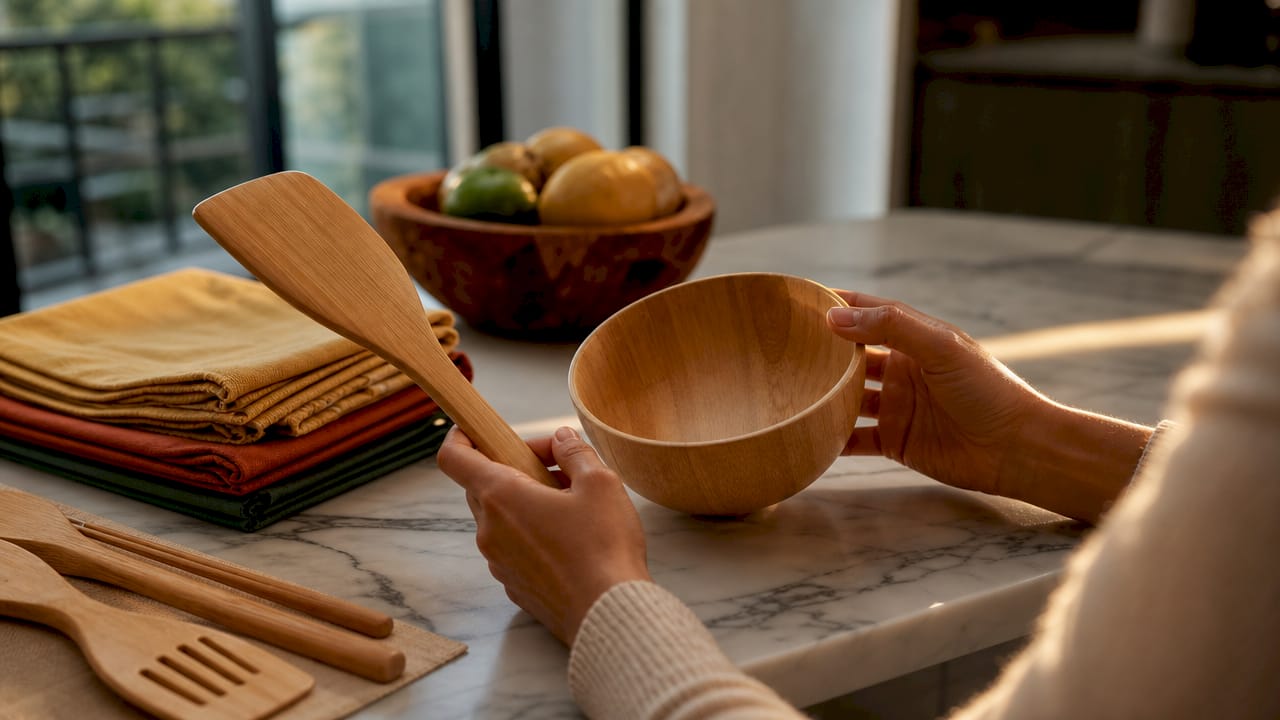
Once you know what type of bamboo you are dealing with, the disposal process becomes straightforward. Below are clear steps for the most common items you will encounter at home or in a commercial setting.
Bamboo toothbrushes: Remove nylon bristles using a pair of pliers before composting the handle. The bristles go in general waste or a small plastics recycling program if your municipality accepts them. The bare handle decomposes in about 3 to 6 months in a home compost pile.
Bamboo utensils (spoons, forks, chopsticks): Check for coatings first. Uncoated utensils can go straight into your compost bin, ideally broken into smaller pieces to speed breakdown. Coated utensils belong in general waste. If the utensils are still functional, consider donating them to a community kitchen or school before disposal.
Bamboo plates and bowls: Uncoated versions are compostable. Coated or printed versions are not. When in doubt, check whether water beads on the surface. If it does, a coating is present and the item should go in general waste.
Bamboo cups and straws: Plain bamboo straws are fully compostable. Bamboo cups with silicone lids or rubber bases need to have those components removed first. The bamboo body can then be composted or broken down for garden mulch.
Bamboo paper towel dispensers and home accessories: Items like Cozee-bay’s bamboo paper towel dispensers are crafted from finished bamboo wood. When they reach end of life, remove any metal screws or hardware, then check whether the wood surface is sealed. Sealed pieces go to general waste or bulky item collection. Unsanded, unfinished bamboo components can be composted or repurposed. You can find creative upcycling ideas for bamboo accessories before committing to disposal.
Bamboo garden waste (stalks, canes, roots): Cut stalks into short lengths and compost or mulch them. Never compost live bamboo rhizomes or roots, as live roots can regrow and spread. Dry them thoroughly before bagging for general waste collection.
Pro Tip: Keep a small pair of pliers in your bathroom drawer specifically for removing toothbrush bristles. It takes under a minute and makes a real difference to your compost quality.
Reuse is always the first option worth considering. Bamboo utensils work as plant markers in the garden. Old bamboo boards become drawer liners. Extending a product’s life before final disposal is the most eco-friendly bamboo disposal choice of all.
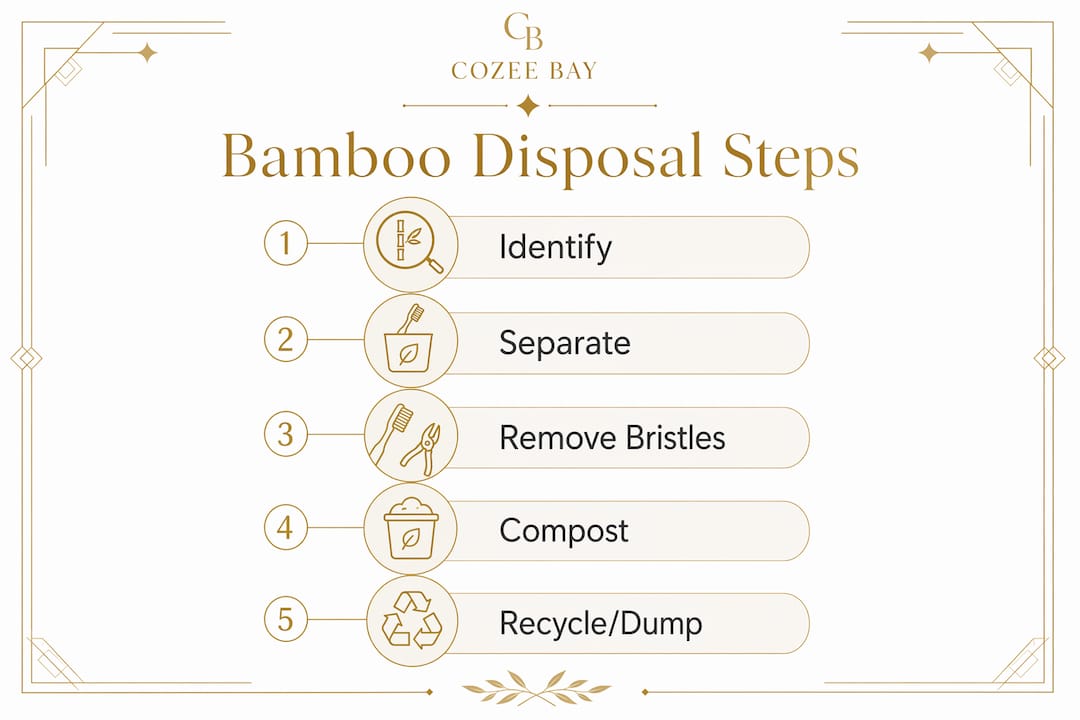
Composting is the gold standard for untreated bamboo waste, but bamboo is tougher than most organic materials. Its lignin and silica content slow decomposition compared to vegetable scraps or cardboard. Properly shredded bamboo breaks down in about 2 to 4 months, while whole pieces can take significantly longer. That timeline matters if you are managing a home compost pile with limited space.
Key techniques to get the best results:
Academic research confirms that bamboo fiber improves compost quality as a feedstock additive in industrial composting systems, but only when the material is uncontaminated and compatible with other inputs. That finding reinforces the home composter’s rule: only untreated, uncoated bamboo goes in the pile.
Some municipalities route compostable bamboo items to green waste bins, but improper items can ruin entire compost batches. Always check your local program’s accepted materials list before using curbside green waste collection for bamboo. Cities like Berkeley, California publish detailed waste sorting guides that specify exactly what is accepted.
Recycling bamboo products is more complicated than composting because most municipal recycling programs do not have a dedicated bamboo stream. The practical reality is that local recycling programs generally do not accept bamboo, especially when mixed with plastics or coatings. That does not mean recycling is off the table. It means you need to separate first and then check.
| Bamboo product type | Recommended disposal method |
|---|---|
| Plain untreated bamboo items | Home compost or green waste bin |
| Coated or lacquered bamboo | General waste after removing hardware |
| Mixed-material (bamboo + plastic) | Separate parts; plastic to recycling, bamboo to compost or waste |
| Engineered bamboo furniture | Bulky waste collection or donation |
| Bamboo-derived textiles | Textile recycling or donation programs |
For engineered bamboo furniture, donation is the most sustainable first step. Organizations like Habitat for Humanity ReStores accept furniture in good condition. If the item is damaged beyond use, contact your local bulky waste program. Many cities offer scheduled large-item pickup or drop-off facilities for items that do not fit in standard bins.
The bamboo product lifecycle from growth to disposal shows that even heavily processed bamboo has lower embedded carbon than most plastics or metals, which is worth remembering when you are deciding whether to repair rather than replace.
For mixed-material items, the separation step is non-negotiable. A bamboo-handled kitchen tool with a stainless steel head, for example, can have the metal head recycled through standard scrap metal channels while the bamboo handle goes to compost if uncoated. Taking five minutes to disassemble an item properly protects the integrity of both waste streams.
Even well-meaning eco-conscious consumers make disposal errors that cause real problems. These are the most frequent ones and how to sidestep them.
“Putting bamboo in an incorrect bin risks contaminating entire recycling or compost loads.” — City of Berkeley Waste Sorting Guide
The fix for most of these mistakes is the same: slow down, identify the material, and check your local program. A two-minute check saves a full compost batch.
Proper bamboo waste disposal depends entirely on identifying whether a product is untreated, coated, mixed-material, or engineered before choosing between composting, recycling, reuse, or general waste.
| Point | Details |
|---|---|
| Identify before disposing | Check for coatings, plastic parts, or adhesives before choosing a disposal method. |
| Compost untreated bamboo | Shred or chop pieces and compost in 2 to 4 months with proper moisture and aeration. |
| Separate mixed materials | Remove nylon, metal, or plastic components before composting the bamboo portion. |
| Avoid wish-cycling | When disposal streams are unclear, general waste after separation beats contaminating a recycling load. |
| Reuse extends product life | Repurposing bamboo items before final disposal is always the most eco-friendly first step. |
The biggest obstacle I see is product composition confusion. Consumers pick up a bamboo plate, assume it is fully compostable because the packaging says “eco-friendly,” and toss it in the green bin without a second thought. That plate may have a food-safe lacquer that belongs nowhere near a compost pile. The word “bamboo” on a label tells you the raw material, not the finish.
Separating parts is tedious. I will not pretend otherwise. Pulling nylon bristles out of a toothbrush with pliers is not anyone’s idea of a relaxing evening. But contamination prevention is what keeps green waste programs running. One contaminated batch can mean an entire truckload goes to landfill instead of becoming compost. That is a real cost.
Local programs also lag behind product innovation. New bamboo composites and finishes hit the market faster than municipal guidelines can update. That means you sometimes have to do your own research, call your waste hauler, or check resources like your city’s waste sorting guide directly. It is worth the effort.
The most underrated move? Repurposing before disposal. Old bamboo cutting boards become serving trays. Worn bamboo utensils become plant markers. A bamboo paper towel dispenser that no longer holds a roll can become a desk organizer. Exploring DIY bamboo home decor ideas before you reach for the trash bag is a habit worth building.
— Cozee
If you are already thinking carefully about how to dispose of bamboo products, you are ahead of most consumers. The next step is choosing bamboo items designed with end-of-life in mind from the start.

Cozee-bay’s collection of handcrafted bamboo home products, from paper towel dispensers to kitchen organizers, is built with natural finishes and quality craftsmanship that make both use and disposal straightforward. Every product page includes material details so you always know what you are working with. Browse the full Cozee-bay bamboo collection to find eco-friendly home solutions that align with your values from purchase through to end of life. Free shipping within the contiguous U.S. and a money-back guarantee make it easy to start.
Yes, untreated bamboo can be composted at home. Shred or chop it into small pieces first, as shredded bamboo decomposes in roughly 2 to 4 months compared to much longer for whole pieces.
Use pliers to remove the nylon bristles and place them in general waste, then compost the bare bamboo handle. The handle takes approximately 3 to 6 months to break down in a home compost pile.
No. Coated or lacquered bamboo is not accepted by most recycling programs and should not be composted either. Remove any metal or plastic hardware and place the coated bamboo in general waste.
Wish-cycling means placing an item in recycling or compost and hoping it gets sorted correctly. For bamboo products, this risks contaminating entire loads, which can send recyclable or compostable material straight to landfill.
Donate functional bamboo furniture to programs like Habitat for Humanity ReStores. For damaged pieces, use your local bulky waste collection service, and remove any metal hardware for separate recycling before pickup.
Comments will be approved before showing up.