Your Cart is Empty


You see “eco-friendly” stamped on bamboo products everywhere, but what does that actually mean? Many consumers assume any bamboo item is automatically sustainable, yet the reality is far more complex. True eco-friendliness requires examining the entire product lifecycle from raw materials to disposal, not just the base material. This guide cuts through vague marketing claims to help you understand what genuinely makes bamboo products sustainable in 2026, from processing methods to certifications and lifecycle data.
| Point | Details |
|---|---|
| Full lifecycle matters | Eco-friendliness requires assessing environmental impact across all stages from raw material extraction through manufacturing, use, and disposal. |
| Processing method is critical | Mechanical bamboo processing preserves sustainability while chemical methods increase environmental harm through toxic substances. |
| Certifications have limits | Labels verify specific claims but don’t guarantee complete sustainability across the entire product lifecycle. |
| Greenwashing is widespread | Over 50% of environmental claims lack substantiation, requiring consumers to verify data independently. |
| Carbon data drives decisions | Quantified metrics like CO2 equivalents enable informed comparisons between bamboo and conventional materials. |
When you evaluate whether a bamboo product is truly eco-friendly, you need more than feel-good marketing phrases. Life cycle assessment determines environmental impact across the full product journey, measuring everything from raw material extraction through manufacturing, distribution, use phase, and end-of-life disposal. This systematic approach reveals the complete environmental footprint rather than cherry-picked highlights.
LCA evaluates multiple environmental categories simultaneously. Global warming potential measures greenhouse gas emissions in CO2 equivalents. Acidification tracks substances that increase environmental acidity. Eutrophication assesses nutrient pollution in water bodies. Resource depletion quantifies consumption of non-renewable materials. Each metric provides specific data points you can compare across products and materials.
Why does this matter for bamboo products? A bamboo paper towel dispenser might use sustainably grown bamboo, but if the manufacturing process relies on coal-fired electricity or the product ships halfway around the world, those impacts accumulate. The bamboo lifecycle from growth to end use shows how each stage contributes differently to overall sustainability.
Consider two bamboo cutting boards. One uses mechanical processing with renewable energy and local distribution. The other undergoes chemical treatment in a facility powered by fossil fuels, then ships internationally. Both start with the same renewable bamboo, yet their total environmental footprints differ dramatically. LCA quantifies these differences with hard numbers rather than vague claims.
Pro Tip: When researching bamboo products, look for Environmental Product Declarations that provide standardized LCA data. These third-party verified documents let you compare specific environmental impacts across different products and materials using consistent methodology.
The beauty of LCA is its objectivity. You’re not relying on marketing departments to define what “eco-friendly” means. Instead, you’re examining quantified impacts across standardized categories. This approach empowers you to make purchasing decisions based on actual environmental performance rather than persuasive messaging.
The processing method transforms bamboo from raw material into finished product, and this transformation stage often determines whether the final item deserves the eco-friendly label. Mechanical processing cuts, shapes, and assembles bamboo using physical methods like sawing, sanding, and heat pressing. This approach preserves the material’s natural structure and biodegradability while minimizing chemical inputs.
Chemical processing tells a different story. Converting bamboo into viscose or rayon fabric involves dissolving the plant material in caustic chemicals, then regenerating it into fibers. This process consumes significant energy and water while generating chemical waste streams. Mechanical methods preserve sustainability while chemical processing increases environmental impacts through toxic substance use and disposal challenges.
Processing Method Comparison
| Factor | Mechanical Processing | Chemical Processing |
|---|---|---|
| Chemical inputs | Minimal (adhesives only) | High (sodium hydroxide, carbon disulfide) |
| Energy consumption | Lower | Significantly higher |
| Water usage | Minimal | Substantial |
| Biodegradability | Fully maintained | Often compromised |
| Waste generation | Wood scraps (compostable) | Chemical effluents requiring treatment |
When you choose bamboo products, understanding this processing distinction becomes crucial. A mechanically processed bamboo paper towel dispenser maintains the material’s inherent sustainability advantages. The bamboo grows rapidly without pesticides, sequesters carbon during growth, and the finished product biodegrades naturally at end of life.
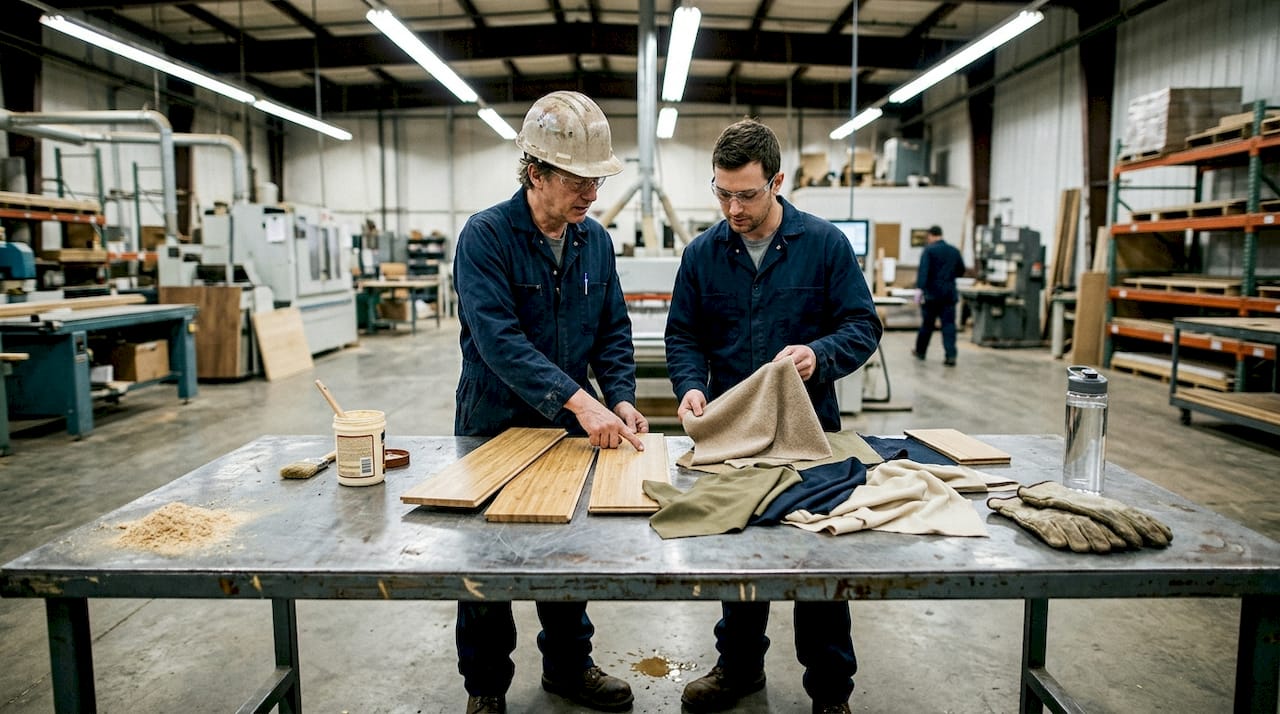
Chemical processing undermines these benefits. The viscose production process can release harmful substances into air and water if facilities lack proper controls. Workers face exposure risks from caustic chemicals. The energy intensity of dissolving and regenerating bamboo fibers often exceeds the energy saved by using a renewable feedstock.
You might wonder how to identify processing methods when shopping. Product descriptions for solid bamboo items like dispensers, organizers, or cutting boards indicate mechanical processing. Terms like “bamboo viscose,” “bamboo rayon,” or “bamboo lyocell” signal chemical processing. Fabric products almost always involve chemical transformation since bamboo fibers don’t naturally spin into yarn.
Pro Tip: Contact manufacturers directly to ask about processing methods and chemical use. Companies committed to sustainability will readily share this information, while vague responses often indicate less eco-friendly practices they’d prefer not to highlight.
The environmental gap between processing methods widens when you consider facility practices. Mechanical processing facilities can operate with minimal environmental controls since they generate little pollution. Chemical processing requires sophisticated wastewater treatment, air emission controls, and hazardous waste management to prevent environmental damage.
Certifications provide third-party verification of specific environmental claims, but they come with important limitations you need to understand. FSC certification verifies sustainable forestry practices for the raw bamboo. Nordic Swan evaluates products across multiple environmental criteria. USDA Organic confirms growing methods. Each certification addresses particular aspects of sustainability rather than guaranteeing complete eco-friendliness.
Certification stacking doesn’t ensure full sustainability, and over half of environmental claims lack proper substantiation. A product might carry multiple eco-labels yet still generate significant environmental impacts in uncertified areas. You’re seeing the certified highlights while other stages remain unexamined.
Greenwashing exploits this gap between perception and reality. Companies use several tactics to appear more sustainable than they actually are:
The EU Green Claims Code now requires substantiation to prevent misleading eco-marketing, recognizing how widespread these practices have become. When you encounter environmental claims, apply systematic scrutiny rather than accepting them at face value.
Here’s your checklist for spotting authentic eco-friendly claims:
Authentic sustainability communication includes both positive attributes and honest acknowledgment of remaining challenges. When companies only highlight benefits without mentioning any environmental tradeoffs, that imbalance often signals greenwashing. Real environmental progress involves continuous improvement rather than perfection.
You can select eco-friendly products more confidently by demanding specificity. Instead of accepting “environmentally friendly,” ask what specific environmental metrics improved and by how much. Instead of trusting “sustainable,” request data on resource consumption, emissions, and waste generation. Companies with genuine environmental commitments will provide this information.
Pro Tip: Search for the product name plus “environmental product declaration” or “lifecycle assessment” to find detailed sustainability data. If no results appear, that absence itself tells you something about the company’s commitment to transparency.
Now you can put this knowledge into practice when selecting bamboo products for your home or business. Start by evaluating processing methods, since mechanical processing preserves bamboo’s sustainability advantages while chemical methods introduce significant environmental costs. Solid bamboo items like paper towel dispensers, organizers, and utensils typically use mechanical processing.
Follow these steps to assess bamboo product eco-friendliness:
Local sourcing deserves special attention because transportation generates significant emissions that undermine material sustainability benefits. A bamboo product manufactured in Asia and shipped to North America accumulates substantial carbon debt during transit. Products made closer to end markets reduce this impact dramatically.
Bamboo’s rapid growth enables carbon-negative products when processing remains sustainable. Bamboo sequesters carbon dioxide as it grows, reaching maturity in just three to five years compared to decades for hardwood trees. This fast growth cycle means bamboo plantations continuously absorb atmospheric carbon while providing renewable material.
The carbon math works in bamboo’s favor when you choose mechanically processed products from efficient manufacturers. Consider this comparison:
Carbon Footprint Comparison (kg CO2e per product)
| Product Type | Bamboo (Mechanical) | Plastic | Stainless Steel |
|---|---|---|---|
| Paper towel dispenser | 2.8 | 8.4 | 12.6 |
| Kitchen organizer | 1.9 | 6.2 | 9.8 |
| Utensil set | 0.6 | 2.4 | 4.1 |
These figures account for material extraction, manufacturing, and typical transportation. Bamboo’s lower embodied energy and carbon sequestration during growth create substantial advantages over conventional materials. The gap widens further when comparing end-of-life scenarios, since bamboo biodegrades while plastic and metal require energy-intensive recycling or persist in landfills.
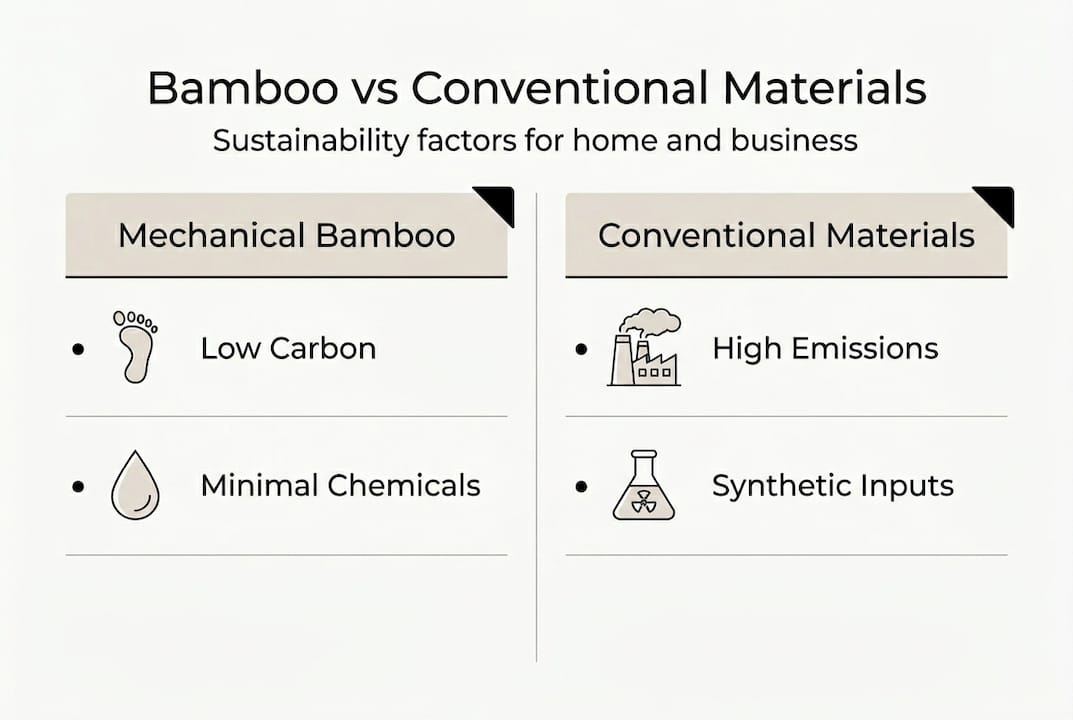
For business owners, bamboo sustainability benefits extend beyond environmental metrics to brand perception and customer loyalty. Eco-conscious consumers increasingly make purchasing decisions based on company sustainability practices. Choosing genuinely sustainable bamboo products for your restaurant, office, or retail space demonstrates authentic environmental commitment.
You can avoid greenwashing by demanding data rather than accepting marketing claims. Request specific information about manufacturing energy sources, transportation methods, and chemical use. Companies producing truly sustainable products will provide this transparency because it differentiates them from competitors making empty claims.
Pro Tip: Calculate the total cost of ownership including product lifespan when comparing bamboo to conventional options. A slightly more expensive bamboo product that lasts twice as long delivers better value while reducing replacement waste.
The environmental benefits of bamboo materialize most fully when you select products that maintain sustainability throughout the entire value chain. This means mechanical processing, efficient manufacturing, reasonable transportation distances, and proper end-of-life management. Each element contributes to the total environmental profile.
You’ve learned how to identify genuinely eco-friendly bamboo products through lifecycle thinking, processing evaluation, and data verification. Ready to put this knowledge into action? Cozee Bay specializes in mechanically processed bamboo products designed for homes and commercial spaces, from paper towel dispensers to kitchen organizers.

Every product prioritizes sustainable materials and functional design without compromising style. Our bamboo paper towel dispensers serve restaurants, schools, offices, and homes across the country, combining eco-consciousness with durability. We focus on transparency about our sourcing and manufacturing practices because informed customers make the best decisions. Explore our collection to find bamboo solutions that align with your sustainability values while meeting practical needs for organization and functionality.
True eco-friendliness requires low environmental impact across the complete lifecycle, from raw material extraction through manufacturing, use, and disposal. This means examining quantified data on carbon emissions, resource consumption, chemical use, and waste generation rather than relying on vague marketing terms. Selecting eco-friendly products demands transparency and third-party verification of environmental claims.
No, bamboo’s sustainability depends entirely on growing practices and processing methods. While bamboo grows rapidly and sequesters carbon, chemical processing into textiles introduces significant environmental impacts through toxic substances and high energy use. Mechanically processed solid bamboo products maintain the material’s inherent sustainability advantages.
Certifications verify specific claims but don’t guarantee complete sustainability across all environmental aspects. A product might carry organic certification for growing practices yet still generate high emissions during manufacturing or transportation. You need to evaluate the full lifecycle rather than assuming certifications cover everything.
Demand specific, quantified environmental data rather than accepting vague terms like “natural” or “green.” Look for lifecycle assessments, environmental product declarations, or carbon footprint calculations from third parties. Companies making genuine sustainability progress will provide transparent data, while those greenwashing often respond with marketing language instead of numbers.
Lifecycle data lets you compare actual environmental performance rather than marketing claims. You can see how a bamboo product’s carbon footprint compares to plastic or metal alternatives across standardized metrics. This quantified approach removes subjectivity and reveals which products deliver genuine environmental benefits versus those that just sound eco-friendly.
Choose mechanically processed bamboo products whenever possible. This method preserves the material’s biodegradability and minimizes chemical inputs, maintaining bamboo’s sustainability advantages. Avoid bamboo textiles made through chemical processing unless the manufacturer provides detailed data on their chemical recovery and waste treatment systems.
Comments will be approved before showing up.