Your Cart is Empty


Most American cities are witnessing a dramatic rise in demand for eco-friendly materials, with bamboo emerging as a favorite among urban property owners. Nearly 40 percent of American homeowners now prioritize sustainability when choosing interior decor, seeking style that makes a real impact. Understanding bamboo’s true environmental benefits—and debunking myths—helps urbanites make smart choices that protect the planet and add striking modern appeal to any space.
| Point | Details |
|---|---|
| Environmental Benefits of Bamboo | Bamboo sequesters carbon, prevents soil erosion, and requires minimal water, making it an environmentally friendly alternative to traditional resources. |
| Diverse Applications | Bamboo’s versatility spans construction, textiles, and ecological restoration, catering to both commercial and sustainable needs. |
| Sustainability Comparison | Compared to timber and steel, bamboo has a shorter renewable cycle, lower embedded carbon, and reduced environmental impact in production. |
| Responsible Sourcing | Selecting non-invasive bamboo species and certified sources is crucial for maintaining ecological integrity and minimizing disruption to native ecosystems. |
Bamboo represents far more than just a fast-growing plant. It is a sustainable powerhouse with remarkable environmental capabilities that challenge traditional material expectations. Worldwide ecological research demonstrates bamboo’s unique capacity to sequester carbon, detoxify environments, and provide renewable alternatives across multiple industries.
Contrary to popular misconceptions, bamboo is not an invasive menace but a strategic environmental solution. Its root systems actively prevent soil erosion and stabilize landscapes, making it an exceptional tool for ecological restoration. Soil bioengineering techniques leverage bamboo’s complex root networks to filter water contaminants and reinforce unstable terrain, showcasing its potential beyond aesthetic landscaping.
Key environmental benefits of bamboo include:
Pro tip: When selecting bamboo products, prioritize sustainably harvested sources that support responsible forest management and local ecological preservation.
Bamboo species represent an incredibly diverse group of plants with remarkable versatility across multiple applications. The USDA Plants Database highlights the incredible range of bamboo varieties, from tropical woody species like Bambusa vulgaris to native US rivercane (Arundinaria gigantea), each offering unique characteristics for ecological and commercial uses.
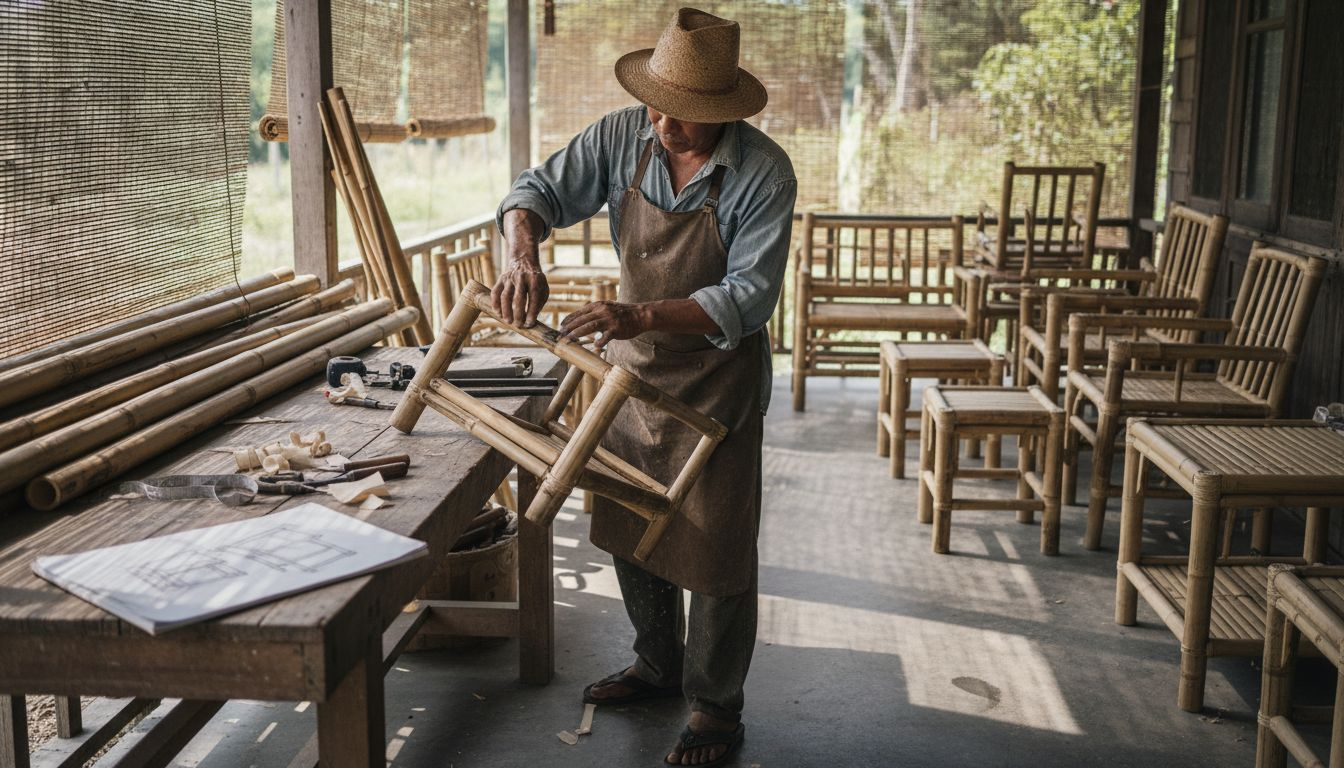
Native bamboo species like rivercane play crucial roles in southeastern US ecosystems, demonstrating the plant’s cultural and environmental significance. Bamboo types are fundamentally categorized into two primary growth patterns: clumping and running. Clumping bamboo grows in tight, controlled clusters, making it ideal for landscaping and controlled environments, while running bamboo spreads more aggressively and can be excellent for larger restoration projects.
Commercial and ecological applications of bamboo span numerous industries:
Pro tip: When selecting bamboo for specific projects, carefully research the growth pattern and native habitat to ensure optimal performance and minimal environmental disruption.
Sustainable development requires innovative solutions that balance environmental, social, and economic needs. National research highlights bamboo’s potential as a renewable material capable of revolutionizing construction and resource management practices, offering a high-strength alternative to traditional timber with remarkable carbon sequestration capabilities.
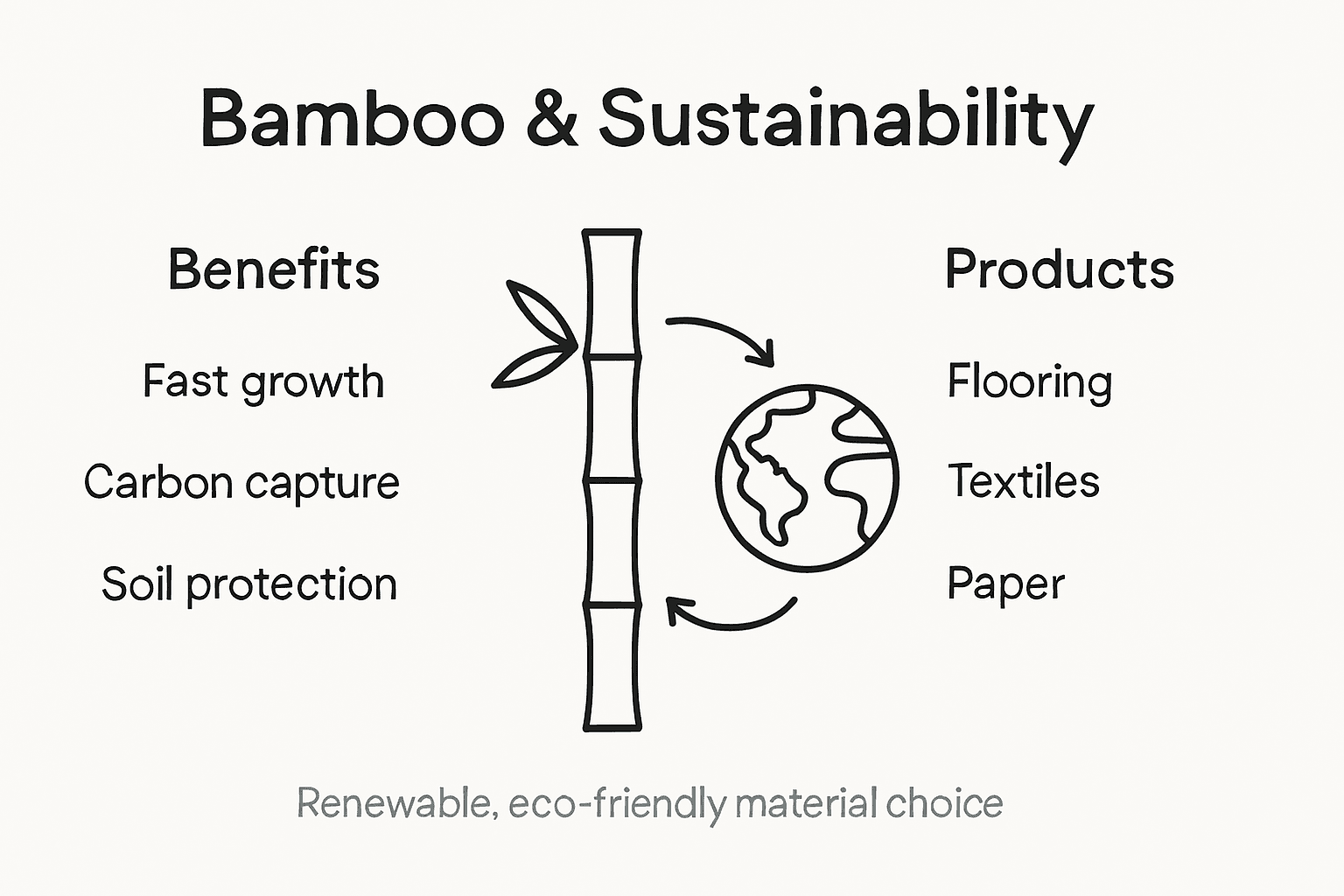
The EPA’s sustainability framework emphasizes holistic approaches that integrate environmental health with economic opportunities. Bamboo cultivation directly supports these goals by providing multiple ecological benefits, including soil conservation, rapid carbon capture, and habitat preservation while simultaneously creating economic opportunities for local communities.
Key sustainability contributions of bamboo include:
Pro tip: When evaluating sustainable materials, consider bamboo’s comprehensive environmental profile beyond simple carbon metrics to understand its full ecological potential.
Material sustainability requires comprehensive evaluation beyond simple performance metrics. Research contrasts bamboo with traditional reinforcing materials, revealing its remarkable potential as an alternative to steel and hardwood, with comparable mechanical properties and significantly lower environmental impact. While challenges exist in processing and durability, bamboo presents a compelling sustainable solution for modern manufacturing and construction needs.
Sustainable materials management principles emphasize lifecycle assessments that consider total environmental footprint. Bamboo consistently outperforms metal and plastic alternatives, demonstrating lower carbon emissions, faster renewability, and reduced resource extraction requirements. Its growth cycle and production process generate substantially less environmental stress compared to traditional industrial materials.
Key comparative advantages of bamboo include:
Here’s how bamboo compares to common building materials in sustainability and performance:
| Attribute | Bamboo | Timber | Steel |
|---|---|---|---|
| Renewable Cycle | 3-5 years | 20-50 years | Not renewable |
| Embedded Carbon | Very low | Moderate | Very high |
| Structural Strength | High; flexible | High; rigid | Highest; rigid |
| Biodegradability | Fully biodegradable | Partially biodegradable | Not biodegradable |
| Processing Impact | Low energy use | Moderate energy use | Extremely high energy use |
| Water Use | Minimal | Substantial | None |
| Waste Generation | Minimal | Moderate | High |
Pro tip: When evaluating material sustainability, look beyond initial performance metrics and consider the entire lifecycle environmental impact of your chosen resource.
Sustainable material selection requires nuanced understanding of both benefits and potential risks. Research reveals critical processing challenges in bamboo production, highlighting technical complexities that can undermine environmental advantages. Shrinkage, drying stress, and potential product defects demand advanced treatment methods to ensure bamboo’s ecological promise remains intact through responsible manufacturing practices.
Local ecological management guidelines emphasize the importance of responsible bamboo cultivation, particularly regarding species selection and root containment. Invasive bamboo varieties pose significant risks to native ecosystems, potentially displacing local flora and damaging infrastructure through aggressive root systems. Conscious selection of non-invasive clumping varieties and strategic planting methods are crucial for maintaining environmental integrity.
Key considerations for responsible bamboo use:
The following table summarizes key factors to ensure responsible bamboo use:
| Factor | Why It Matters | Best Practice |
|---|---|---|
| Species Selection | Controls invasiveness | Choose clumping bamboo |
| Root Management | Protects native flora | Use containment barriers |
| Ecological Assessment | Prevents ecosystem disruption | Consult local experts |
| Sourcing Certification | Verifies sustainability | Purchase certified products |
| Growth Monitoring | Prevents spread | Monitor and prune regularly |
| Biodiversity Impact | Maintains local species | Prioritize native habitats |
Pro tip: Before introducing bamboo to any landscape, consult local ecological experts to ensure your choice supports rather than disrupts native environmental systems.
The article highlights bamboo’s incredible environmental benefits including rapid carbon absorption, soil stabilization, and biodegradable qualities. If you value sustainable alternatives that support ecological restoration and reduce environmental impact make your everyday choices count with stylish and durable bamboo products from Cozee Bay. Our handcrafted bamboo paper towel dispensers and organizers embody the very principles of responsible material selection discussed in the article such as renewable growth cycles and low water usage.

Take action now by replacing plastic and wasteful options with eco-friendly bamboo products designed for both home and commercial use. Explore our curated collection that supports sustainability goals without sacrificing function or style. Discover how you can bring the proven benefits of bamboo into your space at Cozee Bay. Browse the variety of eco-conscious solutions like paper towel dispensers and drawer organizers crafted for lasting impact. Visit Cozee Bay’s homepage today to join a community that prioritizes environmental health and innovation.
Learn more about our commitment to quality and sustainability by viewing detailed product descriptions and customer reviews directly on Cozee Bay.
Bamboo offers significant environmental benefits, including rapid carbon sequestration, minimal water requirements for growth, natural soil stabilization, and reduced erosion. Additionally, bamboo is biodegradable and can replace non-renewable resources.
Bamboo grows much faster than traditional timber, with a renewal cycle of 3-5 years compared to 20-50 years for timber. It also has very low embedded carbon, minimal water consumption during production, and is fully biodegradable, making it a more sustainable material.
Bamboo types are broadly categorized into clumping and running species. Clumping bamboo is suited for landscaping and controlled environments, while running bamboo can be used for larger ecological restoration projects. Both types have various applications, including construction materials, furniture, textiles, and erosion control.
When using bamboo, it’s essential to select non-invasive clumping varieties, manage root growth to protect native flora, and source bamboo from certified sustainable providers. Consulting local ecological experts can help ensure that bamboo complements rather than disrupts the local ecosystem.
Comments will be approved before showing up.