Your Cart is Empty


“Eco-friendly” means designed to have little or no damaging effect on the environment, according to Cambridge Dictionary. It’s a plain description of intent and outcome, not a certification.
To judge whether a product actually lives up to the label, check three things fast:
We’ll walk through what “little or no damaging effect” really requires, how it differs from “sustainable” and “green,” and how to spot a claim that’s all packaging and no proof.
Genuine eco-friendliness depends on full life-cycle performance and third-party verification, not a single green-sounding material or an unproven label.
| Point | Details |
|---|---|
| Definition comes first | Eco-friendly means little or no damaging effect on the environment, per dictionary and EPA standards. |
| Life cycle beats single attributes | Judge sourcing, manufacturing, transport, use, and disposal together, not one feature alone. |
| Certifications are checkable | Look for FSC, GOTS, ENERGY STAR, USDA Organic, or B Corp instead of vague green badges. |
| Greenwashing has red flags | Vague language, missing proof, and hidden trade-offs signal a claim worth questioning. |
| Durability drives real impact | Repairable, refillable, and long-lasting products cut waste more than disposable “green” swaps. |
Merriam-Webster defines eco-friendly as not being environmentally harmful, but that definition only means something once you trace a product from birth to disposal. The EPA’s life-cycle assessment framework breaks that journey into five stages: raw materials, manufacturing, transport, use, and end-of-life. A product can win at one stage and lose badly at another.
Here’s where it gets tricky. Bamboo grows fast and needs no pesticides, which sounds like an automatic win. But if that bamboo gets shipped across oceans, processed with harsh chemical solvents, and packaged in single-use plastic, the finished product’s footprint looks a lot different than the raw material story suggested. One good attribute doesn’t cancel out four bad ones.
When you’re sizing up a product, look for:
Pro Tip: If a brand publishes an actual life-cycle assessment or emissions data on its product page, that’s a stronger signal than any amount of green packaging. Companies that have nothing to hide usually show their work.
These words get thrown around like synonyms, but they carry different weight. Understanding the difference keeps you from either underestimating or overestimating a claim.
A bamboo cutting board can be eco-friendly because it’s biodegradable and grown without heavy inputs. A company can be sustainable only if it also pays fair wages and sources that bamboo without destroying local ecosystems.
Concrete examples make this concept stick better than any definition. Common categories include refillable cleaning containers, ENERGY STAR-rated appliances, repairable furniture, compostable food scraps and packaging, and durable goods built to outlast their cheap disposable alternatives.
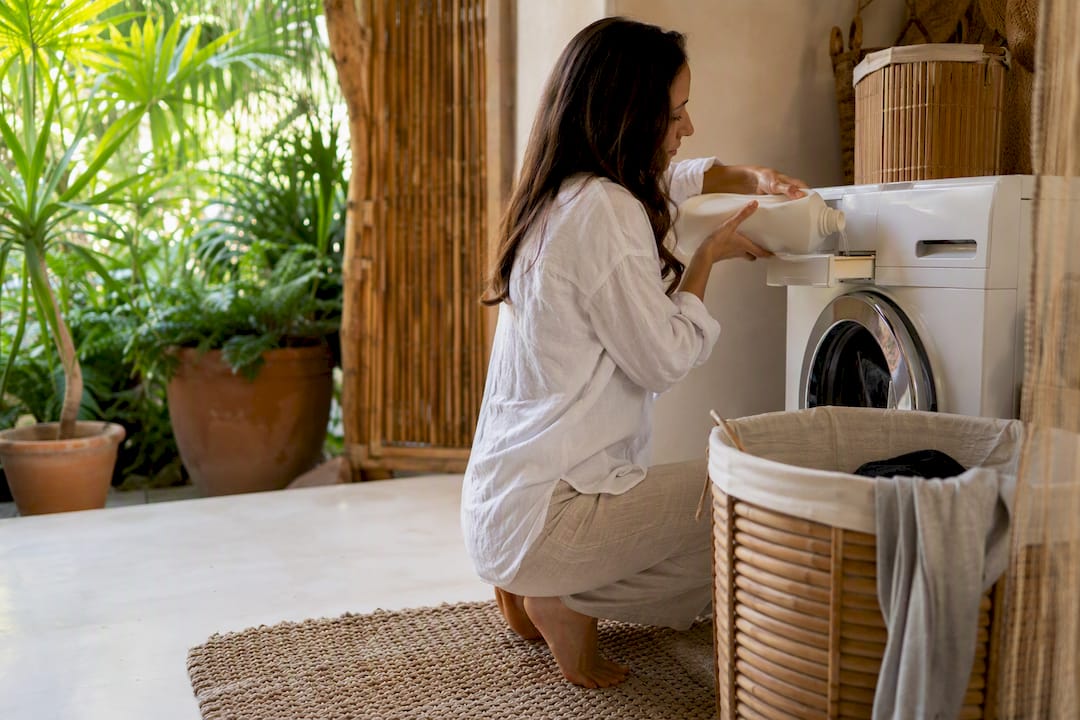
Here’s a classic mistake: a “biodegradable” phone case made from corn-based plastic sounds great, but it often needs an industrial composting facility to actually break down. Dropped in a regular landfill, it behaves almost exactly like regular plastic. Material alone never tells the full story.
For home and small-business settings, look at:
Greenwashing is a recognized, ongoing problem. The United Nations warns that vague environmental claims mislead consumers and actively slow climate progress. Watch for these tactics:
Ask these three questions before you trust a label:
The FTC Green Guides require marketers to substantiate environmental claims with specific, verifiable evidence rather than broad assurances. That guidance exists because “eco-friendly” alone, stamped on a box, legally promises nothing. Give any claim sixty seconds: scan the packaging or website for a certification number, check where the material came from, and search the brand name plus “sustainability report” before you check out.
Certifications matter because they’re narrow and checkable, unlike a self-applied “eco” badge. When you’re scanning a label or product page, look for:
A few certifications worth recognizing:
Pro Tip: Most certifications publish a public registry. If a product claims FSC certification, search the certificate number on the FSC’s own database before you trust the sticker. Our guide to selecting eco-friendly products for home and business walks through this in more depth.
Small, consistent choices beat one dramatic overhaul. Prioritize in this order:
Everyday shopping gets easier once you internalize one rule: buy less, but buy better. Look for products with clear disposal instructions printed right on the packaging, so you’re not guessing at the end of their life.
Pro Tip: If you’re sourcing for multiple locations, like a restaurant chain or office network, ask suppliers directly for a life-cycle summary and confirm replacement parts are actually available before you commit to a bulk order.
Single-attribute claims routinely mislead. A material can be renewable at the source and still carry a heavy footprint by the time it reaches a shelf, depending on processing and shipping choices along the way.
“A truly eco-friendly product must be evaluated across sourcing, manufacturing, transportation, use, and disposal.” That’s the standard the EPA’s life-cycle assessment framework sets, and it’s the same standard that separates a genuine claim from a marketing slogan.
If you want to go deeper on any single stage, life-cycle assessment resources from environmental agencies typically break down sourcing, energy use, and disposal pathways in far more technical detail than any product label ever will.
I’ve spent enough time reading eco claims to know most of them collapse the moment you ask where the proof is. What holds up is durability. A dispenser or organizer that lasts a decade, gets repaired instead of replaced, and biodegrades responsibly at the end of its life does more real good than a dozen products wearing a green label.
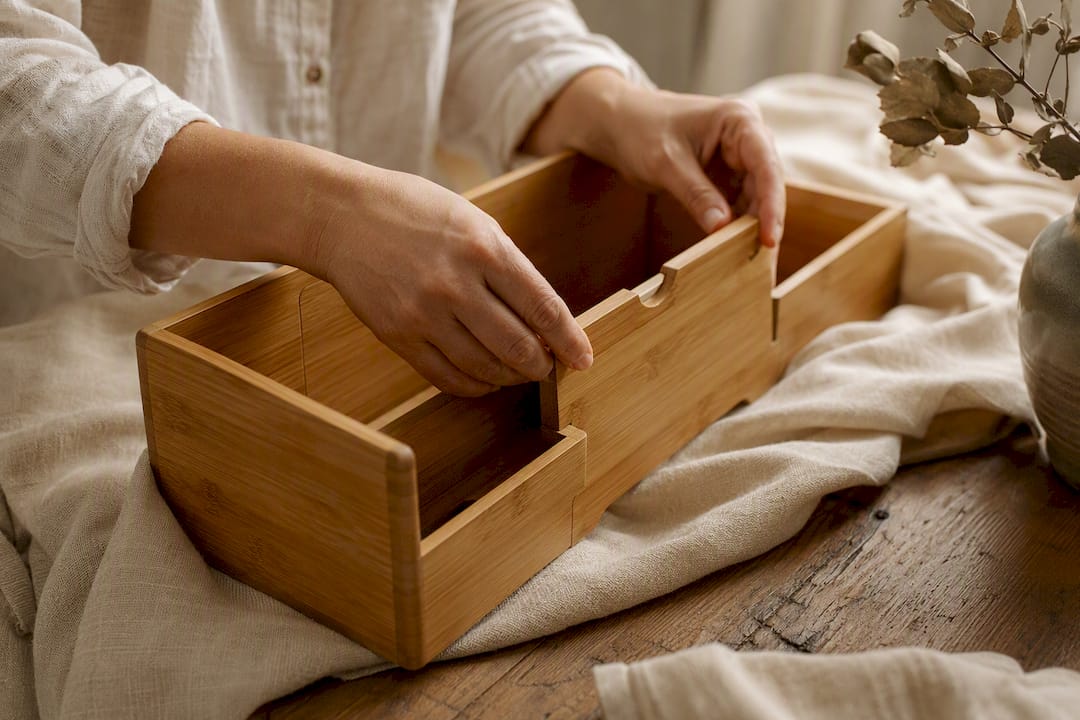
Pick one single-use item in your home this week and replace it with something built to last. That’s the whole habit. A well-made bamboo organizer is a solid place to start.
For definitions, start with Merriam-Webster or Cambridge Dictionary. For life-cycle thinking, the EPA’s archived LCA guidance remains a solid technical primer. For claim verification, the FTC Green Guides and the United Nations’ greenwashing overview explain what regulators expect from marketers.
If you’d rather browse durable, handcrafted bamboo products built around these exact life-cycle principles, Cozee-bay’s catalog is a good place to start.
What does eco friendly mean in simple terms? It means a product, practice, or company is designed to cause little or no damage to the environment, based on how it’s sourced, made, used, and disposed of.
What is the difference between eco friendly and sustainable? Eco-friendly focuses specifically on environmental harm, while sustainable typically includes social and economic factors alongside environmental ones.
How do I know if a product is really eco friendly or just greenwashed? Check for a specific third-party certification, published sourcing or life-cycle information, and disposal instructions. Vague claims with no proof behind them are the biggest red flag.
What are some examples of eco friendly practices at home? Composting food scraps, choosing refillable containers over single-use ones, repairing furniture instead of replacing it, and buying ENERGY STAR appliances all count as eco-friendly practices.
Are bamboo products automatically eco friendly? Not automatically. Bamboo grows quickly with minimal inputs, but the final product’s impact also depends on manufacturing methods, chemical finishes, and shipping distance.
Comments will be approved before showing up.