Your Cart is Empty


A green home is a residence designed and operated to minimize energy use, reduce water consumption, support healthier indoor air quality, and lower its overall environmental impact across its entire lifecycle. The U.S. Department of Energy and the U.S. Environmental Protection Agency both recognize that homes built or retrofitted to these standards consistently outperform conventional housing on cost, comfort, and health. ENERGY STAR certification is one of the most widely used benchmarks for verifying that performance in the U.S. market.
If you’re trying to figure out where to start, here are three moves that pay off most:
A green home reduces energy use, water consumption, and indoor pollutants through verified design and material choices, with a professional energy audit as the most reliable first step.
| Point | Details |
|---|---|
| Definition | A green home minimizes energy, water, and environmental impact while supporting healthier indoor air quality. |
| Start with an energy audit | A professional audit benchmarks your home and ranks upgrades by impact before you spend a dollar. |
| Fabric-first, then systems | Seal and insulate before upgrading HVAC or adding solar to avoid oversizing and wasted investment. |
| Use certifications and incentives | Programs like ENERGY STAR, LEED, and NGBS verify performance; federal and state incentives can offset upfront costs. |
The term “sustainable home” covers a lot of ground, so it helps to break it into five concrete categories. Each one addresses a different way your house interacts with energy, water, materials, and the people living inside it.
Energy efficiency (envelope, HVAC, appliances). A tight building envelope, properly sized HVAC, and ENERGY STAR-rated appliances work together to cut electricity and gas bills. High-performance triple-pane windows, for example, can reduce heat loss through glazing by roughly half compared to standard double-pane units.
Water efficiency (fixtures and landscape). Low-flow showerheads, dual-flush toilets, and drip irrigation all reduce household water draw. Look for products carrying the EPA WaterSense label, which certifies at least 20% greater efficiency than standard models.
Sustainable materials (low-embodied-carbon, recycled, low-VOC). Green home building materials include reclaimed wood, recycled-content insulation, and low-VOC paints and adhesives. Choosing these reduces both the carbon locked into the structure and the chemical load in your air.
Indoor air quality (ventilation, filtration, low-VOC finishes). Proper mechanical ventilation, MERV-rated air filtration, and low-VOC or zero-VOC finishes keep pollutant levels down where you breathe. The EPA Indoor airPLUS program sets verified construction criteria specifically to address this.
Site and passive design (orientation, shading, stormwater). Where a home sits on its lot, which direction it faces, and how trees and overhangs are positioned can dramatically reduce heating and cooling loads before a single piece of mechanical equipment is installed. Native plantings and permeable paving also manage stormwater runoff and support local biodiversity.
Pro Tip: Seal air leaks and add insulation before upgrading your HVAC system. A leaky, under-insulated house will underperform even the most efficient heat pump, and you’ll have paid for capacity you don’t need.
Pro Tip: When replacing a gas furnace or water heater, consider a heat pump alternative. As the U.S. grid gets cleaner, an electric heat pump’s lifecycle emissions keep falling without any further action on your part, according to DOE guidance on electrification.
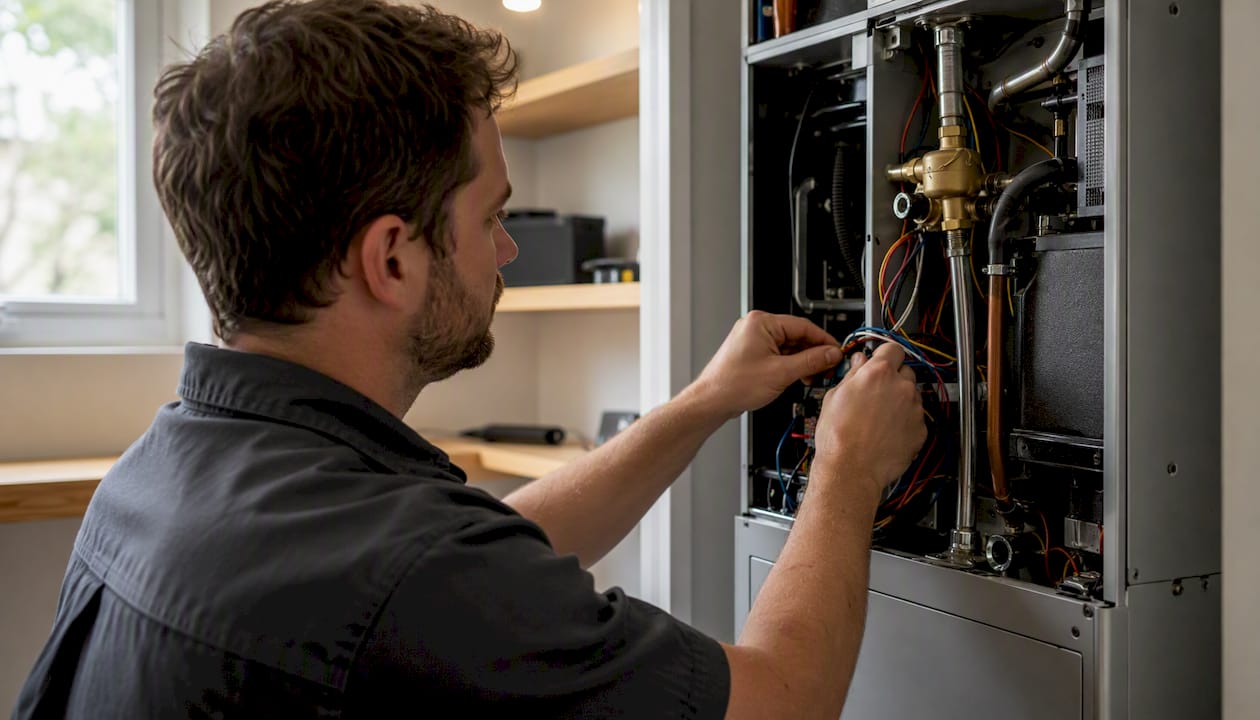
Green homes lower operating costs and can meaningfully improve occupant health and comfort. Those two benefits tend to reinforce each other: a tighter, better-ventilated home costs less to heat and cool while also reducing exposure to mold, allergens, and combustion byproducts.
On the energy side, the U.S. Energy Information Administration’s residential consumption data shows that space heating and cooling account for the largest share of household energy use, making the building envelope the highest-leverage target for savings. PNNL technical analysis of building efficiency measures confirms that envelope improvements and efficient HVAC consistently deliver the strongest energy reductions across U.S. climate zones.
Statistic to know: ENERGY STAR-certified homes are built to be significantly more energy efficient than standard new construction, with verified performance tested by a third-party rater before the certificate is issued.
The health picture is equally compelling. Research on multifamily public housing found that children in green-certified homes experienced substantially lower rates of asthma symptoms and asthma attacks compared to those in conventional units, alongside fewer instances of mold, pests, and inadequate ventilation. The study’s findings are consistent with what building scientists have observed for years: reducing moisture intrusion, improving ventilation, and eliminating combustion appliances inside the living space all reduce common respiratory triggers.
Here’s what homeowners typically gain:
“Green home” is not a tightly regulated term. Anyone can slap it on a listing. Certifications matter because they provide independent, third-party verification against defined performance thresholds, as the ENERGY STAR green home certification programs framework illustrates. Here’s how the major U.S. programs compare:
| Certification | What it measures | Typical performance threshold | Cost/complexity to achieve | Best use case | U.S. availability |
|---|---|---|---|---|---|
| ENERGY STAR for New Homes | Energy efficiency, building envelope, HVAC, water heating | Must meet EPA’s National Program Requirements; third-party rater required | Low to medium | New construction, affordable housing | Nationwide; builder and rater network |
| LEED for Homes | Energy, water, materials, IAQ, site, innovation | Points-based (Certified, Silver, Gold, Platinum) | Medium to high | New build or major renovation; luxury and custom homes | Nationwide; GBCI-administered |
| Passive House (PHIUS) | Airtightness, heating/cooling demand, primary energy | Strict energy demand and airtightness limits | High | New build; near-net-zero goal; cold climates | Growing U.S. network via PHIUS |
| NGBS (National Green Building Standard) | Energy, water, land, resources, IAQ, owner education | Bronze, Silver, Gold, Emerald tiers | Low to medium | New homes and remodels; production builders | Nationwide; NAHB-administered |
| WaterSense (EPA) | Water efficiency of fixtures and irrigation | At least 20% more efficient than standard | Low | Any home; fixture-level or whole-home | Nationwide; product labeling |
| Indoor airPLUS (EPA) | Indoor air quality, ventilation, moisture, pest management | Add-on to ENERGY STAR; verified construction practices | Low to medium | New construction; health-focused buyers | Nationwide; EPA-administered |
A few practical notes:
Green upgrades almost always add upfront cost. The honest answer is that the premium varies widely depending on whether you’re building new or retrofitting, your climate zone, and how far up the performance ladder you want to climb. What’s consistent is that the operating savings accumulate over time and often outpace the initial investment.
For a new build, the incremental cost of meeting ENERGY STAR or NGBS standards over standard code construction tends to be modest because the efficiency measures are designed in from the start. A deep retrofit of an existing home is a different story: you’re paying to undo decisions made decades ago.
Typical upgrade cost ranges (U.S. averages, varies by region and home size):
A simple payback example: Sealing air leaks and adding attic insulation in a drafty older home can reduce heating and cooling energy use noticeably. If the work costs $2,000 and saves $300 per year in energy bills, the simple payback is under seven years, with savings continuing for the life of the home.
Pro Tip: Before claiming any federal energy tax credits, check the IRS guidance and your utility’s rebate programs. The Inflation Reduction Act created or expanded credits for heat pumps, insulation, windows, and solar, and stacking federal credits with state or utility rebates can dramatically shorten payback periods.
For incentives, start with the DOE Efficient New Homes Program resources and your state energy office. The Database of State Incentives for Renewables and Efficiency (DSIRE) is the most comprehensive U.S. incentive database and is free to search by zip code.
Start with an energy audit. Every other decision flows from knowing where your home actually loses energy and water. Here’s the priority sequence that building professionals and the NAHB sustainability guidance consistently recommend:
Questions to ask your contractor before hiring:
Pro Tip: Always do fabric-first work before installing solar. A well-sealed, well-insulated home needs a smaller solar array to reach net-zero, which means lower upfront cost and faster payback on the panels.
Green homes have real trade-offs, and going in with clear eyes saves frustration later. The most common ones:
The best mitigation for most of these risks is straightforward: use certified programs, get an independent energy audit, and insist on third-party verification rather than self-reported claims. Choosing contractors who hold BPI (Building Performance Institute) or RESNET credentials gives you a meaningful quality check.
Three short U.S. examples show the range of what’s achievable across different budgets and project types.
Modest retrofit, older single-family home (Midwest). A homeowner in a 1960s ranch house invested in attic air sealing, blown-in insulation, and a smart thermostat. The result was a 20–30% reduction in annual heating and cooling energy use, consistent with the efficiency gains documented in PNNL building efficiency research. Total project cost was offset partly by utility rebates and a federal tax credit.
New small home build, near-net-zero (Pacific Northwest). A 1,200-square-foot home built to Passive House standards achieved heating demand so low that a small electric resistance backup was sufficient alongside a heat pump. The DOE’s Efficient New Homes Program highlights similar projects as models for what’s achievable in new construction without exotic technology.
Multifamily project with ENERGY STAR and Indoor airPLUS (Southeast). A 48-unit affordable housing development earned both ENERGY STAR and Indoor airPLUS certification. Residents reported fewer respiratory complaints, and property managers noted lower maintenance calls related to moisture and mold. The dual certification addressed both operating cost and occupant health in a population that often has limited ability to relocate away from poor housing conditions.
A professional energy audit is the highest-value first step you can take, full stop. Without it, you’re guessing at priorities. With it, you have a ranked list of upgrades specific to your home, your climate, and your utility rates.
A thorough audit typically includes:
To find a qualified auditor, start with your utility company (many offer subsidized audits), your state energy office, or the DOE’s Efficient New Homes Program resources. Look for auditors certified by BPI or RESNET, and ask for a written report with prioritized recommendations, not just a verbal summary. The NAHB sustainability overview also points homeowners toward professional assessment as the standard starting point for any serious retrofit investment.
The most common mistake homeowners make is trying to do everything at once. You don’t need to gut-renovate your house to live in a meaningfully greener home. Start with the high-impact, low-disruption actions: air sealing, insulation, and swapping out aging equipment for efficient alternatives when it fails. Those three moves alone can transform a drafty, expensive-to-run house into something noticeably more comfortable and cheaper to operate.
From there, layer in renewables and material upgrades as your budget and renovation schedule allow. Even small product choices matter. Swapping to low-VOC finishes, choosing bamboo or reclaimed-wood accessories, and replacing single-use plastics with durable, sustainably sourced alternatives all contribute to a healthier indoor environment. Cozee-bay’s sustainable home decor ideas are a good starting point if you want practical retail swaps that align with these principles without requiring a contractor. The goal isn’t perfection. It’s progress, in the right sequence, with your eyes open to both the benefits and the trade-offs.
These official U.S. sources cover the technical detail, incentive programs, and certification criteria referenced throughout this article:
Comments will be approved before showing up.