Your Cart is Empty


TL;DR:
- Sustainable home decor focuses on choosing durable, responsibly sourced materials that minimize environmental impact. Using verified certifications and reusing existing items enhances ecological sustainability, especially for renters and homeowners alike. Small, intentional adjustments, such as switching to LED lighting and secondhand furniture, significantly reduce environmental harm over time.
Sustainable home decor is defined as the practice of furnishing and styling your living space using materials, products, and methods that minimize environmental harm while maximizing durability and style. The industry term for this approach is “sustainable interior design,” and it covers everything from reclaimed and FSC-certified wood furniture to organic textiles certified by GOTS and OEKO-TEX. If you want your home to look good without the guilt, these eco-friendly home decor ideas give you a clear, practical path forward. You do not need to overhaul everything at once. Start with one room, one material, one swap.
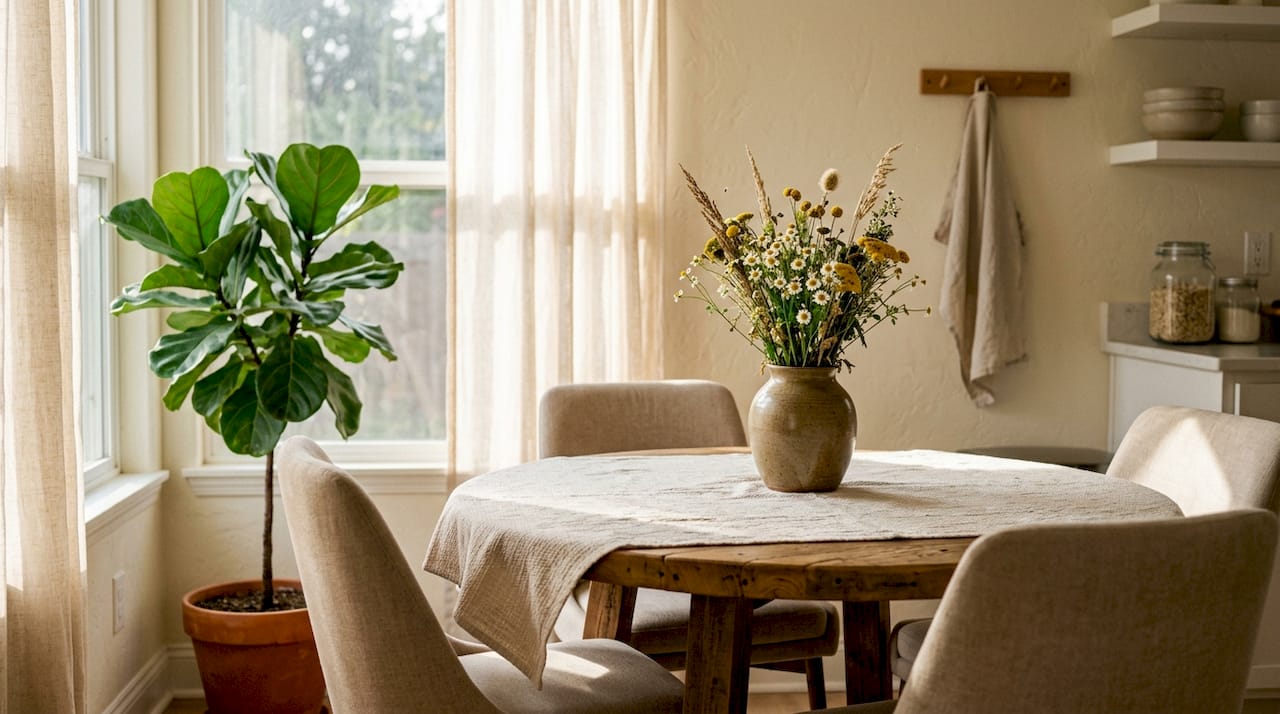
Furniture is the biggest investment in any room, so it is the right place to start your eco-friendly decorating journey. Reclaimed and FSC-certified wood are the two most recommended materials for sustainable furniture in 2026. Reclaimed wood repurposes timber that would otherwise end up in a landfill, while FSC certification guarantees the wood was harvested from responsibly managed forests.
Beyond wood, several renewable materials deserve a spot in your home:
Durability matters as much as material source. A solid bamboo side table that lasts 20 years beats a trendy piece that falls apart in two. Look for modular or repairable furniture designs so you can replace a leg or a cushion cover instead of the whole piece.
Pro Tip: Buy the best quality you can afford in furniture, even if it means buying less. One well-made reclaimed wood dining table outlasts three cheap alternatives and keeps far more waste out of landfills.
Textiles are where a lot of well-meaning shoppers get tripped up. Not all “natural” fabrics are created equal, and the certification on the label tells you more than the fiber content alone.
The four natural fibers worth prioritizing are:
GOTS and OEKO-TEX serve different but complementary roles. GOTS certifies the entire organic supply chain from raw fiber to finished product. OEKO-TEX tests the finished textile for harmful substances, regardless of how it was grown or processed. A fabric can carry both labels, and ideally, you want to see at least one of them before you buy.
Avoid conventional polyester and acrylic blends. These shed microplastics with every wash, and those particles end up in waterways. Swap your polyester throw pillows for linen or organic cotton covers. Replace synthetic curtains with undyed hemp panels. These are small changes that add up fast.
Pro Tip: When shopping for rugs or cushions, look for local artisan-made textiles. They often use traditional natural dyes and fibers, and buying local cuts the carbon cost of shipping.
Lighting and paint are two of the easiest and most impactful swaps you can make in any home, rented or owned. LED bulbs use 75% less energy and last up to 25 times longer than traditional incandescent bulbs. That means fewer replacements, less waste, and a noticeably lower electricity bill.
Paint is a less obvious but equally important choice. Traditional paints emit volatile organic compounds, or VOCs, long after the walls are dry. These compounds degrade indoor air quality and contribute to respiratory issues over time. Low-VOC and zero-VOC paints from brands like Benjamin Moore Natura, Sherwin-Williams Harmony, and Clare eliminate most of that risk. For the most reliable results, prefer third-party validated low emissions rather than relying on marketing claims alone.
Smaller decor accents also matter. Recycled glass vases, reclaimed metal candle holders, and handmade ceramics all add character without the environmental cost of mass-produced plastic items. Soy-based or beeswax candles burn cleaner than paraffin, which is a petroleum byproduct.
Biophilic design elements like houseplants, natural wood textures, and earth-toned palettes improve both aesthetics and indoor air quality. A cluster of pothos, snake plants, or peace lilies costs almost nothing and does more for your home’s atmosphere than most decorative accessories.
The single highest-impact sustainable strategy is to reuse and upgrade existing furniture before buying anything new. Repainting a dresser, reupholstering a sofa, or refinishing a coffee table dramatically reduces the carbon footprint compared to purchasing new pieces, even eco-certified ones.
When you do need to buy, secondhand and vintage sources are your best options:
Buying secondhand, vintage, and upcycled decor lowers waste and reduces demand for new production. It also adds a layer of individuality to your home that fast-furniture brands simply cannot offer.
Greenwashing is real, and it is worth taking seriously. Vague terms like “natural,” “green,” or “eco-friendly” on a label mean nothing without certification backing. Prioritize certifications that genuinely matter such as FSC, GOTS, OEKO-TEX, and Cradle to Cradle, and treat unverified marketing language with healthy skepticism. The Cozee-bay blog on identifying valid sustainability certifications is a solid starting point if you want a practical guide to spotting the real thing.
Pro Tip: Buy locally whenever possible. A handmade ceramic bowl from a local potter has a fraction of the carbon footprint of a similar item shipped from overseas, and you are supporting a real person’s craft.
Slow decorating is the opposite of fast furniture. Favor items that last and can be repaired or refreshed rather than replaced. This applies to renters just as much as homeowners. A quality linen duvet cover, a solid wood bookshelf, or a hand-knotted wool rug will serve you across multiple apartments and decades of life changes.
Intentional decorating also means buying less. Before you add anything new to your home, ask whether you already own something that could serve the same purpose with a little attention. A coat of chalk paint transforms a dated side table. New hardware updates a tired dresser. A fresh slipcover revives a worn sofa. Starting with what you own and improving it is the most sustainable move you can make.
Trends cycle fast, and chasing them is expensive in every sense. A neutral, material-focused home built around quality natural pieces stays relevant far longer than one assembled around whatever was popular last season.
Different living situations call for different strategies. The table below compares the most common sustainable decor materials across the factors that matter most, with notes on who each option suits best.
| Material | Durability | Renewability | Cost | Best For |
|---|---|---|---|---|
| Reclaimed wood | Very high | Moderate (repurposed) | Medium to high | Homeowners investing long-term |
| FSC-certified wood | High | High | Medium | Both renters and homeowners |
| Bamboo | High | Very high | Low to medium | Both; great for accessories and furniture |
| Cork | Medium | Very high | Low | Renters; easy to install and remove |
| Organic cotton textiles | Medium | High | Medium | Both; versatile for soft furnishings |
| Linen | High | High | Medium | Both; curtains, cushions, bedding |
| Recycled glass/metal | High | Moderate | Low to medium | Both; decor objects and lighting |
| Rattan | Medium | High | Low to medium | Both; lightweight and portable |
Renters benefit most from portable, non-permanent upgrades. Bamboo organizers, cork floor tiles, linen curtains, and secondhand furniture all move with you. Homeowners can invest in reclaimed wood flooring, built-in shelving from FSC-certified lumber, or custom upholstered pieces that add lasting value to the property.
The key for both groups is to combine material choice, durability, and ethical sourcing rather than simply buying products labeled “green.” Style and sustainability are not in conflict. The most beautiful homes tend to be the ones built with intention, patience, and real materials.
Sustainable home decor requires choosing durable, responsibly sourced materials, verified certifications, and reuse-first strategies to genuinely reduce environmental impact.
| Point | Details |
|---|---|
| Start with what you own | Repaint, repair, or repurpose existing pieces before buying anything new. |
| Certifications over claims | Look for FSC, GOTS, and OEKO-TEX labels; ignore vague “eco-friendly” marketing language. |
| LED and low-VOC are easy wins | Switching bulbs and paint improves air quality and cuts energy use with minimal effort. |
| Secondhand beats new | Vintage and thrifted decor reduces waste and adds character no mass-produced item can match. |
| Renters and homeowners differ | Renters should prioritize portable upgrades; homeowners can invest in permanent, long-lasting materials. |
The honest truth about eco-friendly decorating is that it rewards patience more than spending. When I started paying attention to where things came from and how long they would last, I stopped buying so much. That was the real shift.
The pieces I love most in my home are not the newest ones. They are a refinished oak side table I found at an estate sale, a set of linen curtains I have moved through three apartments, and a handmade ceramic mug that sits on a bamboo organizer from Cozee-bay. None of these were expensive. All of them were intentional.
What I have found is that certifications are worth learning once and then using as a filter, not a checklist. GOTS tells me the fiber was grown and processed cleanly. OEKO-TEX tells me the finished fabric is safe. Together, they answer the questions I used to spend hours researching. Once you know what to look for, shopping sustainably gets faster, not slower.
My advice: do not wait until you can afford a full eco-renovation. Start with one swap this week. A secondhand lamp, a low-VOC paint sample, a bamboo accessory that replaces a plastic one. The home you want builds itself gradually, and every good choice you make now is one you will not have to undo later.
— Cozee
If you are ready to put these ideas into practice, Cozee-bay makes it easy to start with the basics. The store carries a curated range of handcrafted bamboo products designed for real homes and real kitchens, from paper towel dispensers to drawer organizers, all built with durability and eco-consciousness in mind.

Cozee-bay ships free within the contiguous U.S. and backs every purchase with a money-back guarantee, so you can shop with confidence. Browse the full eco-friendly bamboo collection and find pieces that fit your space, your values, and your budget. For more guidance on materials and certifications, the Cozee-bay blog covers upcycled home products and eco-friendly decor ideas in depth.
Eco-friendly home decor refers to furnishings and accessories made from sustainable, non-toxic, or recycled materials that reduce environmental harm. It includes choices like FSC-certified wood furniture, organic cotton textiles, LED lighting, and low-VOC paints.
Look for third-party certifications like FSC, GOTS, or OEKO-TEX rather than trusting vague label claims like “natural” or “green.” Unverified marketing language is the most common sign of greenwashing in the home decor market.
Renters can use portable, non-permanent sustainable upgrades like bamboo accessories, cork tiles, linen curtains, and secondhand furniture that move easily between homes. These options deliver real eco impact without requiring permanent changes to the property.
The highest-impact action is to reuse and upgrade what you already own before buying anything new. Repainting, reupholstering, or refinishing existing furniture reduces carbon footprint more than purchasing new eco-certified pieces.
GOTS certifies the organic supply chain from raw fiber to finished product, while OEKO-TEX tests finished textiles for harmful chemical substances. Both certifications serve different purposes, and finding either one on a label is a reliable indicator of genuine sustainability.
Comments will be approved before showing up.