Your Cart is Empty


Finding the right balance between comfort, style, and sustainability can challenge even the most dedicated eco-conscious homeowner or interior designer. As cities grow and environmental concerns rise, smart choices in eco-friendly materials matter more than ever. This guide gives you a clear path to selecting core elements and bamboo products that unite modern design with responsible living, ensuring your urban space stands out for both its beauty and its low impact.
| Point | Details |
|---|---|
| Energy Efficiency is Crucial | An eco-friendly home must prioritize energy efficiency through effective insulation, air sealing, and renewable energy sources. |
| Water Conservation Practices are Essential | Implementing low-flow fixtures, rainwater harvesting, and greywater systems significantly contributes to sustainability. |
| Careful Material Selection Matters | Choose eco-friendly materials, such as bamboo and reclaimed resources, that enhance durability and reduce environmental impact. |
| Location and Design Planning are Key | Strategically planning home placement near public transport and employing passive solar design can reduce reliance on non-renewable energy. |
Creating an eco-friendly home starts with understanding the fundamental building blocks that make a space sustainable. These core elements work together to reduce environmental impact while improving your quality of life and lowering operating costs.
Energy efficiency forms the foundation of any green home. Ultra-efficient home design combines construction methods, appliances, and lighting systems with renewable energy sources like solar panels. The goal is creating an airtight, well-insulated structure that minimizes heating and cooling demands, allowing homes to produce as much energy as they consume.
Water conservation is equally critical in eco home design. Consider these water-saving strategies:
Material selection directly impacts your home’s environmental footprint. Sustainable homes prioritize eco-friendly materials that minimize waste and toxins. Natural, renewable resources like bamboo offer durability without depleting forests, while reclaimed or recycled materials reduce demand for new production.
Location and site planning matter more than most homeowners realize. Sustainable house design emphasizes choosing locations near public transport and infrastructure to reduce transportation emissions. Proximity to schools, shops, and workplaces decreases your reliance on vehicles.
Passive design strategies work with your local climate rather than against it. South-facing windows capture winter sun, while overhangs and landscaping provide summer shade. Natural ventilation reduces air conditioning needs, and proper insulation maintains comfortable temperatures year-round.
Indoor air quality protects your family’s health. Avoid off-gassing materials and chemical-laden finishes. Use low-VOC paints, natural flooring, and non-toxic adhesives throughout your home.
Smart eco homes integrate these elements thoughtfully—there’s no single “green” feature that makes a home sustainable. Success comes from addressing energy, water, materials, and location simultaneously.
Waste reduction extends beyond construction. Design storage solutions that organize belongings efficiently, reducing the impulse to buy duplicates. Bamboo organizers from how to select green home essentials help minimize clutter while maintaining a sustainable aesthetic throughout your space.
Pro tip: Start with an energy audit before making major changes. Identifying where your home loses heat or uses excessive energy guides your renovation priorities and maximizes your investment in sustainability.
Choosing the right materials is one of the most impactful decisions you’ll make when building or renovating an eco-friendly home. The materials you select determine your home’s durability, environmental impact, and long-term sustainability.
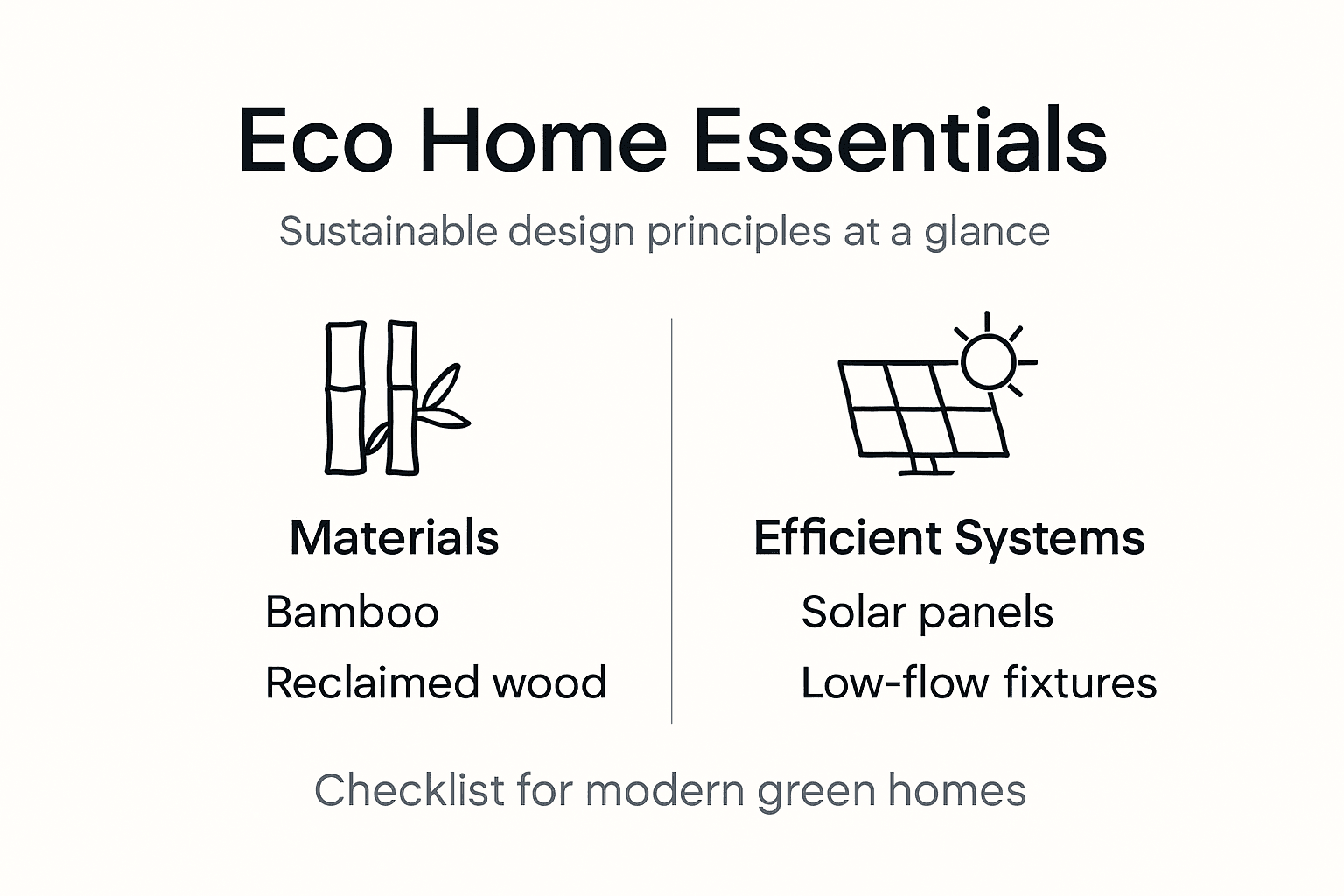
Natural and renewable materials form the backbone of green building. Bamboo stands out as a superior choice because it grows rapidly without requiring pesticides or fertilizers, regenerates naturally, and delivers strength comparable to hardwood. Sheep’s wool insulation provides excellent thermal and soundproofing properties while remaining biodegradable and non-toxic. Cork, reclaimed wood, and stone offer timeless durability with minimal processing requirements.
Recycled and reclaimed materials reduce demand for new resource extraction. Consider these sustainable options:
Sustainable building materials prioritize low embodied energy and high recyclability. Embodied energy refers to the total energy required to extract, transport, and process materials. Locally sourced materials minimize transportation emissions while supporting regional economies.
Designing for longevity and adaptability extends your home’s lifecycle. Reducing construction waste happens through modular design and mechanical fasteners that allow easy disassembly and reuse. This approach reduces waste and future demolition debris while preserving resources.
Low-VOC finishes protect indoor air quality. Paint, adhesives, and sealants release volatile organic compounds that harm health. Choose water-based paints, non-toxic stains, and formaldehyde-free adhesives throughout your project.
Bamboo products from energy-efficient home products offer practical sustainability in everyday items. Paper towel dispensers, drawer organizers, and storage solutions combine durability with aesthetic appeal while avoiding plastic waste.
Material selection isn’t just about what’s green—it’s about what performs well, lasts long, and supports a circular economy where products return to use rather than landfills.
Durability matters more than people realize. Premium sustainable materials cost more upfront but outlast cheaper alternatives, saving money and resources over time. A bamboo countertop lasts decades, while engineered materials often need replacement within years.
Here’s a comparison of key sustainable building materials and their primary benefits:
| Material | Sustainability Benefit | Durability |
|---|---|---|
| Bamboo | Rapidly renewable, low toxins | Decades of use |
| Cork | Naturally regenerates, low impact | Highly resilient |
| Sheep’s wool | Biodegradable, excellent insulation | Long-lasting with care |
| Recycled metal | Reduces mining demand | Corrosion-resistant |
| Reclaimed wood | Preserves forests, unique appearance | Can last generations |
Pro tip: Request Environmental Product Declarations (EPDs) from manufacturers before purchasing materials—these third-party certifications reveal the true environmental impact of building products and help you make genuinely informed choices.
Energy and water efficiency are the twin engines of eco-friendly homes. These systems work together to slash utility bills while dramatically reducing your environmental footprint.
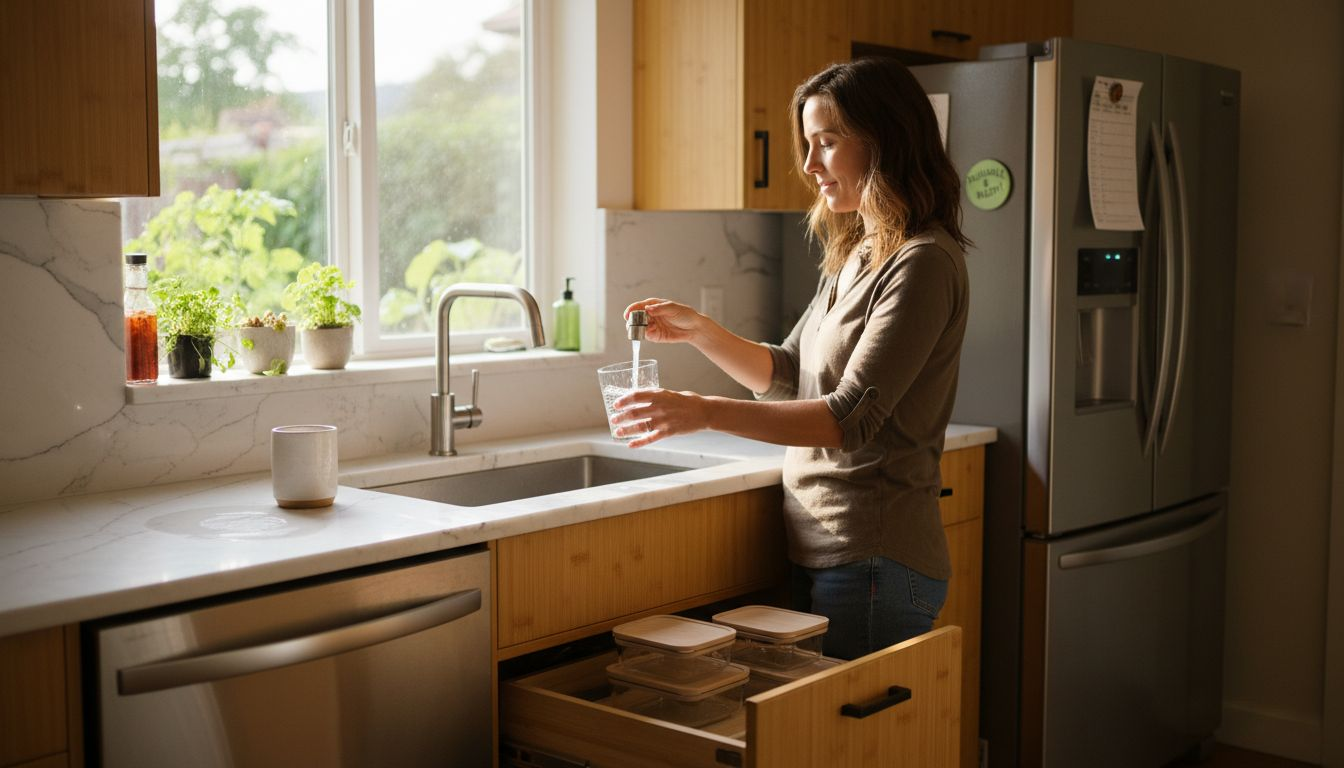
Energy efficiency starts with the building envelope. Proper insulation, air sealing, and high-performance windows create an airtight home that minimizes heating and cooling losses. Energy-efficient home design combines these fundamentals with strategic upgrades to lighting, water heating, and HVAC systems. Quality insulation in attics, walls, and basements prevents conditioned air from escaping, reducing the workload on heating and cooling systems.
Water conservation requires a multi-layered approach. Focus on these key strategies:
Passive solar design harnesses natural heat and light. South-facing windows capture winter sunlight, reducing heating demands. Overhangs and deciduous trees provide summer shade, naturally cooling your home without air conditioning strain. Strategic window placement and thermal mass materials like concrete or tile absorb heat during the day and release it at night.
Renewable energy systems amplify efficiency gains. Solar panels generate electricity, solar water heaters reduce heating costs, and heat pump technology efficiently moves heat rather than generating it. These systems work best when combined with a well-insulated, airtight home.
Lighting accounts for roughly 10 percent of home energy use. LED bulbs consume 75 percent less energy than incandescent options and last 25 times longer. Motion sensors and daylight harvesting systems automatically reduce lighting when natural light is available.
Green buildings integrate water conservation with efficient systems that protect local water supplies while reducing utility costs. Superior ventilation and natural daylight create healthier indoor environments alongside resource savings.
The most effective eco homes combine insulation, air sealing, efficient appliances, and renewable energy—no single upgrade creates sustainability alone.
Heat pump water heaters revolutionize hot water efficiency. They extract warmth from the air or ground rather than generating heat, cutting water heating energy use by 50 percent or more. Tank-less water heaters eliminate standby losses from storing heated water.
Demand-controlled ventilation brings fresh air only when needed. Sensors detect carbon dioxide levels or occupancy, automatically adjusting ventilation rates. This maintains indoor air quality while preventing energy waste from over-ventilating.
Pro tip: Conduct an energy audit before purchasing upgrades—many utility companies offer free or subsidized audits that identify your home’s biggest energy drains, allowing you to prioritize investments that deliver the highest return.
Every product you bring into your home sends a message about your values. Smart product choices multiply the impact of your eco-friendly design by replacing single-use items with durable, sustainable alternatives.
Bamboo stands out as nature’s renewable powerhouse. This grass regenerates in just 3-5 years without replanting, fertilizers, or pesticides. Bamboo’s rapid growth and natural strength make it ideal for everything from structural framing to kitchen organizers. Unlike timber trees that take decades to mature, bamboo sequesters carbon while providing consistent harvests that support both environmental and economic goals.
Bamboo products excel in everyday home use. Consider these practical applications:
Traditional treatment methods combined with modern technologies enhance bamboo’s durability for long-term household use. Modern production creates products that withstand daily wear while maintaining their natural aesthetic appeal.
Quality matters more than quantity in eco homes. One beautiful, durable bamboo organizer outlasts ten cheap plastic alternatives, reducing landfill waste while serving your space better. Handcrafted bamboo products develop character with age, becoming more valuable as time passes.
Beyond bamboo, explore these sustainable product categories. Cork offers natural insulation and flooring. Recycled glass becomes stunning countertops. Reclaimed wood transforms into furniture with history and charm. Linoleum (made from linseed oil) provides durable, non-toxic flooring.
Ceramics and stoneware replace plastic kitchenware. Glass storage containers eliminate toxic plastics near food. Linen and organic cotton textiles breathe better than synthetics while biodegrading at end of life.
The best eco product isn’t the greenest option—it’s the one you’ll actually use and keep for decades.
When selecting products, ask these questions. Will this item last at least 10 years? Can it be repaired if damaged? Is it made from renewable or recycled materials? Does the manufacturer have transparent environmental practices? Will it look good aging in your space?
Brand reputation matters. Companies specializing in sustainable products typically invest in responsible sourcing, fair labor practices, and minimal packaging. Reading reviews from long-term users reveals whether products truly last.
Pro tip: Invest in versatile, multi-functional bamboo products that serve several purposes—a beautiful paper towel dispenser on your counter becomes a design element while reducing plastic waste, making your sustainability visible and reinforcing daily eco-conscious choices.
Good intentions don’t guarantee good results. Many homeowners make costly mistakes in eco design that undermine their sustainability goals and drain budgets unnecessarily.
Location decisions made without foresight create long-term problems. A home far from public transit forces daily car commutes that dwarf your energy savings from solar panels. Poor location choices increase reliance on non-renewable energy and reduce resilience to natural disasters. Plan before purchasing—proximity to schools, shops, and employment matters more than you think.
Ignoring embodied energy is a silent budget killer. Materials requiring extensive processing, transportation, and manufacturing carry high environmental costs baked into their production. A locally sourced bamboo product beats an imported “eco-friendly” item every time. Consider where materials come from and how far they traveled to reach your home.
Common design mistakes that waste money and resources:
Poor ventilation and moisture control create health hazards. Inadequate air circulation traps allergens, mold spores, and chemical off-gassing inside your home. Healthy homes require proper ventilation and dry conditions that prevent pest infestations and structural decay. Install humidity monitoring to catch problems early.
Forgetting about maintenance makes eco homes fail. A beautiful bamboo product needs occasional care—drying after moisture exposure, light cleaning, and proper storage conditions. Neglected systems degrade faster than well-maintained ones, negating sustainability gains.
Underestimating costs is reality for many homeowners. Sustainable design choices require upfront investment that pays dividends over decades. Budget for quality materials, professional installation, and system monitoring rather than cutting corners with cheap alternatives.
Use this table to quickly see common eco home mistakes and practical prevention strategies:
| Mistake Type | Example Issue | Best Prevention |
|---|---|---|
| Location planning | Home far from transit | Prioritize walkable sites |
| Material selection | High embodied energy | Choose local, low-impact |
| HVAC oversizing | Wasted energy and money | Right-size after audit |
| Moisture control | Mold growth risk | Install ventilation, monitor |
| Product durability focus | Choosing style over substance | Prioritize lifetime value |
The biggest mistake isn’t choosing the wrong material—it’s rushing decisions without understanding your home’s unique climate, location, and lifestyle needs.
Chemical contamination sneaks into eco homes through finishes, adhesives, and treatments. Volatile organic compounds off-gas for months, harming indoor air quality. Choose low-VOC everything—paints, sealants, insulation, and flooring.
Imbalanced design priorities create inefficiency. Adding solar panels to a leaky, poorly insulated home wastes money. Fix the envelope first, then add renewable systems. Energy audits reveal your actual priorities before spending.
Pro tip: Hire a certified green building consultant for initial design reviews—catching mistakes in planning stages costs hundreds, not thousands, and prevents the heartbreak of discovering problems after construction.
Building a truly green home means paying attention to every detail from energy efficiency to durable, eco-friendly products. The article highlights the importance of choosing sustainable materials that last and support a circular economy. If you want to complement your eco home design checklist with premium bamboo products that reduce waste and add natural beauty, explore our curated collection at Cozee Bay. Our handcrafted bamboo organizers, dispensers, and storage solutions are designed to enhance your sustainable lifestyle by replacing plastic clutter with renewable, lasting craftsmanship.

Ready to make impactful eco-friendly choices that balance function and style? Visit Cozee Bay now to shop paper towel dispensers, drawer organizers, wrap and foil dispensers, and more. Enjoy free shipping in the contiguous U.S. and a money-back guarantee to ensure your satisfaction. Take the next step in your green living journey by integrating premium bamboo products that support your home’s health and sustainability goals.
Creating an eco-friendly home involves several core elements, including energy efficiency, water conservation, sustainable material selection, strategic location planning, passive design strategies, and maintaining indoor air quality.
To improve water conservation, consider installing low-flow fixtures, utilizing rainwater harvesting systems, opting for drought-tolerant landscaping, and implementing greywater systems to recycle water from sinks and showers.
Opt for natural and renewable materials like bamboo, cork, and reclaimed wood, as well as recycled materials like metal and glass. These options not only reduce environmental impact but also enhance durability and longevity.
Energy efficiency is crucial as it minimizes heating and cooling demands, reducing overall energy consumption. This is achieved through proper insulation, air sealing, and incorporating energy-efficient systems and renewable energy sources like solar power.
Comments will be approved before showing up.