Your Cart is Empty


Many assume bamboo is fragile and unsuitable for everyday use. That’s a myth. Treated bamboo products routinely last over a decade in demanding commercial settings, boasting tensile strength that rivals oak and moisture resistance that surpasses many hardwoods. This guide explains the science and practical reality of natural durability of bamboo, helping you make confident, sustainable choices for your home or business.
| Point | Details |
|---|---|
| Proper treatments improve moisture resistance | Heat-treated bamboo reduces moisture absorption by up to 30%, making it highly resistant to humid conditions. |
| Bamboo’s tensile strength rivals hardwoods | Bamboo tensile strength ranges from 140-280 MPa, often exceeding oak’s 100-160 MPa. |
| Misconceptions about fragility are outdated | Modern processing eliminates water sensitivity and brittleness concerns entirely. |
| Durable bamboo lasts over 10 years | Commercial and residential bamboo products deliver long-term performance with minimal maintenance. |
| Regular maintenance extends lifespan | Simple care routines preserve bamboo’s appearance and structural integrity for decades. |
Durability means how well a material resists wear, moisture, pests, and dimensional changes over time. For bamboo, durability determines whether a product holds up in heavy-use environments like restaurants, schools, and senior living centers. These settings test materials constantly through moisture exposure, physical impact, and temperature shifts.
Bamboo has gained popularity in recent years because it combines sustainability with impressive performance. Unlike slow-growing hardwoods, bamboo regenerates rapidly. That environmental advantage matters, but only if the product actually lasts. Poor durability creates waste, negating bamboo’s sustainability benefits. Durable bamboo products reduce replacement costs and environmental footprint simultaneously.
When choosing materials for your home or business, consider these durability factors:
Understanding bamboo’s durability helps you select products that deliver both environmental and financial value. The right choice pays off through years of reliable service, reduced maintenance, and lower replacement frequency.
Bamboo’s biological structure provides inherent durability advantages. The plant contains high levels of silica, a natural compound that deters fungi and insects. Many woods lack this built-in protection, making them vulnerable to pest damage and rot. Bamboo contains high silica and lignin content contributing to insect resistance and tensile strength, giving it a natural edge over conventional materials.
Lignin is another key component. This complex polymer gives bamboo exceptional tensile strength, often ranging from 140 to 280 MPa. Oak, by comparison, typically measures 100 to 160 MPa. That means bamboo can withstand significant pulling forces without breaking, making it suitable for structural and high-stress applications.
Moisture absorption is critical for any material used indoors or in humid climates. Bamboo absorbs less water than many hardwoods, typically around 8% compared to 12-18% for common woods. Lower absorption reduces the risk of swelling, warping, and microbial growth. These properties work together to create a material that naturally resists many common durability threats.
Key structural advantages include:
Pro Tip: Look for bamboo products sourced from mature harvests with documented high silica content. This ensures you get maximum natural durability from day one.
While bamboo starts with excellent natural properties, processing amplifies them significantly. Heat treatment, carbonization, and protective finishes transform good bamboo into exceptional material. These treatments address any remaining vulnerabilities, particularly moisture sensitivity in untreated bamboo.
Common treatments include:
These processes work in stages. First, heat treatment reduces the bamboo’s ability to absorb water, making it more stable in humid environments. Second, carbonization and chemical treatments enhance pest resistance beyond bamboo’s natural defenses. Third, protective finishes create a barrier against physical wear and liquid spills.
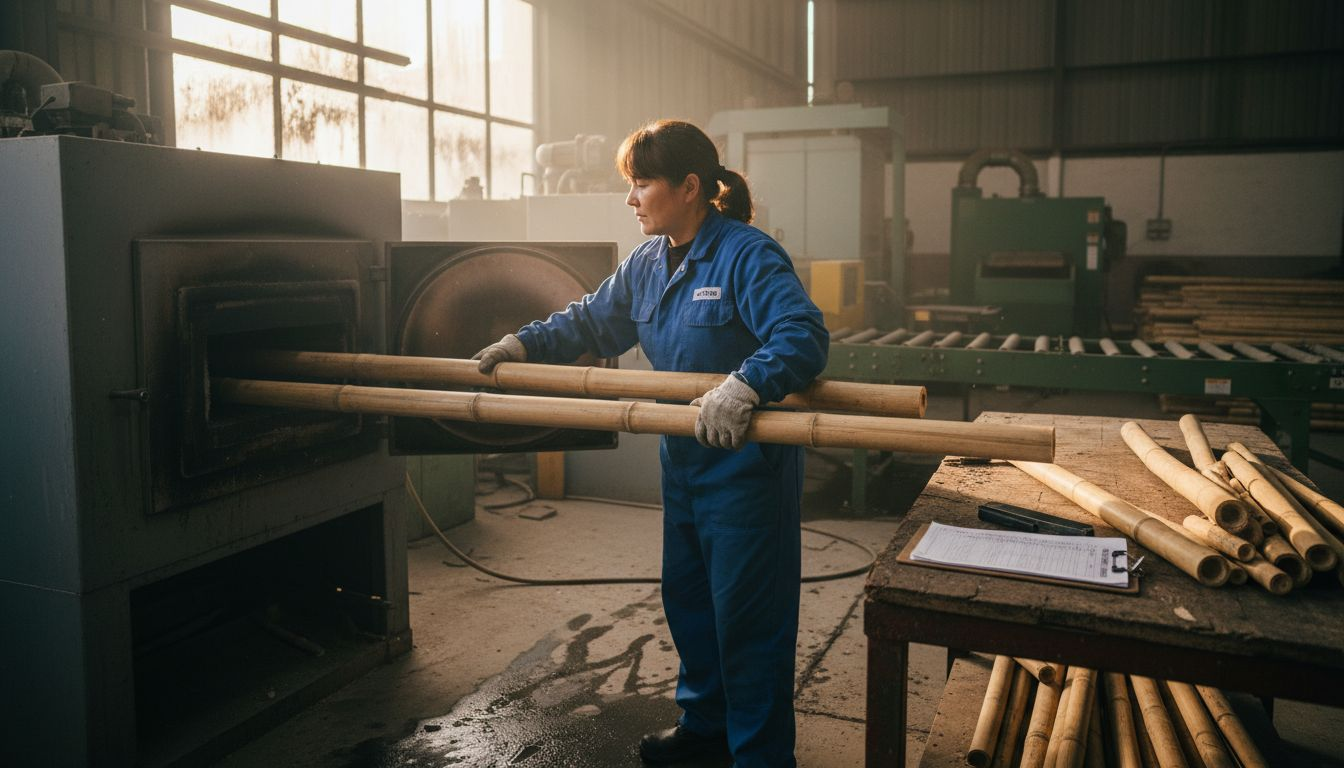
The impact is dramatic. Treated bamboo withstands conditions that would damage untreated material. In commercial kitchens, moisture-treated bamboo paper towel dispensers maintain their appearance and function for years despite constant exposure to steam and spills. The processing and treatment effects directly determine product lifespan and performance.
Pro Tip: Always verify that products carry certifications for their treatments. Reputable manufacturers document their processing methods, giving you confidence in durability claims.
Myth 1: Bamboo is inherently fragile. This belief stems from confusion with bamboo grasses or poorly processed products. High-quality treated bamboo lasts over 10 years in demanding commercial environments. The misconceptions about bamboo durability often come from experiences with low-grade items that skip essential treatments.
Myth 2: Bamboo can’t handle humidity. Untreated bamboo does absorb moisture, but modern treatments reduce water absorption by over 60%. Heat-treated bamboo performs excellently in kitchens, bathrooms, and other humid spaces. The key is proper processing, which creates moisture barriers that protect the material.
Myth 3: Bamboo has a shorter lifespan than hardwoods. Under proper care, bamboo often equals or surpasses traditional hardwoods. Its natural pest resistance and lower moisture absorption actually give it advantages in many settings. Commercial users report bamboo products outlasting wood equivalents, especially in high-humidity environments.
These misconceptions persist because not all bamboo products receive equal treatment. Cheap imports may skip crucial processing steps, creating products that fail quickly and reinforce negative stereotypes. Quality matters enormously in bamboo goods.
Key facts that counter common myths:
Clear information helps you distinguish quality bamboo from inferior alternatives. Understanding treatment processes and material science lets you make purchasing decisions based on facts rather than outdated assumptions.
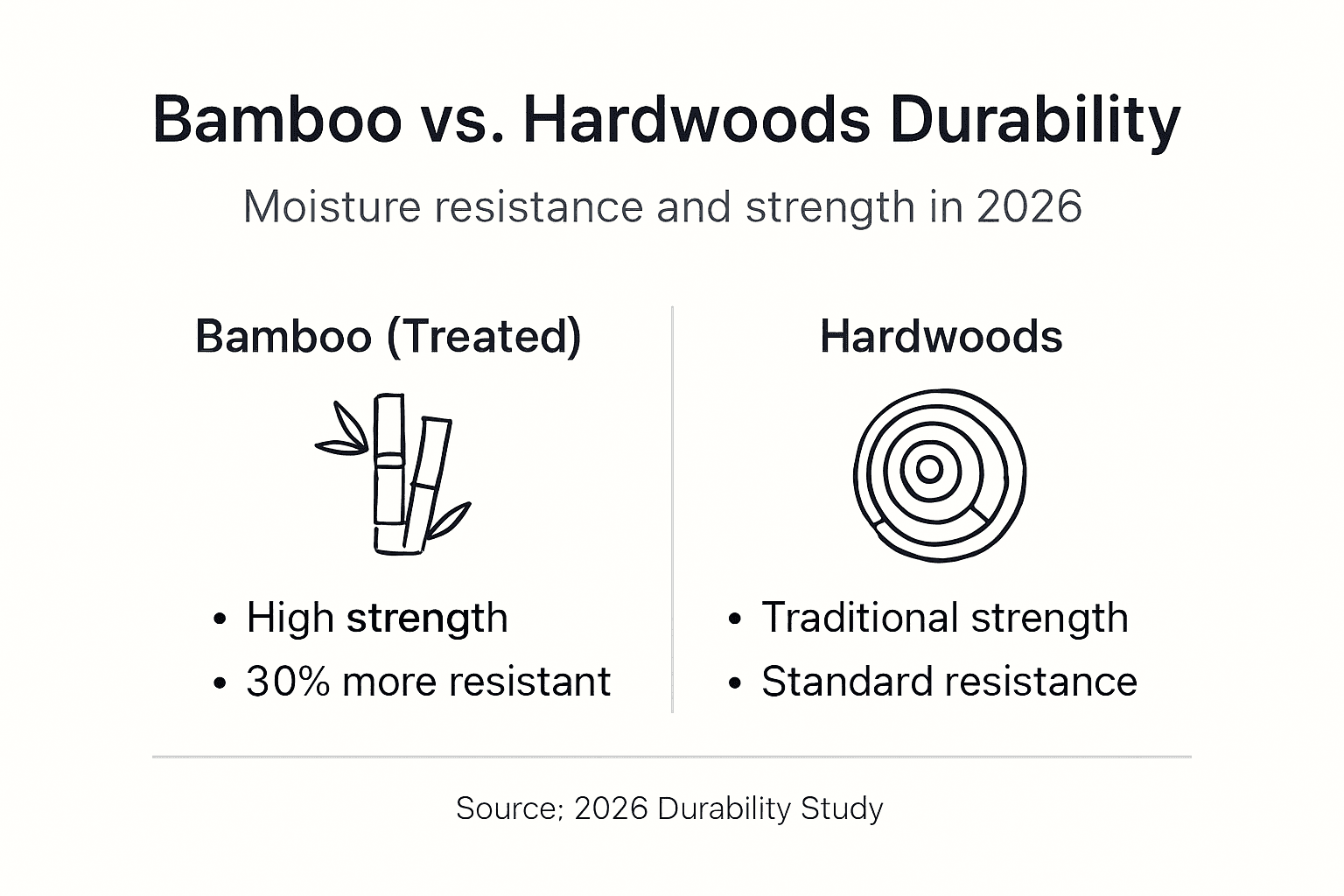
Direct comparisons reveal bamboo’s competitive advantages. The bamboo vs hardwoods durability comparison shows measurable differences across key performance metrics.
| Material | Tensile Strength (MPa) | Moisture Absorption (%) | Typical Lifespan (Years) | Environmental Impact |
|---|---|---|---|---|
| Bamboo (Treated) | 140-280 | 8 | 10-15+ | Renewable, biodegradable, low carbon |
| Oak Hardwood | 100-160 | 12-18 | 10-20 | Slow-growing, higher carbon, biodegradable |
| Plastic | 20-80 | 0.1-0.5 | 5-10 | Petroleum-based, non-biodegradable, high carbon |
| Pine Softwood | 40-80 | 15-20 | 5-10 | Moderate growth, biodegradable, moderate carbon |
Bamboo’s tensile strength advantage means it handles physical stress better than oak in many applications. The lower moisture absorption translates to better performance in humid environments where woods might warp or crack. While plastics resist water, they lack structural strength and carry significant environmental costs.
Lifespan data from durability comparison data confirms that treated bamboo matches or exceeds conventional materials. In commercial settings, bamboo paper towel dispensers and organizers often outlast plastic equivalents because they resist impact damage better and maintain appearance longer.
Practical implications for buyers:
These comparisons help you weigh material choices objectively. Bamboo isn’t perfect for every application, but for most indoor uses and many outdoor settings, it delivers an optimal balance of performance, aesthetics, and sustainability.
Real-world performance validates bamboo’s durability claims. Commercial bamboo durability examples showcase products thriving in demanding environments.
Restaurants present extreme testing conditions: constant moisture from cleaning, temperature fluctuations, and heavy daily use. Bamboo paper towel dispensers in commercial kitchens routinely exceed 10 years of service with minimal maintenance. Users report that the dispensers maintain structural integrity and appearance despite repeated exposure to steam, spills, and cleaning chemicals.
Schools and senior living centers provide another durability benchmark. High traffic areas see hundreds of daily interactions with bamboo organizers and dispensers. Feedback from facility managers highlights longevity and ease of maintenance. Products maintain their finish and function through years of constant use, reducing replacement costs and maintenance overhead.
Specific performance metrics include:
Coffee shops have adopted bamboo accessories widely because they align with eco-conscious branding while delivering practical durability. The bamboo durability in real-world scenarios demonstrates that style and substance coexist in quality bamboo products.
These examples should inspire confidence. If bamboo performs in commercial high-stress environments, residential applications become even more reliable. Home users typically see even longer lifespans because usage intensity and moisture exposure are lower than in commercial settings.
Proper care extends bamboo’s impressive natural durability. The bamboo maintenance practices are straightforward and align with eco-conscious values.
Recommended maintenance routine:
Maintenance frequency varies by environment. Humid coastal areas or commercial kitchens benefit from monthly attention. Dry indoor residential settings may need only quarterly care. The key is consistency rather than intensity. Small regular efforts preserve bamboo better than sporadic deep cleaning.
Pro Tip: Regular inspection prevents small issues from becoming major problems. Catching minor finish wear early lets you reapply sealant before moisture penetrates the bamboo.
Harsh chemicals are bamboo’s enemy. Bleach, ammonia, and strong solvents break down protective finishes and can damage bamboo fibers. Stick with pH-neutral cleaners designed for wood or bamboo. Many natural bamboo maintenance methods use simple ingredients like diluted vinegar or specialized bamboo care products.
Proper maintenance isn’t just about durability. It preserves bamboo’s attractive appearance, ensuring your products look great while lasting longer. This combination of aesthetics and longevity maximizes your investment in sustainable materials.
Durability amplifies bamboo’s environmental advantages. The environmental benefits of bamboo durability extend far beyond the material’s renewable nature.
Bamboo harvests mature in 3 to 5 years compared to hardwoods requiring 20 to 50 years. This rapid growth cycle supports sustainable harvesting without depleting forests. When products last 10+ years, each harvest supports multiple product lifecycles, maximizing resource efficiency.
Durable products reduce replacement frequency, directly lowering total resource consumption. A bamboo paper towel dispenser serving 12 years prevents two or three replacements of shorter-lived alternatives. Fewer replacements mean less manufacturing energy, reduced transportation emissions, and decreased waste.
| Factor | Bamboo (Treated) | Hardwood | Plastic |
|---|---|---|---|
| Carbon Footprint (kg CO2/kg) | 0.5-1.2 | 1.5-3.0 | 3.0-6.0 |
| Renewability (Years to Maturity) | 3-5 | 20-50 | Non-renewable |
| Biodegradability | Fully biodegradable | Fully biodegradable | Non-biodegradable |
| Durability Impact | Extends renewable cycle | Moderate | Low due to replacement frequency |
The durability and sustainability link becomes clear when you calculate total lifecycle impact. A durable bamboo product with a 12-year lifespan and low production footprint outperforms a plastic alternative lasting 6 years with high production emissions, even before considering end-of-life disposal.
Key environmental advantages of durable bamboo:
These factors matter for eco-conscious buyers. Choosing durable bamboo isn’t just about personal values. It’s a practical decision with measurable environmental impact. Every long-lasting bamboo product represents resources saved, emissions avoided, and waste prevented.
Understanding bamboo’s durability helps you make confident purchasing decisions. Cozee Bay offers carefully curated bamboo products that deliver the performance characteristics discussed in this guide. Each item receives proper heat treatment and protective finishing to ensure the moisture resistance and longevity you’ve learned about.

Our bamboo paper towel dispenser guide provides detailed specifications for products already serving restaurants, schools, and homes nationwide. These items combine sustainable materials with stylish design, perfectly matching the durability and aesthetics eco-conscious buyers seek. Whether you’re outfitting a commercial kitchen or upgrading your home, our bamboo products for commercial use demonstrate real-world performance you can trust. Visit Cozee Bay to explore our full range of durable, sustainable bamboo solutions backed by our satisfaction guarantee and free shipping across the contiguous U.S.
Treated bamboo products typically last over 10 years with proper maintenance, often reaching 12 to 15 years in residential settings. Commercial applications with heavier use still deliver 8 to 12 years of reliable service. Durability varies based on treatment quality, environment, and care practices.
Bamboo contains high levels of silica and lignin, compounds that naturally repel fungi and insects. Its cellular structure absorbs less moisture than most hardwoods, typically around 8% compared to 12-18% for common woods. This combination reduces rot risk and microbial growth without chemical treatments.
Heat-treated bamboo performs well in humid indoor environments and some outdoor applications with proper finishing. Commercial kitchens and bathrooms demonstrate its moisture resistance in real-world conditions. For full outdoor exposure, ensure products have additional protective finishes and follow manufacturer maintenance recommendations.
Clean bamboo regularly with mild, eco-friendly products and wipe up spills promptly. Apply natural sealants or bamboo oils every one to three months depending on humidity levels in your environment. Avoid harsh chemicals and abrasive cleaning tools that damage protective finishes.
Comments will be approved before showing up.