Your Cart is Empty


Choosing the right paper towel dispenser goes beyond aesthetics for the American restaurant owner who values sustainability. The durability of bamboo stands out thanks to its unique fiber structure and rapid growth, giving it long-lasting performance in high-traffic settings. With proper species selection and treatment, bamboo dispensers bring both style and resilience to your establishment while supporting eco-friendly goals. Discover how bamboo’s remarkable strength and longevity make it a superior option for sustainable restaurant supplies.
| Point | Details |
|---|---|
| Bamboo’s Longevity | Bamboo’s unique cellular structure and high silica content contribute to its impressive durability, making it a viable choice for sustainable applications. |
| Species Selection | Selecting the right bamboo species is critical for durability, with tropical and subtropical varieties generally offering superior performance. |
| Environmental Advantages | Bamboo is rapidly renewable and biodegradable, presenting a more sustainable alternative to wood and plastic. |
| Maintenance Practices | Regular maintenance and protective treatments are essential to extend the lifespan of bamboo products in commercial settings. |
Bamboo represents a remarkable natural material with exceptional durability characteristics that set it apart from traditional wood products. Its unique molecular structure and rapid regenerative properties contribute to its extraordinary longevity, making it an increasingly popular choice for sustainable commercial and residential applications. Mechanical properties and strength variations demonstrate bamboo’s impressive potential across diverse usage scenarios.
The fundamental longevity of bamboo stems from its intricate cellular composition, which includes high concentrations of silica, lignin, and cellulose. These components create a robust internal structure that provides remarkable resistance to wear, moisture, and environmental stress. Unlike conventional timber, bamboo’s cellular arrangement allows for superior flexibility and energy absorption, enabling it to withstand significant mechanical loads without compromising structural integrity.
Researchers have identified several key factors that contribute to bamboo’s exceptional durability. Comprehensive material reviews highlight how species selection, growth conditions, and processing techniques dramatically influence a bamboo product’s lifespan. Critical elements include proper harvesting age, appropriate treatment methods, and understanding each species’ unique mechanical characteristics. Restaurant owners and commercial users particularly benefit from bamboo’s natural resistance to bacterial growth and its ability to maintain structural stability under repeated use.
Pro tip: Select bamboo products from reputable manufacturers who utilize scientifically validated treatment processes to maximize the material’s inherent durability and performance characteristics.
When considering bamboo for durable applications, understanding the specific species becomes crucial for selecting the most appropriate material. Multiple bamboo genera offer unique durability characteristics, with certain species standing out for their exceptional mechanical properties and resistance to environmental challenges. The Gigantochloa and Phyllostachys genera, in particular, demonstrate remarkable potential for long-lasting commercial and residential use.
The mechanical strength of bamboo varies significantly across different species, making species selection a critical factor in determining overall product longevity. Systematic reviews of bamboo species reveal that tropical and subtropical varieties often possess superior durability traits. Key species like Bambusa blumeana, Dendrocalamus asper, and Phyllostachys pubescens are renowned for their high fiber density, natural pest resistance, and ability to withstand repeated stress in everyday applications.
Restaurant owners and commercial users should pay special attention to specific bamboo types that excel in durability. Gigantochloa atter, for instance, offers exceptional strength and moisture resistance, making it ideal for high-traffic environments. Phyllostachys bambusoides provides remarkable structural integrity, while Bambusa vulgaris demonstrates excellent flexibility and impact resistance. These characteristics make certain bamboo species particularly well-suited for paper towel dispensers, kitchen accessories, and other commercial products that require consistent performance under challenging conditions.
Pro tip: When selecting bamboo products, prioritize species from reputable sources that can provide detailed documentation about the specific bamboo type, its origin, and its mechanical properties.
Bamboo’s remarkable durability stems from its extraordinary cellular architecture, which represents a masterpiece of natural engineering. Unique fiber structure provides exceptional strength through an intricate network of cellulose, lignin, and vascular bundles that distribute mechanical stress with remarkable efficiency. This microscopic design allows bamboo to withstand significant external pressures while maintaining impressive flexibility, making it superior to many traditional building materials.
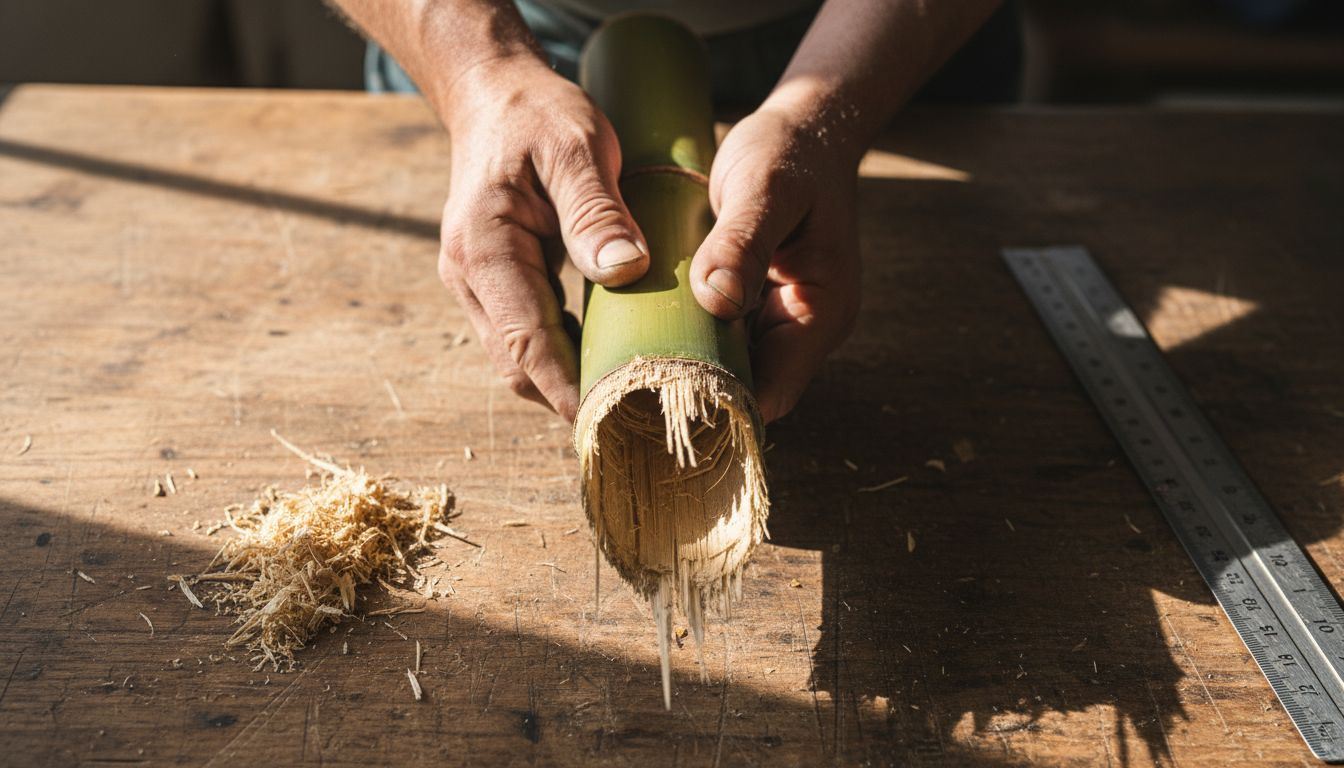
The gradient distribution of vascular bundles creates a complex internal matrix that contributes to bamboo’s exceptional mechanical properties. Lignocellulosic matrix variations reveal how different species develop distinct strength characteristics based on their specific fiber density and arrangement. Restaurant owners and commercial users benefit from this natural engineering, as bamboo products can endure repeated stress, moisture exposure, and mechanical strain without compromising structural integrity. The high cellulose content works in tandem with strong lignin bonds to create a material that is simultaneously lightweight and incredibly resilient.
Understanding bamboo’s fiber structure helps explain its superior performance in everyday applications. The material’s natural composition allows for efficient load distribution, with each fiber working collaboratively to absorb and redirect mechanical stress. This means bamboo paper towel dispensers, kitchen accessories, and other commercial products can maintain their structural quality far longer than conventional materials. The microscopic fiber arrangement enables bamboo to bend without breaking, compress without permanent deformation, and resist environmental degradation that would quickly compromise less sophisticated materials.
Pro tip: Examine bamboo products closely by checking for consistent fiber alignment and minimal visual imperfections, which can indicate superior manufacturing and natural strength.
Understanding the complex variables that influence bamboo’s durability requires a nuanced examination of biological and environmental factors. Critical factors determine bamboo longevity including species characteristics, harvesting techniques, and post-production treatment methods. Restaurant owners and commercial users must recognize that bamboo’s performance depends on multiple interconnected elements that extend far beyond simple material selection.
Biological and environmental conditions play a pivotal role in determining bamboo’s lifespan. Rhizome health and habitat conditions directly impact the material’s long-term durability. Exposure to moisture, ultraviolet radiation, temperature fluctuations, and potential pest interactions can significantly accelerate material degradation. Chemical treatments and natural processing techniques can mitigate these risks, creating protective barriers that enhance bamboo’s resistance to environmental stressors and extend its functional lifespan.
The specific lifecycle of bamboo products involves careful consideration of multiple preservation strategies. Factors such as age at harvest, fiber density, and manufacturing processes critically influence durability. Bamboo harvested at optimal maturity and processed with advanced treatment techniques can maintain structural integrity significantly longer than improperly managed materials. Commercial users should prioritize bamboo products from manufacturers who demonstrate sophisticated understanding of species-specific characteristics and implement comprehensive preservation protocols to maximize product longevity.
Summary of core factors impacting bamboo product lifespan:
| Factor | Influence on Durability | Best Practice |
|---|---|---|
| Harvesting age | Older improves strength | Select mature stalks |
| Species selection | Determines fiber density | Choose robust varieties |
| Treatment method | Prevents decay/pests | Use protective coatings |
| Environmental exposure | Can cause warping/degradation | Store in dry, shaded area |
Pro tip: Request detailed documentation about bamboo treatment processes and species selection when purchasing commercial bamboo products to ensure maximum durability and performance.
Bamboo emerges as a superior material when compared to traditional wood and plastic alternatives, offering remarkable advantages in durability and sustainability. Sustainable material performance reveals bamboo’s exceptional strength-to-weight ratio that outperforms both conventional wood and synthetic plastics. Restaurant owners and commercial users benefit from a material that combines lightweight construction with extraordinary mechanical resilience.
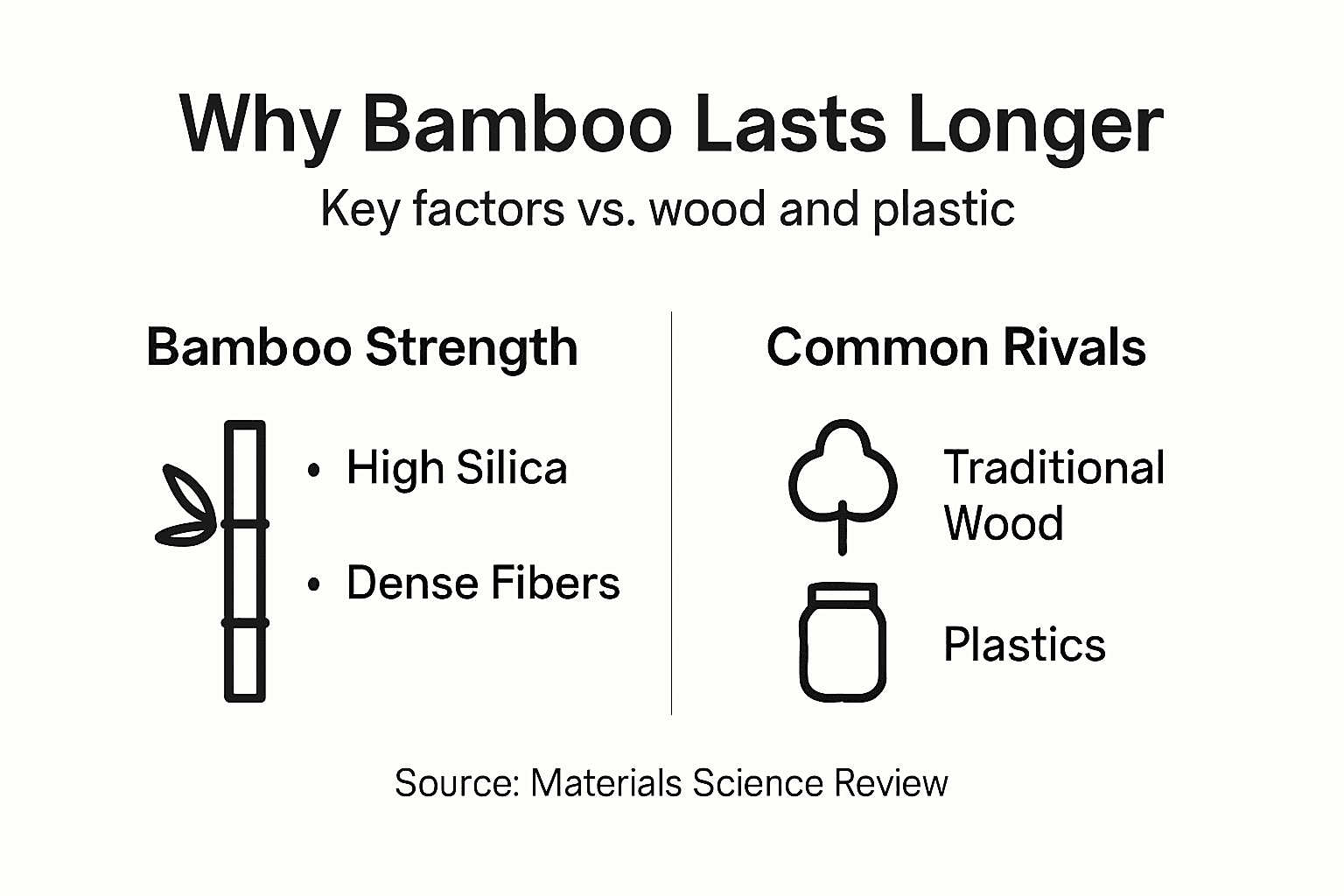
From an environmental perspective, bamboo significantly surpasses plastic and traditional wood in sustainability metrics. Unlike petroleum-based plastics that persist in landfills for centuries, bamboo is completely biodegradable and rapidly renewable. Biomass energy potential demonstrates that bamboo grows exponentially faster than hardwood trees, sequestering more carbon and requiring minimal agricultural intervention. This makes bamboo an environmentally responsible choice for businesses seeking to reduce their ecological footprint while maintaining high-performance product standards.
The mechanical properties of bamboo distinguish it from wood and plastic in critical ways. While traditional wood can degrade, warp, and require extensive maintenance, bamboo maintains structural integrity under diverse environmental conditions. Plastic, conversely, offers limited flexibility and contributes significantly to environmental pollution. Bamboo’s natural cellular structure provides superior resistance to moisture, temperature fluctuations, and mechanical stress, making it an ideal material for commercial applications that demand consistent performance and long-term durability.
Here’s a comparison of primary materials for commercial products:
| Property | Bamboo | Wood | Plastic |
|---|---|---|---|
| Durability in wet environments | High resistance | Prone to warping | Often waterproof, may crack |
| Renewable resource speed | Rapidly renewable | Slow-growing | Not renewable |
| Environmental impact | Biodegradable, absorbs carbon | Often contributes to deforestation | Major landfill contributor |
| Maintenance effort | Low to moderate | Moderate to high | Minimal |
Pro tip: When selecting materials for commercial products, prioritize bamboo for its combination of environmental sustainability, mechanical strength, and superior long-term performance.
Bamboo maintenance requires strategic and proactive approaches to preserve its exceptional durability and aesthetic qualities. Proper preservation techniques are essential for extending the functional lifespan of bamboo products in commercial and residential settings. Restaurant owners and facility managers must implement systematic maintenance protocols that protect bamboo from environmental degradation and potential structural compromise.
The fundamental strategy for bamboo preservation involves controlling moisture exposure and implementing protective treatments. Curing and protective coating methods play a critical role in preventing pest infestations and reducing material breakdown. Commercial users should focus on key maintenance practices such as periodic cleaning with mild detergents, avoiding prolonged water contact, and applying natural oil treatments that create a protective barrier against environmental stressors. Regular inspections can help identify early signs of potential damage, allowing for timely interventions that prevent more extensive deterioration.
Effective bamboo maintenance also requires understanding its unique material characteristics and environmental sensitivities. Different bamboo products demand specific care approaches depending on their intended use and exposure conditions. Paper towel dispensers, kitchen accessories, and other commercial items benefit from careful cleaning with soft cloths, avoiding abrasive materials that might scratch or compromise the bamboo’s surface. Temperature and humidity control are equally important, with ideal storage conditions helping maintain the material’s structural integrity and preventing warping, cracking, or moisture-related degradation.
Pro tip: Develop a quarterly maintenance schedule that includes gentle cleaning, protective oil treatment, and careful inspection to maximize your bamboo products’ longevity and performance.
Facing the challenge of finding eco-friendly yet durable materials for your home or commercial space can be tough. This article highlights bamboo’s unique strength, natural fiber structure, and smart treatment methods that make it last longer than conventional wood or plastic. If you want products that can stand up to moisture, frequent use, and environmental stress without losing style or functionality then choosing bamboo is a smart solution.
Experience the innovation firsthand with the Bamboo Paper Towel Dispenser- A Sleek Look Home or Office from Cozee Bay.

Elevate your space with sustainable, handcrafted bamboo products designed specifically for durability and aesthetics. Visit Cozee Bay now and explore how premium bamboo items like paper towel dispensers, wrap and foil dispensers, and drawer organizers can transform your environment while reducing your carbon footprint. Don’t wait to give your home or business the lasting quality and eco-conscious design it deserves. Shop today to enjoy free shipping in the U.S. and a money-back guarantee on superior bamboo craftsmanship.
Bamboo’s durability comes from its unique cellular composition, which includes high concentrations of silica, lignin, and cellulose. This composition provides excellent resistance to wear, moisture, and environmental stress, making bamboo more durable than traditional wood.
Choosing the right bamboo species is crucial for durability. Focus on species known for their strength and resilience, such as Gigantochloa and Phyllostachys. Additionally, consider factors like harvesting age and treatment methods, as these can significantly influence the material’s lifespan.
To maximize the lifespan of bamboo products, implement a maintenance routine that includes periodic cleaning with mild detergents, applying natural oil treatments for protection, and controlling moisture exposure. Regular inspections can help identify and prevent potential damage.
Bamboo outperforms both plastic and wood in several key areas, including moisture resistance and environmental impact. While wood can warp and degrade, and plastic contributes to pollution, bamboo maintains structural integrity and is biodegradable, making it a sustainable choice for diverse applications.
Comments will be approved before showing up.