Your Cart is Empty


Over 70 percent of American homeowners now consider sustainability when choosing flooring materials. With growing concerns over the environment and long-term value, understanding the real differences between bamboo and hardwood has become more important than ever. You will gain fresh insight into why more American families and designers are turning to bamboo, weighing everything from renewability and climate impact to everyday durability and modern style.
| Point | Details |
|---|---|
| Sustainability | Bamboo grows significantly faster than hardwood, making it a more renewable resource and offering lower environmental impact. |
| Durability | High-quality bamboo matches or exceeds traditional hardwoods in strength while requiring less maintenance over time. |
| Aesthetic Versatility | Bamboo provides a sleek, modern aesthetic that complements various design styles, making it a desirable alternative for contemporary spaces. |
| Cost Efficiency | Bamboo typically has lower initial material costs and offers exceptional long-term value through reduced maintenance requirements. |
Bamboo and hardwood represent two dramatically different materials with unique characteristics that impact everything from sustainability to performance. While hardwood has been the traditional choice for decades, bamboo is rapidly emerging as a superior alternative for environmentally conscious consumers and designers. Understanding core material differences reveals why bamboo is becoming increasingly popular.
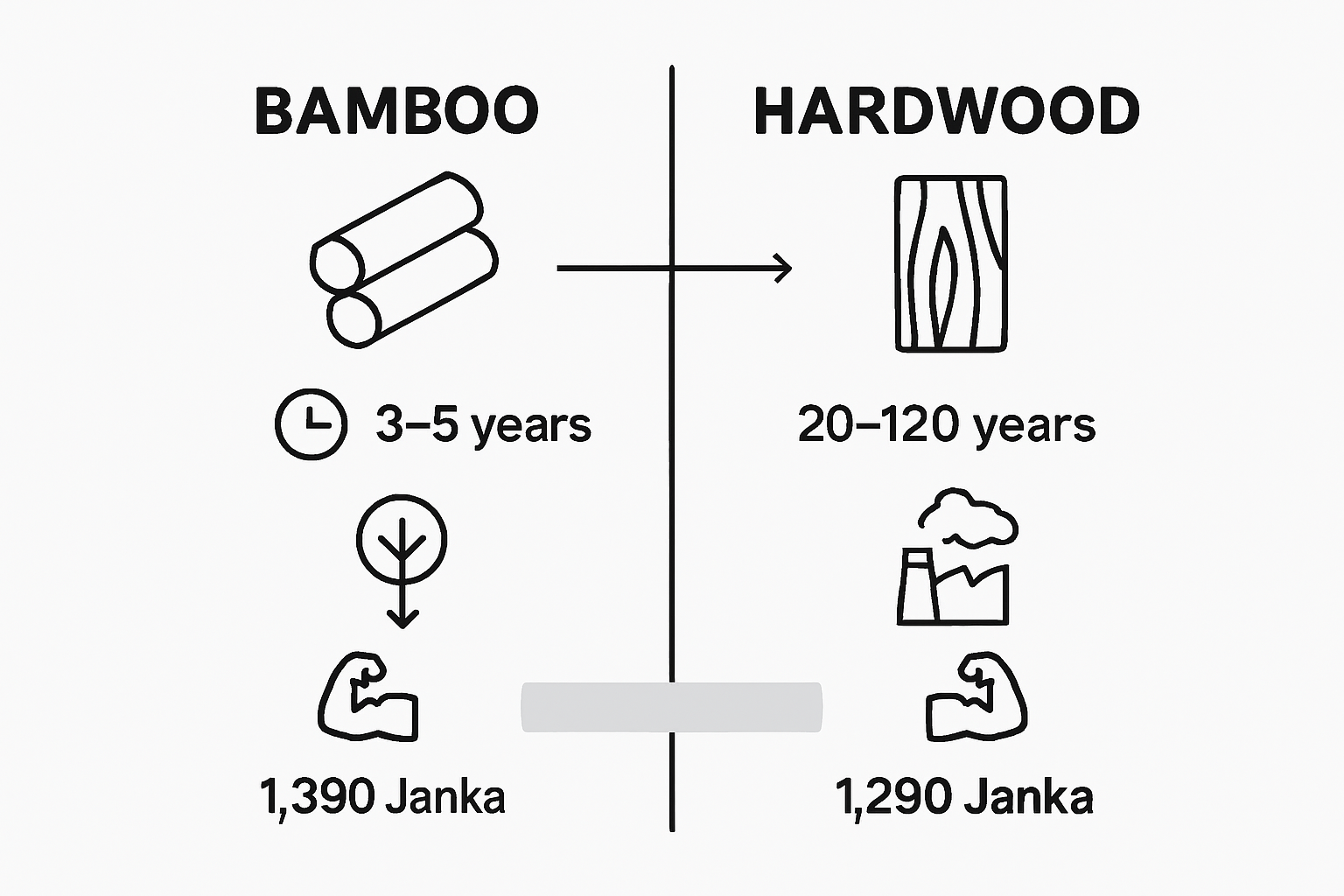
At the fundamental level, bamboo differs from hardwood in its botanical origins and growth characteristics. Unlike hardwood trees that take 20-120 years to mature, bamboo is actually a grass that regenerates extremely quickly, reaching full harvest height in just 3-5 years. This rapid growth cycle means bamboo provides a substantially more renewable resource compared to traditional hardwood lumber. Sustainability becomes a key differentiator, with bamboo offering significantly lower environmental impact through faster regeneration and higher carbon sequestration rates.
Durability and performance represent another critical area of comparison. Comparative analysis of material properties demonstrates that high-quality bamboo can match or exceed hardwood strength. Modern manufacturing techniques compress bamboo fibers, creating materials with impressive structural integrity. Bamboo typically rates between 1,180 to 1,380 on the Janka hardness scale, comparable to traditional hardwoods like oak and maple. This means bamboo products can withstand significant wear and tear, making them ideal for high-traffic areas in homes and commercial spaces.
Key differences between bamboo and hardwood include:
By understanding these core differences, consumers can make more informed choices that balance aesthetic preferences, performance requirements, and environmental responsibility.
Sustainability has become a critical consideration for environmentally conscious consumers, and the choice between bamboo and hardwood materials represents a significant decision with far-reaching ecological implications. Comprehensive environmental assessments reveal that bamboo offers remarkable advantages in terms of carbon footprint and renewable resource management.
The most striking environmental benefit of bamboo is its unprecedented growth rate and regenerative capacity. Unlike hardwood trees that require decades to mature, bamboo grows incredibly quickly, with some species expanding up to three feet per day and reaching full harvest height in just 3-5 years. Carbon sequestration becomes a key differentiator, as bamboo absorbs significantly more carbon dioxide during its rapid growth cycle compared to traditional hardwood forests. This accelerated growth means bamboo can be harvested multiple times within the same period a hardwood tree would take to reach maturity, creating a substantially more sustainable production model.
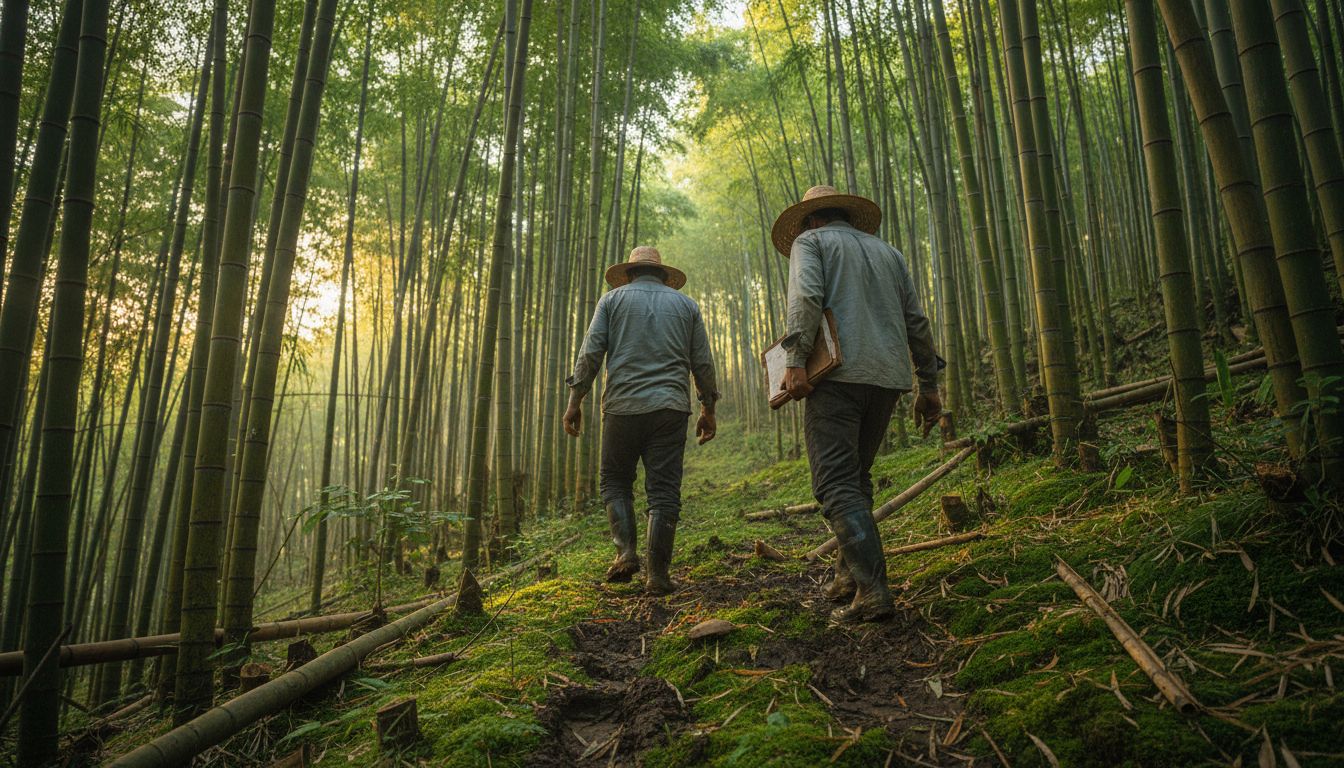
Carbon emissions and overall environmental impact extend beyond just growth rates. The manufacturing process for bamboo products typically requires less energy and fewer chemical treatments compared to traditional hardwood processing. Sustainable sourcing practices demonstrate that bamboo’s root system remains intact after harvesting, preventing soil erosion and allowing immediate regeneration without replanting. This natural regeneration process contrasts sharply with hardwood logging, which often requires complete tree removal and extended replanting periods.
Key environmental advantages of bamboo include:
By prioritizing bamboo, consumers can make a meaningful contribution to environmental sustainability, reducing their carbon footprint while supporting a more responsible approach to material consumption.
When considering long-term performance, durability becomes a critical factor in material selection for home and commercial applications. Comparative durability studies reveal nuanced differences between bamboo and traditional hardwood materials that impact their practical lifespan and resilience.
Structural integrity plays a pivotal role in understanding material performance. While traditional hardwood floors can potentially last over 125 years with meticulous maintenance, bamboo flooring typically offers a more modest lifespan of 30-50 years. However, modern manufacturing techniques have significantly improved bamboo’s durability, making it competitive with many hardwood alternatives. The compressed manufacturing process creates dense, robust materials that resist wear, impact, and daily stress remarkably well. Bamboo’s unique cellular structure provides exceptional strength-to-weight ratios, allowing it to withstand significant environmental variations and mechanical pressures.
Detailed lifespan comparisons demonstrate that maintenance practices dramatically influence material longevity. Hardwood floors can be professionally refinished multiple times, extending their usable life, while bamboo’s refinishing options are more limited. This means bamboo requires more strategic care to maximize its performance potential. Factors like humidity levels, foot traffic, installation quality, and protective treatments significantly impact how long bamboo products will maintain their aesthetic and structural qualities.
Key durability considerations for bamboo include:
Ultimately, bamboo represents a robust, adaptable material that balances performance, sustainability, and aesthetic appeal across diverse applications.
Modern design demands materials that seamlessly blend aesthetic appeal with functional innovation, and bamboo has emerged as a compelling alternative to traditional hardwood in contemporary interior spaces. Comprehensive design comparisons reveal that while hardwood has historically dominated interior design, bamboo offers a unique combination of visual sophistication and sustainable style.
Aesthetic versatility distinguishes bamboo as more than just an eco-friendly material. Contemporary manufacturing techniques have dramatically expanded bamboo’s design potential, transforming its perception from a niche product to a mainstream design solution. Unlike traditional hardwoods with extensive color and grain variations, bamboo presents a more minimalist aesthetic that aligns perfectly with modern, clean design principles. Its naturally uniform texture allows designers to create sleek, uncluttered spaces that feel both contemporary and timeless. The material’s subtle grain patterns and neutral tones provide an elegant backdrop that complements various interior design styles, from industrial loft environments to minimalist Scandinavian-inspired rooms.
Design versatility studies demonstrate bamboo’s remarkable adaptability across different design contexts. Modern production techniques enable multiple finish options, including horizontal and vertical grain patterns, carbonized and natural tones, and even engineered bamboo planks that mimic traditional wood appearances. This flexibility allows architects and interior designers to incorporate bamboo into diverse applications such as flooring, wall panels, furniture, kitchen accessories, and decorative elements.
Key design advantages of bamboo include:
Ultimately, bamboo transcends traditional material limitations, offering designers a sustainable, stylish medium that responds beautifully to evolving aesthetic preferences.
Making an informed investment in home materials requires a comprehensive understanding of both upfront costs and long-term value. Detailed cost analysis reveals that bamboo presents an attractive financial proposition for budget-conscious homeowners and design professionals seeking sustainable solutions.
Material costs represent the initial consideration for most consumers. Bamboo flooring typically ranges from $5 to $6 per square foot for materials, compared to hardwood’s broader price spectrum of $3.50 to $12.50 per square foot. This pricing advantage makes bamboo an increasingly appealing option for those wanting high-quality, environmentally responsible materials without breaking the bank. The lower initial investment does not necessarily translate to reduced quality; modern manufacturing techniques have significantly enhanced bamboo’s performance and durability, ensuring exceptional value for every dollar spent.
Comprehensive maintenance comparisons highlight critical differences in long-term care and refinishing potential. Traditional hardwood floors can be professionally refinished multiple times, potentially extending their lifespan up to 125 years. Bamboo, while more limited in refinishing options, offers unique advantages through its inherent durability and resistance to wear. The material’s natural antimicrobial properties and consistent structural integrity mean less frequent maintenance and replacement compared to some traditional wood products.
Key financial and maintenance considerations include:
Ultimately, bamboo represents a smart investment that balances affordability, sustainability, and long-term performance, making it an increasingly attractive choice for discerning homeowners and designers.
The article highlights the challenge of choosing materials that combine durability, sustainability, and style. If you are looking to reduce environmental impact while enjoying the resilience and sleek design that bamboo offers, Cozee Bay has the perfect solution. Our handcrafted bamboo products, including stylish paper towel dispensers and organizers, are designed to address the pain points of high maintenance, limited renewability, and lack of eco-conscious options discussed in the article. By choosing bamboo, you embrace faster growth cycles, natural antimicrobial properties, and a long-lasting material that fits both residential and commercial needs.
Explore our premium bamboo collection today at Cozee Bay. Make a positive impact on the environment without compromising on functionality or aesthetic appeal. Visit Cozee Bay now and enjoy free shipping within the continental U.S. Have confidence knowing your choice supports sustainable materials and quality craftsmanship that lasts.
Learn more about why bamboo is a superior choice by visiting our site Cozee Bay and see how effortless eco-friendly living can be.
Bamboo grows much faster than hardwood, maturing in just 3-5 years compared to hardwood’s 20-120 years. Bamboo also has a lower environmental impact due to higher carbon sequestration rates and requires less energy in its manufacturing process.
High-quality bamboo can match or exceed the strength of many hardwoods, rating between 1,180 to 1,380 on the Janka hardness scale. While bamboo floors typically last 30-50 years, modern manufacturing techniques have enhanced its durability and resistance to wear.
Yes, bamboo is considered a sustainable choice due to its rapid growth rate, lower carbon footprint, and natural regenerative capabilities. It can be harvested multiple times within the life span of a hardwood tree, making it a more renewable resource.
Bamboo flooring generally requires less maintenance due to its natural durability and resistance to moisture. However, it has limited refinishing options compared to hardwood, which can be refinished several times to extend its lifespan.
Comments will be approved before showing up.