Your Cart is Empty


Bamboo grows to maturity in just 3 to 5 years, making it renewable 300% faster than traditional hardwoods that take decades. This remarkable growth rate positions bamboo as a leading sustainable material for eco-conscious homeowners seeking stylish home products that don’t compromise the planet. This article explores bamboo’s unique sustainability features, exceptional durability, natural antimicrobial properties, and versatile design applications that make it ideal for modern residential and commercial spaces.
| Point | Details |
|---|---|
| Rapid Renewability | Bamboo matures in 3-5 years versus 25-50 years for hardwoods, offering faster sustainable harvesting cycles. |
| Superior Strength | Bamboo’s tensile strength surpasses steel and compression resistance exceeds concrete, ensuring long-lasting durability. |
| Natural Hygiene | Intrinsic antimicrobial properties reduce bacterial growth without chemical treatments, improving cleanliness in homes and businesses. |
| Environmental Impact | Bamboo biodegrades in months compared to plastics lasting centuries, significantly reducing landfill waste. |
| Design Versatility | Bamboo complements multiple interior styles from minimalist to rustic, adding natural warmth and texture. |
Bamboo stands apart from traditional materials because of its exceptional growth cycle. While hardwood trees require 25 to 50 years to mature, bamboo reaches full maturity in just 3 to 5 years. This rapid growth means forests regenerate quickly after harvest, creating a continuously renewable resource that supports sustainable production without depleting natural ecosystems.
The environmental advantages extend beyond speed. Bamboo absorbs carbon dioxide at rates significantly higher than comparable hardwood species, making it a powerful tool for carbon sequestration. Each bamboo grove actively pulls greenhouse gases from the atmosphere while producing oxygen, contributing to cleaner air quality in cultivation regions.
Agricultural inputs tell another compelling sustainability story. Bamboo cultivation requires minimal pesticides, fertilizers, or irrigation, reducing chemical runoff that pollutes waterways and harms wildlife. Most bamboo grows naturally with rainfall alone, eliminating the need for complex irrigation systems that strain water resources.
Key sustainability features include:
These factors make why choose bamboo home products an increasingly relevant question for environmentally conscious consumers. The plant’s biological advantages translate directly into reduced environmental impact across the entire product lifecycle. When you select bamboo items for your home, you’re supporting agricultural practices that regenerate rather than deplete natural resources.
Understanding benefits of bamboo for homes requires recognizing how these sustainability foundations create tangible value. The rapid renewability means manufacturers can produce quality products without contributing to deforestation, a critical consideration as global forest loss accelerates. Bamboo offers a practical solution that balances human needs with ecological preservation.
Bamboo’s reputation as a sustainable material sometimes overshadows its remarkable physical properties. The plant exhibits tensile strength stronger than some steel types and compression resistance exceeding concrete, making it exceptionally suitable for load-bearing applications. These characteristics ensure bamboo products withstand daily use in demanding residential and commercial environments.
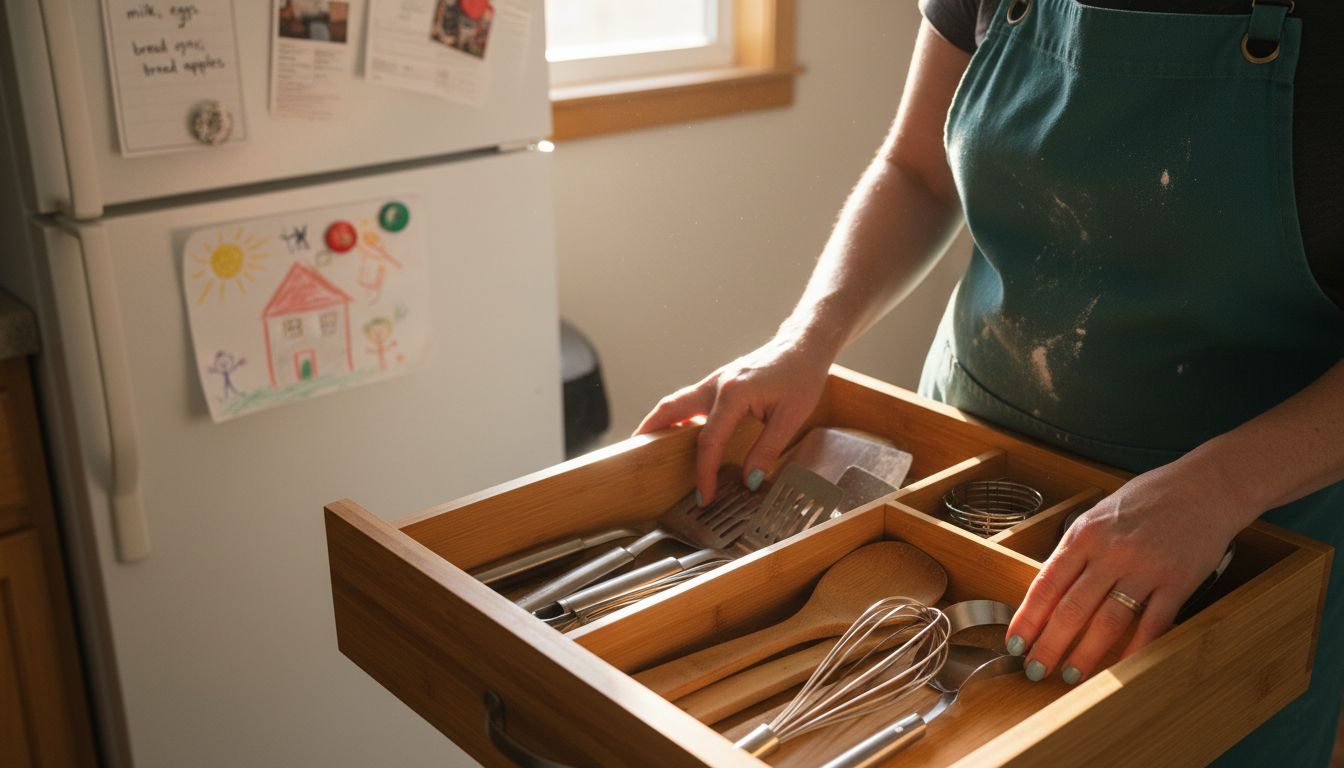
Tensile strength determines how well a material resists breaking under tension or pulling forces. Bamboo’s fiber structure creates natural reinforcement that distributes stress efficiently, preventing cracks and failures that plague weaker materials. This strength translates into furniture, flooring, and fixtures that maintain structural integrity through years of use.
Compression resistance matters equally for practical applications. When bamboo products bear weight or pressure, the material’s cellular structure compresses without collapsing, similar to how concrete performs in construction. This quality makes bamboo ideal for cutting boards, countertops, and organizational products that experience constant pressure from objects placed on their surfaces.
Durability extends product lifespan significantly:
The durability of bamboo products creates economic value by reducing replacement frequency. When products last longer, you purchase fewer items over time, saving money while reducing waste. This practical advantage complements bamboo’s environmental benefits, creating a compelling case for choosing bamboo over conventional materials.
Pro tip: Verify bamboo products use Moso or other high-density species known for superior strength characteristics. Lower-quality bamboo varieties may not deliver the same durability advantages, so research manufacturer specifications before purchasing.
The combination of strength and longevity positions bamboo as a genuine alternative to traditional materials in applications where performance matters. From bamboo strength advantages in structural uses to everyday household items, this material proves sustainability and functionality can coexist without compromise.
Bamboo contains intrinsic antimicrobial compounds that naturally inhibit bacterial growth on surfaces. This biological feature means bamboo reduces bacterial growth without requiring chemical treatments or coatings that might introduce toxins into your home environment. For health-conscious homeowners, this represents a significant advantage over plastic and some wood alternatives.
The antimicrobial effect works through naturally occurring agents within bamboo’s cellular structure. These compounds actively suppress microbial colonization, helping maintain cleaner surfaces between regular cleaning sessions. While this doesn’t eliminate the need for proper hygiene practices, it creates an additional defense layer against bacterial accumulation.
Practical applications benefit significantly from these hygienic properties. Kitchen environments, where food preparation introduces bacteria, gain protection from bamboo cutting boards and utensils. Bathrooms, naturally humid spaces prone to mold and mildew, see reduced microbial growth on bamboo fixtures and accessories.
Kitchen applications: Cutting boards, utensils, and countertops maintain cleaner surfaces through natural antimicrobial action, reducing cross-contamination risks during food preparation.
Bathroom products: Soap dishes, toothbrush holders, and storage organizers resist mold growth better than plastic alternatives, improving overall bathroom hygiene.
Commercial spaces: Paper towel dispensers and serving items in restaurants benefit from reduced bacterial surface populations, supporting food safety protocols.
The bamboo applications in commercial spaces extend beyond basic hygiene to create healthier environments for customers and staff. Restaurants, schools, and healthcare facilities implementing bamboo products add a natural antimicrobial layer to their sanitation protocols.
Pro tip: Regular cleaning remains essential despite bamboo’s antimicrobial properties. The natural compounds supplement rather than replace proper hygiene practices, so maintain consistent cleaning schedules to maximize protective benefits.
Understanding bamboo antimicrobial properties helps you make informed decisions about products touching food or spending time in moisture-rich environments. The natural protection works continuously without degrading over time, unlike chemical coatings that wear away with repeated washing and use.
These health advantages create particular value in homes with children, elderly residents, or anyone with compromised immune systems. Reducing bacterial exposure through material selection represents a proactive health strategy that complements other wellness practices.
Bamboo’s end-of-life characteristics dramatically reduce environmental burden compared to conventional materials. While plastic products persist in landfills for centuries, bamboo decomposes naturally within months when properly disposed of. This biodegradability means discarded bamboo products return nutrients to soil rather than accumulating as permanent waste.
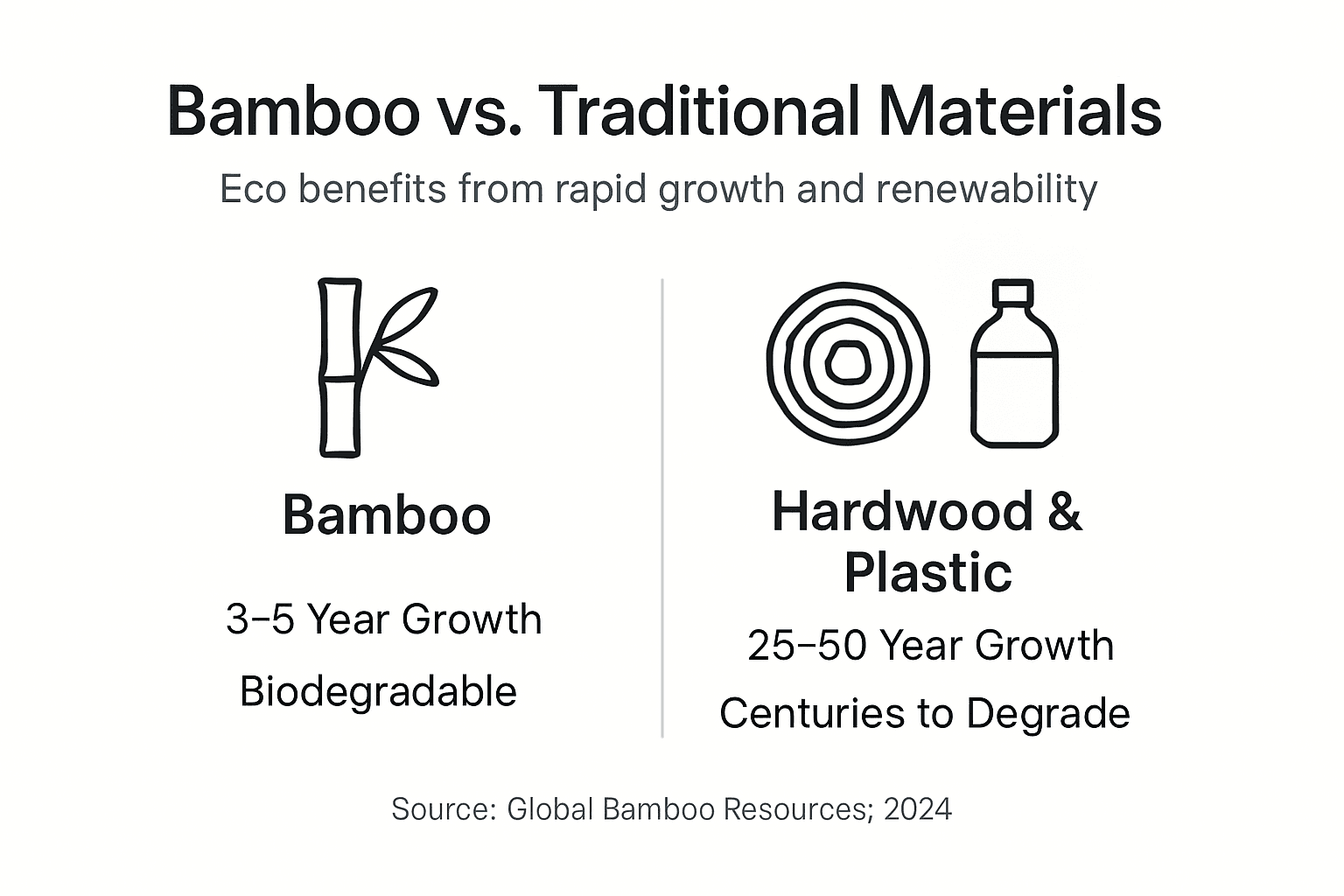
The contrast with plastic becomes stark when examining decomposition timelines. A plastic organizer might require 500 years to break down, releasing microplastics that contaminate ecosystems throughout the process. A bamboo equivalent completes decomposition in under a year, leaving no toxic residue or persistent pollutants.
Carbon footprint analysis reveals additional environmental advantages. Bamboo cultivation absorbs more carbon dioxide per acre than comparable hardwood forests, actively removing greenhouse gases during the growth phase. This carbon sequestration partially offsets emissions from manufacturing and transportation, creating a more favorable lifecycle environmental profile.
| Material | Renewability | Carbon Impact | Biodegradability | Resource Intensity |
|---|---|---|---|---|
| Bamboo | 3-5 years | Carbon negative during growth | Months | Low water, no pesticides |
| Hardwood | 25-50 years | Carbon neutral | Years | Moderate water, some pesticides |
| Plastic | Non-renewable | High carbon emissions | 500+ years | Petroleum-based, high energy |
Key environmental benefits include:
Choosing bamboo products directly impacts your household’s environmental footprint. Each bamboo item replacing a plastic equivalent prevents persistent waste from entering landfills and oceans. Over time, these individual choices aggregate into meaningful waste reduction at community and regional scales.
The selecting sustainable bamboo products process should consider the entire lifecycle from cultivation through disposal. Products manufactured with minimal processing and chemical treatments maximize environmental advantages, while heavily processed bamboo items may sacrifice some sustainability benefits.
Landfill space represents a growing environmental challenge as populations increase and consumption patterns intensify. Materials that biodegrade quickly ease pressure on waste management systems while reducing methane emissions from decomposing organic matter in anaerobic landfill conditions.
Bamboo products serve diverse functional roles across residential and commercial environments. In restaurant kitchens, bamboo paper towel dispensers combine antimicrobial properties with durability, supporting hygiene standards while withstanding high-usage demands. Churches, schools, and coffee shops benefit similarly from bamboo fixtures that maintain appearance and function through constant public interaction.
Home kitchens gain organizational efficiency through bamboo drawer dividers, wrap dispensers, and bag organizers that maximize storage space while adding natural aesthetic warmth. These products transform cluttered drawers into organized systems, improving daily workflow and reducing time spent searching for needed items.
Office environments increasingly incorporate bamboo desk organizers and storage solutions that align with corporate sustainability initiatives. The professional appearance complements modern workspace design while communicating environmental values to clients and employees. Bamboo’s natural patterns create visual interest without overwhelming minimalist design schemes.
Popular bamboo product categories include:
The bamboo in commercial spaces trend reflects growing business awareness of sustainability’s marketing value. Customers notice and appreciate businesses implementing eco-friendly practices, creating positive brand associations that influence purchasing decisions and loyalty.
Senior living centers find particular value in bamboo products’ combination of durability and hygiene. These facilities require materials that withstand frequent cleaning while maintaining safe, healthy environments for vulnerable populations. Bamboo meets these demands while contributing to pleasant, homelike atmosphics that improve resident wellbeing.
The bamboo interior design role extends beyond individual products to influence overall space aesthetics. Coordinating multiple bamboo items creates cohesive design themes that feel intentional rather than random, elevating perceived space quality.
Practical benefits consistently include durability that reduces replacement costs, antimicrobial features supporting cleanliness, and visual appeal that enhances rather than detracts from existing decor. These combined advantages explain bamboo’s growing popularity across diverse applications and environments.
Not all bamboo products deliver equal sustainability benefits, a fact often obscured by marketing claims. Bamboo textiles, particularly fabrics marketed as bamboo rayon or viscose, undergo intensive chemical processing that diminishes environmental advantages. The manufacturing process dissolves bamboo pulp in harsh chemicals, creating fabric through methods that generate toxic waste and pollution.
Authentic bamboo fiber products maintain sustainability credentials, but these remain less common than chemically processed alternatives. When shopping for bamboo textiles, verify manufacturing methods to ensure your purchase aligns with environmental values. Labels should specify mechanical processing rather than chemical dissolution.
Bamboo’s strength characteristics face frequent misunderstanding. Many consumers assume bamboo’s grass classification indicates weakness compared to traditional wood. Reality contradicts this perception, as bamboo’s tensile strength surpasses steel in specific applications, and its compression resistance exceeds concrete. These properties make bamboo suitable for demanding structural and functional uses.
Environmental impact comparisons sometimes overlook transportation factors. Bamboo grown in Asia and shipped globally may generate significant carbon emissions during transport, partially offsetting cultivation benefits. Locally sourced bamboo products, when available, maximize sustainability advantages by reducing transportation distances.
Key misconceptions and corrections:
The selecting eco-friendly bamboo products process requires scrutiny beyond surface claims. Investigate manufacturing processes, certifications, and sourcing practices to verify sustainability credentials. Products with transparent supply chains and minimal processing typically deliver the greatest environmental advantages.
Understanding these nuances prevents greenwashing from misleading purchasing decisions. Bamboo offers genuine sustainability benefits when properly sourced and manufactured, but not all products labeled bamboo deliver on environmental promises. Informed consumers can distinguish authentic eco-friendly options from misleading marketing.
Bamboo’s natural grain patterns and warm tones complement diverse interior design styles. Minimalist spaces benefit from bamboo’s clean lines and subtle texture that add interest without visual clutter. Rustic and farmhouse aesthetics embrace bamboo’s organic character, which enhances cozy, lived-in atmospheres. Modern designs incorporate bamboo as a natural contrast to sleek metals and glass, creating balanced visual compositions.
The material’s color palette ranges from light honey tones to rich caramelized browns, offering options that coordinate with existing decor schemes. Natural bamboo maintains lighter shades that brighten spaces and create airy feelings, while carbonized bamboo provides deeper colors suitable for sophisticated, dramatic environments.
Product variety enables comprehensive design integration. Bamboo furniture establishes foundational aesthetic direction, while smaller accessories like organizers and dispensers reinforce themes throughout spaces. This scalability allows gradual incorporation that fits budget constraints while building cohesive design narratives.
Design benefits of bamboo products include:
The bamboo in modern design approach emphasizes clean functionality paired with sustainable materials. Contemporary designers increasingly specify bamboo for projects targeting environmentally conscious clients who refuse to compromise aesthetic standards. This trend validates bamboo’s position as a premium design material rather than an eco-alternative with aesthetic limitations.
Pro tip: Combine bamboo with complementary natural materials like stone, linen, and wool to create layered, sophisticated spaces. The material mixing adds depth while maintaining organic, cohesive design narratives that feel intentional.
Color coordination becomes straightforward given bamboo’s neutral tones. The material pairs effectively with bold accent colors or subtle monochromatic schemes, adapting to personal style preferences without dictating rigid design directions. This flexibility makes bamboo suitable for diverse homeowner aesthetics and commercial branding requirements.
Implementing modern bamboo interior design tips transforms spaces from ordinary to distinctive. Strategic product placement creates focal points that draw attention and spark conversation, positioning sustainability as an aesthetic choice rather than purely functional consideration.
Natural material authenticity resonates with occupants on psychological levels. Bamboo’s organic origins create subconscious comfort and connection to nature, qualities increasingly valued as urban environments dominate modern life. This biophilic design principle suggests natural materials improve wellbeing and satisfaction with living and working spaces.
Transform your space with products that merge environmental responsibility and practical elegance. Cozee Bay specializes in handcrafted bamboo items designed for real-world use in homes, restaurants, offices, and commercial facilities. Our curated selection includes bamboo paper towel dispensers that combine hygiene benefits with lasting durability, plus organizational solutions that streamline daily routines.
Every product balances form and function, delivering the sustainability advantages discussed throughout this article without sacrificing style or performance. Whether you’re furnishing a new space or upgrading existing fixtures, our collection provides options that align with your values while enhancing your environment’s functionality and appearance. Discover how bamboo product applications extend across diverse settings, from residential kitchens to high-traffic commercial spaces.
Bamboo delivers sustainability through rapid 3-5 year renewability, durability exceeding traditional materials, and natural antimicrobial properties that improve hygiene. Design versatility allows integration across interior styles while reducing environmental impact through biodegradability.
Most bamboo textiles undergo chemical processing that significantly reduces sustainability benefits. Look for mechanically processed bamboo fiber or solid bamboo products that maintain environmental advantages without harsh chemical treatments.
Bamboo exhibits tensile strength surpassing some steel types and compression resistance exceeding concrete. Properly manufactured bamboo products outlast many traditional materials while maintaining structural integrity through decades of use.
Bamboo contains natural antimicrobial compounds that inhibit bacterial growth on surfaces without chemical treatments. This intrinsic property supplements regular cleaning practices, creating healthier environments in kitchens, bathrooms, and commercial spaces.
Comments will be approved before showing up.