Your Cart is Empty


Common high-impact eco-friendly products include reusable drinkware, bamboo kitchenware, concentrated cleaners, refillable personal care, LED lighting, and durable home organizers. These categories deliver the biggest payoff because they replace items you use daily, cutting plastic waste, trimming toxic exposure, and lowering your cost-per-use over time. The best starting point isn’t a single product. It’s swapping whatever you throw away most often.
TL;DR:
- Choosing reusable products like glass containers, beeswax wraps, and bamboo dispensers drastically reduces single-use plastic waste and is often cost-effective over time.
- Eco-friendly cleaning, personal care, and home products typically last longer and have a lower environmental impact when properly selected and used regularly.
- Verify certifications and inquire about product ingredients and end-of-life options to avoid greenwashing and ensure genuine sustainability.
- Start small by swapping only two or three daily-used items, such as a water bottle or shampoo bar, to build lasting habits without overwhelming your budget or routine.
- The biggest impact comes from replacing the items you throw away most often and maintaining consistent habits, not from an immediate full-home overhaul.
You don’t need a full home overhaul to make a real dent in your waste. You need the right swaps in the rooms where you spend the most time and generate the most trash. Here’s what that looks like, category by category.
Your kitchen is probably where the most single-use plastic enters your life, so it’s the highest-leverage place to start.
Cleaning tip: hand wash beeswax wraps in cool water. Hot water melts the coating and shortens their life fast.
Conventional cleaning sprays are mostly water.
Store concentrates in a cool cabinet away from direct sunlight, and always dilute according to the label. Over-concentrating doesn’t clean better. It just wastes product and can damage surfaces.
This category has quietly become one of the fastest-growing corners of sustainable retail, mostly because bar and tablet formats eliminate the plastic bottle problem entirely.
Read the ingredient list, not just the front label. A brand that lists every ingredient plainly, without vague terms like “natural fragrance blend,” is usually more trustworthy than one leaning on green packaging alone.
Maintenance matters here. Bamboo pieces need an occasional wipe with a barely damp cloth, never a soak, and organic cotton towels last longer when washed in cooler water. At end-of-life, untreated bamboo is compostable, while most rugs and towels can go to textile recycling instead of the trash. Cozee-bay’s guide on sustainable home decor breaks down how material choice changes a room’s long-term footprint.
If you’re weighing whether the higher sticker price is worth it, Cozee-bay’s breakdown of energy-efficient home products walks through where rebates typically apply and how the payback period usually works out.
If you’re shopping for pet products specifically, this checklist for buying sustainable dog food is a solid companion resource for extending the same thinking to what you feed your pet, not just what you clean up after them.
The EPA’s guidance on greener products makes a point that trips up a lot of well-meaning shoppers: there’s no single “most eco-friendly” material. What matters is where a product’s impact concentrates across its lifecycle, meaning the materials it’s made from, how it’s used, and what happens when you’re done with it. A reusable item with a slightly higher manufacturing footprint often wins anyway, because it avoids the repeated production and disposal cycle a disposable version demands every few weeks.
Health benefits show up in the same lifecycle math. Government guidance on green cleaning programs found that pairing safer chemical formulas with optimized dispensing systems reduces overall chemical consumption and lowers respiratory issues like asthma in the buildings that adopt them. That’s not a marketing claim. It’s an operational outcome measured in facilities that switched.
By the Numbers: A reusable stainless steel water bottle used daily typically pays back its higher purchase price within a few months compared to buying single-use bottled water, based on life-cycle costing analysis that consistently shows durable goods outperforming disposables on cost-per-use over time.
The economic case follows the same logic. A $25 water bottle used twice a day for two years works out to pennies per use, while a $1.50 disposable bottle bought at the same frequency adds up to hundreds of dollars and hundreds of plastic bottles in landfills or recycling streams. Buying sustainable goods also sends a market signal. NetRegs research on sustainable purchasing shows that consumer demand for durable, ethically made goods rewards manufacturers who build for longevity instead of planned obsolescence.
A green label doesn’t tell you much on its own. Here’s the checklist worth running through before you buy:
Pro Tip: Divide the purchase price by the number of uses you realistically expect to get. A $30 bamboo dispenser used daily for five years costs less than two cents per use, while a $3 plastic version replaced every four months costs more over the same period, once you add up every replacement.
For a deeper walkthrough of these criteria applied to specific product types, Cozee-bay’s guide on selecting eco-friendly products for home and business covers the buying questions worth asking at checkout, not just on the product page.
Bamboo earns its reputation honestly, when it’s sourced and finished responsibly. It’s one of the fastest-growing plants on Earth, regenerating without replanting, and it converts into a hard, durable material with a fraction of the embodied energy that goes into manufacturing plastic or metal equivalents.
That combination of renewability and durability is why Cozee-bay builds its dispensers and organizers from bamboo instead of defaulting to plastic. These pieces show up in places that put products through real daily stress: restaurants running through paper towel dispensers dozens of times a shift, schools and coffee shops with heavy foot traffic, churches, and senior living centers where reliability matters as much as looks.
Run a Cozee-bay bamboo paper towel dispenser through the checklist from the previous section and it holds up:
Bamboo’s real sustainability wins come from design choices like minimal finishing chemicals and long service life, not just the raw material claim on the label.
Greenwashing works because vague language sounds reassuring without meaning anything specific. “Eco-friendly,” “natural,” and “green” have no legal definition on most product labels, which means any brand can print them without changing a single ingredient.
Watch for these red flags. A product that leans on a leaf icon or earthy color palette but lists no actual certification is making a visual claim, not a factual one. A brand that highlights one green attribute, like recyclable packaging, while ignoring everything else about how the product was made, is likely distracting you from a bigger issue elsewhere in its supply chain. And a label that claims “chemical-free” is technically meaningless, since water is a chemical too.
The fix is simple: favor full disclosure over buzzwords. A company willing to list every ingredient, name its manufacturing location, and explain its end-of-life process is telling you something you can verify. A company relying on adjectives is not. If a claim sounds impressive but you can’t find a source, certification, or specific number behind it anywhere on the page, treat it as marketing copy rather than a fact.
Buying better is only half the equation. What happens when a product wears out matters just as much for its actual footprint.
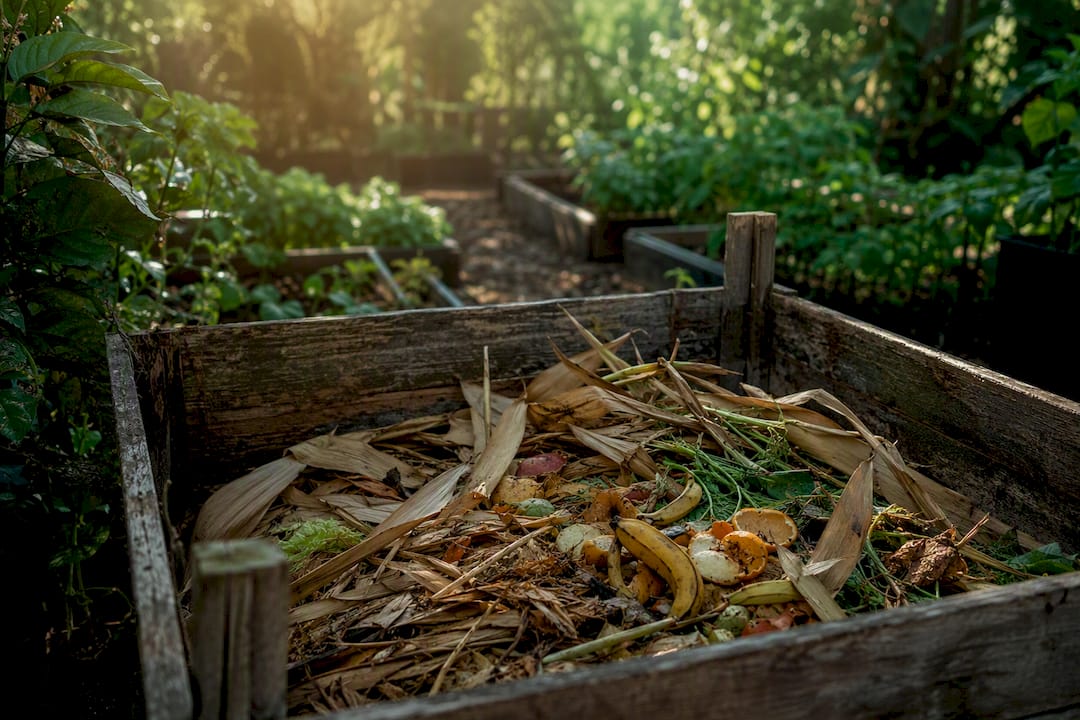
Natural materials like untreated bamboo, cotton, and wool are usually compostable at the end of their life, provided they haven’t been treated with synthetic coatings or dyes that block breakdown. Check your local municipal composting rules, since backyard compost heaps can’t always handle denser wood products the way an industrial facility can.
For anything metal, like a worn-out safety razor or a stainless bottle that’s finally sprung a leak, most curbside metal recycling programs accept it. Glass containers are similarly straightforward through standard recycling.
The trickier category is mixed-material items, things like a shampoo bar’s paper wrapper laminated with a thin plastic layer, or a rug blending recycled fiber with a synthetic backing. Those usually need to be separated by material before recycling, or they get rejected by sorting facilities entirely. When a product’s packaging clearly states how to break it down for disposal, that’s a strong signal the brand actually thought through its full lifecycle rather than stopping at the point of sale.
Side by side, the gap between a reusable option and its disposable counterpart shows up in three places: waste volume, chemical exposure, and long-run cost.
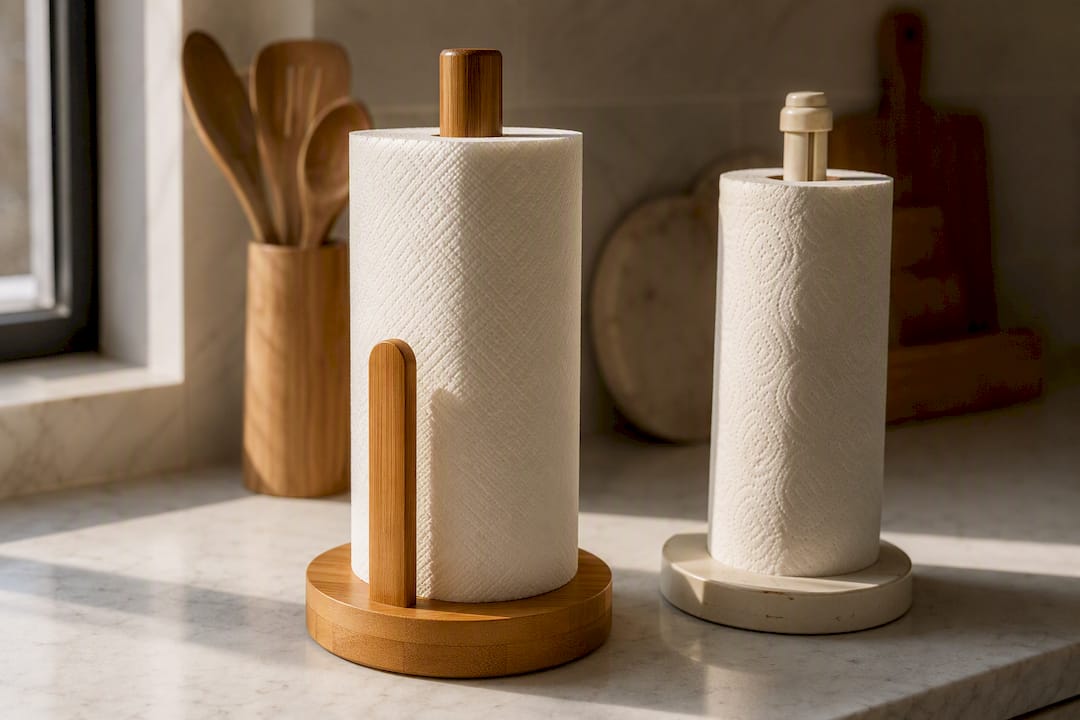
A conventional plastic water bottle is used once and discarded, adding one more unit to the billions of plastic bottles produced annually. A stainless steel bottle used daily for years replaces hundreds of those single-use units with one product. The same math applies to paper towels dispensed from a flimsy plastic holder versus a bamboo dispenser built to survive years of commercial use.
Chemical exposure tells a similar story. Conventional cleaning sprays often use harsher solvents and fragrance additives, while concentrated and green-certified formulas tend to use gentler ingredients, delivering the exposure reductions documented in facility green cleaning programs. The difference isn’t always visible on the shelf, but it shows up in air quality data over months of use.
Cost tells the clearest story of all. Conventional products often win on shelf price and lose on lifetime cost. Eco-friendly alternatives frequently do the opposite, higher upfront, lower over time, which is exactly the calculation worth running before you assume the cheaper item is the better deal.
The products only matter if you keep using them, and that comes down to where you put them, not how green they are.
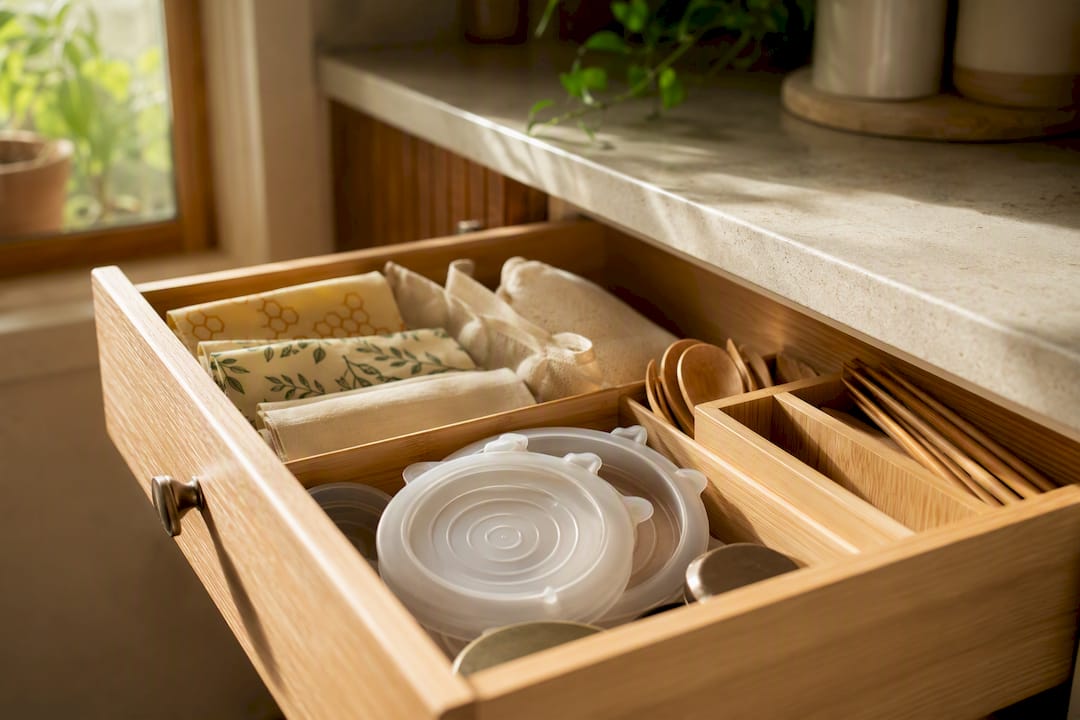
Keep your reusable water bottle somewhere you’ll see it before you leave the house, not buried in a cabinet. Store beeswax wraps and silicone lids in the same drawer where plastic wrap used to live, so reaching for the sustainable option is the automatic move, not an extra step. Same goes for cleaning: keep your concentrated refill next to the sink where the old spray bottle sat, so the habit transfers without friction.
Rotate in one new category every month or two instead of replacing everything at once. Swap your dish soap this month, your shampoo bottle next month, your dryer sheets the month after. Trying to overhaul every product in your home in a single weekend usually backfires, since half the new items end up forgotten in a drawer.
If you want a simple starting sequence, Cozee-bay’s list of practical eco-friendly home tips lays out a reasonable order for tackling swaps room by room.
If you’re staring at this list wondering where to begin, don’t try to swap everything in your home this weekend. That’s how good intentions turn into a drawer full of unused bamboo gadgets.
Start with two or three items you touch every single day. A reusable water bottle, a bamboo dispenser for whatever paper product you go through fastest, and one personal care bar are enough to build momentum without draining your budget in one trip.
Cost is the real barrier for most people, not commitment. The trick is treating the higher upfront price as a subscription you’re paying once instead of monthly. A $30 dispenser that lasts five years costs less than the plastic paper towel holder you’ll replace three times in that span anyway.
Measure something simple, like how many disposable items you didn’t buy this month, and let that number tell you whether the swap earned a permanent spot in your routine. If it did, add the next item. If it didn’t stick, that’s useful information too. Not every swap fits every household on the first try, and that’s fine.
— Cozee
Most eco-friendly paper towel alternatives ask you to choose between style and durability. Cozee-bay’s bamboo dispensers skip that trade-off entirely, built from solid handcrafted bamboo that’s designed to survive years of daily use in a busy kitchen, not just look good on a shelf for a season.

These aren’t concept pieces. Cozee-bay dispensers and organizers are already installed in restaurants, schools, coffee shops, and senior living centers where reliability isn’t optional, alongside homes where the goal is simply less plastic in the kitchen drawer. Every order ships free within the contiguous U.S. and comes backed by a money-back guarantee, so trying one out doesn’t require much of a leap. If you’re ready to make the swap that actually sticks, browse Cozee-bay’s bamboo dispensers and organizers and find the piece that fits where you’ll use it most.
Comments will be approved before showing up.