Your Cart is Empty


Over 80 percent of American households say they are interested in lowering their monthly energy bills, yet many overlook the surprising impact of energy efficient home products. As energy costs keep rising, the choices Americans make at home play a crucial role in long-term savings and environmental responsibility. This guide will shed light on how new energy-saving technologies and smart materials are changing what it means to have an efficient, modern home.
| Point | Details |
|---|---|
| Energy Efficient Home Products | These products significantly reduce energy consumption while enhancing comfort, integrating smart technology for improved performance. |
| Common Features | Key features include smart thermostats, LED lighting, and energy-efficient appliances that collectively lower utility costs and environmental impact. |
| Sustainable Materials | Using materials like bamboo and recycled components in home design enhances durability and reduces the ecological footprint. |
| Avoiding Common Mistakes | Homeowners should focus on quality insulation, proper maintenance, and understanding energy ratings to maximize energy efficiency and sustainability efforts. |
Energy efficient home products represent a critical evolution in sustainable living, transforming how we consume resources and interact with our residential environments. These innovative solutions are designed to minimize energy consumption while maximizing performance and comfort. Modern energy efficient products go far beyond simple power savings - they represent a comprehensive approach to reducing environmental impact through smart technology and thoughtful design.
At their core, energy efficient home products are characterized by their ability to reduce energy consumption through advanced technological design. These products range from major appliances like refrigerators and washing machines to smaller items such as LED light bulbs, smart thermostats, and advanced power strips. The primary goal is consistent: decrease electricity usage without sacrificing functionality or user experience. Key features often include:
A low-energy house exemplifies the pinnacle of energy efficiency, utilizing cutting-edge technologies to create living spaces that dramatically reduce carbon emissions. Such homes incorporate sophisticated design principles that enable high living standards with minimal energy consumption. This approach includes superior insulation, passive solar design, energy-efficient appliances, and smart home technologies that continuously optimize energy usage. By embracing these advanced products, homeowners can significantly reduce their environmental footprint while simultaneously decreasing monthly utility expenses.
Modern homes are increasingly integrating energy-efficient products that transform how residents interact with their living spaces, combining technological innovation with sustainable living practices. These solutions range from smart home technologies to advanced appliances designed to minimize energy consumption while maximizing comfort and functionality. By strategically implementing these products, homeowners can significantly reduce their environmental footprint and lower monthly utility expenses.
Energy-efficient products in modern homes encompass a wide array of innovative technologies and intelligent design solutions. The most common and impactful categories include:
The integration of these energy-efficient items goes beyond simple cost savings. Modern home design increasingly prioritizes products that contribute to lower energy bills and reduced environmental impact. Smart home technologies now allow homeowners to monitor and control energy usage in real-time, creating a more interactive and responsive living environment. By selecting products with intelligent power management and automated efficiency features, residents can create homes that are not just comfortable, but also environmentally responsible and technologically advanced.
Sustainable materials represent a revolutionary approach to reducing environmental impact in modern home design, with bamboo emerging as a standout solution for eco-conscious homeowners. Eco-houses increasingly utilize natural materials that minimize environmental footprint, transforming how we think about construction and interior design. These materials not only contribute to environmental preservation but also offer exceptional durability and aesthetic versatility.
Bamboo stands out as a particularly remarkable sustainable material due to its extraordinary growth characteristics. Key advantages include:
Sustainable home design prioritizes materials like bamboo, reclaimed wood, and recycled metal that offer superior environmental credentials. Beyond bamboo, other innovative sustainable materials include recycled wood, straw bales, and rammed earth. These materials are carefully selected for their ability to reduce carbon emissions, enhance energy efficiency, and create healthier living environments. By integrating such materials, homeowners can significantly decrease their ecological footprint while creating spaces that are both beautiful and environmentally responsible.

Modern homeowners are increasingly seeking innovative solutions to reduce energy consumption and minimize utility expenses. Advanced energy-efficient home features have transformed how we approach residential sustainability, offering strategic ways to create more environmentally responsible living spaces while simultaneously cutting costs. These technological innovations go beyond simple upgrades, representing a comprehensive approach to intelligent home management.
The most impactful energy-saving features include:
High-quality insulation and strategic energy-efficient technologies significantly increase a home’s heating and cooling efficiency, translating into substantial long-term savings. Homeowners who invest in these features can expect reduced utility bills, enhanced comfort, and a meaningful reduction in their carbon footprint. By integrating smart technologies and sustainable design principles, residential spaces become more than just living areas - they transform into intelligent, environmentally conscious ecosystems that actively contribute to global sustainability efforts.
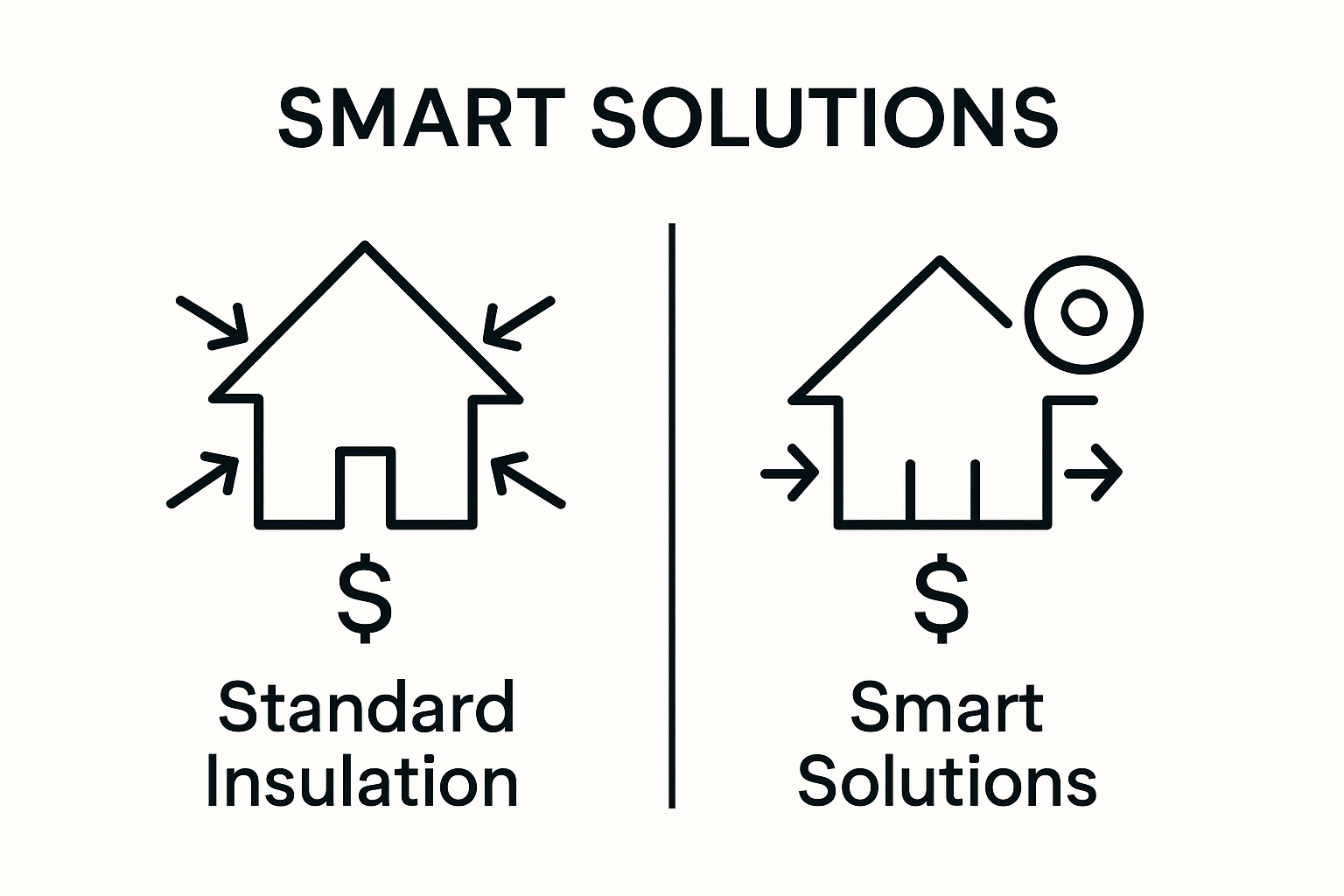
Consumers passionate about sustainability often encounter unexpected pitfalls when attempting to create more environmentally responsible living spaces. Common mistakes in eco-friendly choices can significantly undermine energy efficiency efforts, potentially negating the very environmental benefits homeowners seek to achieve. Understanding these potential missteps is crucial for developing a truly sustainable home strategy.
The most critical errors homeowners make include:
Inadequate ventilation systems represent another substantial mistake that compromises both energy efficiency and indoor air quality. Homeowners frequently underestimate the importance of comprehensive home performance, focusing on individual components rather than holistic system optimization. By addressing these common mistakes, residents can create genuinely sustainable living environments that reduce both environmental impact and long-term utility expenses, transforming good intentions into meaningful ecological action.
The challenge of making everyday living more energy efficient and environmentally friendly calls for smart, durable choices that support your eco-conscious goals. The article highlights key pain points like reducing energy waste, avoiding common eco-friendly mistakes, and integrating sustainable materials such as bamboo into your home design. At Cozee Bay, we understand how important it is to blend functionality with thoughtful, sustainable materials that help reduce your carbon footprint while enhancing your living spaces.

Explore our premium collection of handcrafted bamboo products designed to complement energy-saving homes. From stylish paper towel dispensers to practical food bag organizers, every item is made with care to support smarter, greener living. Don’t wait to bring high-quality, eco-conscious solutions into your home or business. Visit Cozee Bay now to discover how sustainable bamboo designs can transform your space with elegance and function. Start making a difference today by choosing products that balance innovation, style, and the planet’s well-being.
Energy efficient home products are designed to reduce energy consumption while maximizing performance and comfort. They include major appliances, smart technologies, and various home fixtures that lower electricity usage without compromising functionality.
Smart thermostats automatically regulate the temperature of your home, adjusting heating and cooling cycles to optimize energy use based on your lifestyle and preferences. This can lead to significant reductions in your energy bills.
When choosing energy efficient appliances, look for features such as ENERGY STAR certification, intelligent power management systems, and enhanced thermal regulation capabilities to ensure superior performance and lower energy consumption.
To avoid common mistakes, ensure you prioritize high-quality insulation, seal air leaks, select efficient appliances, maintain your systems regularly, and understand energy ratings on products. This holistic approach helps maximize your home’s energy efficiency.
Comments will be approved before showing up.