Your Cart is Empty


Over one third of American households now seek eco-friendly alternatives for everyday storage needs. The materials you choose for organizers can impact not just your home’s style but also the environment for years to come. Exploring bamboo and plastic organizers reveals important differences in sustainability, durability, and long-term value, making it easier to match the right option to your lifestyle.
| Point | Details |
|---|---|
| Bamboo Organizers Are Eco-Friendly | Bamboo offers a sustainable storage solution due to its rapid renewability, biodegradability, and natural aesthetic appeal. |
| Plastic Organizers Are Durable | Plastic provides exceptional durability and low maintenance yet poses long-term environmental challenges due to its non-biodegradable nature. |
| Maintenance Requirements Differ | Bamboo requires regular care and oil treatments, while plastic needs minimal maintenance to maintain performance. |
| Cost Considerations Are Important | Bamboo has a higher initial cost but offers long-term value, whereas plastic is more cost-effective in terms of durability and maintenance. |
Organizers are essential storage solutions designed to help homeowners and businesses manage space effectively while maintaining aesthetic appeal. Two primary materials dominate this market: bamboo and plastic. Understanding their unique characteristics helps consumers make informed decisions about sustainability, durability, and style.
Bamboo organizers represent an eco-friendly storage option crafted from a rapidly renewable resource. These sustainable storage solutions are manufactured from natural bamboo fibers, which grow significantly faster than traditional wood sources. The material offers remarkable strength and biodegradability, making it an attractive alternative to synthetic storage products. Bamboo’s natural properties include impressive resistance to moisture, inherent antibacterial qualities, and a lightweight yet sturdy composition.
In contrast, plastic organizers are manufactured from synthetic polymers, typically derived from petrochemical processes. These storage solutions are known for their durability, lightweight nature, and resistance to environmental factors. While plastic organizers provide versatility and often come at a lower initial cost, they present significant environmental challenges. Many plastic products contribute to long-term waste issues, with some taking hundreds of years to decompose. Modern plastic organizers increasingly incorporate recycled materials, attempting to mitigate their environmental impact.
The key differences between bamboo and plastic organizers extend beyond material composition. Bamboo products typically feature:
Plastic organizers, meanwhile, offer:
When selecting storage organizers, durability and maintenance requirements play crucial roles in determining the most suitable solution for your home or office. Bamboo and plastic organizers present distinctly different characteristics that impact their long-term performance and care needs.
Bamboo products demonstrate remarkable durability, with potential lifespans reaching up to 20 years when properly maintained. These natural storage solutions offer impressive resistance to insects, rot, and mold. However, bamboo organizers require consistent care to preserve their structural integrity and aesthetic appeal. Regular maintenance involves gentle cleaning, avoiding excessive moisture, and occasional treatments with natural oils to prevent cracking or discoloration.
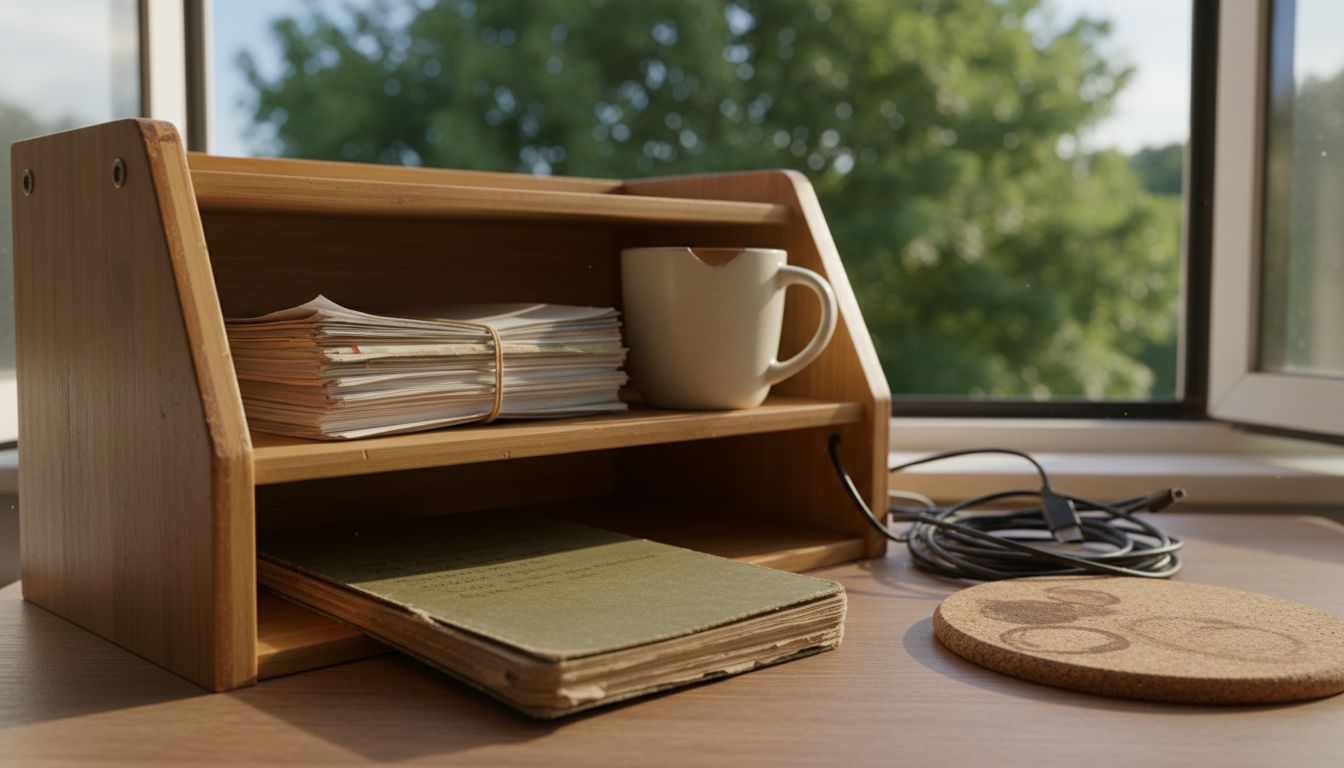
Plastic organizers provide exceptional durability with minimal maintenance requirements. Their synthetic composition makes them highly resistant to harsh environmental conditions, temperature fluctuations, and physical stress. Unlike traditional materials, plastic organizers do not splinter, crack, or deteriorate quickly. These storage solutions are particularly advantageous in high-moisture environments like bathrooms or kitchens, where traditional wooden organizers might struggle.
Key maintenance differences between bamboo and plastic organizers include:
Bamboo Organizer Maintenance:
Plastic Organizer Maintenance:
Choosing between bamboo and plastic organizers ultimately depends on individual preferences, environmental considerations, and specific storage requirements. While bamboo offers natural aesthetics and eco-friendliness, plastic provides unmatched durability and low-maintenance convenience.
The choice between bamboo and plastic organizers extends far beyond aesthetic preferences, deeply impacting environmental sustainability and ecological responsibility. Consumers today increasingly recognize the critical importance of making environmentally conscious purchasing decisions that minimize long-term environmental damage.
Bamboo emerges as a remarkably sustainable material with extraordinary environmental advantages. This rapidly growing plant sequesters significant amounts of carbon dioxide, grows exponentially faster than traditional wood sources, and offers complete biodegradability. Unlike synthetic materials, bamboo organizers naturally decompose without leaving persistent environmental residues. Sustainable home products crafted from bamboo represent a proactive approach to reducing carbon footprints and supporting ecological preservation.
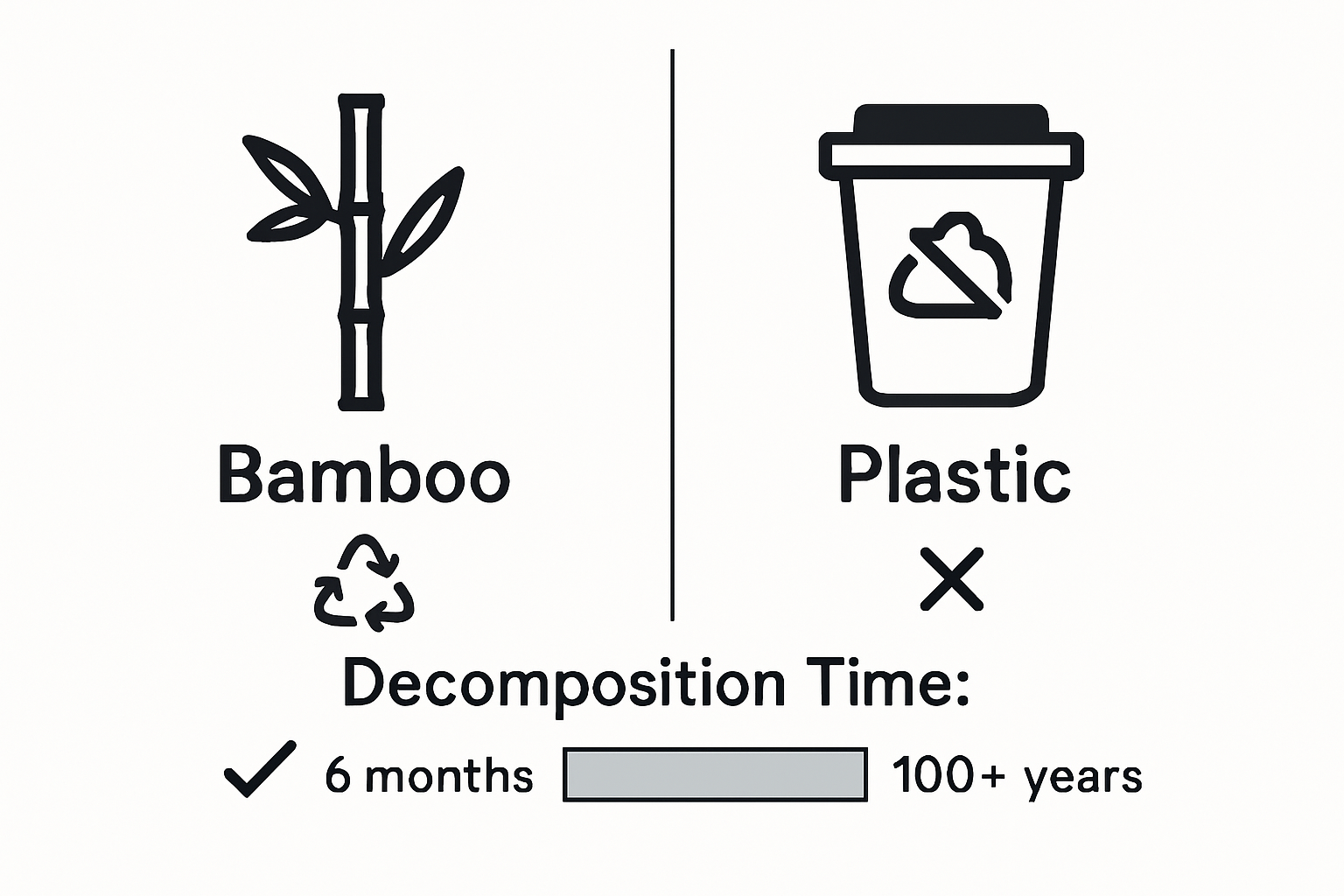
Recycled plastic products present a complex environmental narrative. While these organizers help divert waste from landfills and reduce demand for virgin plastic production, they ultimately contribute to long-term environmental pollution. Plastic organizers, even when manufactured from recycled materials, cannot biodegrade and will persist in ecosystems for hundreds of years. Their manufacturing process continues to generate significant carbon emissions and requires substantial energy consumption.
Environmental Impact Comparison:
Bamboo Organizers:
Plastic Organizers:
Ultimately, choosing bamboo organizers represents a meaningful step toward sustainable living, offering consumers an opportunity to make environmentally responsible decisions without compromising functionality or aesthetic appeal.
Selecting the right storage organizer involves a nuanced evaluation of initial investment, long-term performance, and overall value. Consumers must carefully weigh multiple factors beyond the simple price tag, considering durability, maintenance requirements, and potential replacement costs.
Bamboo organizers typically present a higher initial investment, with production costs ranging 15%-20% higher than plastic alternatives. This increased upfront expense stems from specialized manufacturing processes and the premium nature of sustainable materials. However, bamboo’s remarkable durability and natural aesthetic appeal often offset these initial cost considerations, providing exceptional long-term value for environmentally conscious consumers.
Recycled plastic organizers offer a compelling alternative with significant cost-effectiveness over extended periods. Their exceptional durability and minimal maintenance requirements translate into reduced long-term expenses. While the initial purchase price might be comparable to or slightly higher than traditional plastic products, the reduced need for replacements and minimal upkeep make them an economically attractive option.
Cost and Value Breakdown:
Bamboo Organizers:
Plastic Organizers:
Ultimately, the choice between bamboo and plastic organizers transcends mere price comparison. Consumers must consider their specific needs, aesthetic preferences, and long-term environmental impact when making a purchasing decision.
Storage solutions play a critical role in organizing spaces efficiently, with bamboo and plastic organizers offering unique advantages across residential and professional environments. The selection of appropriate materials depends on specific functional requirements, aesthetic preferences, and environmental considerations.
Bamboo organizers excel in home settings, providing an elegant and sustainable solution for interior design and storage needs. These versatile products work exceptionally well in spaces like kitchens, bathrooms, home offices, and living areas where natural aesthetics and eco-friendly materials are prioritized. Their warm, organic appearance complements various design styles, from minimalist to rustic, while supporting sustainable living practices.
Recycled plastic organizers demonstrate remarkable versatility in both residential and commercial environments. Commercial spaces benefit from bamboo product applications that offer durability and professional aesthetics. These organizers are particularly effective in high-traffic areas such as restaurants, offices, schools, healthcare facilities, and retail spaces where resilience and low maintenance are crucial.
Ideal Applications by Space Type:
Home Spaces: Bamboo Organizers:
Commercial Spaces: Plastic Organizers:
Ultimately, the choice between bamboo and plastic organizers depends on specific environmental conditions, aesthetic preferences, and functional requirements of the intended space.
Struggling to find storage solutions that combine durability, eco-friendliness, and timeless style The article highlights the need for organizers that not only perform well but also support sustainability through materials like bamboo. If you want to avoid the environmental downsides of plastic while enjoying natural aesthetics and functional innovation Cozee Bay offers a curated range of premium bamboo products designed for both home and commercial use. Our collection includes elegant and durable options like the Food Bag Storage Organizers and the versatile Bag Organizer with Wrap Dispenser crafted to meet your organizational needs without compromising on environmental responsibility.

Take action today and elevate your space with sustainable bamboo organizers that last longer and reduce your carbon footprint Explore our full range of innovative products at Cozee Bay and experience the perfect blend of style, sustainability, and smart design. Make the switch now and enjoy free shipping within the contiguous U.S. while supporting eco-conscious craftsmanship you can trust.
Bamboo organizers are made from a renewable resource and are biodegradable, offering a more natural aesthetic. In contrast, plastic organizers are made from synthetic materials, known for their durability and low initial cost, but they contribute to long-term waste issues.
Bamboo organizers require gentle cleaning, periodic oil treatments, and should be kept away from prolonged moisture and direct sunlight. Plastic organizers, on the other hand, are easy to clean with standard household cleaners and need minimal maintenance, as they are resistant to moisture and temperature changes.
Yes, bamboo organizers are more environmentally friendly. Bamboo is a rapidly renewable resource that naturally decomposes, whereas plastic organizers can take hundreds of years to break down and contribute to pollution, even when made from recycled materials.
Bamboo organizers are ideal for home spaces like kitchens, bathrooms, and living rooms where a natural aesthetic is preferred. Plastic organizers are suitable for both residential and commercial environments, particularly in high-traffic areas like offices, schools, and restaurants due to their durability and low maintenance needs.
Comments will be approved before showing up.