Your Cart is Empty


Finding affordable ways to reduce waste in busy city kitchens and commercial spaces can feel complicated without sacrificing style. Bamboo stands out for its rapid renewability and durability, making it an ideal choice for eco-conscious urbanites who want both sustainability and good design. By exploring upcycling bamboo products into higher-value solutions, you can turn everyday items into functional pieces that reflect your environmental values while saving money and resources.
| Point | Details |
|---|---|
| Bamboo Upcycling | Transforming damaged bamboo products into higher-value items reduces waste and aligns with sustainability goals. |
| Preservation of Material | Upcycling maintains the integrity of bamboo, allowing it to serve new purposes without complex processing. |
| Cost-Effective Solutions | Repurposing existing bamboo items creates aesthetic and functional benefits without financial expenditure. |
| Safety Considerations | Thoroughly inspect bamboo products for structural damage and toxic finishes before upcycling to ensure safety. |
Upcycling bamboo means transforming old or used bamboo products into something of higher value rather than simply throwing them away. Unlike traditional recycling, which breaks materials down to their basic components, upcycling keeps the bamboo intact and reimagines its purpose. This distinction matters because it preserves the material’s quality while creating items that often surpass the original product in utility and design.
Bamboo is uniquely suited for upcycling because of its inherent properties. The material is fully biobased, durable enough to withstand multiple uses, and can be transformed without complex processing. When you upcycle a worn bamboo cutting board into a serving tray or convert bamboo paper towel dispensers into organizers, you’re extending the material’s lifecycle while reducing waste. This aligns perfectly with circular economy principles where resources cycle continuously rather than moving toward landfills.
What makes bamboo particularly valuable for this approach is that upcycling transforms materials into higher-value products, creating economic and environmental benefits simultaneously. A damaged bamboo utensil holder can become storage for kitchen wraps or foil. A chipped bamboo drawer organizer gains new life as a bathroom caddy. These transformations add genuine value without requiring new raw materials.
Here’s a comparison of bamboo upcycling and traditional recycling methods:
| Aspect | Bamboo Upcycling | Traditional Recycling |
|---|---|---|
| Material Integrity | Maintains original form | Breaks down material |
| Processing Complexity | Simple, minimal processing | Often requires heavy processing |
| Resulting Value | Higher-value, unique products | Similar or lower-value items |
| Environmental Impact | Lower energy, less waste | Higher energy, more emissions |
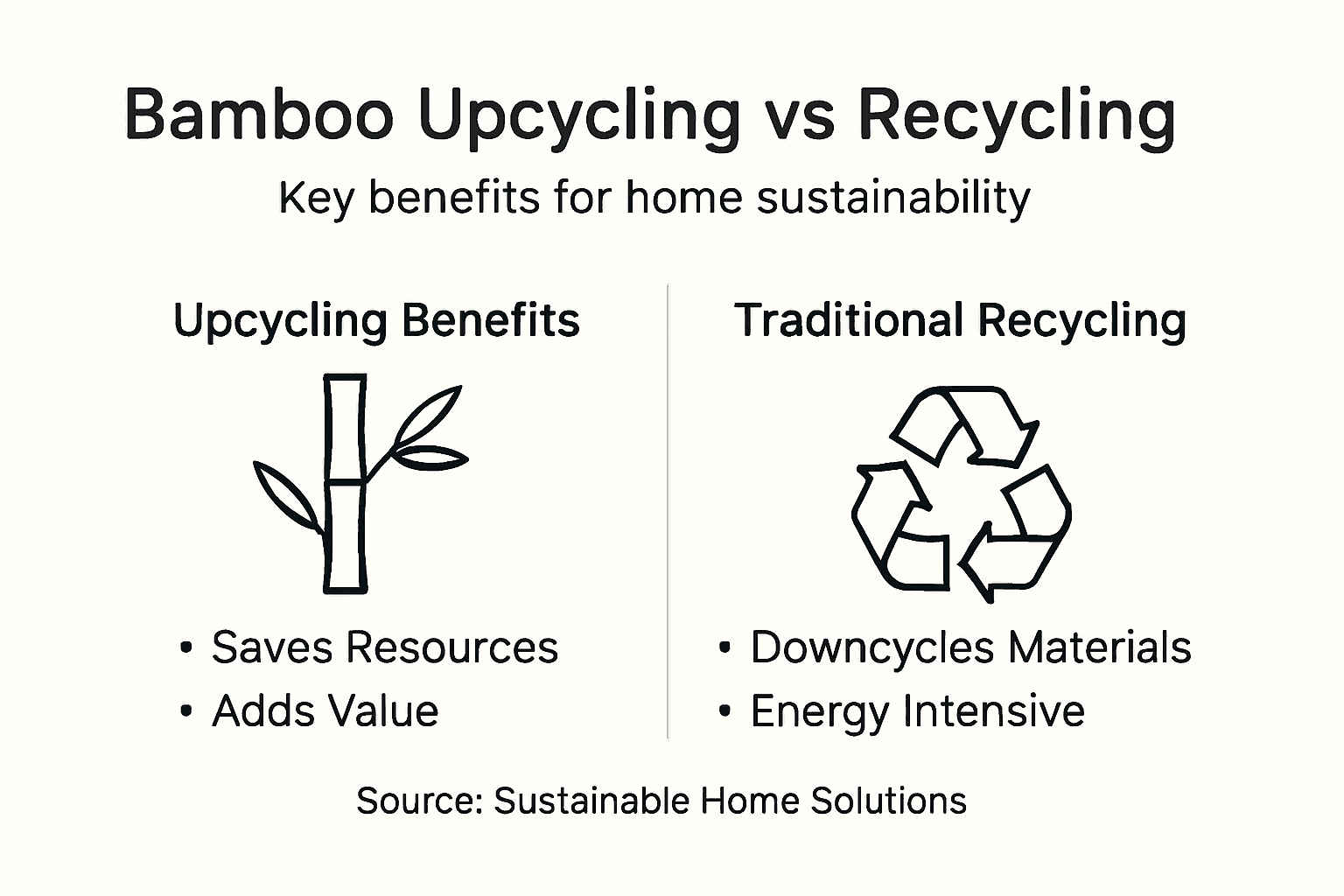
The sustainability advantage is substantial. Bamboo grows in just 3 to 5 years compared to decades for hardwood trees, and it regenerates from its root system after harvesting. When you upcycle bamboo products, you’re not only keeping useful materials out of waste streams but also honoring the rapid regeneration that makes bamboo sustainable in the first place. Bamboo as a renewable resource creates opportunities for recycling and upcycling into new value-added products, ensuring minimal waste throughout the material’s entire lifecycle.
For urban homeowners and small business owners, upcycling bamboo products offers practical solutions. Your kitchen can be transformed by repurposing damaged dispensers and organizers into creative storage solutions that cost nothing while reducing your environmental footprint. This approach turns sustainability into action rather than just intention.
Pro tip: Before discarding any bamboo product, assess its structural integrity by checking for deep cracks or water damage; even pieces with minor wear can be sanded down or repositioned to serve completely different purposes in your home or business.
Upcycling bamboo products opens up countless possibilities across kitchens, offices, and commercial spaces. The most practical starting point involves items you already own that have reached the end of their intended life. A cracked bamboo cutting board transforms into a trivet for hot pots. A worn paper towel dispenser becomes a stylish storage unit for kitchen wraps and foils. These small transformations require no special skills and immediately reduce waste.
Kitchen storage represents the biggest opportunity for upcycling. Bamboo drawer organizers with minor damage can be repositioned as cabinet dividers, utensil holders, or spice rack organizers. Damaged bamboo utensil caddies work beautifully as bathroom storage for cotton swabs and toothbrushes. Your pantry benefits enormously when you repurpose food storage containers and organizers into creative solutions for dried goods, snacks, or beverage storage. Kitchen transformations cost nothing and deliver visible results immediately.
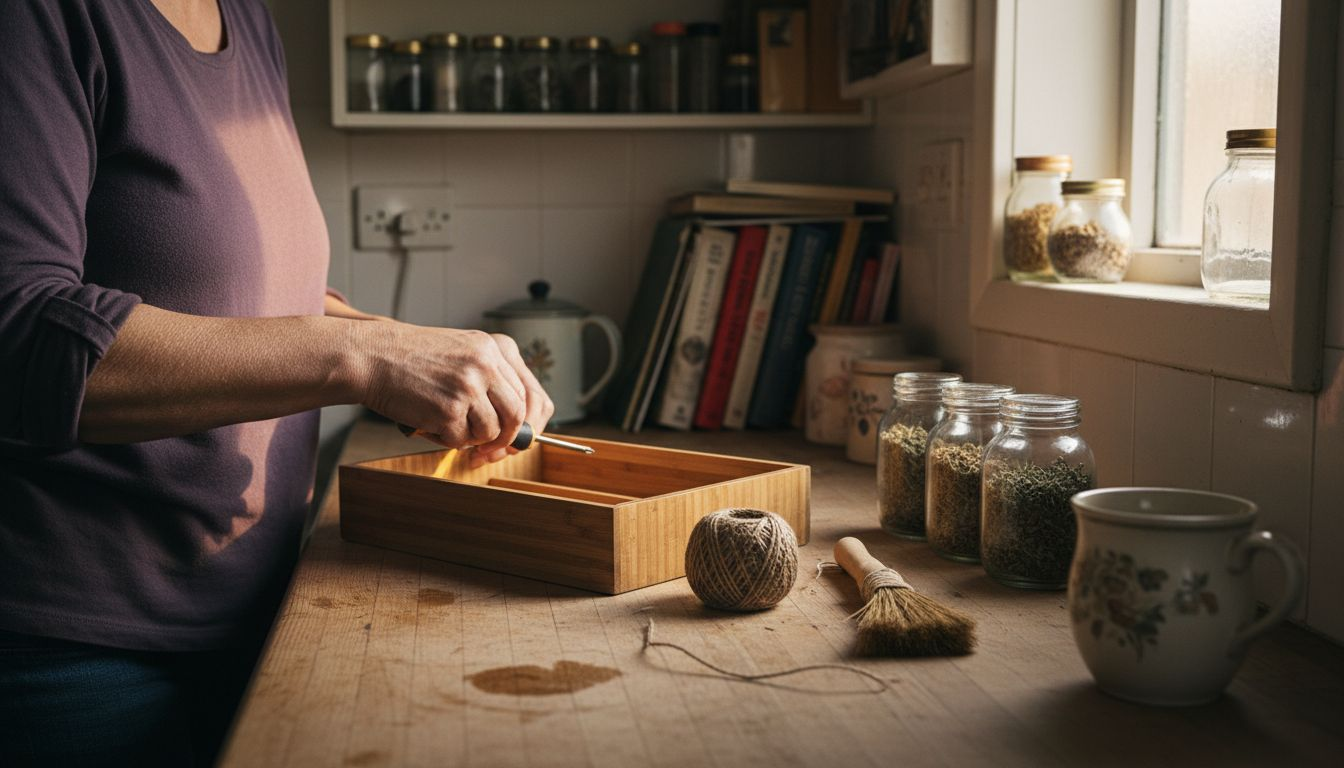
For small business owners, upcycling bamboo creates both aesthetic and financial advantages. Restaurants and coffee shops can convert worn bamboo service trays into unique desk organizers for staff areas. Reception spaces benefit from repurposed bamboo plant stands or shelving that displays products beautifully. Popular bamboo products like toothbrushes, lunch boxes, and household goods showcase how versatile the material truly is when reimagined. A damaged bamboo serving board becomes signage holder or menu display stand. These upcycled pieces tell a sustainability story that customers appreciate.
Bathroom and bedroom spaces also benefit significantly. Old bamboo soap dispensers convert into desk organizers. Damaged bamboo storage boxes become jewelry organizers or dresser cadets. Bamboo products replace non-renewable materials across many sectors, making them excellent choices for sustainable home design. Wall mounted bamboo shelves that no longer fit can be repositioned as closet organizers or laundry room storage.
The key is viewing damaged items not as trash but as raw materials waiting for reimagining. Your most creative upcycling ideas often emerge when you consider how the existing structure could serve a completely different purpose. Start by auditing your current bamboo products and identifying pieces with remaining structural integrity despite cosmetic wear.
Pro tip: Keep a dedicated box for damaged bamboo items throughout the year, then dedicate one afternoon to brainstorming transformations; this batch approach reduces decision fatigue and generates multiple solutions at once.
Kitchen sustainability starts with viewing your existing bamboo products as materials rather than waste. The most effective technique involves assessing what you own, identifying damage patterns, and brainstorming functional alternatives. A bamboo cutting board with a water stain becomes a trivet or hot pad holder. A paper towel dispenser with minor scratches transforms into a wrap and foil organizer. This approach costs nothing and immediately reduces your reliance on single-use items.
Storage optimization represents your biggest opportunity. Damaged bamboo drawer organizers can be repositioned vertically as spice racks, creating accessible seasoning storage that frees up cabinet space. Repurpose worn food containers into modular compartments for your pantry. Stack damaged bamboo utensil holders inside cabinets to create dividers for plates, bowls, and cutting boards. These techniques maximize vertical space while keeping everything visible and accessible.
The key to successful kitchen upcycling involves understanding sustainable kitchen products made from bamboo materials. Bamboo’s natural antimicrobial properties make it suitable for food contact surfaces even after being repurposed, provided the piece shows no deep cracks or water damage. This durability means your upcycled items continue serving practically in your kitchen without compromise.
Color coordination enhances the visual appeal of upcycled pieces. Group similar bamboo tones together on shelving or inside cabinets to create intentional design moments rather than random storage chaos. A collection of mismatched bamboo organizers in consistent hues tells a cohesive sustainability story. This technique transforms necessity into intentional design that impressed guests and reinforces your environmental commitment.
Labeling systems work beautifully with repurposed containers. Clear vinyl labels on upcycled bamboo boxes create an organized pantry that’s both functional and photogenic. This simple addition transforms humble storage pieces into a polished kitchen system. When family members can easily identify contents, sustainability becomes practical rather than theoretical.
Pro tip: Sand down scratched surfaces with fine grit sandpaper before repurposing; this 10 minute investment dramatically improves appearance and reveals the natural bamboo grain underneath, making upcycled pieces look intentional rather than damaged.
Real-world bamboo upcycling extends far beyond individual home projects. Restaurants and cafes have discovered that damaged bamboo serving trays transform into stunning wall displays or hostess stand organizers that reinforce their sustainability commitment. Coffee shops repurpose worn bamboo utensil organizers into the counter space where they sort napkins, straws, and stirrers. These applications cost nothing while creating visual brand ambassadors that tell customers about environmental responsibility.
Hotels and hospitality spaces benefit dramatically from bamboo upcycling strategies. A worn bamboo paper towel dispenser becomes stylish shelf decor in guest bathrooms. Damaged bamboo storage boxes transform into decorative bathroom caddies for toiletries. These transformations elevate guest experiences while reducing waste disposal costs. Staff areas gain beautiful, functional storage from repurposed drawer organizers and compartments that would otherwise require purchasing new systems.
Commercial applications demonstrate bamboo materials successfully applied in real-world construction and manufacturing scenarios, confirming their value across industries. Senior living centers use upcycled bamboo organizers in common areas to create accessible storage for recreational supplies and crafts. Schools repurpose classroom bamboo containers into art supply stations. Office buildings employ damaged bamboo shelving as unique plant stands throughout lobbies and break rooms.
Retail environments showcase creativity through bamboo upcycling. A boutique might display merchandise on repurposed bamboo shelves, turning sustainability into sales conversation. Farmers markets display signage on upcycled bamboo stands, reinforcing their eco-conscious positioning. Libraries reorganize donated bamboo organizers as patron donation collection stations. These applications prove that upcycling works across commercial contexts.
Small business owners particularly benefit from this approach. Upcycling costs virtually nothing while creating distinctive design elements that larger competitors cannot replicate. Your space becomes memorable not because you spent more money, but because you invested creativity and environmental consciousness. This authenticity resonates with modern consumers who actively support sustainable businesses.
Pro tip: Document your upcycling transformations with before and after photos, then share them on social media to attract environmentally conscious customers and position your business as genuinely committed to sustainability rather than greenwashing.
Not every damaged bamboo product deserves a second life. The most critical pitfall involves attempting to upcycle pieces with deep structural damage. Cracks that penetrate through the material weaken its integrity and create splinter hazards. Water damage that has caused swelling or warping indicates the bamboo has absorbed moisture beyond safe levels. When you see these signs, composting or proper disposal is the responsible choice, not upcycling.
Adhesives and finishes present hidden dangers. Many older bamboo products use formaldehyde-based glues or toxic stains that can leach into your kitchen or bathroom spaces. Before upcycling, verify that original products used food-safe finishes and non-toxic adhesives. Bamboo products intended for food contact must never have been treated with harmful chemicals. If you cannot confirm the original manufacturing process, err on the side of caution and avoid food-related applications.
Safety precautions in upcycling include rigorous quality controls and environmental assessments to ensure both user safety and sustainability. Inspect repurposed items thoroughly before placing them where children or vulnerable individuals might touch them. Sand all rough edges and splinters before using the piece. Test structural stability by applying moderate pressure to ensure the item will not collapse under normal use.
Cleanliness matters more than most people realize. Wash bamboo pieces with hot soapy water before their new purpose, especially if they previously held food. Dry them completely to prevent moisture absorption. Never use chemical strippers or harsh solvents that can damage the bamboo or leave toxic residues. Natural cleaning methods protect both your health and the material’s sustainability value.
Storage conditions affect longevity. Upcycled pieces stored in damp basements or humid garages absorb moisture and develop mold. Keep repurposed items in dry, well-ventilated spaces. If using an upcycled organizer in a bathroom, ensure adequate ventilation prevents moisture accumulation. These simple precautions extend the useful life of your transformed bamboo products by years.
Here is a summary of common pitfalls and safety checks for upcycling bamboo:
| Issue Identified | Why It’s a Risk | Recommended Action |
|---|---|---|
| Deep Cracks | Reduces strength, splinters | Discard or compost the item |
| Water Damage | Causes warping, mold risk | Avoid reuse for upcycling |
| Toxic Finishes | Health hazard, offgassing | Confirm safe prior to repurpose |
| Hidden Residues | May contaminate food | Clean thoroughly before use |
Pro tip: Before committing to any upcycling project, test a small hidden area with sanding or cleaning to confirm the bamboo responds well and reveals no hidden damage, discoloration, or toxic finishes underneath.
Are you ready to turn the challenge of upcycling bamboo products into an opportunity for stylish and eco-friendly living spaces? The article highlights how repurposing damaged bamboo items can reduce waste and celebrate the durability of this renewable resource. If you want to elevate your kitchen or commercial area with pieces designed for longevity and sustainability, start with our premium selection at Cozee Bay.

Explore our collection of Bamboo Paper Towel Dispensers - A Sleek Look for Home or Office and discover innovative storage solutions like the Plastic Wrap Dispenser With Cutter | Cozee Bay®. These thoughtfully designed pieces help you implement real circular economy principles by replacing single-use plastics while adding elegance to your space. Act now to embrace sustainability without sacrificing style or functionality at Cozee Bay.
Start transforming your home or business today with bamboo products crafted for durability, upward value, and environmental responsibility. Your space and the planet will thank you.
Upcycling bamboo involves transforming old or used bamboo products into higher-value items, preserving the material’s integrity while creating unique and functional alternatives.
Common ideas include converting cracked bamboo cutting boards into trivets, using worn paper towel dispensers for storing kitchen wraps, and repurposing damaged utensil holders as bathroom storage.
Inspect for deep cracks or water damage, confirm that the original bamboo was treated with food-safe finishes, and thoroughly clean any items that previously held food before repurposing them.
Avoid upcycling bamboo products with deep structural damage, water damage, or toxic finishes. Always ensure that the item is safe, clean, and suitable for its new purpose.
Comments will be approved before showing up.