Your Cart is Empty


More than 36 million tons of wood waste end up in American landfills each year, yet bamboo products offer a refreshingly sustainable alternative for style-minded homeowners and property managers. Choosing the right bamboo solution adds unmistakable character and durability to kitchens and bathrooms while supporting environmental responsibility. Whether you are curious about how bamboo products are grown, processed, or eventually recycled, this guide highlights the essential steps that make bamboo a standout choice for eco-conscious American spaces.
| Point | Details |
|---|---|
| Bamboo Lifecycle | Understanding bamboo’s lifecycle is essential for eco-conscious consumers, focusing on sustainability from cultivation to disposal. |
| Sustainability Advantages | Bamboo outperforms traditional wood in growth speed, resource needs, and end-of-life options, making it a superior eco-friendly choice. |
| Product Versatility | Bamboo serves multiple industries, evidenced by its use in construction, textiles, and household goods, highlighting its adaptability. |
| Responsible Manufacturing | Prioritize products made with minimal chemicals and energy-efficient processes by verified manufacturers to support sustainable practices. |
Understanding the lifecycle of bamboo products is critical for eco-conscious homeowners seeking sustainable solutions. Life Cycle Assessment (LCA) represents a comprehensive methodology that evaluates environmental impacts through every stage of bamboo product development—from raw material extraction to final disposal.
The bamboo product lifecycle typically encompasses five key phases: material extraction, manufacturing, transportation, product usage, and end-of-life management. Each stage contributes unique environmental considerations. During cultivation, bamboo demonstrates remarkable sustainability by rapidly sequestering carbon and requiring minimal resources compared to traditional materials. The industrial bamboo production process can actually achieve a negative carbon footprint when utilizing best-practice technologies.
Key lifecycle stages include:
Pro tip: When selecting bamboo products, prioritize manufacturers who transparently document their entire production lifecycle and demonstrate commitment to sustainable practices.
Here’s a quick comparison of bamboo versus traditional wood across key sustainability factors:
| Factor | Bamboo | Traditional Wood |
|---|---|---|
| Growth Speed | Grows in 3-5 years | Takes 20+ years |
| Resource Needs | Low water, no pesticides | Higher water, chemicals used |
| Carbon Sequestration | Rapid absorption rate | Slower absorption |
| End-of-Life Options | Compostable, recyclable | Often landfilled or incinerated |
| Material Renewal | Regrows after harvest | Requires replanting |
Bamboo has emerged as a remarkably versatile material with applications spanning multiple industries and product categories. Engineered bamboo materials offer innovative solutions in construction, including laminated lumber, parallel strand boards, and specialized paneling that can replace traditional wood and steel components.
The diversity of bamboo products is extraordinary, encompassing everything from architectural elements to everyday household items. Bamboo’s comprehensive utilisations include textiles, paper production, furniture, agricultural tools, and even musical instruments. Each product category leverages bamboo’s unique material properties—its strength, flexibility, and rapid renewability.
Key bamboo product categories include:
Pro tip: When exploring bamboo products, examine the manufacturing process and sustainability certifications to ensure you’re selecting high-quality, environmentally responsible options.
Below is a quick reference for choosing sustainable bamboo products:
| Consideration | Why It Matters | What to Look For |
|---|---|---|
| Certifications | Confirms eco-friendly sourcing | FSC, OEKO-TEX labels |
| Manufacturing Process | Reduces environmental footprint | Minimal chemicals, efficient energy use |
| Supplier Transparency | Ensures accountability | Published lifecycle assessments |
| Lifecycle Impact | Affects overall sustainability | Documented from harvest to disposal |
Sustainable bamboo production represents a holistic approach that integrates environmental stewardship with economic and social development. Responsible manufacturing practices focus on minimizing chemical inputs, implementing efficient processing technologies, and maintaining careful harvesting techniques that preserve bamboo ecosystems.
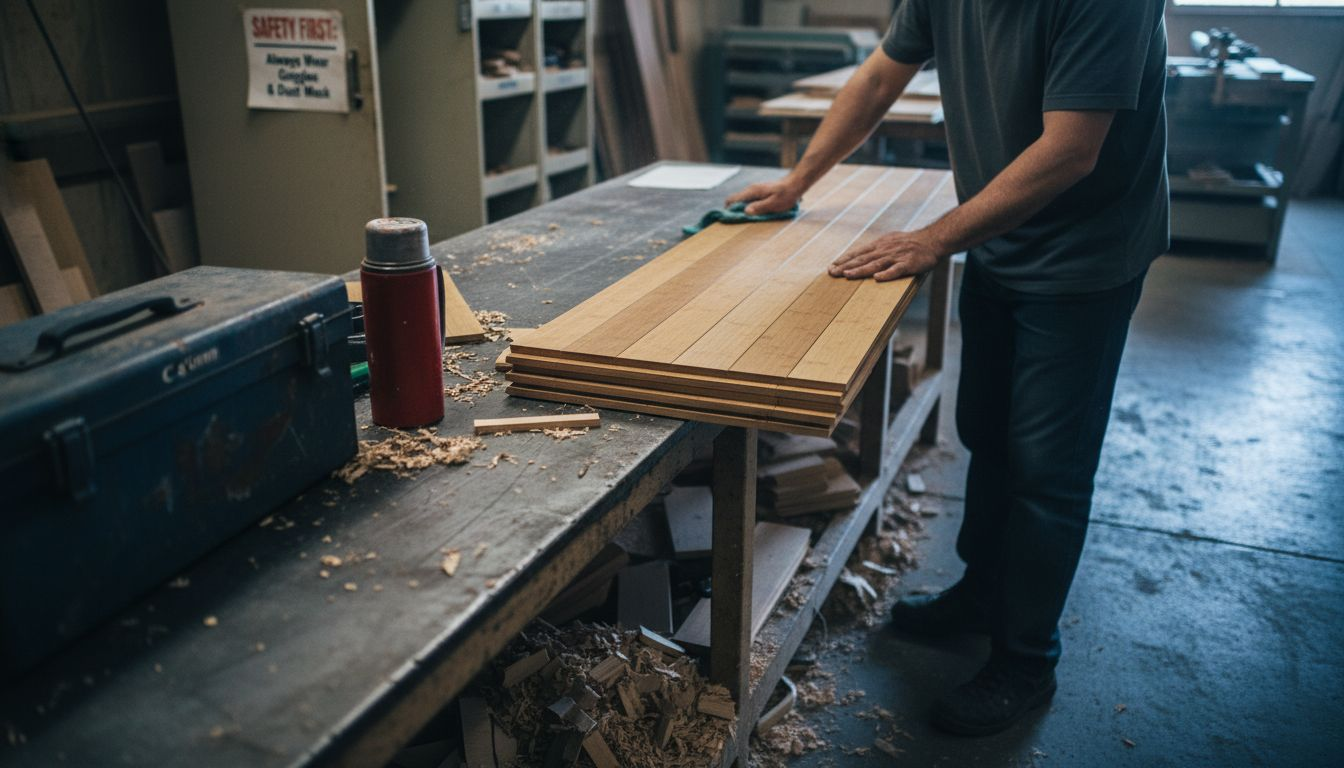
The production process begins with strategic cultivation, leveraging bamboo’s remarkable ability to grow rapidly on marginal lands with minimal resource requirements. Circular economy principles guide manufacturers in creating products that emphasize zero-waste strategies, using low-impact adhesives and treatments that ensure environmental responsibility throughout the manufacturing cycle.
Key sustainable manufacturing approaches include:
Pro tip: Always verify sustainability certifications and manufacturing processes when selecting bamboo products to ensure you’re supporting genuinely eco-friendly production methods.
Bamboo products offer exceptional durability when properly maintained, with a practical lifespan that can extend well beyond traditional materials. Sustainable home products require specific care techniques to maximize their longevity and preserve their natural beauty.
Understanding the unique characteristics of bamboo is crucial for maintaining its structural integrity and appearance. Unlike traditional wood, bamboo’s natural composition makes it resistant to moisture, bacteria, and wear when treated correctly. Regular maintenance involves gentle cleaning, avoiding prolonged exposure to direct sunlight, and protecting the surface from excessive moisture or extreme temperature fluctuations.
Key durability and care considerations include:
Pro tip: Invest in high-quality bamboo products and commit to consistent, gentle maintenance to significantly extend their practical lifespan and maintain their natural aesthetic.
Bamboo’s end-of-life potential represents a remarkable opportunity for sustainable waste management. Circular economy strategies offer innovative approaches to bamboo product disposal that minimize environmental impact and maximize resource efficiency.
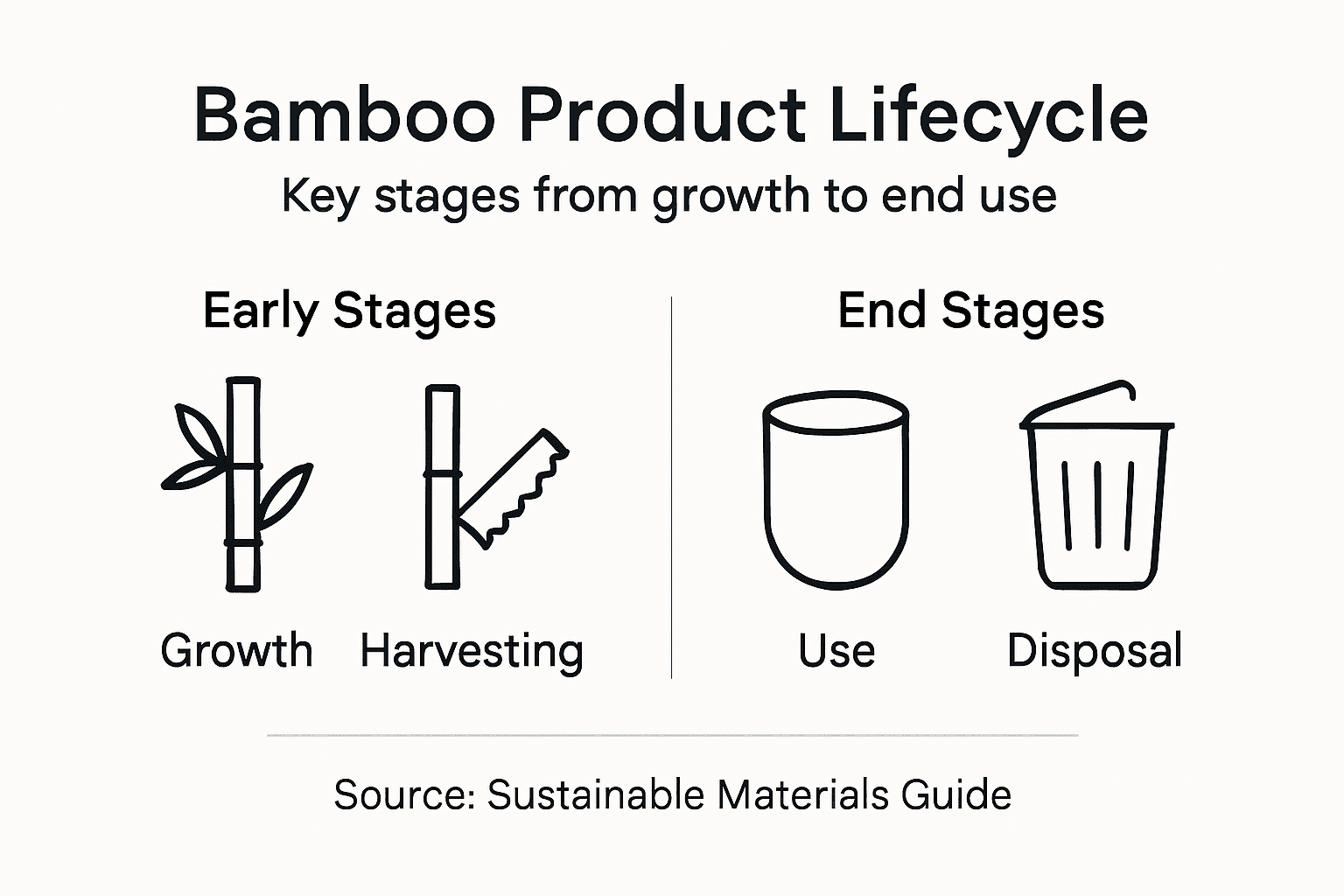
The disposal process for bamboo products encompasses multiple environmentally responsible pathways. Unlike traditional materials that often end up in landfills, bamboo can be composted, mechanically recycled, or transformed into bioenergy sources. Advanced recycling technologies now enable the conversion of bamboo waste into new cellulose-based materials, creating a closed-loop system that significantly reduces overall waste generation.
Key eco-friendly disposal and recycling methods include:
Pro tip: Check local recycling guidelines and specialized bamboo recycling programs to ensure your bamboo products are disposed of using the most environmentally responsible method available.
Understanding the full lifecycle of bamboo products—from rapid growth and responsible harvesting to eco-friendly disposal—allows you to make smarter, greener choices every day. If you want to embrace durable, stylish, and sustainable bamboo solutions, explore our carefully crafted collection at Cozee Bay. Our premium Bamboo Paper Towel Dispenser- A Sleek Look Home or Office line combines eco-conscious materials with innovative design crafted for high-traffic spaces like restaurants, schools, and senior living centers.
Take action now and transform your space with bamboo products that embody sustainability throughout their lifecycle. Don’t compromise on quality or style while supporting responsible manufacturing and end-of-life recycling. Visit Cozee Bay to shop our full range including bamboo dispensers and organizational solutions like Cozee Bay Food Bag Storage Organizers - Integrated Version. Make a positive environmental impact today by choosing bamboo products made to last and designed with eco-friendly care in mind.
The lifecycle of bamboo products includes five key phases: material extraction, manufacturing, transportation, product usage, and end-of-life management. Each stage has unique environmental considerations, contributing to the overall sustainability of bamboo.
Bamboo grows significantly faster, requiring 3-5 years for harvest compared to 20+ years for most trees. Additionally, bamboo needs less water and fewer chemicals, sequesters carbon more rapidly, and offers improved end-of-life options, such as being compostable and recyclable.
Bamboo products are durable, sustainable, and versatile. They provide long-lasting solutions for various household items, including furniture, kitchen utensils, and textiles, while minimizing environmental impact through efficient production and disposal practices.
To maintain bamboo products, use mild, non-abrasive cleaners, avoid prolonged exposure to direct sunlight, and apply natural oils to prevent drying and cracking. Regularly check for excess moisture and store items in a cool, dry environment to extend their lifespan.
Comments will be approved before showing up.