Your Cart is Empty

TL;DR:
- Proper selection and maintenance of eco-friendly bathroom accessories can enhance sustainability, reduce costs, and improve tenant perception. Certifications like EPA WaterSense, FSC, UL GREENGUARD, and EPD ensure product credibility and support green building standards such as LEED. Regular inspections, strategic planning, and sourcing from reputable providers like Cozee Bay maximize these benefits for commercial spaces.
Walk through any well-managed commercial space and you’ll notice something: the bathrooms almost always reflect the care (or lack of it) put into the rest of the building. Yet most property managers spend hours choosing lobby furniture and minutes picking bathroom accessories. That gap is costing them more than they realize. The right eco-friendly accessories don’t just check a sustainability box; they reduce ongoing maintenance headaches, signal quality to tenants and guests, and support certifications that strengthen lease negotiations. This guide gives you a clear, practical path through every decision.
| Point | Details |
|---|---|
| Standards matter | EPA WaterSense and LEED-aligned products drive both compliance and sustainability for commercial bathrooms. |
| Style boosts retention | Cohesive, well-designed accessories make spaces more attractive and reduce tenant churn. |
| Operational checks | Scheduled inspections and proper restocking are essential for hygiene and long-term value. |
| No single best drying method | Choose between hand dryers and paper towels based on your building’s traffic, hygiene needs, and sustainability goals. |
| Test before full rollout | Sample eco-friendly accessories in high-traffic areas before investing in a whole-property upgrade. |
It’s tempting to treat bathroom accessories as an afterthought. You’ve got bigger priorities, and a soap dispenser is just a soap dispenser, right? Not quite. Accessory choices influence maintenance, tenant experience, and sustainability credentials in ways that quietly add up over time.
Think about it from your tenant’s or guest’s perspective. A mismatched, cheap-looking paper towel dispenser in an otherwise polished washroom sends a signal. A cracked soap dispenser that keeps falling off the wall drains your maintenance team’s time. And a holder made from virgin plastic in a space where you’re pitching green credentials looks, frankly, out of place.
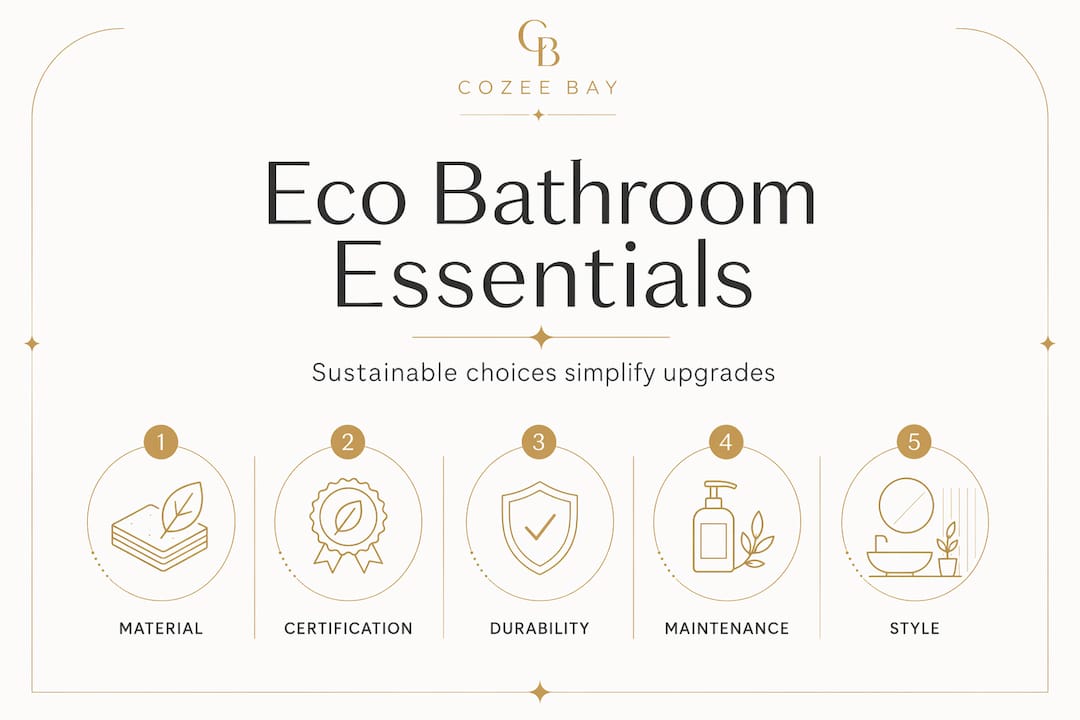
Here’s what deserves attention when you’re making these calls:
“The smallest details in a well-maintained space communicate professionalism to tenants and visitors far more powerfully than most managers expect.”
Getting a handle on eco-friendly essentials for commercial bathrooms helps you focus resources where they actually move the needle.
Not every product that claims to be “eco-friendly” can back it up. When you’re managing a commercial property, you need proof, especially if your building is pursuing LEED points or corporate tenants are asking for documentation.
Here’s a quick breakdown of the certifications that actually matter:
| Certification | What it covers | Why it matters for your property |
|---|---|---|
| EPA WaterSense | Water efficiency and performance verification | Supports water reduction goals, utility savings |
| FSC (Forest Stewardship Council) | Responsible wood and bamboo sourcing | Validates claims for wood-based accessories |
| UL GREENGUARD | Low chemical emissions from products | Supports indoor air quality goals, WELL building programs |
| EPD (Environmental Product Declaration) | Full lifecycle environmental impact | Required for many LEED credits |
EPA WaterSense is the key third-party program for verifying water efficiency and performance, meaning any faucets, soap dispensers with water components, or related accessories bearing this label have met independent performance standards. That matters when you’re negotiating with tenants about utility responsibility.
LEED-aligned bathroom upgrades require third-party environmental documentation such as EPDs, so before you purchase a full set of accessories, ask your supplier for documentation. A verbal “yes, it’s sustainable” isn’t enough for certification audits.
Manufacturers often use certifications like FSC, UL GREENGUARD, and WaterSense to support sustainability claims, but you should verify these are current and not expired. Certifications can lapse, and an expired label offers you no legal or reputational cover.
Key things to check before buying:
Pro Tip: When choosing eco-friendly accessories, create a simple one-page spec sheet for each product category listing the certifications you require. Share it with vendors upfront to eliminate products that can’t qualify before you spend time reviewing samples.
Corporate tenants often track their own Scope 3 sustainability data, which includes the spaces they occupy. A building that can provide documentation supporting their sustainability reporting becomes measurably more attractive at lease renewal time. That’s not a small advantage.
Once you know what certifications to look for, the next question is: what materials and products are actually available for commercial use? The good news is that the market has expanded significantly, and you’re no longer choosing between sustainable and stylish.
Top eco-friendly material options for commercial bathrooms:
| Material | Durability for high traffic | Visual style options | Typical certifications available |
|---|---|---|---|
| Bamboo | High | Warm, natural, modern | FSC, GREENGUARD |
| Recycled stainless | Very high | Sleek, industrial, classic | Recycled content certificates |
| Beechwood | Medium-high | Natural, premium | FSC |
| Bio-based plastic | Medium | Versatile | Third-party biodegradability certs |
| Sisal/natural fiber | Lower (check use case) | Rustic, organic | Limited; verify per product |
Consistent design and finish across accessories reduces tenant churn and boosts perceived quality. That insight is backed up by design award recognitions that specifically highlight finish cohesion as a driver of user satisfaction. Mixing brushed nickel with matte black with wood grain in the same bathroom creates visual noise that undermines even the most premium individual pieces.
Pro Tip: Before ordering a full set, purchase one unit of each accessory you’re considering and install them together in a single test bathroom. Live with them for two weeks and assess fit, finish consistency, maintenance ease, and refill logistics. This saves you from a costly full-rollout mistake.
Check out options for stylish and sustainable holders if visual design is a top priority for your property. And if your current setup feels chaotic, working through bathroom decluttering tips before adding new accessories will help you start fresh.
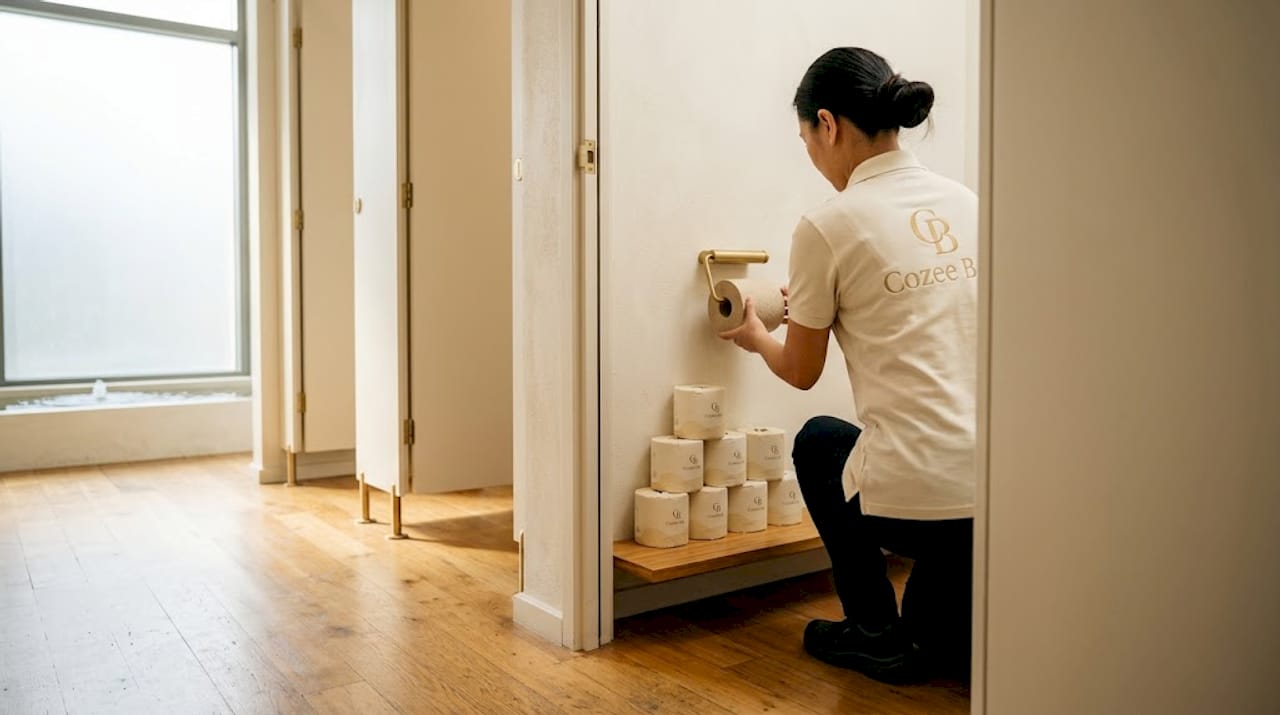
Here’s where many otherwise solid upgrade plans run into trouble. You can purchase beautiful, certified, sustainably sourced accessories, but if restocking and maintenance routines aren’t built around them, the whole system falls apart fast.
The paper towel vs hand dryer question comes up in almost every commercial bathroom project. The honest answer is: it depends. Reviewing paper towels vs hand dryers from an operational standpoint shows that efficient hand dryers can reduce lifecycle carbon and waste in many scenarios. But in healthcare settings, food service environments, or spaces serving elderly or immunocompromised populations, paper towels are often still the hygienic standard.
For most restaurant, office, or retail contexts, a well-designed eco-friendly paper towel setup using a quality bamboo or recycled material dispenser balances hygiene, style, and sustainability effectively. Understanding the types of paper towel dispensers available helps you match the right format to your traffic patterns and restocking schedule.
“Sustainability isn’t just about what you buy. It’s about how consistently you maintain and manage what you’ve installed.”
Scheduled inspection for fixture function is key to ongoing sustainability and hygiene, not just during turnover. A simple monthly routine prevents small issues from becoming expensive problems.
Here’s a practical maintenance checklist to run through monthly:
Pro Tip: Assign a specific staff member to own each monthly inspection rather than leaving it to whoever happens to be available. Accountability drives consistency, and consistency is what keeps eco-friendly systems performing as intended.
You’ve got the context, the certification knowledge, the material options, and the maintenance playbook. Now here’s how to pull it all together into a decision process that works for your specific property.
Accessory selection should balance sustainability, hygiene, operational cost, and brand/style impact, and that balance looks different for a senior living center than it does for a trendy coffee shop. Start with your priorities, not a vendor’s catalog.
A practical decision framework:
Improving the overall hygiene baseline alongside your accessory upgrades pays dividends. Explore approaches for improving restroom hygiene naturally to complement your new accessories with equally thoughtful cleaning and maintenance practices.
Pro Tip: Sample accessories before a full rollout. Order one unit each of your top two or three contenders, install them side by side in the same bathroom, and gather feedback from cleaning staff and regular users over two to four weeks. Real-world use reveals fit issues, refill complexity, and durability concerns that no product page will disclose.
We’ve worked through the full picture of how to choose, certify, and maintain eco-friendly commercial bathroom accessories. Now let’s be honest about why most upgrades underperform, because the industry playbook skips over the real reasons.
Most well-intentioned bathroom upgrade projects stall or disappoint not because the products were wrong, but because the operational details were never locked down. A beautiful bamboo paper towel dispenser that runs out of stock by noon every Tuesday because no one set a proper restocking schedule is not an eco win. It’s a frustration point for every person who walks in and finds an empty holder.
Tenant complaints, in our experience, rarely center on the big-ticket items. They come from mismatched accessory finishes that make a bathroom feel cheap despite an expensive renovation, from a soap dispenser that drips, from a toilet brush holder that looks sustainable on paper but harbors bacteria because it can’t be cleaned properly. These details are what actually drive the tenant experience day to day.
The other gap we see regularly is the absence of staff training after a new accessory system is installed. Your cleaning crew needs to know how a new dispenser refills, which cleaning products are safe for bamboo or recycled materials, and how to flag a maintenance issue promptly. Without that knowledge transfer, new accessories age badly and fast.
Real success in this area comes from treating the bathroom as a system, not a checklist. Sustainability, design cohesion, and ongoing operational oversight have to work together. And if you want a deeper look at what that means in practice, the 2026 eco hygiene guide is worth keeping in your reference library.
If you’re ready to move from planning to sourcing, the next step is finding products that genuinely deliver on sustainability, style, and durability without making you dig through pages of greenwashed claims.
Cozee Bay specializes in handcrafted bamboo and eco-friendly accessories designed specifically to meet the demands of both residential and commercial environments, including restaurants, coffee shops, senior living centers, and office buildings. Every product is built with a focus on sustainable materials, thoughtful design, and real-world functionality. From bamboo paper towel dispensers that bring warmth and visual cohesion to any washroom, to organizers that keep surfaces clean and restocking simple, the collection is curated to check the boxes that matter most to property managers and business owners. Browse the full range of eco-friendly bathroom essentials and find options that work for your space, your team, and your sustainability goals.
EPA WaterSense is the key third-party program specifiers use to verify water efficiency and performance, while LEED-aligned upgrades rely on compliant fixture performance and third-party environmental documentation like EPDs to validate sustainability credentials.
Yes, provided you verify durability, hygiene standards, and restocking feasibility for commercial volume. Eco-friendly substitutions exist, but operational hygiene, restocking cadence, and cost-in-use should be confirmed before committing to a full rollout.
Efficient hand dryers often reduce lifecycle carbon and waste, but hygiene expectations vary by building type. Paper towels remain the preferred choice in healthcare, food service, and other hygiene-sensitive environments, so the best answer depends on your usage patterns and user population.
Monthly scheduled inspections are recommended for maintaining function, hygiene, and sustainability compliance. A practical methodology is to inspect and verify fixture function on a scheduled basis rather than only during tenant turnover.
Comments will be approved before showing up.