Your Cart is Empty


Finding home products that are both stylish and genuinely sustainable can feel challenging for eco-conscious Americans in dense urban cities. Every handcrafted bamboo item offers something mass-produced goods can’t—a human touch and a commitment to environmental responsibility. Discover how the unique objects created through skilled manual labor bring durability, beauty, and reduced environmental impact to your space, supporting artisans and the planet with every thoughtful purchase.
| Point | Details |
|---|---|
| Handcrafted Items Offer Uniqueness | Handcrafted home products are one-of-a-kind and bring character through skilled craftsmanship. |
| Sustainability and Functionality Matter | Handcrafted items prioritize eco-friendly materials and designs that enhance both utility and environmental responsibility. |
| Support Artisans Through Your Choices | Purchasing handcrafted products sustains artisans, promotes economic stability, and fosters cultural preservation. |
| Durability Equals Smart Investment | Handcrafted goods are built to last, offering long-term value and safety over mass-produced alternatives. |
Handcrafted home items are unique objects created through skilled manual labor, designed with purpose and care by artisans who understand both function and aesthetics. Unlike mass-produced goods rolling off factory lines, these pieces carry the fingerprints of their makers—literally and figuratively.
At their core, handcrafted items represent culturally rooted, sustainable objects made through human skill rather than complex machinery. You’ll notice distinct character in every piece: slight variations in wood grain, hand-applied finishes, and subtle imperfections that prove human creation.
Handcrafted home products share several defining characteristics that separate them from factory production:
Handicrafts serve domestic, ceremonial, or symbolic purposes rather than purely decorative functions. This distinction matters for urban homeowners seeking items that work as hard as they look.
People often assume handcrafted means “expensive” or “fragile.” That’s simply not true. Yes, quality handcrafted items cost more upfront than mass-produced alternatives—but they last decades longer, making the cost-per-year lower.
Another myth: handcrafted equals “rustic” or “dated.” Modern artisans create sleek, contemporary designs using traditional techniques. Bamboo paper towel dispensers from sustainable makers prove you can have both style and substance.
Some worry handcrafted items won’t fit modern homes. The reality? Handcrafted goods complement any interior when chosen thoughtfully. They work alongside minimalist spaces, eclectic designs, and everything between.
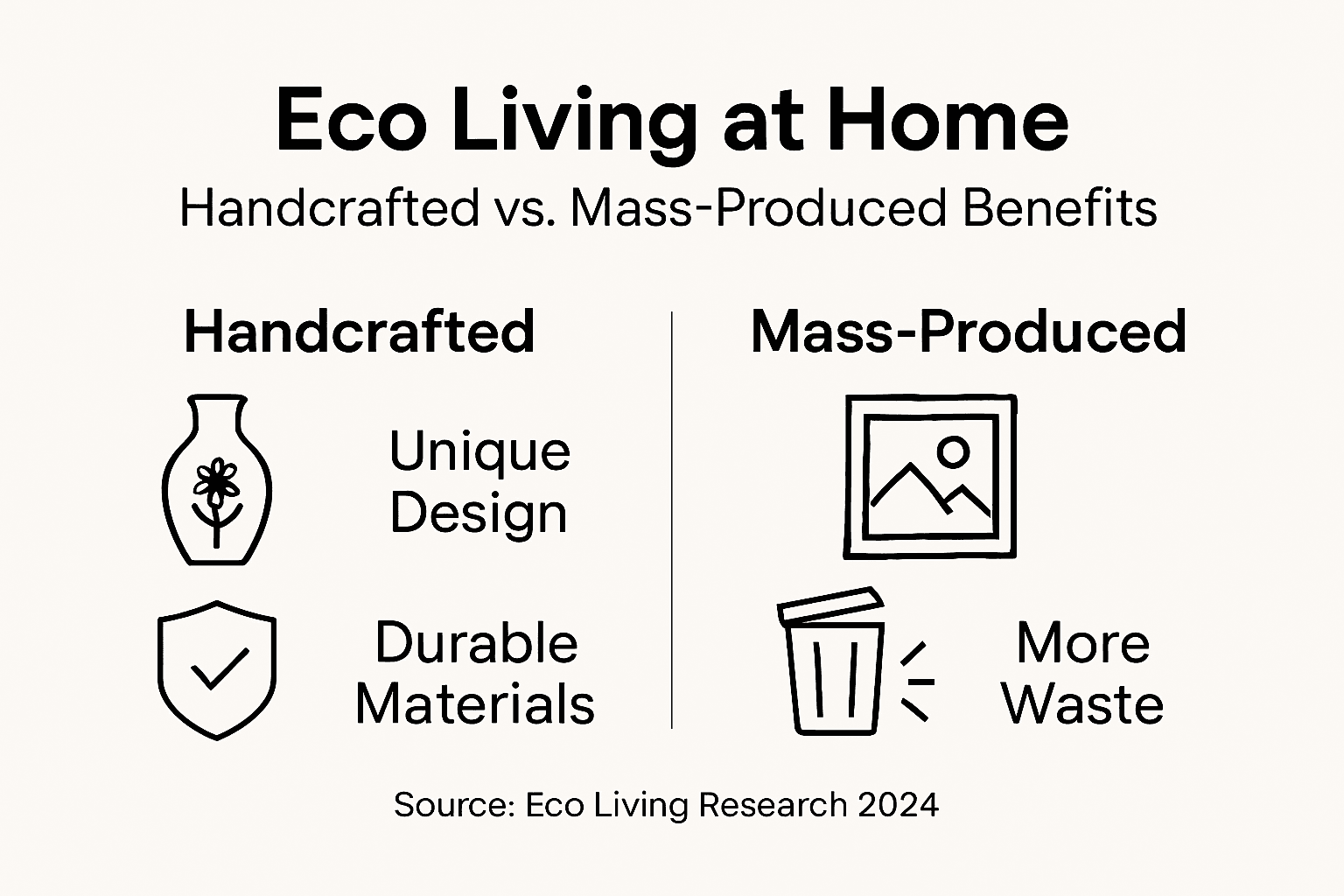
Handcrafted items differ fundamentally from mass production because they prioritize quality, sustainability, and artisan livelihood over speed and volume.
The environmental impact speaks loudly here. Small-scale production creates lower waste, reduced transportation emissions, and supports local economies directly. You’re not just buying a product—you’re funding skilled workers and sustainable practices.
When you choose handcrafted home items for your space, you’re investing in durability, supporting artisans, and aligning your home with eco-conscious values. These aren’t luxuries; they’re practical choices for thoughtful living.
Here’s a quick comparison of handcrafted vs. mass-produced home items:
| Attribute | Handcrafted Items | Mass-Produced Items |
|---|---|---|
| Uniqueness | Each piece varies slightly | Nearly identical items |
| Material Sourcing | Often local and sustainable | Frequently global, less traceable |
| Longevity | Designed for decades of use | Often replaced within a few years |
| Environmental Impact | Lower waste and emissions | Higher overall footprint |
| Artisan Support | Directly benefits skilled makers | Supports large corporations |
Pro tip: Look for items designed with dual purposes—like bamboo organizers that store essentials while adding visual appeal—to maximize both function and sustainability in your space.
Bamboo offers incredible versatility for handcrafted home items. From kitchen essentials to organizational solutions, artisans create products that combine function, durability, and natural beauty. The material itself—sustainable, lightweight, and naturally antimicrobial—makes it ideal for everyday use in modern homes.
Traditional bamboo weaving creates kitchen utensils and household goods that work as hard as they look. Cutting boards, serving trays, and utensil holders bring warmth to your countertops while reducing reliance on plastic alternatives.
These items typically feature:
Bamboo utensil holders and knife blocks organize your drawer space while adding visual interest. Unlike metal or plastic organizers, bamboo complements nearly any kitchen aesthetic.
Handcrafted bamboo organizers address the chaos urban homeowners face daily. Drawer dividers, paper towel dispensers, and storage boxes transform cluttered spaces into organized systems.
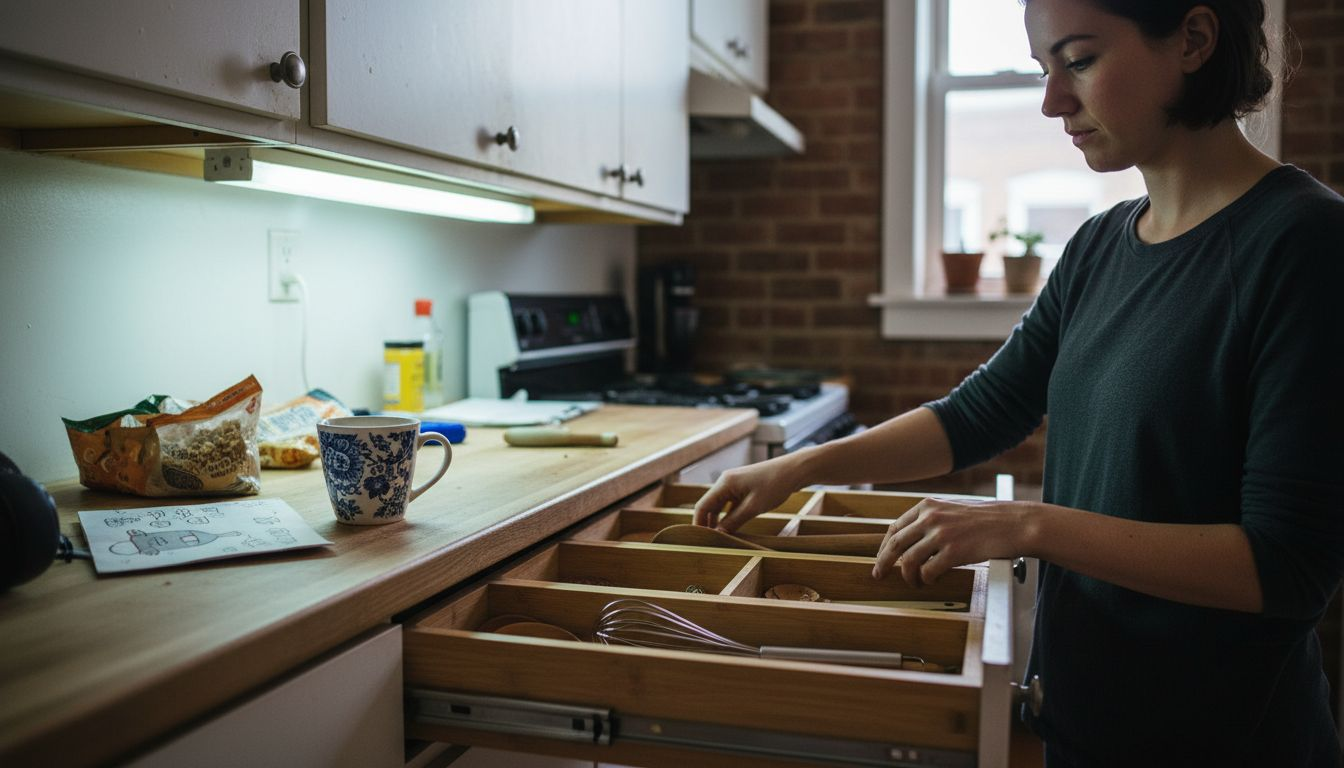
The variety of bamboo products reflects local cultural aesthetics while serving practical purposes. Food bag organizers, wrap dispensers, and trash bag holders eliminate the frustration of rummaging through cabinets.
These functional items work in:
Bamboo handcrafted furniture pieces blur the line between art and utility. Shelving units, plant stands, and wall organizers add dimension to rooms while maintaining eco-conscious values.
Smaller decorative items include boxes, frames, and accent pieces that personalize your space without environmental guilt. Each item tells a story through its unique grain and hand-finished details.
The affordability, durability, and artistic value of bamboo handcrafted products make them significant investments for both your home and your values.
When shopping for bamboo items, you’ll notice variations in color, finish, and design. These differences aren’t flaws—they’re proof of authentic handcraftsmanship. No two pieces are identical, making your home genuinely one-of-a-kind.
Pro tip: Mix and match bamboo items across different rooms to create visual cohesion while solving specific organizational problems in each space—kitchen organizers, bedroom drawer dividers, and bathroom storage work together as a coordinated system.
Consider these value-added benefits when choosing bamboo handcrafted products for your home:
| Benefit | Kitchen Use Example | Storage Use Example |
|---|---|---|
| Natural Antimicrobial | Cutting boards resist bacteria | Storage boxes safe for food |
| Lightweight | Easy-handling utensils | Simple shelf installation |
| Visual Cohesion | Matches wood kitchen accents | Coordinates across rooms |
| Reduced Plastic | Replaces plastic tools | Limits synthetic storage |
True eco-friendly handcrafted items balance three critical elements: aesthetics, practical utility, and environmental responsibility. This combination separates genuinely sustainable products from greenwashing marketing claims. When these elements align, you get items that enhance your life while protecting the planet.
Sustainable furniture design reduces environmental impact through material selection and durability. Handcrafted bamboo products exemplify this principle—the material regenerates quickly, requires minimal chemical processing, and lasts for decades with basic care.
Handcrafted items excel because artisans choose materials thoughtfully:
When you buy handcrafted, you’re investing in products designed to outlast trends. This longevity directly reduces your environmental footprint over time.
Functional design drives real sustainability. A beautiful paper towel dispenser that breaks after six months wastes more resources than an ugly one lasting five years. Handcrafted items prioritize engineering alongside aesthetics.
Look for design features that solve actual problems:
Eco-friendly design integrates waste reduction and resource efficiency into every aspect of production. Handcrafted items minimize waste by using natural materials efficiently—no plastic packaging, no oversized containers, no unnecessary components.
Your home shouldn’t feel like a “green” space separate from your actual life. Handcrafted bamboo items integrate seamlessly into contemporary, minimalist, or eclectic interiors because artisans design with current aesthetics in mind.
Handcrafted items succeed because they marry beautiful design with genuine functionality, creating products you’ll actually use and love for years.
When selecting eco-friendly home essentials, choose pieces that align with your existing décor while solving organizational challenges. A gorgeous organizer you don’t use wastes resources just as much as cheap plastic alternatives.
The best handcrafted pieces accomplish multiple goals simultaneously. A bamboo drawer organizer stores items, reduces clutter, adds visual warmth, and eliminates plastic. That’s genuine eco-friendly design.
Pro tip: Prioritize handcrafted items for high-visibility spaces and frequently used areas where you’ll appreciate their durability and beauty daily—kitchen counters, bathroom vanities, and home offices get the most return on your sustainable investment.
Handcrafted home items shine in the durability department because artisans build them to last, not to be replaced seasonally. This staying power matters enormously in residential spaces where your family interacts with products daily. Safety and longevity go hand-in-hand when quality craftsmanship meets thoughtful material selection.
Handcrafted home items emphasize durability through natural, non-toxic materials and traditional techniques that ensure longevity. Bamboo products specifically resist moisture, won’t splinter from repeated handling, and maintain structural integrity for decades. A handcrafted organizer you buy today could still organize your drawers in 2035.
This durability translates directly into safety benefits:
When you choose handcrafted items, you’re avoiding the cheap plastic organizers that crack, the laminate finishes that peel, and the particle board that crumbles under normal household stress.
Handcrafted production avoids the chemically intensive processes common in mass manufacturing. This matters significantly in residential spaces where children, pets, and sensitive individuals spend their time. No off-gassing from harmful adhesives, no plastic leaching, no questionable coatings.
Look for these safety markers in handcrafted items:
Repairability represents another crucial safety advantage. When a handcrafted drawer organizer develops wear in one section, you can repair it rather than landfill the entire item. This extends product life while maintaining safety standards throughout its use.
Your residential space deserves products that work harder than cheap alternatives. Handcrafted items won’t wobble, won’t off-gas fumes, and won’t crumble into unusable pieces after eighteen months. That’s not luxury—that’s smart residential design.
Durability and safety align perfectly in handcrafted products because artisans choose materials and techniques specifically to protect both your home and your health.
When you invest in handcrafted home items, you’re reducing the cycle of constant replacement that waste money and harms the environment. Each item becomes a trusted element of your space rather than a temporary placeholder.
Pro tip: Store handcrafted items in climate-controlled areas away from direct sunlight to maximize their lifespan—this simple precaution preserves both durability and appearance for years of reliable use.
When you purchase handcrafted bamboo items, you’re doing more than buying a product—you’re funding livelihoods, preserving cultural heritage, and supporting sustainable economic systems. This direct connection between your purchase and an artisan’s success represents genuine impact that mass-market consumption can’t deliver.
Artisan entrepreneurship drives cultural preservation and economic development in communities worldwide. Unlike factory workers earning hourly wages, artisans build businesses where their skill directly translates to income. When urban homeowners invest in handcrafted items, they strengthen these enterprises.
Supporting artisans creates tangible economic benefits:
Your choice to buy handcrafted matters financially. An artisan earning $500 from ten customers buying quality items experiences far greater stability than someone depending on low-wage factory employment. That stability allows them to invest in equipment, training, and business growth.
Supporting artisan success requires embracing innovation while preserving cultural authenticity. Modern artisans aren’t stuck creating only traditional designs—they blend heritage techniques with contemporary aesthetics. This balance keeps their work relevant and commercially viable.
When you choose handcrafted items, you’re incentivizing this innovation. Artisans see market demand for stylish bamboo organizers and paper towel dispensers, so they invest in improving designs, experimenting with finishes, and developing new products. Your purchases directly fund this creative evolution.
Sustainable commerce flourishes when artisans can:
Artisan businesses strengthen market resilience and foster community wellbeing. When you prioritize handcrafted home items, you’re voting with your wallet for a different economic model—one that values craftsmanship, supports individuals, and respects cultural traditions.
This matters especially in urban areas where globalization and mass production have displaced traditional artisans. Your choices help rebuild these valuable economic ecosystems.
Supporting artisans means investing in people, not just products. Each purchase strengthens entire communities and cultural heritage systems.
The difference between buying mass-produced and handcrafted extends far beyond quality. You’re choosing between supporting anonymous factory systems and directly funding skilled individuals building sustainable livelihoods. That’s powerful economic agency.
Pro tip: When purchasing handcrafted items, ask about artisan backgrounds and production stories—this information helps you make intentional choices aligned with specific communities and cultural traditions you want to support.
The article highlights the challenges urban homeowners face when seeking durable, sustainable, and stylish handcrafted home items that truly support eco living. If you value long-lasting products made with thoughtful design and renewable materials, Cozee Bay offers the perfect answer. Our curated collection includes bamboo paper towel dispensers, food bag organizers, and drawer organizers that combine function, beauty, and environmental responsibility.
Experience the unique benefits of authentic handcrafted bamboo goods that are designed to fit seamlessly into modern homes or commercial spaces while reducing your environmental footprint. Visit Cozee Bay today to explore our premium range and join a community that supports artisans and sustainable commerce. Don’t wait to transform your space with products built to last and made with care.
Handcrafted home items are made from sustainable materials and prioritize durability and quality over mass production. This leads to a reduced environmental impact, support for local artisans, and unique pieces that add character to your home.
Handcrafted items are made with skilled manual labor, using locally sourced or renewable materials, often resulting in unique variations. Mass-produced items, on the other hand, are typically uniform and often made from non-sustainable materials.
Yes, while handcrafted items may have a higher upfront cost, their durability and longer lifespan often result in lower cost-per-year. They also support local artisans and sustainable practices, making them a wise ecological choice.
Handcrafted bamboo items can easily complement any interior design. Look for versatile products like organizers, decorative boxes, and furniture that match your home’s aesthetic. Mixing and matching bamboo pieces can create visual cohesion while addressing specific organizational needs.
Comments will be approved before showing up.