Your Cart is Empty


Choosing stylish and sustainable solutions is more than a trend for American restaurants—it is a reflection of your values and your guests’ expectations. Eco-conscious owners know that even simple updates like a bamboo paper towel dispenser can make a bold statement in both design and sustainability. Discover how bamboo craftsmanship blends green design principles with modern elegance, transforming a simple necessity into a detail that elevates your restaurant’s green reputation and customer experience.
| Point | Details |
|---|---|
| Bamboo Craftsmanship Importance | Bamboo craftsmanship combines traditional techniques with modern sustainability, creating eco-friendly and functional products. |
| Versatile Material | Bamboo is recognized for its rapid growth, low environmental impact, and diverse applications from architecture to decorative arts. |
| Sustainability Benefits | Bamboo’s ability to sequester carbon and grow with minimal resources makes it a leading choice in sustainable design. |
| Commercial Considerations | Overcoming cultural perceptions and ensuring quality control are essential for successfully integrating bamboo into commercial uses. |
Bamboo craftsmanship represents a sophisticated intersection of traditional skill and modern sustainability, transforming a rapidly renewable resource into functional and aesthetic products. This nuanced art form goes far beyond simple woodworking, embodying principles of ecological design and cultural preservation. Bamboo craft techniques integrate green design principles with deep artisanal knowledge, creating products that respect both environmental constraints and creative potential.
At its core, bamboo craftsmanship involves meticulous processing of one of nature’s most versatile materials. Unlike traditional timber, bamboo offers remarkable advantages: extraordinary growth rates, minimal environmental impact, and exceptional structural properties. Craftspeople carefully select, harvest, and treat bamboo using techniques passed through generations, transforming raw stalks into everything from intricate home decor to robust architectural elements. Rural economies in regions like Assam have long recognized bamboo’s potential as a high-yield, renewable resource that supports both economic development and sustainable practices.
Modern bamboo craftsmanship challenges common misconceptions about the material’s durability and aesthetic range. Advanced treatment processes now enable craftspeople to create products rivaling traditional wood in strength and longevity while maintaining superior ecological credentials. From sleek contemporary furniture to traditional cultural artifacts, bamboo demonstrates remarkable versatility that transcends simple categorization as a craft material.
Pro tip: When selecting bamboo products, examine the craftsmanship details like joint connections, surface treatment, and overall structural integrity to ensure high-quality, sustainable design.
Bamboo craftsmanship encompasses a diverse range of techniques and applications, with different species and processing methods tailoring the material to specific uses. Sansui bamboo weaving represents a sophisticated craft involving 17 distinct bamboo species, demonstrating the material’s incredible versatility across various product categories. From intricate basketry to architectural elements, bamboo’s adaptability makes it a premier choice for sustainable design.
The primary types of bamboo craftsmanship can be categorized into several key domains. Construction and architecture represent one significant area, where engineered bamboo materials provide lightweight, strong alternatives to traditional building resources. Furniture design offers another critical application, with craftspeople creating everything from minimalist modern pieces to elaborate traditional designs. Decorative arts and home accessories represent a third major category, including items like wall hangings, kitchen utensils, lighting fixtures, and intricate woven objects that showcase bamboo’s aesthetic potential.
Real-world applications of bamboo craftsmanship extend far beyond aesthetic considerations. Sustainable industries are increasingly adopting bamboo for its ecological advantages, including rapid growth, carbon sequestration, and minimal environmental footprint. Commercial sectors like restaurant design, eco-friendly packaging, and consumer goods manufacturing have begun integrating bamboo products as part of their sustainability strategies. From restaurant paper towel dispensers to kitchen organizational systems, bamboo’s natural properties make it an ideal material for businesses seeking to reduce their environmental impact.
Here’s a quick comparison of bamboo craftsmanship types and their core applications:
| Craft Type | Typical Products | Key Benefits |
|---|---|---|
| Architectural | Structures, flooring | High strength, eco-friendly builds |
| Furniture | Chairs, tables, shelves | Lightweight, customizable designs |
| Decorative Arts | Wall hangings, baskets | Intricate patterns, cultural value |
| Home Accessories | Utensils, lighting, décor | Natural aesthetics, sustainable use |
Pro tip: When exploring bamboo product applications, consider not just aesthetic appeal but also the specific bamboo species’ inherent structural and environmental characteristics for optimal performance.
Handcrafted bamboo items represent a remarkable fusion of artistic tradition and functional design, characterized by extraordinary attention to detail and cultural significance. Artisan crafting techniques reveal a profound connection between material, maker, and purpose. These items distinguish themselves through intricate weaving patterns, sophisticated joinery, and a deep respect for the bamboo’s natural properties that transform simple raw materials into exceptional products.
The fundamental features of handcrafted bamboo items encompass several key dimensions. Structural integrity emerges as a primary characteristic, with craftspeople selecting specific bamboo species tailored to precise functional requirements. Natural dyeing techniques further enhance these items, introducing rich color variations that highlight the material’s organic beauty. Durability stands out as another critical attribute, with skilled artisans employing generations-old techniques to create products that withstand extensive use while maintaining aesthetic appeal.

Beyond physical qualities, handcrafted bamboo items embody a deeper narrative of sustainability and cultural preservation. Each piece tells a story of traditional knowledge, environmental consciousness, and human creativity. The cooperative production models underlying these crafts ensure not just product quality, but also community economic empowerment. From kitchen accessories to decorative elements, these items represent more than mere objects—they are living expressions of a cultural heritage that bridges traditional craftsmanship with contemporary design sensibilities.
Pro tip: Evaluate handcrafted bamboo items by examining their weaving density, joint quality, and surface finish to truly appreciate the artisan’s skill and the product’s inherent value.
Bamboo construction materials represent a groundbreaking solution in sustainable design, offering unprecedented environmental advantages over traditional building resources. Their remarkable growth characteristics and minimal ecological footprint position bamboo as a transformative material in green building industries. Unlike slow-growing timber, bamboo rapidly regenerates, with some species growing up to 3 feet per day, making it an extraordinarily renewable resource that can be harvested without causing long-term ecosystem damage.
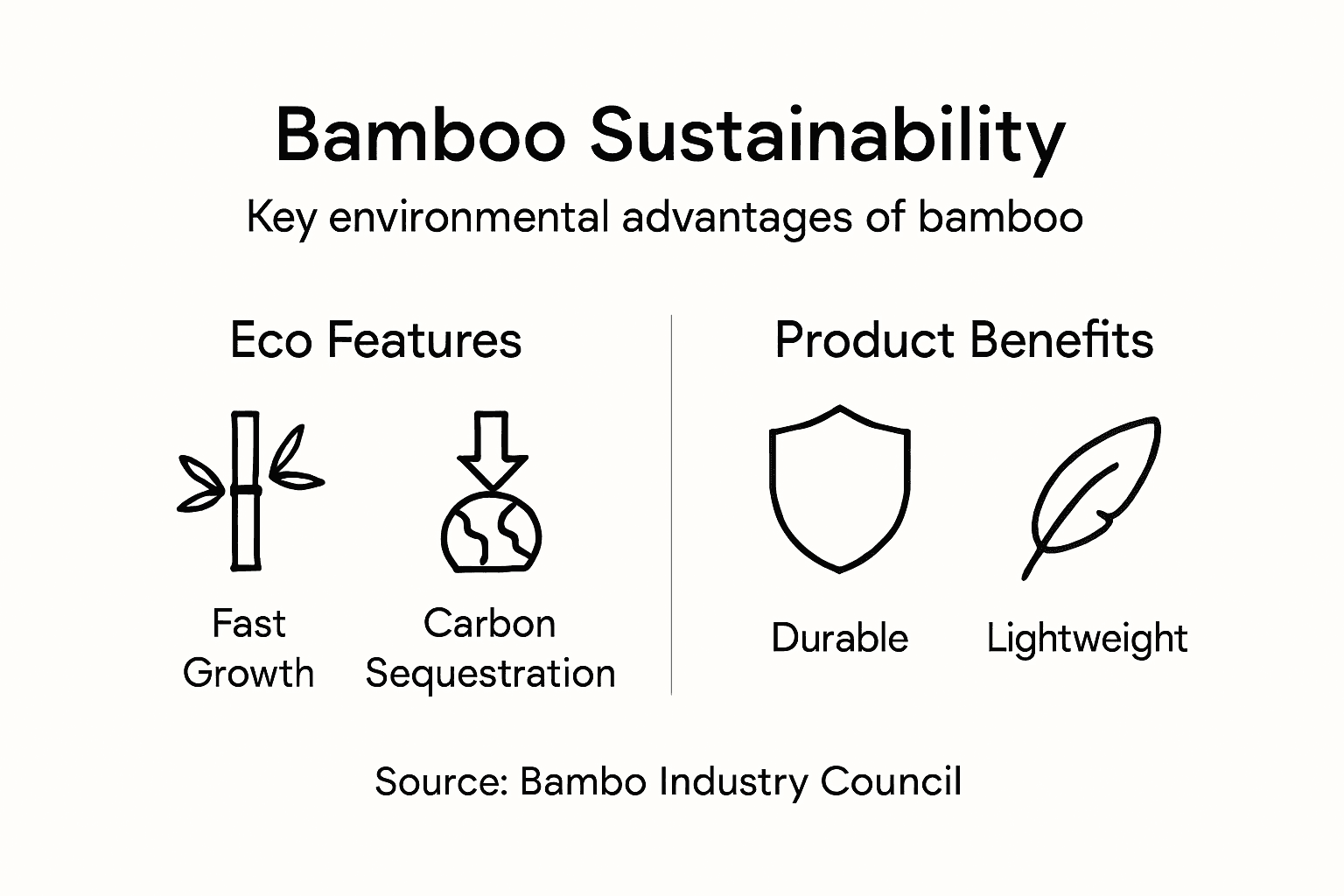
The environmental impact of bamboo extends far beyond rapid growth. As a carbon sequestration powerhouse, bamboo absorbs significantly more carbon dioxide compared to equivalent timber forests, actively contributing to climate change mitigation. The material’s sustainability encompasses multiple dimensions, including low water requirements, minimal pesticide dependency, and the ability to grow in diverse ecological conditions. This versatility allows bamboo to support soil stabilization, prevent erosion, and create habitats that support biodiversity, distinguishing it from more resource-intensive materials.
Sustainable development practices integrated with bamboo production create a holistic approach to environmental stewardship. By embedding green design principles into crafting processes, communities transform bamboo from a simple material into a catalyst for economic empowerment and ecological restoration. The circular economy potential of bamboo extends beyond product creation, fostering community engagement, preserving traditional knowledge, and creating sustainable economic models that prioritize environmental consciousness.
The table below summarizes the primary environmental strengths that set bamboo apart as a sustainable material:
| Sustainability Factor | Bamboo Advantage | Impact Description |
|---|---|---|
| Growth Speed | Up to 3 feet per day | Ensures rapid resource renewal |
| Carbon Sequestration | Absorbs more CO₂ than timber | Helps mitigate climate change |
| Resource Efficiency | Low water and pesticide needs | Reduces environmental footprint |
| Biodiversity Support | Grows in varied habitats | Promotes diverse ecosystems |
Pro tip: When evaluating bamboo products, look beyond aesthetics and consider the entire lifecycle—from growth and harvesting to production and potential biodegradability—to truly understand its sustainability impact.
Cultural perceptions of bamboo often represent a significant obstacle in commercial applications. Many businesses initially view bamboo as a cheap, informal material rather than a sophisticated design solution. This perception stems from traditional associations with rural crafts and limited understanding of modern bamboo engineering capabilities. Overcoming these cultural barriers requires strategic design innovation and targeted educational approaches that showcase bamboo’s remarkable durability, aesthetic versatility, and sustainable credentials.
Technical challenges in commercial bamboo use frequently emerge from inconsistent material quality and limited standardization. Businesses encounter difficulties with moisture resistance, dimensional stability, and long-term performance predictions. Advanced engineering techniques now address these concerns through precision treatments, chemical modifications, and sophisticated manufacturing processes that enhance bamboo’s structural integrity. Laminated bamboo composites, thermal modification technologies, and specialized surface treatments have dramatically expanded the material’s commercial viability across industries like hospitality, restaurant design, and architectural applications.
Successful commercial implementation of bamboo products demands a holistic approach that balances aesthetic innovation, technical performance, and sustainable design principles. Companies must invest in comprehensive training programs, collaborate with skilled artisans, and develop robust quality control mechanisms. By integrating advanced manufacturing techniques with traditional craftsmanship, businesses can transform bamboo from a perceived niche material to a mainstream sustainable design solution that offers both environmental benefits and exceptional functional performance.
Pro tip: When integrating bamboo into commercial spaces, prioritize products from manufacturers who provide detailed technical specifications and can demonstrate rigorous quality testing and sustainability credentials.
The article highlights the challenges of embracing bamboo craftsmanship in commercial and residential spaces while ensuring durability, aesthetics, and environmental responsibility. If you seek to bridge the gap between traditional bamboo artistry and modern sustainable design this is the perfect opportunity to upgrade to elegant bamboo products that redefine green living. Cozee Bay understands your need for high-quality bamboo items crafted for both style and function that support a healthier planet.
Explore our curated Bamboo Paper Towel Dispenser- A Sleek Look Home or Office selection that showcases the strength, natural beauty, and eco-conscious innovation discussed in the article.
Take the next step toward sustainable elegance today by visiting Cozee Bay to find handcrafted bamboo solutions designed for every space. Equip your home or commercial venue with products combining traditional craftsmanship with modern engineering. For accessories and replacements, check our Paper Towel Dispensers - Accessories | Cozee Bay® to maintain your eco-friendly lifestyle effortlessly.
Make the sustainable choice now and experience the lasting value that expert bamboo craftsmanship brings to your environment.
Bamboo craftsmanship offers numerous benefits, including rapid growth, ecological sustainability, and versatility in design. It produces durable and aesthetically pleasing products that support environmental stewardship and cultural preservation.
Bamboo is more sustainable than traditional wood due to its fast growth rate, lower resource efficiency, and greater carbon sequestration capabilities. It can grow up to 3 feet per day and requires minimal pesticides, making it an eco-friendly alternative to timber.
Bamboo can be crafted into a wide variety of products, including furniture, architectural elements, decorative arts, and home accessories. Its adaptability allows for both functional and aesthetic applications in diverse product categories.
When selecting bamboo products, examine the craftsmanship details like joint connections, surface treatment, and overall structural integrity to ensure you are choosing high-quality, sustainable designs.
Comments will be approved before showing up.