Your Cart is Empty


Choosing between bamboo and plastic for your kitchen and bathroom products feels simple until you realize bamboo biodegrades in 6-12 months while plastic lingers for centuries. This stark difference highlights why so many consumers and businesses now question their material choices. Bamboo offers compelling environmental benefits, from rapid decomposition to natural antimicrobial properties, yet it also presents challenges like moisture sensitivity and higher processing costs. Plastic remains convenient and low maintenance, but its ecological footprint grows heavier each year. This guide unpacks the environmental impacts, durability factors, and practical considerations you need to make informed decisions about sustainable products for your home or business.
| Point | Details |
|---|---|
| Biodegradability gap | Bamboo biodegrades in 6 to 12 months while plastic takes centuries, shaping long term environmental impact. |
| Lifecycle advantage | Lifecycle assessments show bamboo generally has lower global warming potential, less water use, and reduced resource depletion compared with plastic when produced responsibly. |
| Antimicrobial advantage | Bamboo naturally inhibits bacterial growth on surfaces, offering a hygienic edge over plastic in kitchens and bathrooms. |
| Moisture sensitivity | Bamboo can warp or grow mold if exposed to prolonged moisture without proper treatment, whereas plastic is more water resistant but has environmental drawbacks. |
The environmental story of bamboo versus plastic begins with decomposition timelines that couldn’t be more different. Bamboo products biodegrade in 6-12 months, breaking down naturally without leaving toxic residues. Plastic items, by contrast, take 400-500 years to decompose, fragmenting into microplastics that contaminate soil, water, and even human bodies. This fundamental difference shapes every downstream environmental consequence.
Lifecycle assessments provide scientific backing for bamboo’s superiority. Research examining bamboo pulp sanitary pads shows lower environmental impacts than conventional plastic-based alternatives across multiple categories. Bamboo scores better in global warming potential, water scarcity impact, and resource depletion. These assessments account for the entire product journey, from raw material harvesting through manufacturing, use, and disposal. The data consistently favors bamboo when sourcing follows sustainable practices.
| Material | Decomposition Time | Microplastic Release | Carbon Footprint | Water Impact |
|---|---|---|---|---|
| Bamboo | 6-12 months | None | Lower (certified sources) | Minimal |
| Plastic | 400-500 years | High | Higher | Significant pollution |
The environmental advantages of bamboo extend beyond waste breakdown:
Plastic’s environmental risks accumulate over time:
“Bamboo’s 6-12 month biodegradability versus plastic’s 400-500 year persistence represents a 4,000% difference in environmental timeline impact.”
These lifecycle differences matter most for kitchen and bathroom products that contact food, skin, and water daily. Choosing materials with minimal ecological footprint reduces your contribution to pollution while supporting regenerative manufacturing systems. The bamboo vs plastic environmental impact comparison reveals clear winners when sustainability guides purchasing decisions.
Beyond environmental metrics, physical properties determine how well bamboo and plastic perform in real-world kitchen and bathroom environments. Bamboo has natural antimicrobial properties that inhibit bacterial growth, making it inherently more hygienic for food prep surfaces and bath accessories. This biological advantage stems from bamboo kun, a natural compound that resists microbes without chemical treatments. Plastic offers no such protection and can actually harbor bacteria in scratches and crevices.
Moisture resistance presents bamboo’s main challenge. Raw bamboo absorbs water, leading to warping, cracking, and mold growth when exposed to prolonged wetness. Proper treatment with food-safe sealants dramatically improves bamboo durability moisture resistance, allowing products to withstand humid bathrooms and kitchen sinks. Plastic naturally repels water, requiring zero maintenance to prevent moisture damage. This convenience makes plastic appealing for wet applications, though it comes with environmental trade-offs.
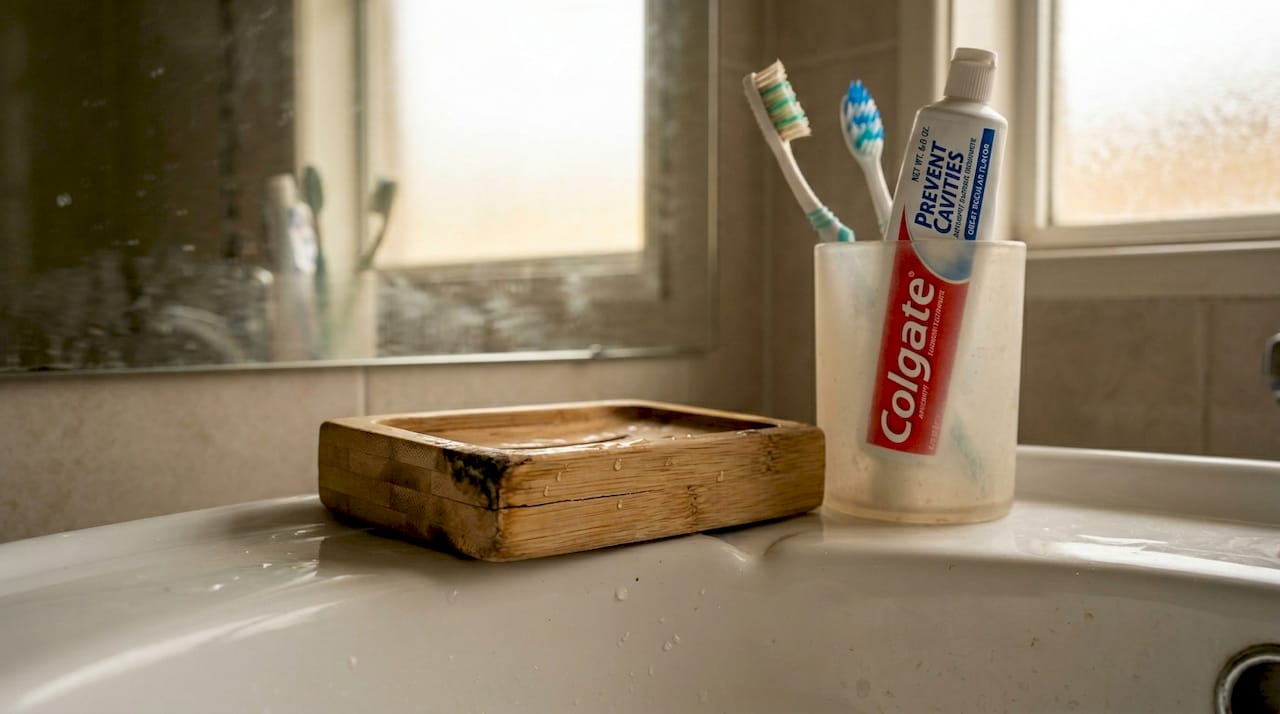
Durability comparisons favor well-made bamboo over time. Quality bamboo products resist impacts, maintain structural integrity under stress, and develop attractive patina with age. Plastic items often crack, discolor, and degrade from UV exposure and temperature fluctuations. The key difference lies in longevity: why bamboo lasts longer relates to its dense fiber structure and natural resilience when properly maintained.
Key material characteristics comparison:
Chemical safety distinguishes these materials significantly. Plastic sheds microplastics and may leach chemicals when heated or scratched, introducing contaminants into food and water. Bamboo contains no synthetic additives in its natural state, though processing quality matters for final product safety. Food-grade bamboo products use non-toxic finishes that maintain material purity.
Pro Tip: Choose bamboo products with waterproof sealants specifically designed for kitchen and bathroom use. Look for labels indicating food-safe or water-resistant treatments to ensure your bamboo items withstand humid environments without compromising hygiene or longevity.
The performance gap between bamboo and plastic narrows considerably when you select properly treated bamboo from reputable manufacturers. Understanding these material properties helps you match products to specific applications, balancing practical needs with environmental values. Your kitchen utensils, bathroom organizers, and storage solutions perform better when material selection aligns with usage patterns and care capabilities.
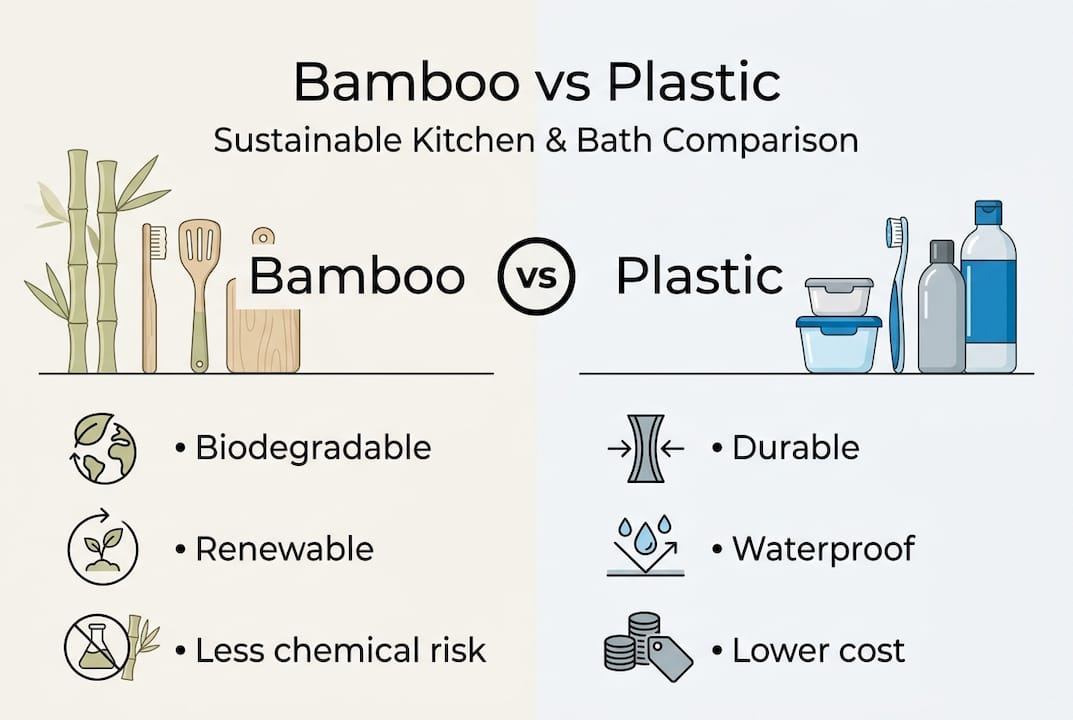
Bamboo’s environmental reputation deserves scrutiny because not all bamboo products deliver equal sustainability. Higher processing costs make bamboo manufacturing more expensive than plastic production, affecting retail prices and accessibility. Converting raw bamboo into finished products requires specialized equipment, skilled labor, and quality control that budget manufacturers often skip. This economic reality creates a market split between premium sustainable bamboo and cheap, poorly made alternatives.
Sourcing practices determine whether bamboo truly benefits the environment. Monoculture bamboo farming replaces biodiverse forests with single-species plantations, harming local ecosystems despite bamboo’s renewable nature. Responsible suppliers harvest from managed forests that maintain ecological balance and support surrounding communities. Transportation distances also matter, as shipping bamboo across continents adds carbon emissions that offset some environmental advantages.
Product quality varies dramatically based on processing methods. Cheaply made bamboo items may use formaldehyde-based adhesives, toxic finishes, or inadequate moisture treatment that reduces bamboo product longevity and environmental benefit. These inferior products give bamboo an undeserved bad reputation when they crack, mold, or fail prematurely. Distinguishing quality bamboo from greenwashed alternatives requires consumer education and careful evaluation.
Steps to verify bamboo product quality and sustainability:
Common pitfalls in bamboo product sourcing and manufacturing:
Cost considerations extend beyond purchase price. While bamboo items typically cost 20-40% more upfront than plastic equivalents, their longer lifespan and superior performance often deliver better value over time. Understanding why choose bamboo over plastic involves calculating total cost of ownership, including replacement frequency and environmental impact. A $25 bamboo organizer lasting 10 years outperforms a $15 plastic version requiring replacement every 2 years.
Pro Tip: Look for certifications from recognized environmental organizations when shopping for bamboo products. FSC certification, USDA Organic labels, or third-party eco-certifications indicate genuinely sustainable sourcing and processing. Certified bamboo products cost slightly more but guarantee you’re supporting responsible manufacturing rather than greenwashing.
The bamboo industry’s rapid growth has attracted both ethical manufacturers and opportunistic sellers. Your purchasing power shapes market direction by rewarding quality and sustainability while penalizing greenwashing. Taking time to research products, verify claims, and choose certified options ensures your bamboo purchases deliver the environmental benefits you expect. This diligence transforms consumer choice into environmental action.
Deciding between bamboo and plastic requires matching material properties to your specific needs, budget, and values. The comparison becomes clearer when you evaluate products across multiple dimensions that affect daily use and long-term satisfaction.
| Factor | Bamboo | Plastic | Best Choice For |
|---|---|---|---|
| Initial Cost | Higher ($20-50 typical) | Lower ($10-25 typical) | Budget-conscious, short-term needs = Plastic; Long-term value = Bamboo |
| Maintenance | Moderate (periodic oiling, gentle cleaning) | Minimal (dishwasher safe, no special care) | Low-effort preference = Plastic; Quality focus = Bamboo |
| Longevity | 5-15 years with care | 2-5 years typical | Durability priority = Bamboo |
| Sustainability | High (certified sources) | Low (fossil fuel-based) | Environmental values = Bamboo |
| Moisture Handling | Good (treated), Poor (untreated) | Excellent | Very wet areas = Plastic; Normal kitchen/bath = Treated bamboo |
| Aesthetic Appeal | Warm, natural, stylish | Utilitarian, synthetic | Design-conscious spaces = Bamboo |
Practical buying tips for sustainable product selection:
When plastic makes practical sense:
Plastic suits specific scenarios despite environmental drawbacks. Temporary housing, rental properties, or extremely wet environments like shower caddies may justify plastic’s convenience and water resistance. Short-term needs where replacement won’t occur frequently also favor plastic’s lower cost. The key is conscious choice rather than default selection, understanding the trade-offs you’re accepting.
Optimizing bamboo selection:
Bamboo lasts longer and is more sustainable when you choose treated products designed for kitchen and bathroom use. Look for water-resistant finishes, reinforced construction at stress points, and clear care instructions. Items like utensil holders, drawer organizers, and countertop storage perform excellently in bamboo when properly selected. Bamboo vs plastic organizers comparison shows bamboo’s advantages in durability and appearance for these applications.
Pro Tip: Calculate the 5-year total cost before choosing between bamboo and plastic. A $30 bamboo organizer lasting 10 years costs $3 annually, while a $15 plastic version replaced every 3 years costs $5 annually. Bamboo’s upfront premium often disappears when you factor in longevity, and you gain environmental benefits at lower total cost.
Product-specific recommendations:
Your purchasing decisions extend beyond personal benefit to market influence. Supporting quality bamboo manufacturers encourages sustainable practices and product innovation. Demanding certifications and transparency raises industry standards. Each purchase votes for the future you want, whether that’s continued plastic pollution or regenerative bamboo cultivation. Making informed choices based on complete information empowers you to align spending with values while meeting practical needs.
Ready to make the switch to sustainable bamboo for your kitchen and bathroom? Cozee Bay offers a curated selection of handcrafted bamboo products designed for durability and eco-conscious living. Our collection includes paper towel dispensers, organizers, and accessories that combine functional innovation with stylish design, perfect for homes, restaurants, offices, and commercial spaces.

Every Cozee Bay bamboo product undergoes rigorous quality control to ensure moisture resistance, long-lasting performance, and genuine sustainability. We source responsibly, process carefully, and stand behind our craftsmanship with a money-back guarantee. Explore our full range of bamboo solutions and discover how beautiful, durable, and environmentally friendly your kitchen and bathroom can be. Visit Cozee Bay today to browse products, read detailed care guides, and join thousands of satisfied customers choosing bamboo over plastic.
Bamboo generally offers superior environmental performance due to rapid biodegradability, renewable growth, and lower carbon footprint. However, sustainability depends on responsible sourcing and processing. Bamboo from monoculture farms or manufactured with toxic adhesives loses environmental advantages. Certified bamboo products ensure you’re getting genuine eco-benefits rather than greenwashed alternatives. Always verify certifications and sourcing transparency before assuming bamboo superiority.
Avoid prolonged soaking or exposure to standing water, as moisture causes warping and mold even in treated bamboo. Clean with mild soap and warm water, then dry immediately with a soft cloth. Apply food-safe mineral oil every few months to maintain moisture resistance and prevent cracking. Store bamboo items in dry areas with good air circulation. Follow specific bamboo product care steps from manufacturers to extend product life to 10-15 years.
Plastic suits applications involving constant water exposure where even treated bamboo struggles, such as shower caddies, soap dishes in wet showers, or items submerged during use. Short-term needs in temporary housing or rental properties may also favor plastic’s lower cost. However, most kitchen and bathroom products perform better in treated bamboo when you’re willing to provide basic care. Choose based on specific use conditions, maintenance willingness, and sustainability priorities rather than blanket material preference.
Bamboo typically costs 20-40% more upfront than plastic equivalents due to higher processing costs and quality materials. A bamboo drawer organizer might cost $25-35 versus $15-20 for plastic. However, bamboo’s 5-15 year lifespan compared to plastic’s 2-5 years often makes it cheaper long-term. Calculate total cost of ownership including replacement frequency. The environmental benefits and superior aesthetics add value beyond pure economics, making bamboo worthwhile for many consumers despite higher initial investment.
Comments will be approved before showing up.