Your Cart is Empty


More than $72 billion fuels the global bamboo industry every year, changing the way American and international buyers think about sustainability. Bamboo production matters because it offers eco-conscious homeowners and commercial property managers a renewable resource that grows quickly and regenerates without exhausting the land. Discover how sourcing bamboo products, like stylish dispensers, adds a natural touch while improving your building’s environmental impact and supporting responsible production worldwide.
| Point | Details |
|---|---|
| Bamboo Production is Sustainable | Bamboo matures in 3-5 years and has a minimal environmental impact, making it a vital renewable resource. |
| Economic and Environmental Benefits | Bamboo supports poverty alleviation and carbon sequestration, aligning with United Nations Sustainable Development Goals. |
| Diverse Applications | Various bamboo types are suited for construction, textiles, and eco-friendly products, highlighting its versatility. |
| Need for Strategic Management | Effective bamboo production requires knowledge of species selection and responsible cultivation practices to maximize ecological benefits. |
Bamboo production represents a revolutionary approach to sustainable resource management, transforming how we think about agricultural and industrial materials. Bamboo cultivation provides raw materials for a global industry worth over $72 billion, making it far more than just another plant species.
At its core, bamboo production involves growing and harvesting bamboo across diverse global landscapes, with particular concentration in Asian countries like China, India, and Indonesia. What makes bamboo unique is its extraordinary growth rate and remarkable environmental adaptability. Unlike traditional timber, bamboo can mature in just 3-5 years, compared to decades required for hardwood trees. This rapid regeneration makes it an exceptional renewable resource that can be harvested repeatedly without destroying the entire plant system.
The significance of bamboo production extends well beyond economic metrics. Sustainable development experts recognize bamboo’s critical role in addressing multiple global challenges. Bamboo contributes to poverty alleviation, rural economic growth, and ecological restoration, aligning closely with United Nations Sustainable Development Goals. Its ability to grow on marginal lands, sequester carbon, and provide materials for construction, food, crafts, and industrial applications makes it a versatile solution for sustainable transitions.
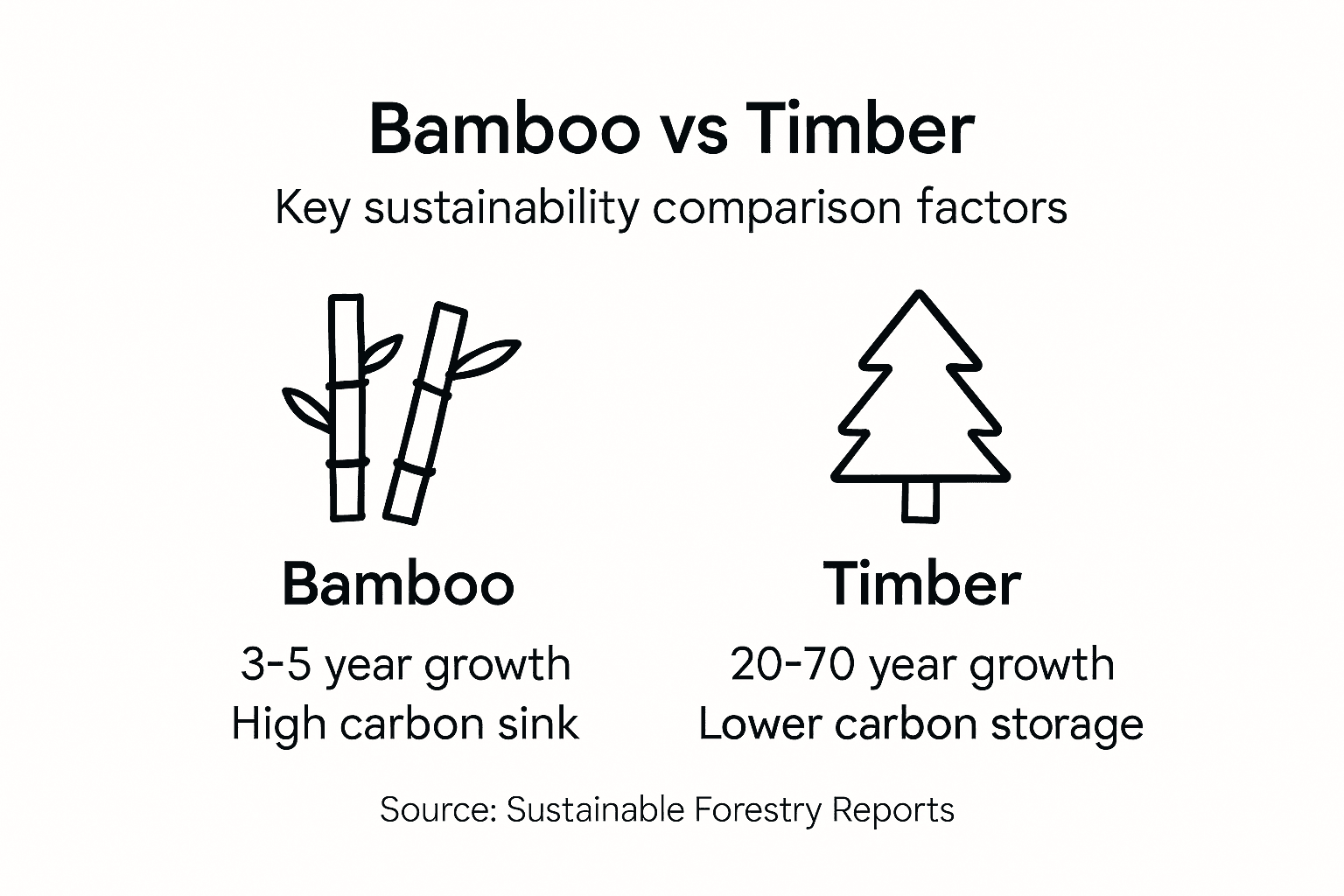
The following table compares bamboo with traditional timber regarding environmental and economic impacts:
| Feature | Bamboo | Traditional Timber |
|---|---|---|
| Growth Cycle | 3-5 years | 20-70 years |
| Carbon Sequestration | High | Moderate |
| Harvesting Impact | Minimal, regenerative | Often destructive |
| Economic Return Time | Rapid | Slow |
Pro tip: When exploring bamboo products, look for certifications that verify sustainable harvesting practices and support local agricultural communities.
Moso bamboo stands at the forefront of bamboo manufacturing, representing a critical species in global industrial applications. China’s bamboo biodiversity supports numerous commercial species, with Phyllostachys pubescens (Moso bamboo) being particularly significant for its remarkable versatility and rapid growth characteristics.
The Asia-Pacific region boasts an impressive array of bamboo types, with nearly 1,000 species mapped across diverse ecosystems. These species are categorized into several key manufacturing groups: construction bamboo, textile bamboo, paper production bamboo, and industrial processing bamboo. Construction bamboo types like Guadua angustifolia and Dendrocalamus asper are prized for their exceptional strength and durability, making them ideal for building materials, flooring, and structural components.
Bamboo species diversity supports multiple industrial uses, ranging from traditional crafts to high-tech manufacturing. Textile-grade bamboo species like Bambusa textilis are processed into soft, sustainable fabrics, while paper-grade varieties such as Phyllostachys edulis enable eco-friendly paper production. The manufacturing potential extends to specialized applications including automotive components, musical instruments, and advanced composite materials.
Here is a summary of the main industrial bamboo types and their major characteristics:
| Bamboo Type | Primary Use | Key Property |
|---|---|---|
| Moso (Phyllostachys pubescens) | Manufacturing | Fast growth, versatility |
| Guadua angustifolia | Construction | Exceptional strength |
| Dendrocalamus asper | Building materials | High durability |
| Bambusa textilis | Textiles | Soft, flexible fibers |
| Phyllostachys edulis | Paper production | Pulp quality, eco-friendly |
Pro tip: When selecting bamboo products, research the specific species used to understand its unique manufacturing qualities and sustainability profile.
Bamboo cultivation begins with meticulous site preparation and careful selection of planting methods. Bamboo can be propagated through multiple techniques, including seeds, rhizome division, and stem cuttings, each requiring specific environmental conditions and expertise. The initial stage involves assessing soil quality, drainage, sunlight exposure, and overall landscape characteristics to ensure optimal growing conditions for different bamboo species.
The growth phase represents a critical period of monitoring and management. Young bamboo plants require consistent care, including proper irrigation, soil nutrition management, and protection from pests and competing vegetation. Typically, bamboo species reach maturity within 3-5 years, during which farmers must implement strategic cultivation practices to promote robust growth and maintain forest health. Strip cutting techniques enable sustainable forest management, allowing for mechanized harvesting while preserving the ecosystem’s regenerative capabilities.
Harvesting represents the culmination of careful cultivation, involving precise cutting techniques that ensure the bamboo’s continued productivity. Farmers cut mature culms at the base, allowing the underground rhizome system to generate new shoots. This sustainable approach enables repeated harvesting cycles without destroying the entire plant system, making bamboo an exceptionally renewable resource. The harvested bamboo can then be processed for various industrial applications, from construction materials to textile production, highlighting the crop’s remarkable versatility.
Pro tip: Research the specific bamboo species suitable for your local climate to maximize cultivation success and sustainable harvesting potential.
Bamboo processing transforms raw plant material into versatile, sustainable products through a series of sophisticated techniques. Bamboo fibers enable innovative composite manufacturing, allowing producers to create materials with enhanced mechanical strength and environmental performance. The initial stages involve carefully extracting fibers from harvested bamboo culms, which requires specialized equipment and precise technical expertise.
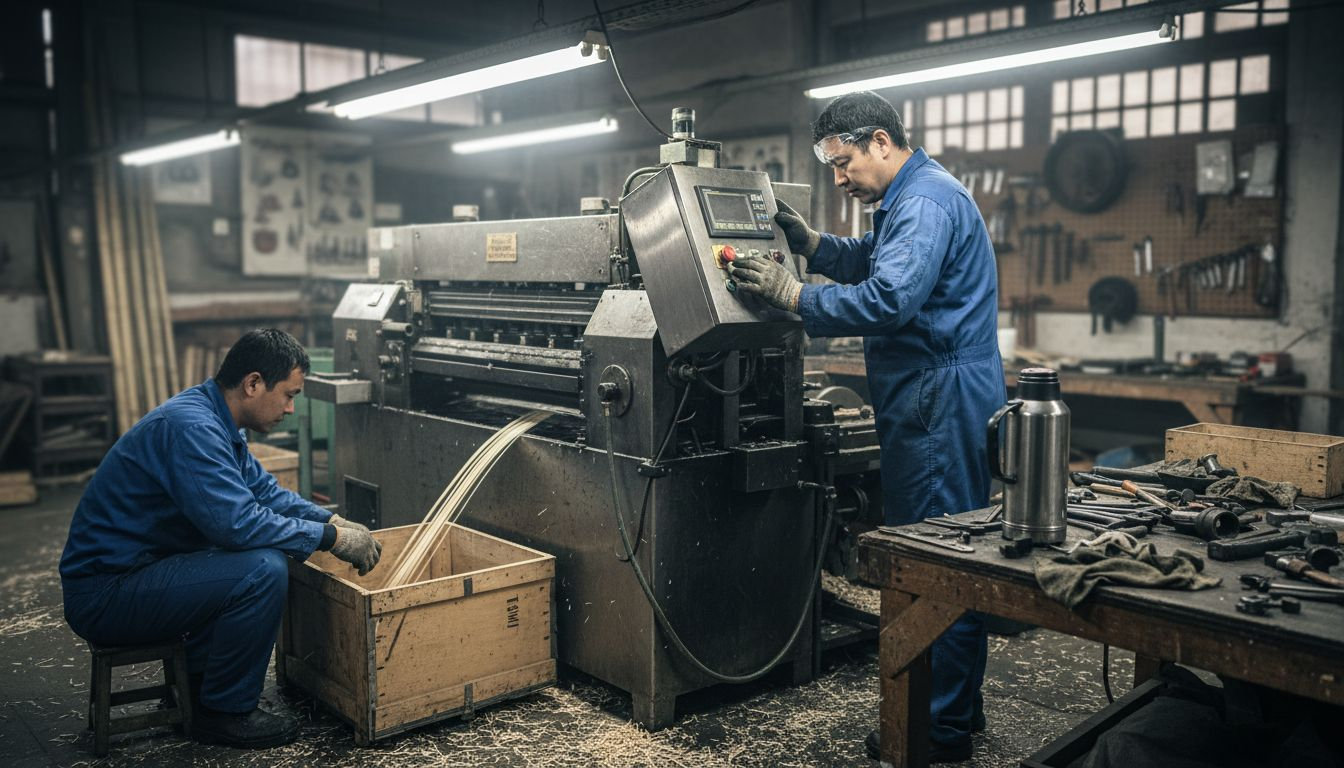
The treatment phase represents a critical component of bamboo product development, focusing on preserving material integrity and preventing decay. Manufacturers employ multiple processing methods, including chemical treatments, thermal modification, and physical conditioning to enhance the bamboo’s durability and functional characteristics. Global bamboo industries utilize diverse processing technologies that maximize material efficiency while maintaining sustainable production principles, transforming raw bamboo into everything from construction materials to intricate textile products.
Advanced manufacturing techniques have expanded bamboo’s potential, particularly in emerging fields like additive manufacturing and 3D printing. Composite development involves integrating bamboo fibers with polymer materials, creating lightweight, biodegradable products that offer superior performance compared to traditional synthetic alternatives. These innovations demonstrate bamboo’s remarkable versatility, positioning it as a critical material in the transition toward more sustainable industrial practices.
Pro tip: Always verify the specific processing techniques used in bamboo product manufacturing to ensure maximum sustainability and quality performance.
Bamboo sustainability represents a pivotal solution in addressing global environmental challenges. Bamboo offers remarkable ecological advantages, consuming significantly less water and requiring no pesticides compared to traditional timber crops. Its extraordinary growth rate enables rapid carbon sequestration, positioning bamboo as a critical tool in mitigating climate change and supporting ecosystem restoration.
The environmental benefits of bamboo extend far beyond carbon capture. Bamboo plays a significant role in climate change mitigation by restoring degraded lands, preventing soil erosion, and supporting rural economies. Its ability to thrive on marginal lands makes it a unique agricultural resource that simultaneously addresses ecological rehabilitation and economic development. Bamboo plantations create complex ecosystems that enhance biodiversity, providing habitats for various plant and animal species while stabilizing soil structures.
However, sustainable bamboo production requires strategic management to maximize environmental benefits. This involves careful species selection, responsible cultivation practices, and understanding local ecological contexts. Responsible bamboo farming can transform degraded landscapes, sequester substantial carbon volumes, and provide renewable materials for diverse industries. The key lies in balancing agricultural productivity with ecosystem preservation, ensuring that bamboo’s potential is realized without disrupting natural environmental systems.
Pro tip: Research local bamboo species and consult ecological experts to develop sustainable cultivation strategies tailored to your specific environmental context.
Bamboo production faces complex challenges that require strategic, multifaceted solutions. Stakeholder collaboration presents critical industry challenges, including inefficient market access, fragmented value chains, and limited technological infrastructure. Small-scale producers often struggle with market connectivity, technological limitations, and insufficient economic support systems that impede sustainable growth and development.
Sustainable resource management requires integrated approaches addressing species-specific cultivation requirements, pest management, and yield optimization. Industry best practices emphasize developing comprehensive strategies that balance economic productivity with ecological preservation. This includes implementing advanced harvesting technologies, improving processing techniques, and creating robust horizontal and vertical stakeholder networks that support sustainable bamboo production ecosystems.
Technological innovation and capacity building emerge as crucial elements in overcoming industry challenges. Successful bamboo industries invest in research and development, training programs for local producers, and mechanisms that create transparent, fair market connections. These approaches not only enhance economic opportunities but also support environmental conservation, rural development, and sustainable agricultural practices. By integrating advanced mechanization, knowledge transfer, and collaborative policy frameworks, the bamboo sector can address systemic challenges and unlock its full economic and ecological potential.
Pro tip: Develop comprehensive stakeholder engagement strategies that prioritize knowledge sharing, technological training, and sustainable market development.
The article highlights the urgent need for sustainable bamboo production to address environmental challenges while supporting durable, renewable materials. If you care about reducing environmental impact through fast-growing bamboo products crafted with care bamboo offers an ideal solution. Discover how Cozee Bay transforms expertly harvested and processed bamboo into stylish and functional home and commercial products that reflect these sustainable principles.
Experience the benefits of bamboo with the premium bamboo paper towel dispensers that combine rapid renewable growth with elegant design and lasting durability.

Bring eco-friendly innovation into your living or working environment today by choosing from Cozee Bay’s full selection of handcrafted bamboo organizers and dispensers. Act now to support sustainable choices that honor bamboo’s rapid growth cycle and environmental advantages featured in this insightful article. Start browsing the complete collection at Cozee Bay and join the movement toward greener, smarter living.
Bamboo production involves the cultivation and harvesting of bamboo as a renewable resource. It is considered sustainable due to bamboo’s rapid growth rate, ability to regenerate without replanting, and its contribution to carbon sequestration, making it a versatile solution for ecological and economic challenges.
Bamboo has a much shorter growth cycle of 3-5 years compared to 20-70 years for traditional timber. It also has higher carbon sequestration rates, minimal harvesting impact, and offers quicker economic returns, making it more environmentally friendly than conventional timber.
Key types of bamboo include Moso bamboo for general manufacturing, Guadua angustifolia for construction, Dendrocalamus asper for building materials, Bambusa textilis for textiles, and Phyllostachys edulis for paper production. Each type has unique properties suited to different applications.
The main stages include site preparation, propagation using methods like rhizome division, growth phase care, and sustainable harvesting through precise cutting techniques. Each stage ensures the bamboo remains healthy and can regenerate for multiple harvesting cycles.
Comments will be approved before showing up.