Your Cart is Empty


Eco-friendly products cause measurably less environmental harm than typical alternatives across their full life cycle: the materials they’re made from, how they’re manufactured, how much energy or water they use, and what happens when you’re done with them. That’s the life-cycle lens the EPA uses to judge how “green” something really is. Real verification means checking for evidence, not buzzwords, guided by FTC Green Guides standards and resources like the Cozee Bay blog.
TL;DR:
- Eco-friendly products are judged by their performance across multiple life-cycle stages, not just material claims, making verification crucial.
- Certifications like ENERGY STAR, WaterSense, or USDA Biobased provide reliable proof of specific environmental benefits when properly checked.
- Durability and repairability often outweigh material choices since a longer-lasting product reduces overall environmental impact.
- Local recycling and composting infrastructure greatly influence whether “recyclable” or “compostable” claims actually lead to waste reduction.
- Carefully evaluating the claimed benefit stage, verifiable numbers, and certification scope is essential before trusting any green marketing claim.
A product earns the eco-friendly label by performing better than typical alternatives at one or more stages of its life, and the strongest products perform better at several. That’s the life-cycle assessment framing environmental agencies rely on, and it beats vague marketing language every time because it forces you to ask “greener how, exactly?”
Here’s what to look at, stage by stage:
Pro Tip: Don’t judge a product by its material alone. A bamboo item shipped halfway around the world in excess plastic packaging can lose ground to a locally made alternative with a plainer material story.
Abstract criteria are easier to apply once you’ve seen them in action. Here’s how they show up across the categories you shop most often.
Home goods. ENERGY STAR-rated appliances cut electricity use over their lifespan, durable modular furniture can be repaired or reconfigured instead of replaced. Low-flow faucets and shower heads with the WaterSense label trim water use without sacrificing performance. This is also where bamboo home organizers fit: a well-built bamboo drawer organizer or paper towel dispenser is designed to last years, not seasons, which matters more than the material tag alone.
Cleaning products. Concentrated refills mean you’re not shipping and disposing of mostly water. Cleaners bearing the EPA’s Safer Choice label meet specific ingredient-safety criteria, and plastic-free dispensing systems (pump bottles you refill rather than replace) cut single-use packaging waste dramatically over a year of use.
Personal care. Refillable containers for shampoo, lotion, and soap reduce packaging waste per use. Ingredients certified under COSMOS or EcoCert standards have been vetted against defined organic and sustainability criteria, which is a meaningfully higher bar than a brand simply printing “natural” on the label.
Textiles. Organic cotton and linen reduce pesticide and water intensity compared with conventional cotton farming. Tencel and lyocell fibers, made from wood pulp through a closed-loop process, offer a lower-impact alternative to virgin synthetics, though the process still uses chemical solvents and energy. Be skeptical of generic “bamboo fiber” claims on clothing tags. Most bamboo textiles are chemically processed into viscose rayon, and that processing can undercut the renewable-material story the label is selling.
Electronics. Repairable, modular devices with accessible batteries and available spare parts extend usable life far longer than sealed units designed for replacement. Low standby power draw matters too, since many electronics burn energy 24 hours a day even when “off.”
Packaging. Curbside-recyclable materials (most rigid plastics, cardboard, aluminum) get processed through existing municipal systems, but “industrially compostable” packaging needs a facility most households don’t have access to. Minimal, film-free packaging that skips laminated plastic coatings is often the safer bet regardless of what the compost claim promises. Cozee Bay’s own packaging guidance walks through exactly this distinction for shoppers trying to sort real reduction from marketing dressing.
The FTC’s Green Guides require marketers to explain why a claim is true, and they specifically warn against vague “eco-friendly” language with no substantiation behind it. If a label can’t tell you what stage of the life cycle it’s improving, that’s your first red flag.
Certifications worth trusting because they carry defined standards:
Third-party ecolabels help, but only when you check what the label actually certifies rather than assuming it covers everything. A “recycled content” claim, for instance, might refer only to the packaging and not the product inside it, so read the fine print before you credit the whole item.
Renewable energy claims deserve the same scrutiny. “Made with renewable energy” can mean the manufacturer bought renewable energy certificates (RECs) rather than actually running its factory on solar or wind, and a credible claim should disclose what percentage of production that renewable energy or offset actually covers. Compostable claims have a similar catch: biodegradable and compostable labels often require industrial composting facilities, and landfill conditions usually prevent meaningful biodegradation no matter what the package says.
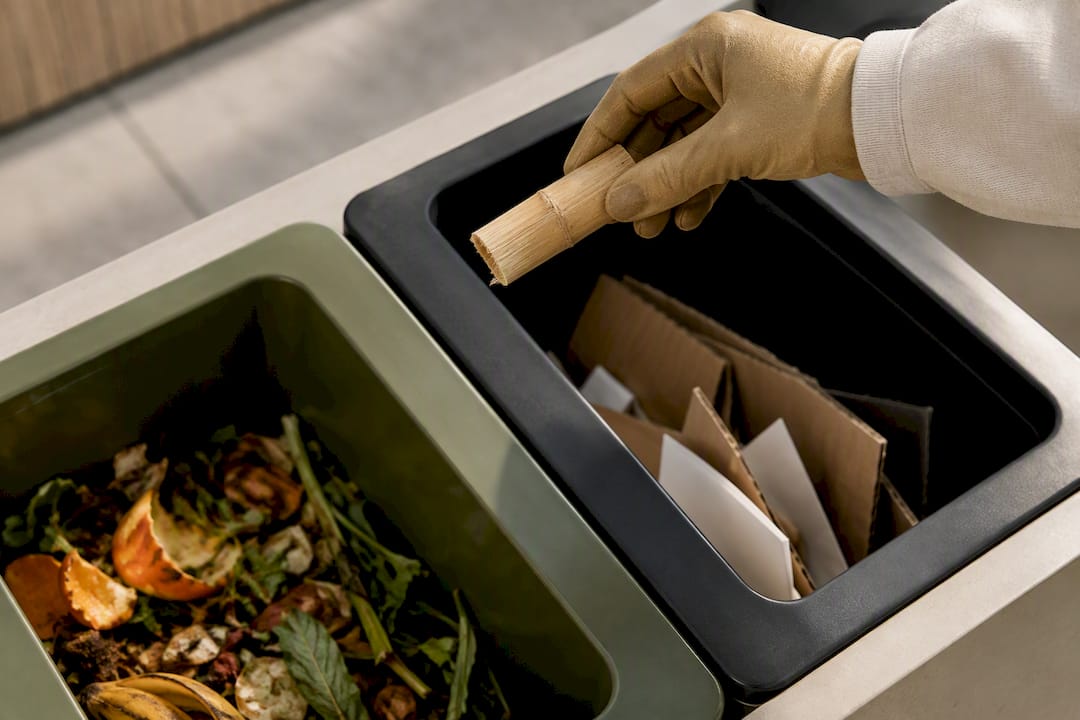
Local recycling and composting access matters just as much as the label. A product marked “recyclable” is only as useful as what your municipal program actually accepts, so it pays to check before you buy something counting on infrastructure you don’t have.
Run any product through these five checks before it earns a spot in your cart:
Pro Tip: Cozee Bay’s own buyer’s guide to selecting eco-friendly products walks through these same five checks with real product examples if you want to see the checklist applied.
Not every green claim nets out positive once you factor in the whole picture. Shipping distance matters less than durability when a product lasts years instead of months, but it matters a lot for something you’ll replace within a season anyway. Bioplastics and “compostable” packaging depend entirely on facility access. At home, most compostable plastics behave like regular trash; industrially, they break down as designed.
We build every Cozee Bay product against the same life-cycle questions this article walks through: renewable material sourcing, manufacturing choices, use-phase durability, and packaging that doesn’t undercut the product inside it. Bamboo grows fast and regenerates without replanting, which gives it a real material advantage, but we don’t stop there. Our definition-and-checklist resource explains exactly how we weigh design longevity against material claims, because a well-built organizer that lasts a decade beats a “green” one you replace every year.
— Cozee
Durability is an important factor in applying this checklist, and handcrafted bamboo dispensers, organizers, and wrap stations can offer long-life alternatives to disposable plastic versions that might be replaced more frequently.

Products in these collections use renewable bamboo and are designed with easy installation to hold up in busy kitchens, restaurants, and offices for years, not seasons. Before you buy anything labeled “eco-friendly,” including from us, read our lifecycle checklist post and compare specifications, warranty terms, and packaging details across your options. If you want a specific example of the durability-over-material-swap principle in action, browse our countertop paper towel dispensers and see how the design choices stack up against whatever you’re currently using.
It means a product causes less environmental harm than typical alternatives across one or more life-cycle stages, from materials to disposal. The FTC Green Guides require the claim to specify why, not just assert it.
Common examples include ENERGY STAR appliances, concentrated cleaning refills, organic cotton textiles, repairable electronics, and durable bamboo home goods like dispensers and organizers. Each one targets a different life-cycle stage, whether that’s energy use, chemical safety, or end-of-life waste.
Check whether the claim names a specific stage, a verifiable number, and a traceable certifier you can confirm independently. A label that just says “eco-friendly” with no explanation fails the FTC’s own substantiation standard.
Not automatically. Bamboo is a fast-renewing raw material, but the product’s overall impact still depends on manufacturing, durability, and packaging. Cozee-bay designs its bamboo dispensers and organizers for long use life specifically to strengthen that overall picture.
Recyclable means municipal systems can process the material, while compostable typically requires industrial composting facilities that most households don’t have. Biodegradable and compostable labels can mislead shoppers when the packaging doesn’t specify which conditions actually apply.
Comments will be approved before showing up.