Your Cart is Empty


Eco-friendly products cut environmental harm, lower your exposure to toxic chemicals, and often save you money over time. The three benefits work together: less pollution in manufacturing means fewer chemicals in your home, and better-built, resource-efficient products tend to last longer. Look for real labels (not vague green claims), and favor durable materials over cheap, disposable ones.
TL;DR:
- Eco-friendly products do less environmental harm across their entire life cycle, from sourcing materials to disposal, but only if they avoid greenwashing practices like excessive packaging.
- Using sustainable materials and cleaner manufacturing reduces resource extraction, pollution, and landfill waste, while also offering economic benefits up to 90 percent of necessary emissions reductions.
- Such products lower indoor chemical exposure and improve air quality, with proven health benefits like reduced asthma triggers and hormone disruptors that benefit homes, schools, and workplaces.
- Longevity and efficiency of durable, sustainably made goods often lead to cost savings through fewer replacements and lower utility bills, offsetting higher upfront prices over several years.
- Genuine eco-labels from recognized organizations and a focus on high-use household items maximize personal health, cost efficiency, and environmental impact when choosing green products.
An eco-friendly product isn’t just one made from “natural” materials. It’s one that does less damage across its whole life cycle: how it’s sourced, manufactured, packaged, used, and eventually disposed of. The U.S. EPA frames it this way, noting that a product’s environmental and health impacts show up at every stage, from raw material extraction to what happens when you throw it away.
That’s a useful filter, because plenty of products get called “green” without earning it. Here’s what to check before you trust a label:
A product that nails materials but ships in three layers of plastic isn’t fully eco-friendly. That gap is exactly where greenwashing hides.
Sustainable materials and cleaner manufacturing processes lower the carbon and resource footprint of everything you buy, from the extraction stage through disposal. Greener products are designed to reduce impacts at every point in that chain, according to the EPA, which is why lifecycle thinking matters more than a single “recyclable” sticker.
The economic case is bigger than most people assume. The Global Commission on the Economy and Climate found that up to 90% of the global emissions reductions needed to hit ambitious climate targets could generate net economic benefits, not costs. That finding upends the old assumption that going green always means paying more.
At the household level, this plays out in a few concrete ways:
None of this requires a total lifestyle overhaul. Swapping a few high-use items, like paper towel rolls or plastic wrap, for durable, reusable alternatives adds up faster than most people expect, especially in households or businesses that go through disposables daily.
Eco-friendly products reduce your exposure to the chemicals most linked to indoor health problems. Green chemistry practices cut hazardous releases, lower worker exposure to toxic substances, and produce cleaner air and water as a direct result, according to the EPA’s breakdown of green chemistry benefits.
That matters because a lot of ordinary household products off-gas volatile organic compounds (VOCs) and contain endocrine disruptors, chemicals that interfere with hormone function. Choosing greener alternatives sidesteps that exposure at the source rather than trying to filter it out afterward.
Institutions have already tested this at scale. Green cleaning programs in schools and offices have reduced asthma triggers, improved indoor air quality, and lowered worker injuries and absenteeism, according to guidance from New York’s Office of General Services.
The practical upside for your own home breaks down like this:
Yes, mainly through efficiency and longevity, not sticker price. Energy Star appliances and LED lighting cut utility bills every month, and durable materials mean you’re not replacing the same item every year.
A well-built bamboo drawer organizer or dispenser can outlast a dozen cheap plastic equivalents that crack and get tossed. That’s the “buy for life” math: paying a bit more upfront often costs less over five years than repeatedly replacing something flimsy.
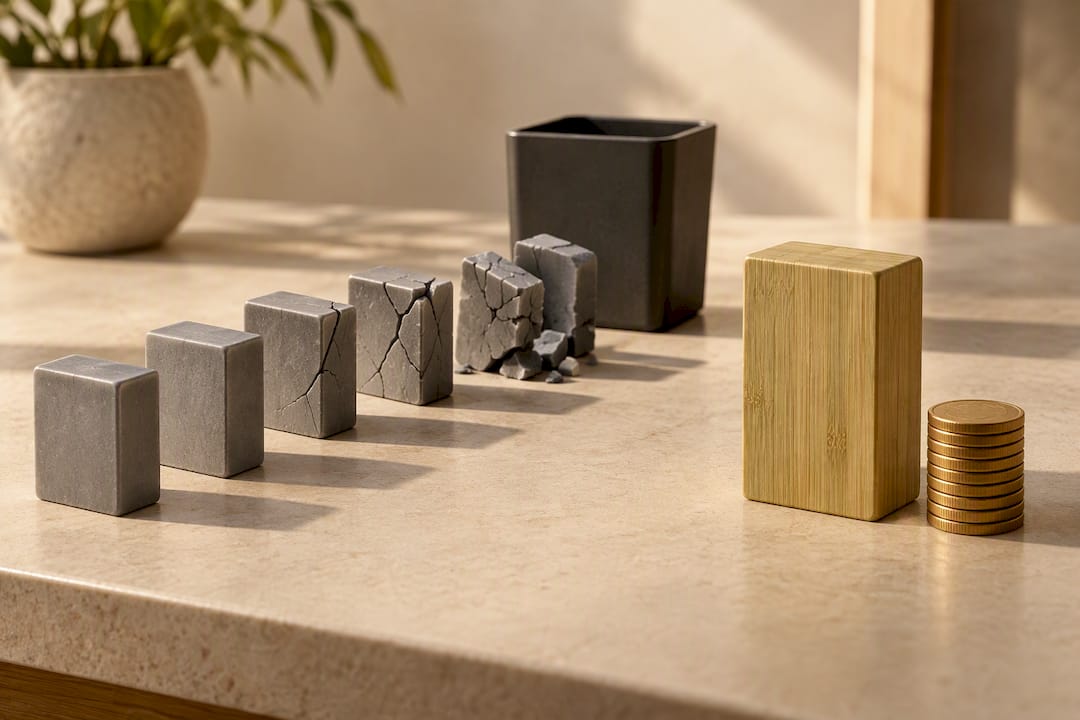
The bigger-picture data backs this up. Research summarized in a peer-reviewed analysis of environmental protection and economic growth shows that early investment in green transitions can lower long-term health and environmental costs while creating net economic returns.
Where the savings actually show up:
Every purchase is a small vote for how products get made. When enough consumers choose greener options, suppliers respond by shifting sourcing, materials, and manufacturing standards. That demand-driven pressure is part of why sustainable innovation keeps accelerating instead of stalling.
Businesses feel this too. Companies that adopt greener products and cleaning programs report reputational gains, easier access to green procurement contracts, and real operational savings, similar to the efficiencies documented in institutional cleaning program case studies.
The ripple effects extend further than most shoppers realize:
Trustworthy labels exist, but you have to know which ones actually mean something. Here’s a practical checklist for your next purchase:
Life-cycle indicators, meaning how something is sourced, made, shipped, packaged, and eventually disposed of, matter far more than a single green claim printed on the box, a point the EPA emphasizes in its guidance on greener products.
Pro Tip: If a label makes a vague claim like “eco-conscious” or “natural” without a certifying body attached, treat it as marketing, not verification. Search the certifying organization’s name directly to confirm it’s real.
Bamboo regenerates in three to five years, compared to decades for hardwood, which makes it one of the more resource-efficient materials available for everyday products. Cozee-bay builds its paper towel dispensers, bag organizers, and drawer organizers from handcrafted bamboo specifically because that renewability translates into real household and commercial impact.
In commercial settings, replacing single-use dispensing systems with durable, refillable ones reduces procurement volume and disposal costs while improving perceived cleanliness, a pattern documented in institutional cleaning program research. Restaurants, coffee shops, schools, and senior living centers using bamboo dispensers see that same effect play out daily.
The conventional pitch for eco-friendly products leans hard on saving the planet, and that framing has a real weakness: it asks people to sacrifice for a benefit they can’t feel day to day. That’s backwards. The strongest case for eco-friendly products is personal. Less chemical exposure in your kitchen. Lower utility bills. Products that don’t crack and end up in a landfill within a year.
Recent consumer research backs this shift. The old “sustainability-liability” assumption, that green products underperform, is largely fading, with Kellogg Insight research finding the effect negligible across most product categories. Green no longer means compromise.
If you’re prioritizing where to start, skip the small stuff first. Focus on high-use items you replace often: cleaning products, kitchen storage, dispensers. That’s where toxic exposure and replacement costs concentrate, and it’s where switching to durable, sustainably made goods like the ones detailed in Cozee-bay’s sustainable home decor guide pays off fastest, for your wallet and your health.
— Cozee
The products you touch most often, paper towels, trash bags, plastic wrap, are also the ones generating the most waste and the most recurring cost. Handcrafted bamboo dispensers and organizers are built to replace that daily disposable cycle with something durable enough to actually last.

Browse the full collection of bamboo paper towel dispensers, bag organizers, and trash bag dispensers to see the range firsthand, or go straight to the countertop paper towel dispenser if that’s the swap you’re making first. Orders ship free within the contiguous U.S. and come backed by a money-back guarantee, so trying a piece of sustainable home hardware carries none of the usual risk. If you’re outfitting a restaurant, office, or senior living center, the commercial paper towel dispenser line is built for exactly that kind of daily use.
Often, yes, because durability and efficiency lower costs over time even when the sticker price is higher. Energy-efficient appliances and long-lasting materials reduce utility bills and replacement frequency, and broader economic analysis shows green transitions can generate net financial benefits rather than added costs.
Yes, for most categories. Research from Kellogg Insight found the old assumption that green products sacrifice performance is largely unsupported across current product categories.
Look for a real certifying body behind any claim, not just the word “eco-friendly” on the packaging. If a label can’t be traced to a recognized program like Safer Choice, treat the claim skeptically.
Yes, Cozee-bay backs its bamboo paper towel dispensers, organizers, and dispensers with a money-back guarantee and free shipping within the contiguous U.S. Current pricing for each product line is listed on the site.
Yes, biodegradable and compostable materials break down naturally instead of persisting in landfills for decades, unlike most plastics. Pairing that with reusable, durable goods further cuts the volume of waste generated in the first place, an approach outlined in the EPA’s greener products guidance.
Comments will be approved before showing up.