Your Cart is Empty


TL;DR:
- Bamboo paper towel holders are eco-friendly, renewable, and biodegradable alternatives to plastic or metal.
- They offer aesthetic warmth and are suitable for light to moderate use but have limited moisture resistance and stability.
- Proper care involves wiping, drying, and occasional oiling to maintain durability and appearance over time.
You’ve probably heard someone say that eco-friendly products look boring or fall apart too quickly. When it comes to bamboo paper towel holders, that story doesn’t quite hold up. These holders bring natural warmth and a clean aesthetic to any kitchen or commercial space, and they genuinely reduce your environmental footprint. But like any product, they come with real tradeoffs worth understanding before you buy. This guide walks you through the environmental benefits, honest limitations, care routines, and practical selection tips so you can make a confident, well-informed choice.
| Point | Details |
|---|---|
| Eco-friendly choice | Bamboo holders are sustainable and stylish, appealing to green-conscious buyers. |
| Practical limitations | Bamboo offers less stability than weighted metal or marble, especially for busy environments. |
| Proper maintenance | Regular cleaning and oiling are key to preventing warping or cracking in bamboo holders. |
| Expert insights | Professional tests show function and stability are crucial for daily use, not just material. |
Now that we’ve set the stage, let’s look at why bamboo stands out as an eco-conscious choice. Most conventional paper towel holders are made from plastic or metal, materials that require significant energy and resources to produce. Bamboo takes a different path entirely.
Bamboo is one of the fastest-growing plants on Earth, reaching harvestable maturity in three to five years compared to decades for hardwood trees. It regenerates from its own root system without replanting, which means harvesting it doesn’t disrupt the surrounding ecosystem. That alone makes it a standout choice for people who care about where their products come from.
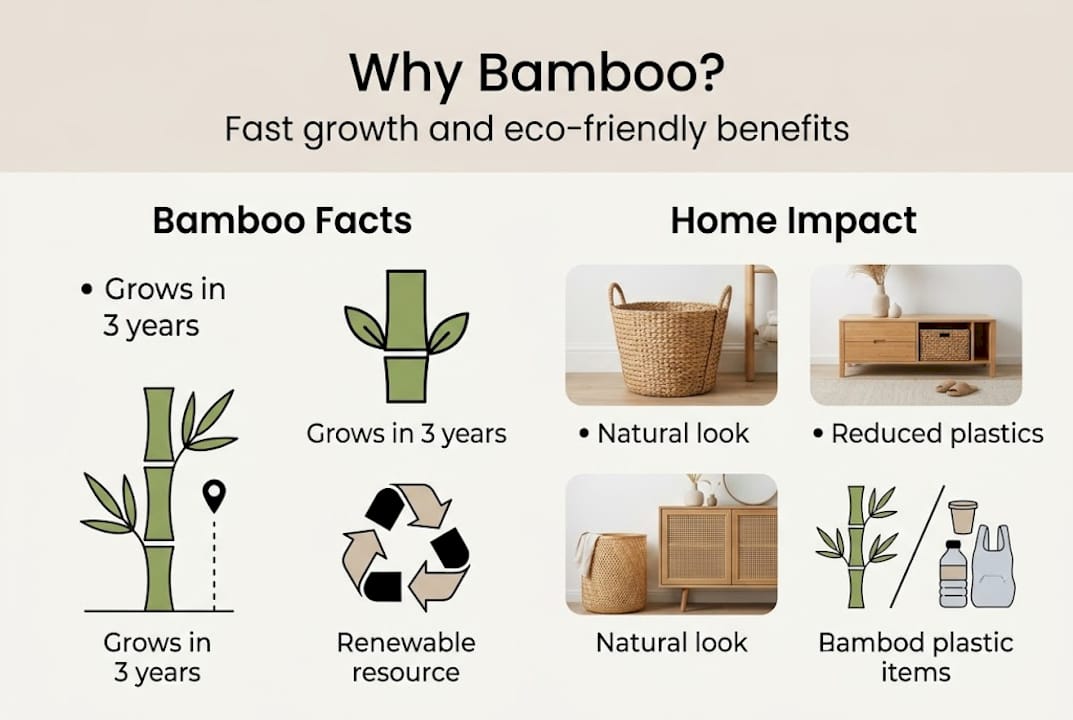
Beyond the plant itself, the manufacturing process for bamboo products tends to involve fewer harsh chemicals than plastic production. Many bamboo holders are finished with natural oils or water-based coatings, keeping the product’s environmental footprint relatively low from start to finish. As noted by food and kitchen experts, bamboo offers natural aesthetics and sustainability that plastic and metal simply can’t match on a material level.
Here’s a quick look at what makes bamboo holders a strong eco choice:
“Choosing bamboo over plastic isn’t just a style decision. It’s a quiet vote for a material cycle that actually gives back to the environment.”
If you’re curious about how bamboo stacks up across your whole kitchen setup, our guide on bamboo kitchenware advantages covers the full picture. For a deeper look at the specific reasons this material works so well at home, the article on bamboo in kitchens is worth a read. And if you’re deciding between bamboo and plastic across multiple products, the bamboo vs plastic guide gives you a side-by-side breakdown.
The eco-friendliness of bamboo also shapes how these holders are designed. Because the material has natural grain variation, each piece looks slightly unique. Designers lean into this rather than fight it, creating holders that feel crafted rather than mass-produced.
After exploring bamboo’s eco benefits, it’s time to get practical and see how bamboo holders stack up against other options. Knowing the strengths is useful. Knowing the limitations is essential.
What bamboo holders do well:
For a broader view of how bamboo products organize and enhance your home, the article on bamboo storage solutions offers practical ideas.
Where bamboo holders face real challenges:
Here’s the comparison you need before you commit:
| Feature | Bamboo | Stainless Steel | Plastic |
|---|---|---|---|
| Durability | Moderate | High | Moderate |
| Moisture resistance | Low to moderate | High | High |
| Stability/weight | Light | Heavy | Light |
| Eco-friendliness | Excellent | Moderate | Poor |
| Aesthetic warmth | Excellent | Cool/industrial | Varies |
| Ease of cleaning | Moderate | Easy | Easy |
As expert testing confirms, bamboo offers natural aesthetics and sustainability but lower durability and moisture resistance compared to metal and stainless steel, which excels in stability and cleaning. That’s not a knock on bamboo. It’s just a material reality you should factor into your decision.
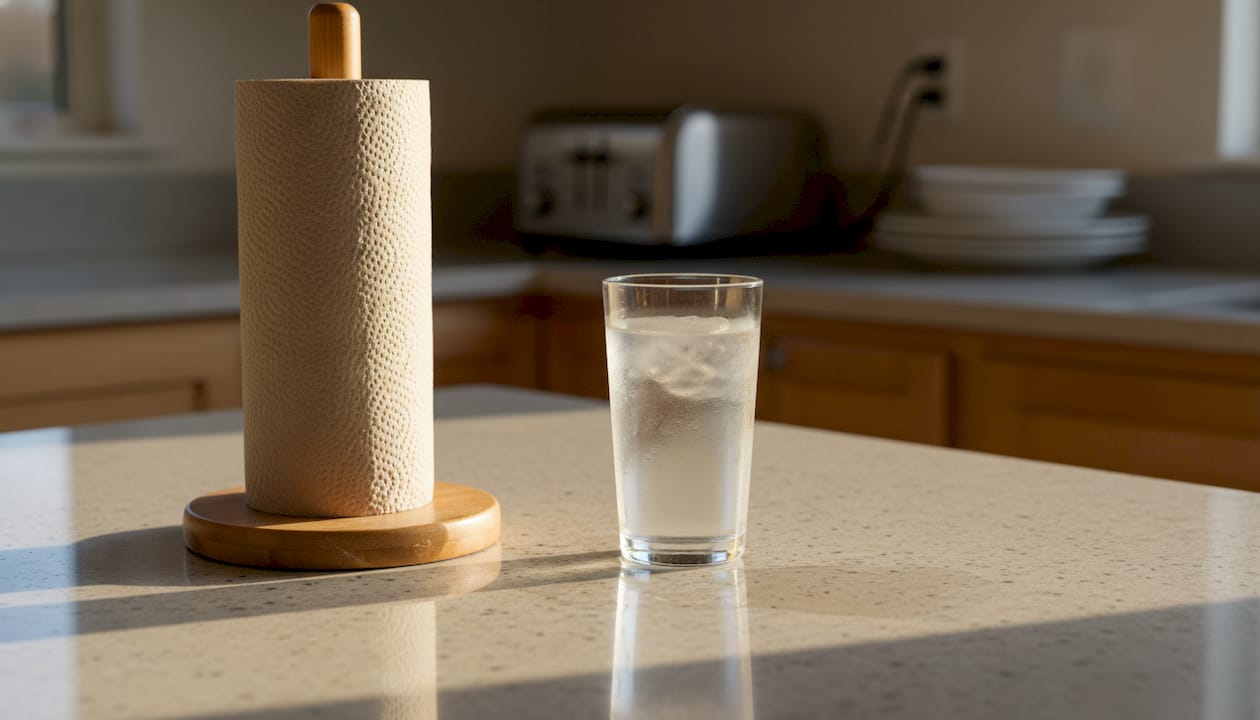
One practical concern is tearing performance. Expert tests show that lightweight bamboo holders are less stable than heavy metal or marble holders, which means aggressive one-handed tearing can cause the holder to slide or tip. For light, everyday use at home, this is rarely a problem. For a busy restaurant pass or a high-traffic breakroom, it can be frustrating.
Pro Tip: Place a small non-slip mat under your bamboo holder to prevent sliding during use. This simple fix costs almost nothing and solves the stability issue for most residential settings.
The bamboo home essentials guide is a helpful resource if you’re outfitting an entire space with bamboo products and want to plan your purchases thoughtfully.
Understanding the limitations means knowing how to maintain bamboo holders for lasting beauty. With the right routine, a good bamboo holder can serve you well for years, which is actually the most sustainable outcome of all.
Here are the steps to keep your holder looking and performing its best:
“Bamboo that is cared for properly doesn’t just last longer. It actually looks better with age, developing a richer tone and a smooth patina that mass-produced plastic never achieves.”
Pro Tip: Use food-grade mineral oil for conditioning, especially if your holder sits near food prep areas. It’s safe, affordable, and widely available at pharmacies and grocery stores.
For a complete routine, the guide on how to maintain bamboo naturally walks you through each step in detail. You can also find a concise summary of bamboo care steps or browse bamboo care tips for quick, actionable reminders. If you prefer a longer-form resource, the full maintenance tips for bamboo guide covers edge cases and seasonal care.
Skipping these steps won’t ruin your holder overnight, but over months of neglect, you’ll notice the finish dulling, edges roughening, and eventually cracking. A few minutes of maintenance every season keeps all of that from happening.
With maintenance covered, let’s move from theory to practical decisions: how to choose the right bamboo holder and use it well. The wrong holder in the wrong space creates friction. The right one becomes invisible in the best possible way.
Matching the holder to your setting:
| Setting | Best holder type | Key consideration |
|---|---|---|
| Home kitchen counter | Freestanding with weighted base | Aesthetic fit with countertop style |
| Bathroom vanity | Compact wall-mount or slim freestanding | Space efficiency |
| Coffee shop or cafe | Weighted or wall-fixed bamboo | Frequency of use and refill access |
| Restaurant or breakroom | Consider metal if tearing is heavy | Stability under high-volume use |
| School or senior center | Wall-mounted for safety and ease | Reduce tipping risk |
For light residential use, a simple freestanding bamboo holder works beautifully. Pair it with your countertop material: bamboo’s warm tones complement butcher block, white marble, and light-colored quartz without trying too hard.
Here’s a quick checklist before you buy:
For commercial settings, expert tests favor weighted metal for tear performance and stability, which is worth noting if your bamboo holder will see heavy daily use. At the same time, experts also highlight bamboo’s strong sustainable appeal, making it a genuinely smart choice when use is moderate and aesthetics matter. If you’re also evaluating bamboo for other kitchen accessories, the bamboo kitchenware guide helps you build a cohesive, eco-conscious setup.
As we weigh the options, let’s pause to rethink the real priority for everyday convenience. There’s a tendency in eco-conscious buying to let the material story override everything else. Bamboo is renewable. Bamboo is beautiful. Done. But that thinking can lead you to a holder that slides every time you try to tear off a sheet, which is quietly maddening after the tenth time.
Here’s the honest truth: function has to come first, or sustainability becomes an afterthought. Expert tests favor weighted metal holders like OXO for tear performance and stability, and that result matters. A holder you stop using isn’t sustainable at all. It’s just clutter.
The smarter move is to choose bamboo for the spaces where it genuinely thrives: light residential use, moderate-traffic cafes, and settings where the visual warmth adds real value. For high-volume commercial environments, a heavier base material may serve you and the planet better in the long run because it won’t need replacing as often. Our bamboo vs plastic guide helps you think through exactly these tradeoffs without letting either material bias cloud the decision.
After exploring the practical and aesthetic benefits, here’s how to take your next step toward a greener home. Whether you’re outfitting a kitchen, bathroom, or breakroom, bamboo products can bring both style and substance to your everyday routine.

At Cozee Bay, we’ve built our entire catalog around the idea that eco-friendly doesn’t mean settling. From bamboo paper towel dispensers to drawer organizers, food bag organizers, and wrap and foil dispensers, every product is handcrafted for real-world use. Visit Cozee Bay to browse our full collection, and if you’re building out your home setup from scratch, the bamboo essentials checklist is a great place to start. Free shipping in the contiguous U.S. and a money-back guarantee mean you can shop with confidence.
Keep the holder dry after every use, wipe it with a damp cloth rather than soaking it, and oil the wood every 6 to 12 months to maintain moisture balance and prevent warping or cracking.
Bamboo works well in moderate-use settings like cafes or senior centers, but expert tests show that lightweight bamboo holders are less stable than heavy metal or marble options, making weighted metal a better fit for high-volume commercial kitchens.
Bamboo delivers natural aesthetics and strong sustainability credentials, but as testing confirms, metal and stainless steel offer higher durability and stability in heavy-use environments where tearing performance matters most.
Most bamboo holders can be composted at end-of-life, making them a more eco-friendly option than plastic, though you should check whether any synthetic finishes or metal components need to be removed first.
Comments will be approved before showing up.