Your Cart is Empty


Finding the right balance between eco-friendly choices and kitchen style often feels daunting for many american households and property managers across the globe. Bamboo grows up to 30 times faster than most hardwood trees, making it one of the most sustainable options available. As the demand for environmentally responsible products rises, bamboo’s rapid growth, impressive durability, and sleek appearance offer an appealing alternative for those who care about both design and carbon footprint.
| Point | Details |
|---|---|
| Bamboo is a Sustainable Alternative | Bamboo grows rapidly in just 3-5 years, making it a renewable resource that has less environmental impact than traditional hardwoods. |
| Durability and Antibacterial Properties | Bamboo’s unique structure provides exceptional durability and natural antibacterial qualities, making it ideal for kitchen use. |
| Care and Maintenance | Proper sealing and regular maintenance are essential to keep bamboo products in good condition and prevent degradation. |
| Innovative Product Range | Bamboo offers diverse products, from cutting boards to storage solutions, that combine functionality with eco-friendly design. |
Bamboo has emerged as a revolutionary material in modern kitchen design, offering an intriguing alternative to traditional wood products. While many homeowners remain skeptical, bamboo presents remarkable characteristics that make it uniquely suited for kitchen environments. Understanding its properties requires dispelling common misconceptions about this versatile natural material.
Contrary to popular belief, bamboo is not actually a wood but a grass that grows remarkably fast compared to traditional timber. Most hardwood trees require decades to mature, whereas bamboo reaches full growth in just 3-5 years. This rapid regeneration makes bamboo an extraordinarily sustainable resource, capable of regrowing after harvesting without significant soil disruption. The material’s impressive structural integrity allows it to be transformed into durable kitchen products like countertops, cutting boards, and organizational systems.
However, potential users should understand that bamboo requires specific care to maximize its potential. Unlike traditional hardwoods, bamboo needs proper sealing to resist moisture and heat effectively. Homeowners must apply specialized treatments to maintain its structural integrity and prevent warping or degradation. The processing and transportation of bamboo also impact its overall environmental footprint, so selecting products from responsible manufacturers becomes crucial for truly sustainable kitchen solutions.
Pro Tip: When selecting bamboo kitchen products, always verify the manufacturer’s sustainability certifications and processing methods to ensure you’re making an environmentally responsible choice.
Bamboo represents a groundbreaking solution for environmentally conscious homeowners seeking sustainable kitchen materials. Unlike traditional wood products, bamboo offers an extraordinary combination of ecological advantages that extend far beyond simple material replacement. Its unique properties make it a game-changing resource in the pursuit of more responsible home design.
The environmental benefits of bamboo are substantial and multifaceted. Bamboo’s rapid growth cycle allows for frequent harvesting without the extensive environmental disruption associated with traditional timber production. Most hardwood trees require decades to mature, whereas bamboo reaches full growth in just 3-5 years. This remarkable regeneration capability means bamboo can be harvested multiple times without replanting, significantly reducing land use and supporting ecosystem restoration. Additionally, bamboo cultivation requires minimal pesticides and fertilizers, further minimizing its ecological footprint.
Beyond its growth characteristics, bamboo plays a critical role in global environmental sustainability. Life cycle assessments demonstrate that bamboo-based products have dramatically lower carbon emissions compared to conventional materials. Its ability to grow in diverse conditions, including degraded lands, makes it a powerful tool for environmental rehabilitation. Bamboo’s extensive root systems help prevent soil erosion, improve soil quality, and can even help restore areas previously damaged by agricultural or industrial activities. For kitchen designers and homeowners, this translates into a material that not only looks beautiful but actively contributes to environmental healing.
Pro Tip: When selecting bamboo kitchen products, research the manufacturer’s sustainability certifications and look for transparent sourcing practices to maximize your positive environmental impact.
Bamboo has long been misunderstood as a fragile material, but modern research reveals its exceptional strength and resilience. Homeowners seeking durable kitchen solutions are increasingly turning to this remarkable natural resource, which challenges traditional perceptions of wood-based materials. Its unique structural composition provides remarkable performance that often surpasses conventional alternatives.
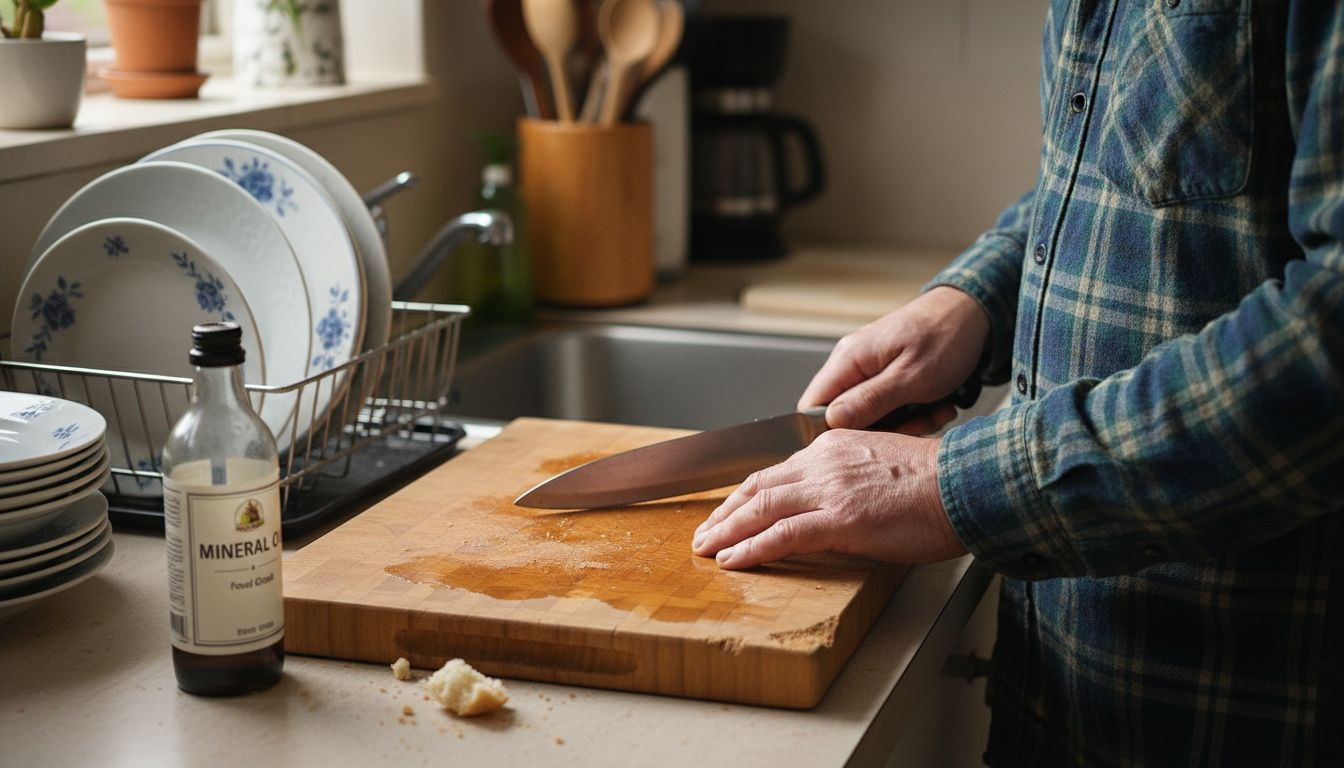
Bamboo’s impressive durability stems from its high silica content and dense fiber structure, making it remarkably resistant to wear and tear. Laboratory tests have demonstrated that bamboo can outperform many traditional softwoods in hardness tests, effectively resisting dents, scratches, and water damage when properly sealed. The material’s natural density creates a robust surface ideal for high-traffic kitchen environments, from cutting boards to countertops. Its inherent strength means bamboo products can withstand significant daily use without compromising structural integrity.
Beyond physical durability, bamboo offers extraordinary antibacterial properties that make it particularly valuable in kitchen settings. The material contains natural compounds that inhibit bacterial growth, providing an additional layer of hygiene that synthetic materials cannot match. These inherent antimicrobial characteristics reduce the risk of contamination and make bamboo an exceptional choice for food preparation surfaces. Unlike porous materials that can harbor bacteria, bamboo’s dense structure creates an environment less conducive to microbial proliferation, offering both aesthetic appeal and functional protection for health-conscious households.
Pro Tip: To maximize your bamboo kitchen product’s durability, apply a food-safe mineral oil coating every few months to maintain its protective seal and preserve its natural antibacterial properties.
Bamboo has transformed from a niche material to a versatile solution for modern kitchens, offering innovative and practical applications that extend far beyond traditional wooden accessories. Its remarkable adaptability makes it an exceptional choice for homeowners seeking both functionality and sustainable design. From food preparation to storage and organization, bamboo provides comprehensive solutions that meet diverse kitchen needs.
The range of bamboo kitchen products encompasses multiple categories that simplify daily cooking and cleaning routines. Cutting boards stand out as a prime example, offering a durable surface that’s gentler on knife edges compared to traditional plastic or glass alternatives. Utensil sets crafted from bamboo provide lightweight, heat-resistant tools perfect for stirring, serving, and cooking. Storage solutions like drawer organizers, countertop containers, and spice racks demonstrate bamboo’s organizational potential, helping homeowners create more efficient and aesthetically pleasing kitchen spaces.
Beyond basic functionality, bamboo kitchen products shine in their ability to blend sustainability with style. Bamboo dish racks, paper towel holders, wrap dispensers, and trash can liners offer eco-conscious alternatives to plastic-based products. These items not only reduce environmental waste but also introduce a natural, warm aesthetic that complements various kitchen design themes. The material’s inherent strength means these products can withstand daily use while maintaining their elegant appearance, making them an intelligent long-term investment for environmentally aware households.
Here are practical uses and benefits of bamboo kitchen products at a glance:
| Product Type | Key Benefit | Why Choose Bamboo |
|---|---|---|
| Cutting Boards | Gentle on knives | Dense, resists bacteria |
| Utensil Sets | Lightweight, heat proof | Safe for nonstick cookware |
| Drawer Organizers | Customizable storage | Stylish, reduces plastic use |
| Dish Racks | Fast drying, mold resistant | Eco-friendly, sturdy |
Pro Tip: When introducing bamboo products to your kitchen, start with versatile items like cutting boards or utensil sets to experience the material’s benefits without completely overhauling your existing kitchen accessories.
The kitchen materials landscape has undergone a significant transformation, with bamboo emerging as a compelling alternative to traditional wood products. Homeowners and designers are increasingly recognizing the unique advantages that set bamboo apart from conventional materials, challenging long-held assumptions about kitchen surface and accessory selection. The comparison between bamboo and traditional woods reveals a nuanced story of sustainability, performance, and innovation.
Bamboo’s performance characteristics demonstrate remarkable differences from traditional hardwoods like oak and maple. Unlike slow-growing trees that take decades to mature, bamboo is a fast-growing grass that reaches full maturity in just 3-5 years. Its naturally high silica content provides exceptional hardness and durability that often surpasses traditional wood materials. When properly laminated and sealed, bamboo surfaces can resist dents, scratches, and moisture more effectively than many conventional wood options, making it an ideal material for high-traffic kitchen environments.
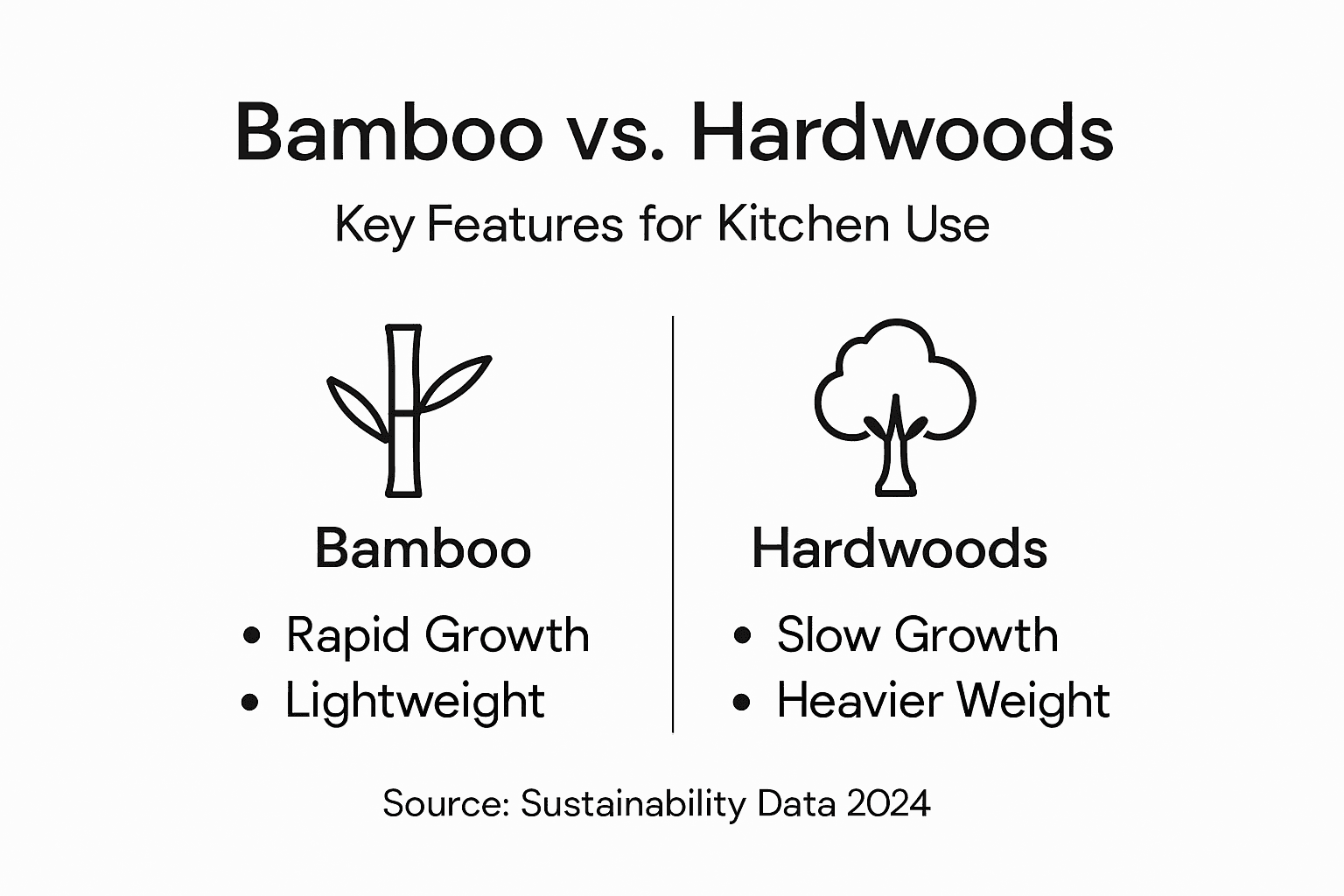
Beyond physical performance, the environmental implications of bamboo significantly outweigh traditional wood materials. Traditional hardwoods require extensive forest management, lengthy growth periods, and careful sustainable sourcing. In contrast, bamboo regenerates rapidly without replanting, uses minimal pesticides, and creates a substantially smaller ecological footprint. The material’s flexibility allows for diverse design applications, from cutting boards and utensils to countertops and storage solutions. While traditional woods offer established aesthetics, bamboo provides an equally sophisticated look with added ecological benefits, making it an intelligent choice for environmentally conscious homeowners seeking both style and substance.
Here’s a concise comparison between bamboo and traditional hardwoods in kitchen use:
| Attribute | Bamboo | Traditional Hardwoods |
|---|---|---|
| Growth Time | 3–5 years | 20–100 years |
| Sustainability Impact | Minimal land and chemicals used | Requires replanting, slow regrowth |
| Durability | High when sealed | Varies by species, often lower |
| Antibacterial Nature | Naturally antimicrobial | Varies, not inherently antimicrobial |
| Design Versatility | Modern, adaptable to trends | Classic, established aesthetics |
Pro Tip: When transitioning to bamboo kitchen products, start by replacing high-wear items like cutting boards and utensils to experience the material’s superior durability and sustainability firsthand.
If you are looking to embrace the eco-friendly benefits of bamboo highlighted in the article, Cozee Bay offers an exceptional range of handcrafted bamboo products designed to enhance both residential and commercial kitchens. From the natural antibacterial qualities to the remarkable durability of bamboo, Cozee Bay’s collection addresses common kitchen challenges like moisture resistance and sustainability with elegant functionality. Explore the Bamboo Paper Towel Dispenser- A Sleek Look Home or Office to add a touch of sustainable style to your space.

Take action today to elevate your kitchen with products that combine thoughtful design and ecological responsibility. Visit Cozee Bay to discover bamboo cutting boards, organizers, and more that bring natural strength and antibacterial properties into your home or workplace. Make the switch now and enjoy free shipping on all orders within the contiguous U.S., supported by a money-back guarantee for your satisfaction.
Bamboo is a highly sustainable material that grows rapidly and requires minimal pesticides and fertilizers. Its fast growth cycle allows for frequent harvesting without significant environmental disruption, making it a responsible choice for eco-conscious homeowners.
Bamboo is generally more durable than many traditional hardwoods, thanks to its high silica content and dense fiber structure. When properly sealed, bamboo can resist dents, scratches, and moisture effectively, which is ideal for high-traffic kitchen environments.
Bamboo kitchen products need special care, including proper sealing to resist moisture and heat. It’s recommended to apply food-safe mineral oil every few months to maintain their durability and antibacterial properties, helping to prevent warping and degradation.
Yes, bamboo contains natural compounds that inhibit bacterial growth, providing a hygienic surface that is beneficial for food preparation. Its dense structure creates an environment that is less conducive to microbial proliferation compared to porous materials.
Comments will be approved before showing up.