Your Cart is Empty


TL;DR:
- Traditional paper towels have significant environmental costs from tree harvesting and slow decomposition.
- Bamboo paper towels grow faster, require less water, and are more sustainable and compostable.
- Using sustainable towels effectively requires pairing them with mindful habits, proper dispensers, and composting.
Most people assume all paper towels are equally wasteful, a roll is a roll, and that’s that. But that thinking overlooks a genuinely better option sitting right on the shelf. Bamboo paper towels are changing what it means to keep your kitchen or facility clean without wrecking the planet in the process. In this guide, you’ll learn why traditional paper towels carry such a heavy environmental cost, how bamboo stacks up as a smarter, more stylish alternative, and exactly what to look for when making the switch at home or in a commercial setting.
| Point | Details |
|---|---|
| Traditional towels harm the environment | Conventional paper towels are resource-intensive and contribute significantly to landfill waste. |
| Bamboo offers sustainable advantage | Bamboo paper towels regrow quickly, need fewer resources, and are usually compostable. |
| Comparing options is critical | Bamboo, recycled, and traditional towels each have unique strengths for different needs and settings. |
| Best results require smart setup | Using the right towel plus dispenser and good habits delivers maximum sustainability and cost savings. |
If you’ve ever grabbed a handful of paper towels without a second thought, you’re not alone. Most of us do it automatically. But understanding where those towels come from, and where they end up, might change how you reach for them next time.
Conventional paper towels start their life as trees, often old-growth or virgin forest timber. The production process demands enormous quantities of water, electricity, and chemical bleaching agents to turn raw wood pulp into the soft white sheet you pull off the roll. After a single use, that sheet goes straight into the trash, and because paper towels are typically soiled with food or grease, they cannot be recycled. Millions of trees are cut each year for disposable paper towels, increasing landfill waste at a rate that most consumers never stop to consider.
Here’s a quick look at the resource toll of conventional paper towel production:
| Resource | Impact per ton of paper towels |
|---|---|
| Trees | 17 trees per ton of paper |
| Water | Up to 20,000 gallons |
| Energy | Roughly 11,000 kWh |
| CO2 emissions | Around 1.5 metric tons |
The end-of-life story is just as discouraging. Paper towels that end up in landfills decompose slowly under anaerobic (low-oxygen) conditions, releasing methane, a greenhouse gas far more potent than CO2. Even compostable options require the right conditions to break down properly.
Here’s what makes this particularly frustrating:
“The average American uses more paper towels per capita than almost any other country in the world, making it one of the easiest waste habits to address.”
If you want a deeper look at how to reduce paper towel waste in your daily routine, small habit shifts paired with smarter product choices can add up to real impact. And if you’re weighing the benefits of towel alternatives altogether, you’ll find the numbers are pretty compelling.
Given the problems with traditional paper towels, you might wonder how bamboo ones compare. The short answer: quite favorably, and across nearly every category that matters to eco-conscious buyers.
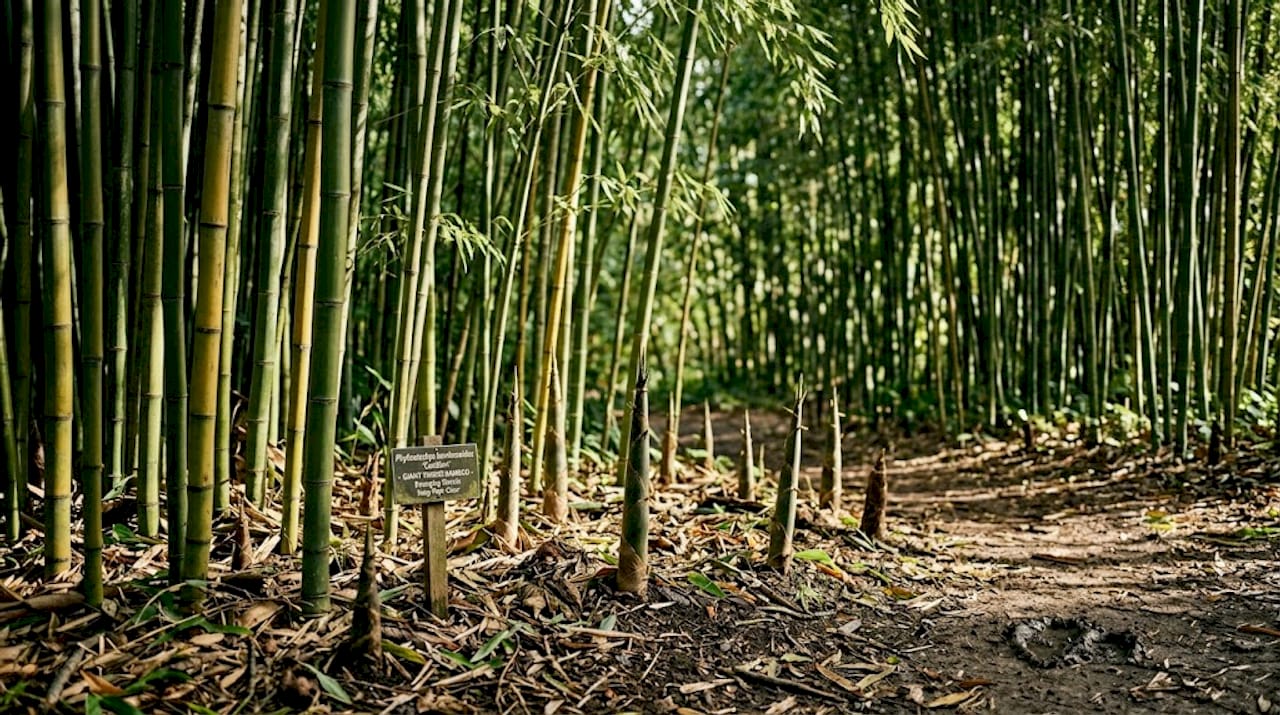
Bamboo is technically a grass, not a tree, and that distinction matters enormously. Bamboo grows back 20 times faster than trees and needs significantly less water to thrive. Some species grow several feet in a single day. When harvested, bamboo regenerates from its own root system without replanting, which means soil disruption is minimal and the carbon sequestration (the plant’s ability to absorb CO2) continues uninterrupted.
Here’s how bamboo compares to traditional wood pulp in key sustainability metrics:
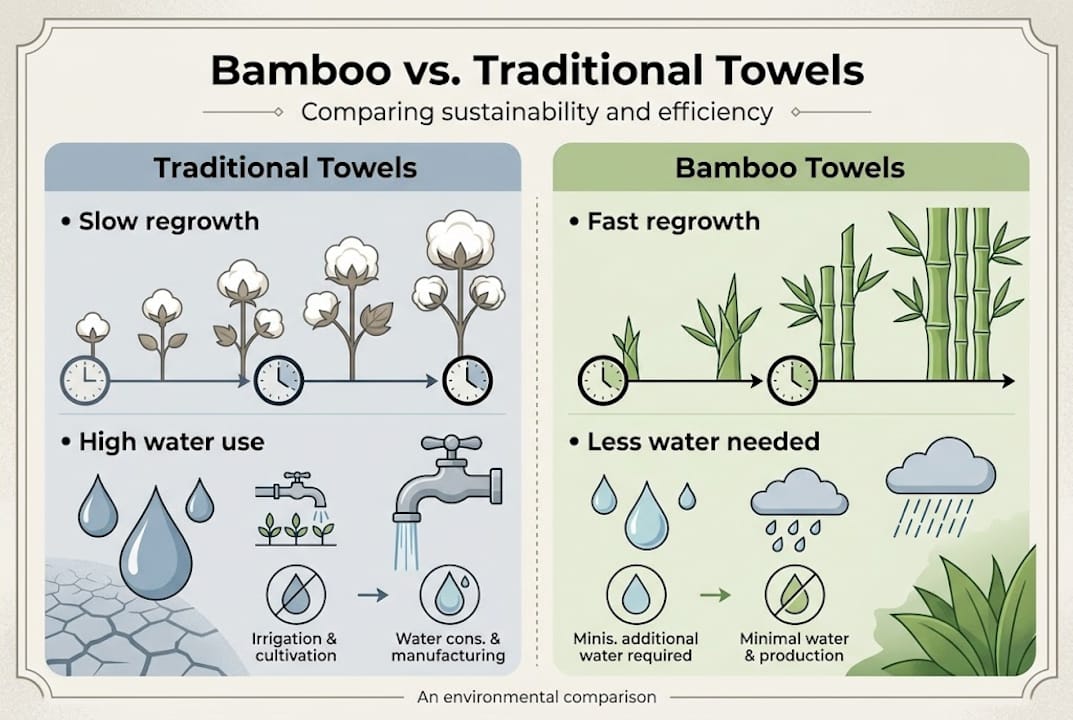
| Category | Traditional paper towels | Bamboo paper towels |
|---|---|---|
| Regrowth time | 20 to 60 years | 3 to 5 years |
| Water use | Very high | Significantly lower |
| Chemical processing | Bleach-heavy | Often minimal or chlorine-free |
| Carbon footprint | High | Notably reduced |
| End-of-life | Landfill | Compostable |
Beyond regrowth speed, bamboo has natural antibacterial properties, meaning the plant itself resists bacteria and mold during growth, reducing the need for chemical treatment during processing. Many bamboo paper towels on the market today are unbleached or processed with fewer additives, which means less chemical runoff from production facilities.
Pro Tip: Look for bamboo paper towels certified by the Forest Stewardship Council (FSC) or similar third-party bodies. This confirms the bamboo was sourced responsibly and the product meets established environmental standards.
On the composting side, unbleached bamboo towels break down cleanly in home compost bins, returning nutrients to the soil rather than sitting in a landfill for decades. If you want to see how other facilities are putting this into practice, the bamboo towel solutions available today cover everything from single-roll home setups to bulk commercial systems. Building out a sustainable towel workflow that includes proper composting at the end of use is a realistic goal for most kitchens and facilities.
To make your decision easier, let’s break down exactly how bamboo, recycled, and conventional paper towels stack up. Each type has a different story from source to trash bin, and knowing those differences helps you choose with confidence.
| Feature | Conventional | Recycled | Bamboo |
|---|---|---|---|
| Raw material | Virgin wood pulp | Post-consumer paper | Bamboo grass |
| Absorbency | Moderate | Moderate to low | High |
| Chemical use | High | Moderate | Low to minimal |
| Cost per roll | Lowest | Moderate | Slightly higher |
| Compostable | No | No | Yes (unbleached) |
| Best use case | Budget-focused | Mid-range eco step | Premium sustainable |
Recycled paper towels save 50% more energy than conventional options, but bamboo consistently delivers better absorbency per sheet, which means you often use fewer of them. That durability gap matters, especially in high-traffic commercial environments like restaurant kitchens or school bathrooms where towels are pulled in volume throughout the day.
Here’s a straightforward way to think through which type fits your situation:
For a complete breakdown of how to navigate all the variables involved in choosing sustainable towels, including specific certifications and sizing guides, it’s worth spending a few minutes doing your homework. If you’re curious about fabric-based alternatives that go even further, reusable towel options can complement a bamboo paper towel setup nicely.
Now that you know the differences, let’s see how you can choose and make the most of bamboo paper towels in your space. A few smart decisions upfront will save you money, reduce waste, and keep things running smoothly whether you’re outfitting a home kitchen or a full commercial facility.
What to look for when buying bamboo paper towels:
Getting the most from your bamboo paper towels:
Pro Tip: Pairing your bamboo towels with the right dispenser is one of the highest-impact moves you can make. Proper dispenser selection reduces towel use by up to 30% in commercial facilities, which means significant cost savings and less waste without anyone changing their habits much at all.
For homeowners, a countertop bamboo dispenser keeps things tidy and limits the “grab-more-than-you-need” reflex. For commercial property managers, exploring paper towel dispenser options that are built for controlled dispensing is an easy operational win. Understanding the different towel dispenser types available will help you match the right hardware to your volume and layout. And if you’re managing a food service space, an eco-friendly restaurant setup can bring together bamboo towels, smart dispensers, and composting into one coherent system.
With those hands-on tips in mind, let’s step back and question whether just buying “greener” towels is enough. The honest answer: it’s not, and that’s the part most eco-conscious buyers skip over.
Switching to bamboo paper towels is a meaningful step, but it doesn’t solve the core issue if your habits stay the same. A bamboo towel grabbed carelessly for a job a sponge could handle is still waste, just slightly greener waste. The real environmental wins come from pairing better products with better behaviors, and with smarter infrastructure like controlled dispensers and composting systems.
Long-term sustainable facility managers will tell you the same thing. The product choice matters less than the system around it. When you build a real impact at home or in your facility, combining mindful use, appropriate dispensing, and end-of-life composting, the numbers shift dramatically. Bamboo towels become a genuine environmental asset rather than just a feel-good swap. That’s the level of thinking that turns good intentions into actual results.
Ready to upgrade your towels? Whether you’re a homeowner wanting a cleaner, greener kitchen or a property manager looking to outfit a facility with something more sustainable, the right products make the transition simple and satisfying.

At Cozee Bay, you’ll find a thoughtfully curated selection of bamboo paper towel dispensers and eco-friendly accessories designed for both residential and commercial spaces. From countertop dispensers that look beautiful on any kitchen surface to durable commercial units built for high-volume use, everything is crafted with sustainability and style in mind. Free shipping within the contiguous U.S. and a money-back guarantee mean you can shop with confidence and find what works best for your space.
Yes, most unbleached bamboo paper towels are compostable and break down faster than regular paper towels. Bamboo towels are generally compostable as long as they are free from synthetic additives or bleaching agents.
Bamboo paper towels often absorb as much, if not more, liquid per sheet than standard paper towels. According to the NRDC paper towel guide, bamboo towels are highly absorbent compared to traditional options, which often means you use fewer sheets per task.
Bamboo paper towels are typically slightly more expensive upfront than recycled options, but they often last longer and reduce overall consumption. The NRDC notes that bamboo towels generally offer greater durability, which can offset the higher unit cost over time.
Many bamboo paper towels are sized to fit standard commercial dispensers, but always check roll dimensions and sheet size before purchasing in bulk. Always confirm dispenser compatibility when selecting eco-friendly towels for a commercial facility to avoid mismatches that create waste.
Comments will be approved before showing up.