Your Cart is Empty


Most American shoppers still believe bamboo furniture is flimsy, yet studies show its strength rivals traditional hardwoods and can last over a decade with ease. As the demand for eco-friendly materials rises, more Americans are rethinking what defines quality and longevity at home. This resource separates fact from fiction about bamboo furniture, revealing how modern innovations have turned it into a truly sustainable and reliable choice that meets today’s practical and environmental standards.
| Point | Details |
|---|---|
| Sustainability of Bamboo | Bamboo furniture is a highly sustainable choice, as it grows rapidly and has minimal environmental impact compared to traditional wood. |
| Durability and Strength | Modern bamboo furniture is strong and resilient, comparable to hardwood, and can withstand daily use effectively. |
| Versatile Applications | Bamboo furniture is suitable for both residential and commercial spaces, adapting to various design aesthetics with ease. |
| Cost-Effectiveness | Bamboo offers a cost-effective alternative to conventional materials, often costing 20-40% less while providing comparable durability and environmental benefits. |
Bamboo furniture represents a sustainable and innovative approach to home decor, drawing from centuries of craftsmanship in Asia. Bambooworking encompasses the creation of intricate items from this remarkable material, spanning furniture, architectural elements, and decorative pieces with roots deeply embedded in East and Southeast Asian traditions.
Contrary to popular misconceptions, bamboo furniture is not fragile or temporary. Contemporary bamboo furniture leverages the material’s natural strength and flexibility, challenging outdated perceptions about its durability. Modern manufacturing techniques transform bamboo into remarkably resilient pieces that can withstand significant daily use while maintaining aesthetic appeal.
Key characteristics that distinguish bamboo furniture include:
While some consumers mistakenly view bamboo as a novelty material, it represents a sophisticated choice for discerning homeowners seeking both ecological responsibility and design elegance. The versatility of bamboo allows craftspeople to create everything from minimalist modern chairs to intricate traditional dining tables, proving its adaptability across design aesthetics.
Bamboo furniture offers remarkable versatility across residential and commercial design landscapes, adapting seamlessly from sleek modern designs to intricate traditional pieces. Homeowners and business managers alike are discovering the transformative potential of bamboo furniture, which can elevate spaces with its unique aesthetic and sustainable profile.
Residential Applications include diverse settings ranging from minimalist urban apartments to rustic countryside homes. Bamboo pieces work exceptionally well in living rooms, bedrooms, home offices, and outdoor patio areas. Common residential bamboo furniture items feature:
Commercial Environments present equally compelling opportunities for bamboo furniture integration. Traditional craftsmanship techniques from Southwest China demonstrate how bamboo designs can be modernized for professional settings, including:
The adaptability of bamboo furniture stems from its ability to blend contemporary functionality with timeless design principles. Whether creating a warm, inviting home environment or establishing a sophisticated professional space, bamboo offers designers and property managers an eco-friendly solution that does not compromise on style or durability.
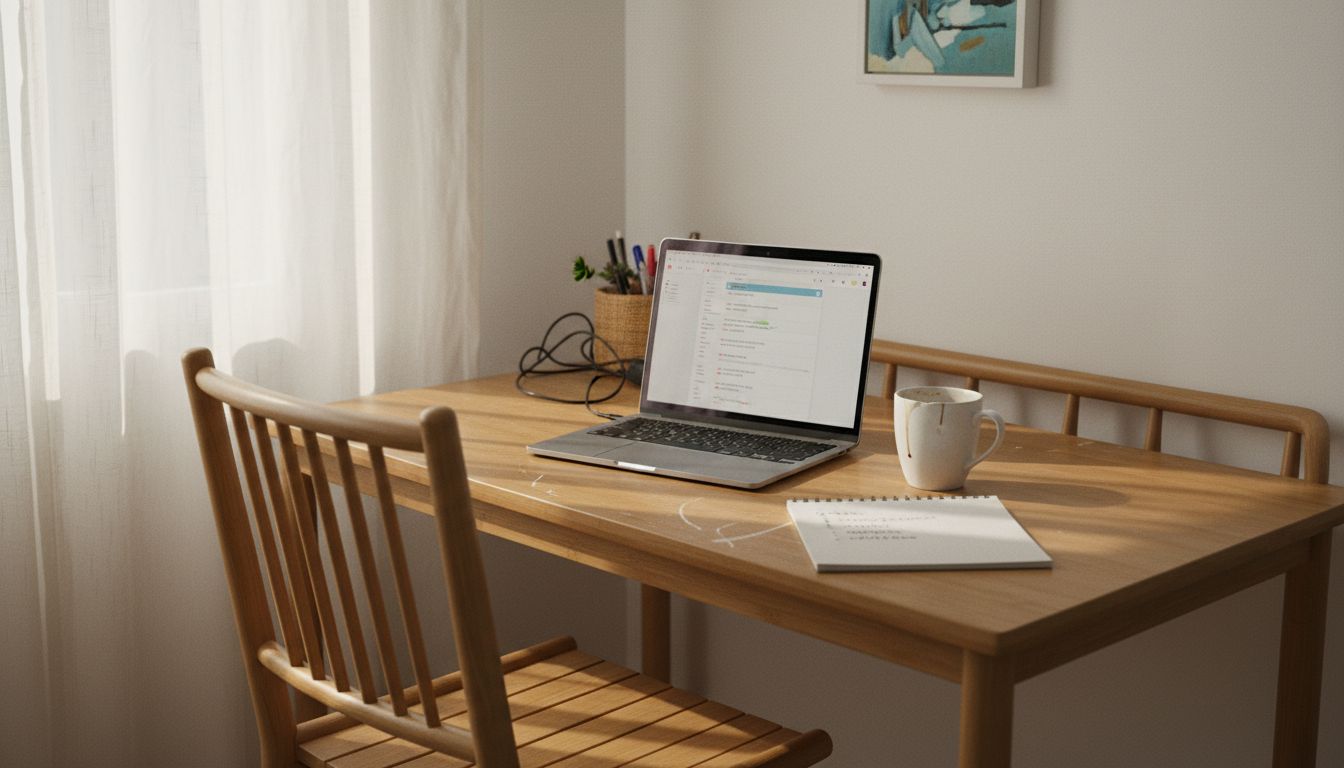
Bamboo’s remarkable ability to combat environmental challenges makes it a superior sustainable material for furniture production, offering consumers a conscientious alternative to traditional wood furnishings. This extraordinary plant grows exponentially faster than hardwood trees, with some species capable of growing up to 3 feet per day, dramatically reducing the time required to replenish harvested resources.
Environmental Advantages of bamboo furniture include:
Bamboo furniture provides additional environmental benefits by actively reducing deforestation and creating healthier living environments. The plant’s extensive root system prevents soil erosion, stabilizes landscapes, and continues growing after harvesting, making it a uniquely regenerative resource. Unlike traditional wood harvesting, which often requires complete tree removal, bamboo can be cut without destroying the entire plant.
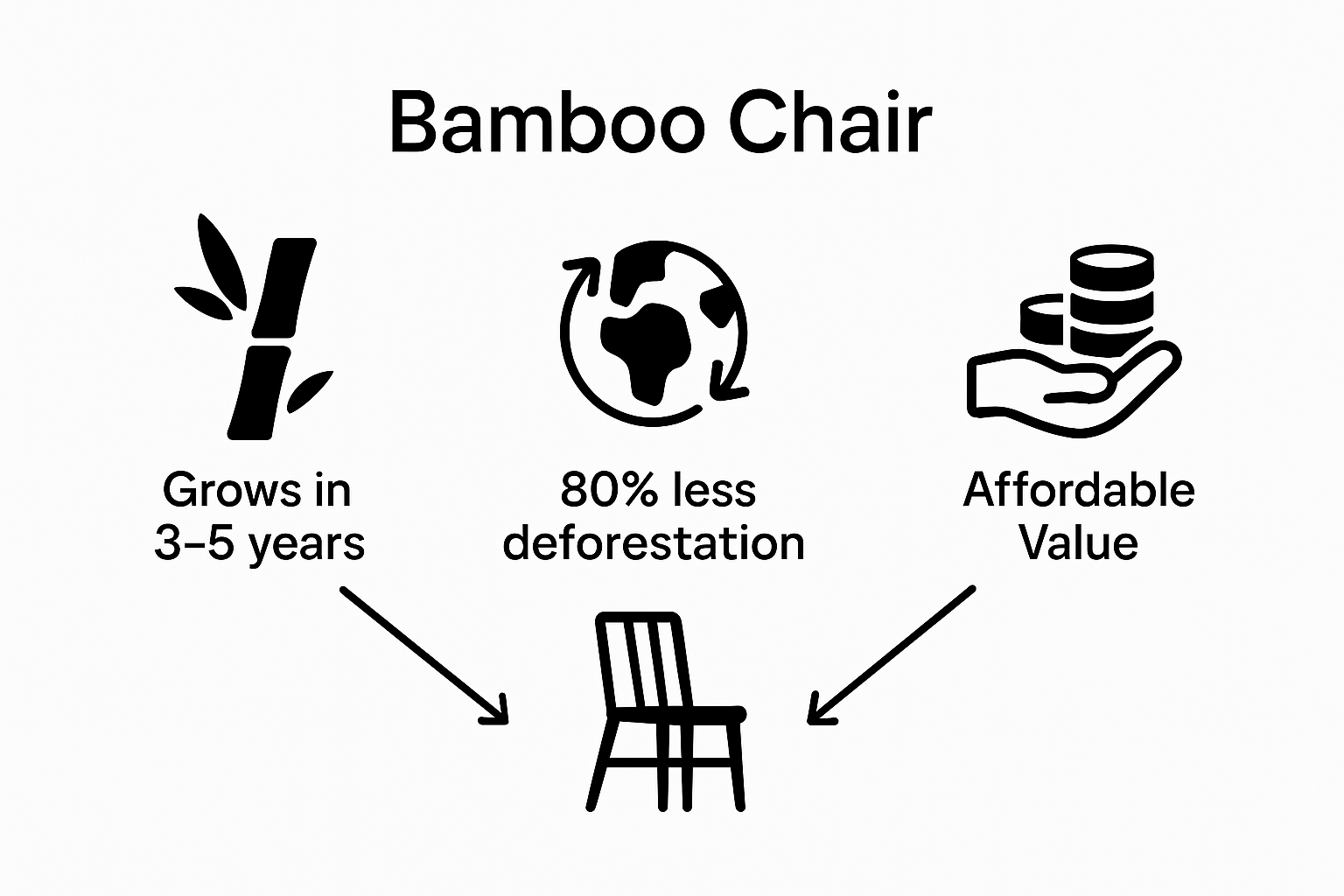
Beyond its environmental credentials, bamboo furniture offers practical advantages for eco-conscious consumers. Its natural durability, resistance to moisture, and minimal carbon footprint make it an intelligent choice for those seeking to reduce their environmental impact without compromising on quality or aesthetic appeal. By choosing bamboo, consumers directly support sustainable agricultural practices and contribute to global conservation efforts.
Bamboo’s exceptional natural strength and flexibility make it a superior material for long-lasting furniture, challenging traditional perceptions about wood-based furnishings. Unlike many wood types that degrade quickly, bamboo demonstrates remarkable resilience across diverse environmental conditions, providing homeowners with a durable investment that maintains its structural integrity over time.
Construction Techniques significantly impact bamboo furniture’s performance, with multiple manufacturing approaches offering unique durability profiles:
Different bamboo furniture construction methods determine specific maintenance requirements and long-term performance, allowing consumers to select pieces that align with their lifestyle and care preferences. Strand-woven bamboo, for instance, requires minimal maintenance and resists scratching, while natural round bamboo might need more attentive preservation techniques.
Proper care involves simple practices like avoiding direct sunlight, using soft cloths for cleaning, and maintaining consistent indoor humidity. Bamboo furniture’s inherent resistance to moisture and pests further simplifies maintenance, making it an intelligent choice for discerning homeowners seeking both aesthetic appeal and practical durability. With appropriate care, high-quality bamboo furniture can easily last 10-15 years, offering exceptional value compared to traditional wooden alternatives.
Bamboo products offer remarkable cost-effectiveness due to their rapid growth and abundant availability, presenting consumers with an economically attractive alternative to traditional furniture materials. While initial purchase prices might seem comparable to wood or metal furniture, the long-term value proposition of bamboo significantly outweighs conventional options through its durability, sustainability, and minimal maintenance requirements.
Comparative Cost Analysis reveals several key economic advantages:
Bamboo furniture represents a strategic investment that aligns with emerging market demands for environmentally responsible products, offering consumers an opportunity to make responsible purchasing decisions. Compared to traditional hardwood furniture, bamboo typically costs 20-40% less while providing equivalent or superior performance characteristics.
The value calculation extends beyond monetary considerations, encompassing environmental impact, durability, and aesthetic versatility. Consumers investing in bamboo furniture are not just purchasing a piece of furniture but supporting a sustainable manufacturing ecosystem that reduces carbon footprint, promotes responsible resource management, and contributes to global conservation efforts. With prices ranging from budget-friendly options to premium designer pieces, bamboo furniture accommodates diverse economic preferences while maintaining consistent quality and environmental integrity.
If you are seeking durable bamboo furniture that blends eco-friendly values with elegant design and lasting value, look no further than Cozee Bay’s expertly crafted bamboo products. The challenge of finding sustainable home and commercial furnishings that combine strength, natural beauty, and minimal upkeep is now easier to solve with our premium collection. Our Bamboo Paper Towel Dispenser- A Sleek Look Home or Office perfectly illustrates how bamboo’s rapid renewal and moisture resistance create functional, environmentally responsible solutions for busy spaces.
Explore our curated range today at Cozee Bay and discover the benefits of investing in bamboo. With versatile products including stylish dispensers and smart organizers like our Drawer Organizers | Cozee Bay®, you can enhance any room while supporting sustainability. Act now to bring durable, beautiful bamboo craftsmanship into your home or business for a lasting eco-conscious impact.
Bamboo furniture offers numerous advantages, including exceptional strength comparable to hardwoods, lightweight design, natural moisture resistance, and being an environmentally friendly material. It also features unique grain patterns that enhance visual appeal, making it suitable for various design styles.
Bamboo furniture is typically more cost-effective due to its rapid growth and abundant availability. It offers superior durability, requiring less maintenance and having a longer lifespan compared to many traditional wood types. Additionally, bamboo is a renewable resource that actively contributes to environmental sustainability.
Bamboo furniture requires minimal maintenance. Regular cleaning with a soft cloth, avoiding direct sunlight, and maintaining consistent indoor humidity are recommended practices. Depending on the construction method, such as strand-woven or natural round bamboo, some pieces may need more attentive care, but overall, bamboo’s natural durability simplifies upkeep.
With proper care, high-quality bamboo furniture can last between 10 to 15 years. Its resistant properties against moisture and pests enhance its lifespan, making it a durable investment compared to traditional wooden alternatives.
Comments will be approved before showing up.