Your Cart is Empty


TL;DR:
- Proper hygiene involves consistent handwashing, oral care, and environmental cleaning to prevent illness. Daily routines and regular device, bedding, and surface cleaning reduce germ transmission effectively. Avoiding common mistakes enhances overall household health and supports community infection control efforts.
Hygiene is the set of daily practices that keep people and their environments clean to prevent illness and disease. The World Health Organization (WHO) and the CDC both recognize proper hygiene as one of the most cost-effective tools for reducing infection rates across communities. Proper handwashing alone reduces diarrhea cases by 23–40% and respiratory colds by 16–21%. Those numbers represent real sick days avoided, doctor visits skipped, and families staying healthier through simple, repeatable habits. This guide walks you through the personal hygiene practices, home routines, and common mistakes that make the biggest difference for your household.
Good personal hygiene starts with hand care, and the technique matters as much as the frequency. Handwashing with soap and water is the most effective method to physically remove germs from palms, backs of hands, fingers, and under nails. A full 20-second scrub breaks down the oils that trap pathogens on skin. Skipping even one area, like the backs of your fingers or under your nails, leaves germs behind.
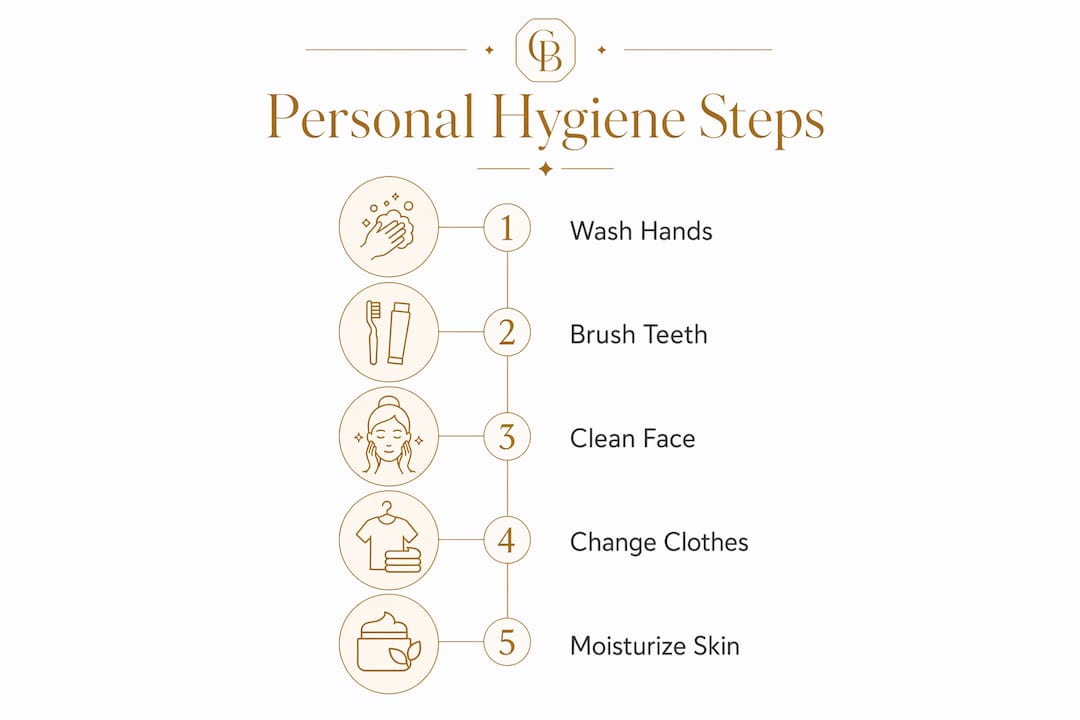
Here are the core personal hygiene practices every family should follow:
Pro Tip: Set a 20-second timer on your phone the first week you teach kids to wash their hands. Once they internalize the rhythm, the timer becomes unnecessary.
Oral hygiene products like fluoride toothpaste and soft-bristle brushes are the foundation of cavity and gum disease prevention. The importance of hygiene in the mouth extends beyond fresh breath. Untreated gum disease has been linked to cardiovascular issues, making oral care a whole-body concern.
Your personal cleanliness only goes so far if the surfaces and objects around you are covered in germs. Environmental hygiene means keeping your home, devices, and shared spaces clean enough that they do not undo your personal care efforts.
The table below shows which household items to clean, how often, and why:
| Item | Cleaning Frequency | Why It Matters |
|---|---|---|
| Pillowcases | Weekly | Prevents acne, allergies, and skin irritation |
| Smartphone screen | Daily | Removes germs that re-contaminate clean hands |
| Kitchen counters | Daily | Reduces cross-contamination from food prep |
| Bathroom faucet handles | Daily | High-touch surface with heavy germ transfer |
| Bed sheets | Weekly | Reduces dust mites, bacteria, and allergens |
| Toothbrush | Replace every 3–4 months | Worn bristles reduce cleaning effectiveness |
Neglecting to wash pillowcases or clean personal devices undermines your hygiene efforts entirely. These items continuously re-expose your skin and hands to the same germs you just washed away. For more practical guidance, Cozee-bay’s home hygiene tips cover routines that work for busy households.
Consistent routines are what turn good intentions into real habits. The key is building hygiene into moments that already exist in your day, rather than treating it as an extra task.
Morning routines clear the bacterial buildup that accumulates overnight. Morning hygiene habits serve as a mental reset that boosts confidence in social interactions. Brushing teeth, washing your face, and showering before the day starts sets a clean baseline that carries through the morning.
Daytime hygiene centers on handwashing at the right moments. Wash hands:
Nighttime routines matter just as much. Washing your face removes the day’s oils and pollutants before they sit on your skin for eight hours. Brushing teeth before bed removes food particles that feed bacteria overnight.
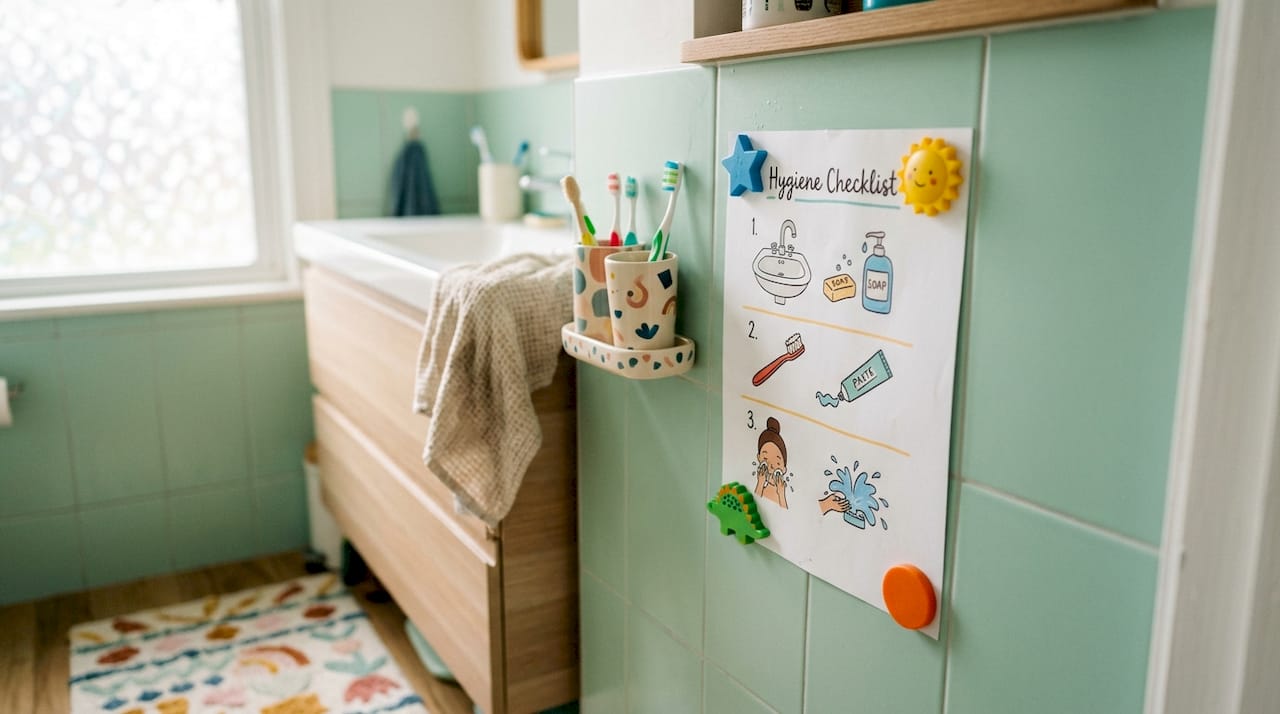
Teaching hygiene tips for kids works best when you make the habits visual and fun. Post a simple checklist in the bathroom with pictures for younger children. Use songs or timers for handwashing. Let kids pick their own toothbrush color or flavor of toothpaste. When children feel ownership over their routine, they stick to it more reliably.
Pro Tip: Create a family hygiene checklist for home and post it somewhere visible, like the inside of a cabinet door. Checking off tasks gives kids a sense of accomplishment and keeps adults accountable too.
Hand hygiene also protects against serious conditions beyond colds and stomach bugs. Keeping wounds free of germs through consistent handwashing helps prevent sepsis, a life-threatening response to infection. That makes handwashing one of the highest-value habits in your entire health routine.
Most people think they practice good hygiene, but a few common oversights quietly reduce its effectiveness. Fixing these mistakes takes almost no extra time and delivers real results.
Correcting these five mistakes costs nothing and requires no new products. The payoff is fewer sick days, cleaner skin, and a home environment that actively supports your health rather than working against it.
Consistent personal and environmental hygiene, built around proven techniques like 20-second handwashing and weekly bedding changes, is the most reliable way to reduce illness in your household.
| Point | Details |
|---|---|
| Handwashing technique matters | Scrub all hand surfaces for 20 seconds and dry fully to prevent recontamination. |
| Oral care requires consistency | Brush twice daily for 2 minutes with fluoride toothpaste and replace brushes every 3–4 months. |
| Environmental hygiene closes the loop | Clean smartphones, pillowcases, and high-touch surfaces daily or weekly to stop germ cycles. |
| Routines make habits stick | Anchor hygiene tasks to existing moments like meals, bedtime, and school drop-off. |
| Common mistakes reduce effectiveness | Rushing handwashing, keeping old toothbrushes, and skipping device cleaning quietly undermine good habits. |
I have seen families invest in the best soaps and the fanciest bathroom setups, only to skip the basics that actually move the needle. What I have learned is that hygiene is not really about products. It is about consistency and awareness.
The mental side of cleanliness gets overlooked too often. When you start your morning with a solid routine, you feel more in control of your day. When you teach your kids to wash their hands properly, you are not just preventing stomach bugs. You are showing them that taking care of themselves is worth their time. That lesson sticks.
Good hand hygiene also reduces infection rates across entire communities, not just individual households. Every person who washes their hands before a shared meal or after a cough is protecting someone else’s grandmother, child, or immunocompromised neighbor. That is a real and meaningful act.
The families I see succeed with hygiene are not the ones with the most products. They are the ones with the clearest routines and the willingness to model those habits for their kids every single day.
— Cozee
Building better hygiene habits is easier when your environment supports them. The right tools in the right places make it simple to follow through on the routines you have set.

Cozee-bay designs eco-friendly, handcrafted bamboo products that fit naturally into home hygiene routines. From bamboo paper towel dispensers that keep paper towels accessible at every sink and prep surface, to drawer organizers that keep bathroom essentials tidy and within reach, Cozee-bay’s products make cleanliness feel effortless. Every item ships free within the contiguous U.S. and comes with a money-back guarantee. If you want your home setup to actively support your family’s cleanliness habits, Cozee-bay’s eco-friendly bathroom essentials are a practical place to start.
Handwashing with soap and water for 20 seconds is the single most impactful hygiene habit. It reduces diarrhea risk by 23–40% and cuts respiratory illness rates by 16–21%.
Wash both sheets and pillowcases at least once a week. Pillowcases collect facial oils and skin cells that cause acne and allergic reactions when left unwashed.
Post a visual checklist in the bathroom, use a 20-second timer for handwashing, and let kids choose their own toothbrush. Ownership and routine make habits stick faster for children.
Fix your technique first. Scrub hands for a full 20 seconds, brush teeth for 2 minutes twice daily, and clean your phone and pillowcase weekly. These changes cost nothing and deliver measurable results.
Dirty surfaces and devices re-contaminate clean hands within minutes. Disinfecting high-touch areas and washing bedding weekly prevents the germ cycle that personal hygiene alone cannot break.
Comments will be approved before showing up.