Your Cart is Empty


Every time you reach for a conventional paper towel, you expose your family to harmful chemicals like formaldehyde, chlorine, and BPA. Eco-conscious homeowners deserve better. Sustainable reusable fabrics offer a safe, effective alternative that pairs perfectly with bamboo kitchen products. This guide walks you through selecting and caring for the best sustainable fabrics for reusable paper towels.
| Point | Details |
|---|---|
| Top sustainable fabrics | Organic cotton, hemp, and bamboo linen deliver superior absorbency and environmental benefits. |
| Retention performance | Properly cared fabrics retain over 80% absorbency after 50 washes. |
| Avoid chemical processing | Skip bamboo viscose due to harsh chemical treatments that harm health and environment. |
| Support local sustainability | USA-made fabrics reduce carbon footprint and support eco-conscious manufacturing. |
| Maintenance matters | Gentle washing without softeners maximizes fabric lifespan and cleaning power. |
Before selecting reusable paper towels, understand fabric types and their care requirements. This knowledge prevents costly mistakes and ensures your towels perform effectively. You’ll need organic or sustainable fabrics, gentle washing supplies, and a bamboo dispenser compatible with reusable towels.
Familiarize yourself with basic textile terms like porosity, absorbency, and fabric weight. These concepts help you evaluate fabric performance and match towels to specific kitchen tasks. Verify your laundering facilities can accommodate gentle wash cycles and low heat drying to maintain fabric properties.
Check your sustainable paper towel workflow to identify how many towels you’ll need based on household size and cleaning frequency. Gather mild, eco-friendly detergent free from harsh chemicals or optical brighteners. Avoid fabric softeners completely, as they coat fibers and drastically reduce absorbency.
Pro Tip: Start with a small batch of 6 to 8 towels to test fabric performance in your specific kitchen environment before committing to a full set. This approach helps you refine fabric weight and texture preferences while reducing paper towel waste immediately.
Organic cotton stands as the most popular reusable towel fabric. Organic cotton reduces pesticide use by up to 90% compared to conventional cotton, protecting soil and waterways. Its high absorbency and soft texture make it ideal for everyday kitchen cleaning tasks.
Hemp emerges as a water-efficient powerhouse. This naturally antimicrobial fabric requires 50% less water than conventional cotton during cultivation. Hemp fibers create extremely durable towels that withstand heavy use and frequent washing without losing effectiveness.
Bamboo linen and lyocell bamboo offer sustainable alternatives to chemically processed bamboo viscose. Bamboo linen and organic bamboo fabrics use less chemical processing than viscose variants, making them safer for your family and the environment. These fabrics blend softness with respectable absorbency.
Fabric thickness and porosity determine how effectively towels absorb spills. Denser weaves with higher thread counts create three-dimensional bulk that holds more liquid. Select medium to heavyweight fabrics for maximum performance, as lightweight options dry quickly but hold less moisture. Understanding bamboo paper towels benefits helps you appreciate how reusable fabrics complement eco-friendly kitchen systems.
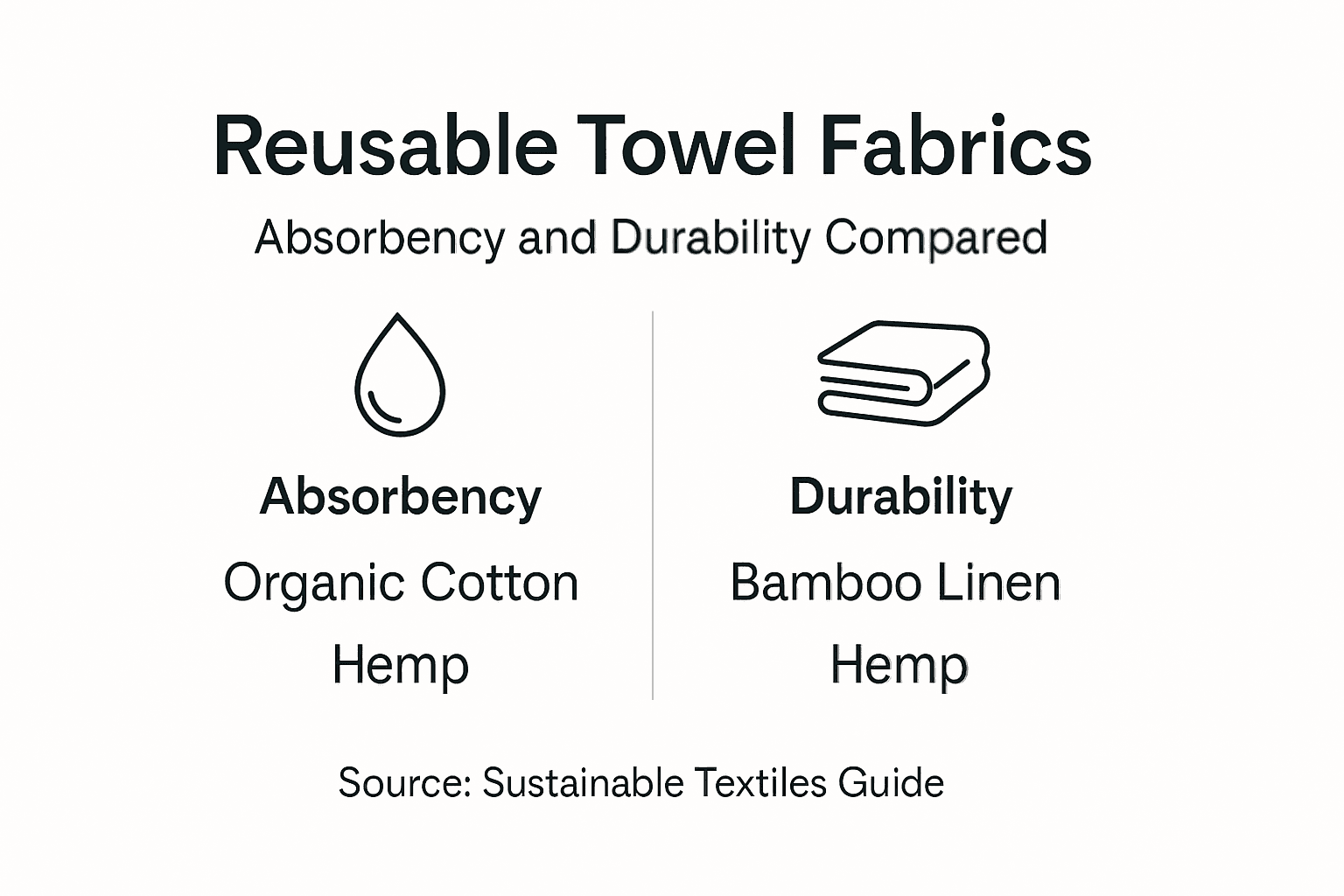
| Fabric Type | Water Efficiency | Absorbency Rating | Durability | Chemical Processing |
|---|---|---|---|---|
| Organic Cotton | Moderate | High | Good | Minimal |
| Hemp | Excellent | Very High | Excellent | None |
| Bamboo Linen | Good | Moderate | Good | Low |
| Bamboo Lyocell | Good | Moderate | Good | Moderate |
Explore more about sustainable options in this bamboo paper towels guide to make informed decisions. For technical fabric details, review sustainable fabric choices from independent testing organizations.
Three-dimensional bulk absorption maximizes liquid retention and correlates with fabric porosity. This technical property explains why some fabrics outperform others despite similar weights. Porosity creates tiny spaces within the fabric structure that trap and hold moisture through capillary action.
Organic cotton and hemp maintain performance through 50 plus wash cycles when properly cared for. These fabrics resist breaking down under repeated laundering, unlike lightweight synthetic blends that pill and thin quickly. Durability directly impacts cost savings, as towels lasting years eliminate constant replacement expenses.
Fabric weight matters more than most homeowners realize. Towels between 300 and 400 GSM (grams per square meter) balance absorbency with reasonable drying times. Lighter weights dry faster but require more towels per spill. Heavier weights absorb more but take longer to dry completely.
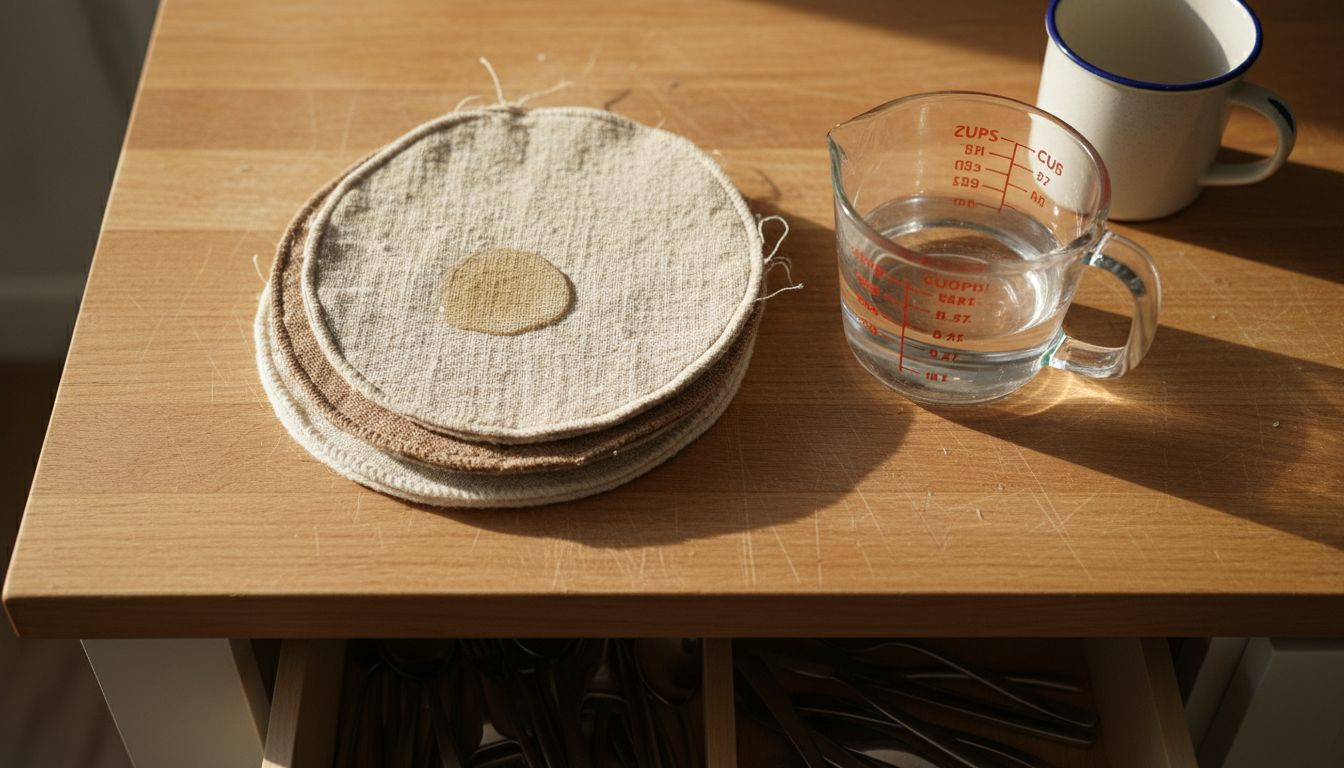
Thickness creates the structural depth needed for bulk absorption. Single-layer thin fabrics work for light dusting but fail on major spills. Multi-ply construction or naturally thick fibers like hemp provide the dimensional capacity essential for kitchen cleaning. Match fabric weight to your most common tasks for optimal performance.
Pro Tip: Test fabric absorbency before purchasing by placing a drop of water on the material. Quality fabrics absorb water within 3 to 5 seconds, while chemically treated or low-porosity options bead up or absorb slowly. This simple test reveals real-world performance better than marketing claims.
Pair your sustainable towels with quality bamboo towel holders that accommodate thicker reusable fabrics. Review this absorbency technical study for deeper understanding of absorption mechanics.
Conventional paper towels contain formaldehyde, chlorine bleach, and BPA which are carcinogens and persistent toxins. These chemicals transfer to your hands, food prep surfaces, and ultimately into your body with every use. Formaldehyde exposure links to respiratory issues and cancer risk, while chlorine byproducts disrupt hormones.
Organic cotton, hemp, and bamboo linen avoid these dangerous chemical treatments entirely. Processing these fabrics uses mechanical methods or low-impact enzymes instead of harsh bleaches and synthetic binders. This cleaner production protects manufacturing workers and keeps toxins out of your home.
Skin contact with chemical residues causes allergic reactions and irritation in sensitive individuals. Children and elderly family members face heightened vulnerability to these exposures. Switching to organic reusable fabrics eliminates this daily contact with harmful substances while cleaning just as effectively.
Formaldehyde, chlorine, and BPA in conventional paper towels persist in the environment for decades. These carcinogens contaminate water supplies and accumulate in ecosystems. Every reusable towel you adopt prevents roughly 3,000 disposable towels from entering landfills and waterways over its lifetime.
The cumulative effect of small daily exposures compounds over years. Choosing safer fabrics represents a simple yet powerful step toward protecting your family’s long-term health. Learn more about paper towel alternatives benefits and understand health risks of paper towel chemicals through evidence-based research.
Wash reusable towels in cold or warm water using mild detergent. Hot water breaks down natural fibers faster and wastes energy. Avoid fabric softeners completely, as they coat fibers and block absorbency within just a few washes.
Pre-wash new towels before first use to remove manufacturing residues and oils. This initial wash activates full absorbency potential by opening fiber structures. Most fabrics reach peak performance after 2 to 3 wash cycles as fibers soften and expand.
Reusable fabrics retain over 80% of their original absorbency after 50 washes when you follow proper care protocols. This longevity translates to years of reliable performance from quality towels. Regular inspection helps you catch wear early and rotate towels to distribute use evenly.
Follow these washing steps for maximum towel lifespan:
Proper maintenance costs less than buying disposables monthly. Initial investment in quality reusable towels pays back within 3 to 6 months through eliminated paper towel purchases. Discover strategies to reduce paper towel waste while lowering household expenses.
Avoiding bamboo viscose protects your health and supports truly sustainable practices. Common mistakes include choosing chemically processed bamboo viscose that undermines environmental benefits through toxic production methods. Viscose processing uses carbon disulfide, a neurotoxic chemical harmful to workers and ecosystems.
Selecting lightweight fabrics leads to frustration with poor absorbency. Thin towels work for light tasks but fail on major spills, causing users to give up on reusables entirely. Choose medium to heavyweight fabrics that handle diverse cleaning situations confidently.
Using fabric softeners represents the most common care mistake. These products coat fibers with waxy residue that repels water instead of absorbing it. Once softener builds up, towels become nearly useless for wet spills. If you accidentally use softener, strip wash towels with hot water and small amounts of dish soap to remove buildup.
Skipping the pre-wash phase means towels never reach full absorbency potential. Manufacturing processes leave oils and sizing on fabrics that block water absorption. Always wash new towels 2 to 3 times before expecting peak performance.
Pro Tip: Read fabric labels carefully to identify processing methods. Terms like “mechanical processing,” “enzyme treated,” or “OEKO-TEX certified” signal safer fabrics. Vague claims like “eco-friendly bamboo” often hide chemical viscose processing. When in doubt, contact manufacturers directly for processing details.
Visit helpful paper towel troubleshooting tips for solving specific issues. Review common fabric mistakes to avoid greenwashed products masquerading as sustainable options.
Purchasing USA-made fabrics lowers your carbon footprint significantly. USA-made towels use 100% US-sourced materials and reduce production carbon emissions by eliminating overseas shipping. Domestic manufacturing also ensures better labor standards and environmental oversight.
Several American brands excel in sustainable kitchen textiles. Look for companies certified by GOTS (Global Organic Textile Standard) or OEKO-TEX, which verify chemical safety and environmental practices. These certifications provide independent verification beyond marketing claims.
Compare brand offerings carefully based on fabric type, certifications, and transparency. Companies sharing detailed supply chain information demonstrate genuine commitment to sustainability. Avoid brands making vague eco-claims without third-party verification or specific processing details.
| Brand | Fabric Types | Certifications | USA Made | Notable Features |
|---|---|---|---|---|
| Brand A | Organic cotton, hemp | GOTS, OEKO-TEX | Yes | 100% domestic sourcing |
| Brand B | Bamboo linen | OEKO-TEX | Yes | Mechanical processing |
| Brand C | Organic cotton | GOTS | Yes | Fair trade certified |
| Brand D | Hemp blend | None listed | Partial | Water-efficient production |
Supporting local manufacturers aligns with your values as an eco-conscious homeowner. These purchases strengthen regional economies while reducing environmental impact from transportation. Domestic production also allows easier communication with companies about materials and practices.
Build your sustainable kitchen around thoughtfully chosen eco-friendly home accessories that work together cohesively. Explore options for USA-made sustainable kitchen towels from verified manufacturers committed to environmental responsibility.
Organic cotton, hemp, and bamboo linen balance exceptional absorbency with genuine sustainability. These fabrics outperform conventional paper towels while eliminating toxic chemical exposure in your home. Proper fabric selection matched to your kitchen needs ensures satisfaction with reusable towels.
Gentle washing without fabric softeners preserves towel performance through 50 plus washes. This simple care routine maximizes your investment while delivering reliable cleaning power for years. Pre-washing activates full absorbency, and air drying extends fabric lifespan naturally.
Choosing USA-made fabrics from certified manufacturers amplifies your environmental impact. Local sourcing reduces carbon emissions while supporting ethical labor practices and transparent supply chains. These purchases align your daily choices with long-term sustainability values.
Transitioning to reusable paper towels transforms your kitchen into an eco-friendly space. Start with a small batch to find your preferred fabric weight and texture. Combine quality reusable towels with bamboo dispensers for a complete sustainable cleaning system that eliminates waste and protects your family’s health.
Your reusable fabric towels deserve equally sustainable storage and dispensing solutions. Cozee Bay specializes in handcrafted bamboo kitchen products that complement your eco-friendly cleaning routine perfectly. Our bamboo paper towel holders accommodate thicker reusable fabrics while adding natural elegance to your countertops.

Discover how bamboo transforms everyday items into sustainable statements. Explore our top bamboo products for home to see detailed comparisons helping you choose the right solutions. Learn why bamboo for home products makes environmental and practical sense for modern households. Visit the Cozee Bay store to build your complete sustainable kitchen ecosystem with products designed for lasting performance and minimal environmental impact.
Organic cotton, hemp, and bamboo linen rank as the best fabrics for reusable paper towels due to superior sustainability and cleaning performance. These materials avoid harmful chemical processing while delivering reliable absorbency through dozens of wash cycles. Avoid bamboo viscose, which uses toxic chemicals despite eco-friendly marketing claims.
Wash towels in cold or warm water with mild detergent, avoiding fabric softeners completely. Pre-wash new towels 2 to 3 times to remove manufacturing residues and activate full absorbency. Air dry or tumble dry on low heat, removing promptly to prevent fiber damage from excessive heat exposure.
Yes, several American manufacturers produce reusable towels using 100% domestically sourced organic cotton and hemp. Buying USA-made fabrics significantly reduces transportation carbon emissions while supporting ethical labor standards. Look for GOTS or OEKO-TEX certifications verifying sustainable and safe production practices.
Quality reusable towels last 2 to 5 years with proper care, maintaining over 80% of original absorbency after 50 washes. Lifespan depends on fabric weight, wash frequency, and care methods. Replace individual towels showing visible thinning, tears, or persistent odors rather than discarding entire sets.
Reusable towels pay for themselves within 3 to 6 months by eliminating ongoing paper towel purchases. An average household spends $150 to $200 yearly on disposable paper towels, while a complete reusable set costs $50 to $100 and lasts years. The environmental savings compound these financial benefits significantly.
Comments will be approved before showing up.