Your Cart is Empty


Every year, the average American household uses over 700 rolls of paper towels, contributing to massive landfill waste and resource depletion. For eco-conscious homeowners and small business owners who want style and functionality without sacrificing their values, finding alternatives makes a real difference. Discover how sustainable bamboo options rival traditional paper towels, offering the durability, absorbency, and chic design that modern American homes and workplaces crave—all while reducing environmental impact.
| Point | Details |
|---|---|
| Sustainable Alternatives | Paper towel alternatives like bamboo, microfiber, and organic cotton offer effective, eco-friendly solutions for reducing household waste. |
| Performance Misconceptions | Many consumers believe that sustainable options are less effective, but modern alternatives often match or exceed traditional paper towels in absorbency and durability. |
| Cost Efficiency | Transitioning to reusable towels can significantly lower annual costs compared to disposable paper towels, while also contributing to waste reduction. |
| Proper Usage Practices | To maximize the benefits of paper towel alternatives, it is essential to employ effective cleaning strategies and maintain hygiene to prevent cross-contamination. |
Paper towel alternatives are sustainable household solutions designed to replace traditional single-use paper products, offering environmentally conscious consumers practical ways to reduce waste. These alternatives range from reusable cloth towels to innovative materials like bamboo and recycled paper, each providing unique benefits for eco-friendly home management. Sustainable paper towel options have gained significant traction as homeowners become more aware of their environmental impact.
Contrary to common misconceptions, paper towel alternatives are not just about environmental responsibility but also about performance and practicality. Many people mistakenly believe that sustainable options are less absorbent or hygienic than traditional paper towels. However, modern alternatives like bamboo and recycled paper towels offer comparable strength and cleaning capabilities. Paper towel environmental costs include significant deforestation, high energy consumption, and substantial landfill waste, making alternative solutions increasingly important.
The most effective paper towel alternatives typically include:
Each alternative offers unique advantages in terms of absorbency, durability, and environmental impact. Bamboo options, for instance, are particularly sustainable due to the rapid growth and regenerative properties of bamboo plants. Microfiber cloths provide exceptional cleaning power and can be washed and reused multiple times, significantly reducing household waste.
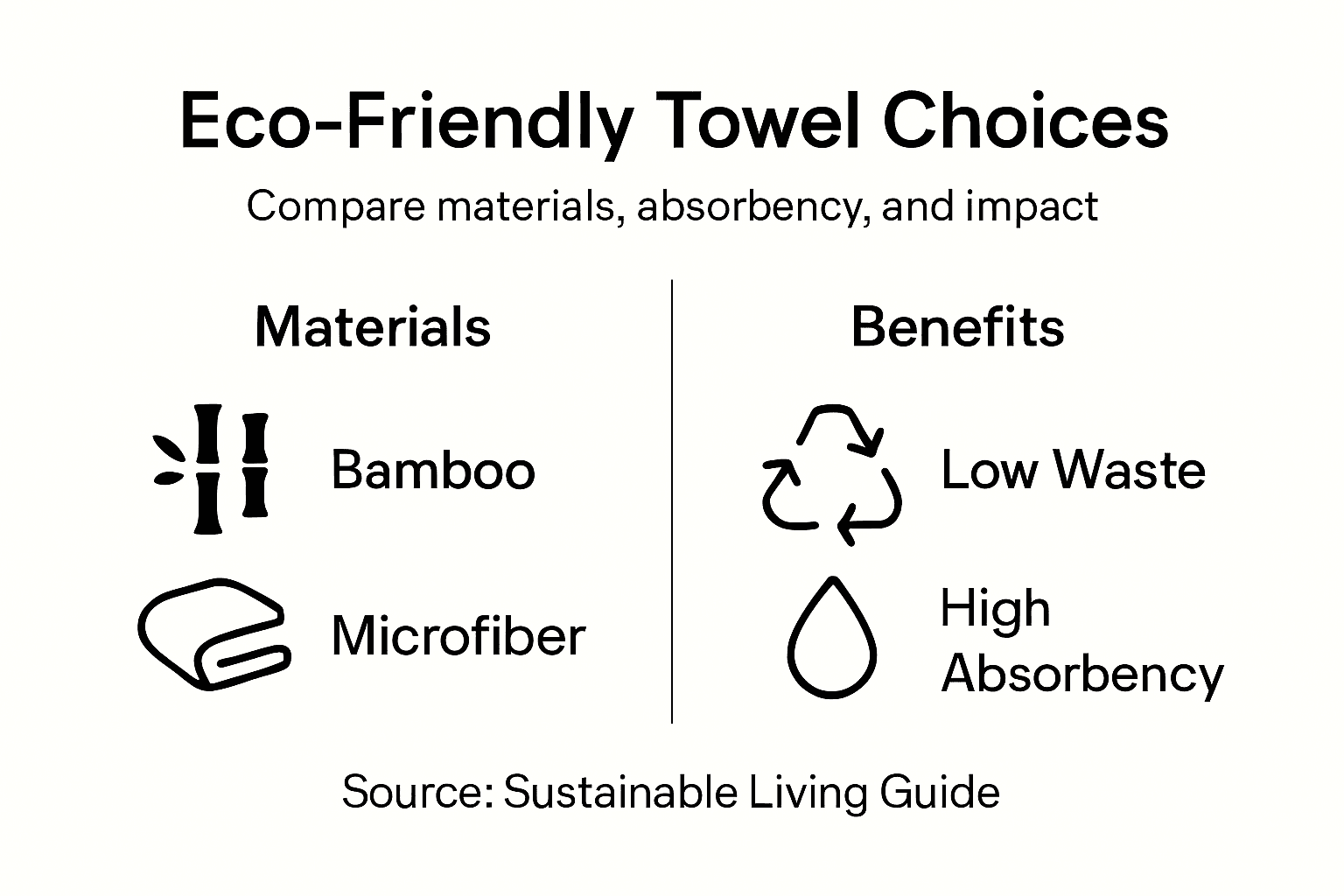
Here’s a concise comparison of popular reusable paper towel alternatives and their key attributes:
| Material Type | Typical Lifespan | Absorbency Level | Environmental Benefit |
|---|---|---|---|
| Bamboo Towels | 6-12 months | High | Fast to renew, biodegradable |
| Microfiber Cloths | Several years | Very high | Reduces landfill waste |
| Swedish Dishcloths | 6+ months | Excellent | Made from renewable sources |
| Organic Cotton Rags | 2+ years | Moderate to high | Compostable, minimal chemicals |
| Cellulose Sponge | 6-12 months | High for spills | Fully biodegradable, renewable |
Pro tip: Start transitioning to paper towel alternatives by purchasing a set of high-quality reusable towels and keeping them in convenient locations throughout your home to encourage consistent use.
Eco-conscious homeowners have a diverse range of sustainable alternatives to traditional paper towels, each offering unique benefits for reducing household waste. Sustainable paper towel options have evolved significantly, providing environmentally friendly solutions that do not compromise cleaning effectiveness. These innovative alternatives are designed to meet various household needs while minimizing environmental impact.
Among the most popular eco-friendly towel alternatives are Swedish dishcloths, which combine exceptional absorbency with remarkable durability. These versatile cloths are typically made from organic cotton and biodegradable cellulose, making them an excellent choice for environmentally conscious consumers. Other notable alternatives include:
Each alternative presents distinct advantages in terms of sustainability and performance. Microfiber cloths, for instance, can be washed and reused multiple times, significantly reducing waste compared to disposable paper products. Bamboo paper towel solutions offer an especially sustainable option, as bamboo grows rapidly and requires minimal resources for cultivation. The key is selecting an alternative that matches your specific cleaning needs while supporting environmental conservation efforts.
Pro tip: Create a dedicated drawer or container for your reusable towel alternatives to make them easily accessible and encourage consistent use in your daily cleaning routine.
Bamboo stands out as a revolutionary sustainable material that offers numerous environmental and practical advantages for eco-conscious consumers. Bamboo paper towel alternatives represent a significant leap forward in sustainable home products, providing an innovative solution to traditional paper waste. The material’s unique characteristics make it an exceptional choice for environmentally responsible households seeking to reduce their ecological footprint.
The environmental benefits of bamboo are truly remarkable. Sustainable material advantages include several key characteristics that set it apart from traditional materials:
Unlike traditional wood-based products, bamboo offers a remarkably sustainable alternative that addresses multiple environmental concerns. Its ability to regrow quickly without replanting means bamboo requires significantly fewer resources compared to traditional paper production. The plant’s natural resistance to pests reduces the need for harmful pesticides, and its extensive root system helps prevent soil erosion while promoting soil health. Moreover, bamboo absorbs more carbon dioxide and produces more oxygen than equivalent stands of trees, making it an incredibly eco-friendly material choice for conscious consumers.
Pro tip: When selecting bamboo products, look for certifications that verify sustainable harvesting practices to ensure you’re making the most environmentally responsible choice.
Paper towel alternatives have transformed how both residential and commercial spaces approach cleaning and sustainability. Sustainable paper towel strategies demonstrate that eco-friendly solutions can be practical and effective across various environments. From small home kitchens to large commercial facilities, these alternatives offer versatile and environmentally responsible options for everyday use.
Reusable towel applications span multiple settings and use cases, providing significant benefits:
Implementing paper towel alternatives requires strategic planning and understanding of specific environmental contexts. In home settings, Swedish dishcloths and microfiber towels can replace traditional paper products, reducing waste and saving money. Commercial spaces like restaurants and offices can significantly decrease their environmental footprint by switching to reusable cloth towels, which offer durability and cost-effectiveness. The key is selecting materials that balance hygiene, absorbency, and sustainability while meeting the specific cleaning requirements of different environments.

Pro tip: Create a color-coded system for your reusable towels to prevent cross-contamination and make tracking usage easier across different areas of your home or business.
Environmentally conscious consumers are increasingly evaluating the long-term financial and ecological implications of their household choices. Paper towel cost analysis reveals a compelling economic argument for transitioning away from disposable paper products. The cumulative expenses of single-use paper towels far exceed the initial investment in reusable alternatives, making sustainable options not just environmentally responsible but financially smart.
Reusable towel economics demonstrate significant advantages across multiple dimensions:
Detailed cost comparisons illustrate the substantial financial benefits of sustainable alternatives. A typical household might spend $200-$300 annually on disposable paper towels, whereas a comprehensive set of reusable towels could cost $50-$100 and last several years. One Swedish dishcloth, for instance, can replace up to 15 rolls of paper towels, dramatically reducing waste and saving money. Beyond direct financial savings, the environmental impact is profound: fewer trees harvested, reduced manufacturing emissions, and significantly less landfill waste.
The following table highlights the long-term cost and waste reduction impact of switching to reusable towels compared to disposable paper towels:
| Option | Annual Cost (est.) | Waste Generated | Lifespan per unit |
|---|---|---|---|
| Disposable Paper Towels | $200-$300 | 60-150 rolls | Single use |
| Reusable Towels | $50-$100 | 10-20 towels | 6 months to several years |
| Swedish Dishcloths | $10-$30 | 1-2 cloths | 6-12 months |
Pro tip: Track your paper towel expenses for one month to calculate potential savings and motivate your switch to reusable alternatives.
Transitioning to paper towel alternatives requires strategic planning and understanding potential pitfalls. Reusable towel best practices highlight critical considerations that many consumers overlook when making this sustainable switch. Awareness of common mistakes can help ensure a smooth and effective transition to eco-friendly cleaning solutions.
Cross-contamination prevention strategies are crucial for maintaining hygiene and effectiveness. Most common mistakes include:
Successful implementation of paper towel alternatives requires a systematic approach to maintenance and usage. Different surfaces and cleaning tasks demand specific cloth types, and understanding material properties is essential. For kitchen environments, microfiber cloths work best for glass and smooth surfaces, while terry cloth towels excel at absorbing spills. Color-coding your cloths can prevent cross-contamination between areas like food preparation zones and bathroom cleaning, ensuring both hygiene and effectiveness of your sustainable alternatives.
Pro tip: Create a dedicated washing routine for your reusable towels, using hot water and color-safe bleach to maintain maximum cleanliness and extend their functional lifespan.
If you are ready to embrace sustainable living and reduce disposable paper towel waste, Cozee Bay offers elegant, handcrafted bamboo paper towel dispensers and accessories designed for eco-conscious homes and businesses. These dispensers not only complement your commitment to using bamboo paper towel alternatives but also bring a sleek, natural look to any space while promoting durability and functionality. Discover how simple it is to upgrade your cleaning routine with products made from renewable, fast-growing bamboo.

Explore our selection starting with the Bamboo Paper Towel Dispenser- A Sleek Look Home or Office to find premium options that blend style with sustainability. Don’t forget to browse our Paper Towel Dispensers - Accessories | Cozee Bay® for perfect add-ons that enhance usability. Take action now to join countless environmentally conscious customers making the smart switch at Cozee Bay. Your sustainable home upgrade awaits.
Paper towel alternatives are sustainable household solutions designed to replace traditional single-use paper products. They include reusable cloth towels, bamboo towels, microfiber cloths, and more that help reduce waste.
Many sustainable alternatives, such as bamboo and microfiber cloths, offer comparable or even superior absorbency and cleaning effectiveness compared to traditional paper towels, debunking the myth that they are less efficient.
Bamboo paper towels are rapidly renewable, requiring minimal water and chemicals during cultivation. They are fully biodegradable and have a lower carbon footprint compared to conventional paper products, making them a great eco-friendly choice.
Start by purchasing a set of high-quality reusable towels and keeping them accessible in your home. Establish a washing routine and consider color-coding cloths to avoid cross-contamination, ensuring maximum hygiene and effectiveness.
Comments will be approved before showing up.