Your Cart is Empty


TL;DR:
- Bamboo plants are versatile, fast-growing grasses suitable for various garden and indoor spaces, provided proper species selection and containment methods are used. Clumping bamboos are ideal for small gardens, while running types require barriers to prevent uncontrolled spread, especially on large properties. Proper planting timing, soil preparation, and ongoing maintenance are essential for healthy growth and sustainable use as eco-friendly decor.
Bamboo plants are fast-growing grasses belonging to the Poaceae family, with over 1,400 species spanning tropical forests to temperate gardens. They rank among the most versatile plants you can grow, serving as privacy screens, container specimens, indoor accents, and raw material for eco-friendly home products. Whether you want a lush garden backdrop or a sleek indoor statement piece, bamboo delivers beauty and sustainability in one plant. The key is knowing which type to choose, how to care for it, and how to keep it from taking over your yard.
Bamboo species fall into two distinct growth categories: clumping and running. Clumping bamboos form dense, contained clumps and spread slowly outward, making them the safer choice for most home gardens. Running bamboos spread aggressively through underground stems called rhizomes and can quickly colonize areas far beyond where you planted them. Choosing the right type from the start saves you enormous headaches later.
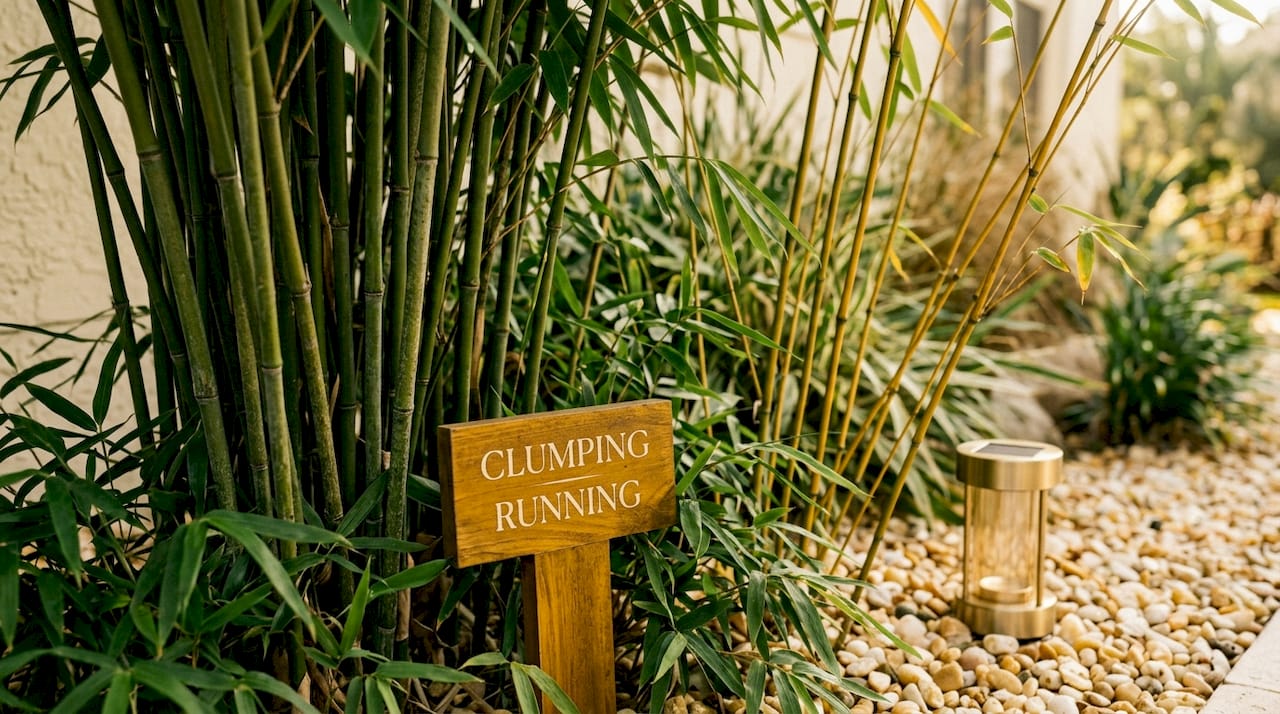
| Type | Growth habit | Best for | Popular species |
|---|---|---|---|
| Clumping | Slow, contained spread | Small yards, containers, borders | Fargesia murielae, Bambusa multiplex |
| Running | Aggressive lateral spread | Large estates, barriers with containment | Phyllostachys aurea, Phyllostachys nigra |
| Dwarf clumping | Very compact, low-growing | Ground cover, pots, indoor use | Pleioblastus pygmaeus, Sasa veitchii |
For small yards and urban gardens, clumping species like Fargesia murielae (Umbrella Bamboo) or Bambusa multiplex (Hedge Bamboo) are the practical choice. They stay tidy, grow upright, and rarely require aggressive management. Dwarf bamboo varieties such as Pleioblastus pygmaeus work beautifully as ground cover or in decorative pots on a patio or balcony.
If you have a large property and want a dramatic privacy hedge, running types like Phyllostachys nigra (Black Bamboo) deliver stunning visual impact. The catch is that you must install containment barriers before planting, not after. The RHS notes that running bamboos require vertical root barriers to prevent uncontrolled spreading, and skipping this step is the most common mistake new bamboo growers make.
Planting timing matters more with bamboo than with most ornamental plants. The best time to plant bamboo is spring, when the rhizomes are loaded with stored energy ready to fuel strong summer growth. A spring-planted bamboo establishes its root system before winter dormancy, giving it a significant head start over fall-planted specimens.
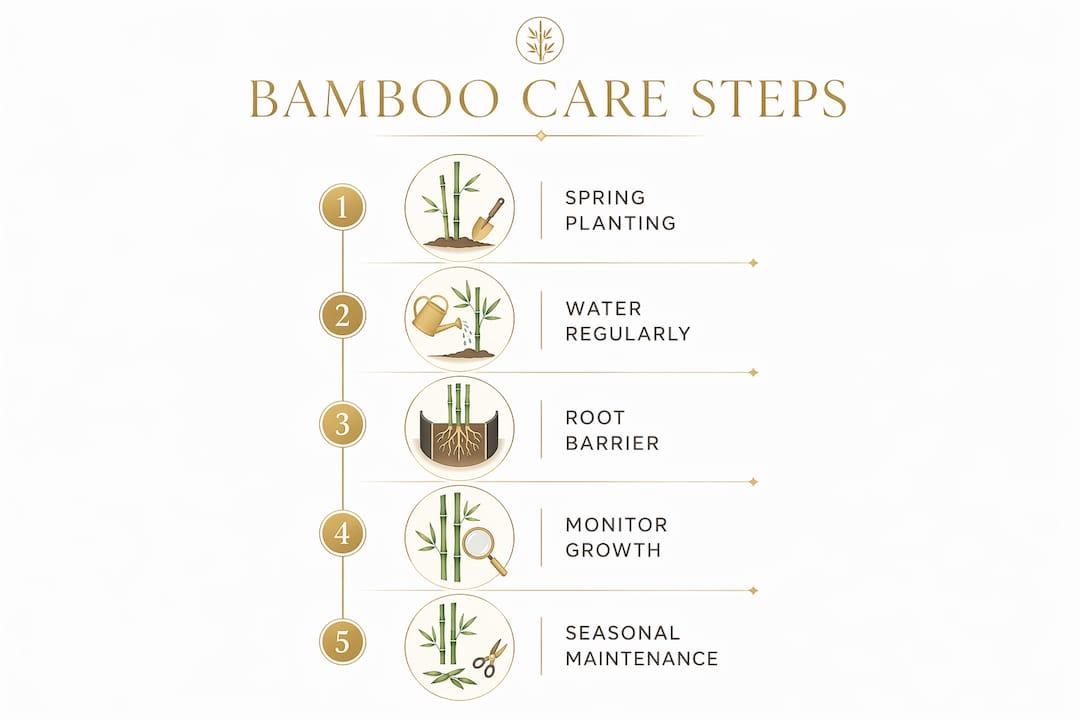
Soil preparation is straightforward but non-negotiable. Bamboo grows best in moist, fertile, well-draining soil in a sheltered, sunny spot. Heavy clay that holds standing water will rot the roots; sandy soil that drains too fast will stress the plant during dry spells. Work in compost before planting to hit that sweet spot of moisture retention with good drainage.
Here is a step-by-step approach to getting bamboo established outdoors:
Pro Tip: Water newly planted bamboo every two to three days during the first summer. Once established after one full growing season, most outdoor bamboo tolerates short dry spells, though consistent moisture always produces better growth.
Indoor growing bamboo requires a clear distinction between true bamboo and lucky bamboo. Lucky bamboo (Dracaena sanderiana) is not true bamboo at all. It belongs to the Asparagaceae family and thrives in low-light indoor conditions where true bamboo would struggle. This distinction matters because the care requirements are completely different.
For lucky bamboo grown in water, weekly water changes and clean containers prevent yellowing leaves and tip damage. Fertilize every other month at quarter strength to avoid burning the roots. Keep it in bright indirect light and away from pets, since it is toxic to cats and dogs. True bamboo grown indoors in containers needs a large pot, direct sun from a south-facing window, and regular watering to compensate for the drying effect of indoor heating.
Bamboo’s reputation for invasiveness is not entirely unfair, but it is often misunderstood. With correct species selection and containment, bamboo becomes a manageable and attractive garden feature rather than a nightmare. The problem is almost always running bamboo planted without barriers in spaces too small to absorb its spread.
Running bamboo rhizomes can spread up to 20 feet from the mother plant. That means a plant you put in a corner of your yard can be pushing up shoots in your neighbor’s lawn within a few seasons. Containment is not optional for running types; it is the price of admission.
Here are the most effective containment methods:
| Containment method | Cost | Effectiveness | Best suited for |
|---|---|---|---|
| Root barrier | Moderate | High with correct installation | Permanent in-ground planting |
| Maintenance trench | Low | High with annual upkeep | Budget-conscious gardeners |
| Container growing | Low to moderate | Very high | Patios, small spaces |
| Clumping species choice | None | Preventive | New plantings, small yards |
Pro Tip: Mark your calendar every spring to check and sever rhizomes. Bamboo control requires ongoing maintenance, not a one-time fix. Skipping even one season gives rhizomes enough time to re-establish beyond your barriers.
Bamboo’s visual range is genuinely surprising. Culms come in green, gold, black, and striped patterns depending on the species, giving you real design flexibility. Paired with the plant’s rapid growth and sustainability credentials, bamboo earns its place as both a garden plant and a design element.
Here are practical ways to work bamboo into your home and garden aesthetic:
Bamboo also holds up well against conventional decor materials from a sustainability standpoint. It grows far faster than hardwood trees and requires no pesticides or irrigation once established. Combining living bamboo with eco-friendly wall art and natural-material furnishings builds a home environment that looks intentional and sits lightly on the planet.
Bamboo plants reward thoughtful selection and consistent care with fast-growing beauty, practical function, and genuine sustainability benefits that few other plants can match.
| Point | Details |
|---|---|
| Choose the right type first | Clumping bamboo suits small spaces; running types need barriers installed before planting. |
| Plant in spring for best results | Spring planting uses stored rhizome energy for strong establishment before winter. |
| Control is an annual commitment | Sever rhizomes and inspect barriers every spring to prevent uncontrolled spread. |
| Indoor lucky bamboo needs distinct care | Weekly water changes and indirect light keep Dracaena sanderiana healthy; it is not true bamboo. |
| Bamboo doubles as decor | Living plants and bamboo-crafted products together create a cohesive, sustainable home aesthetic. |
I used to think bamboo was a plant for people with large estates and professional landscapers on speed dial. Then I planted a single pot of Fargesia murielae on a narrow urban balcony, and within one season it had transformed a bare concrete space into something genuinely calming. No barriers needed, no aggressive spread, just a dense, graceful clump that swayed in the breeze and blocked the view of the parking lot below.
What surprised me most was how little it asked for in return. One deep watering per week during summer, a handful of slow-release fertilizer in spring, and the occasional removal of dead culms. That’s it. For a plant that grows this fast and looks this good, the maintenance trade-off is almost embarrassingly favorable.
The sustainability angle goes deeper than most people realize. Bamboo sequesters carbon, requires no chemical inputs once established, and its root system stabilizes soil better than most ornamental plants. When you pair living bamboo with bamboo-crafted products in your home, you are making a coherent choice rather than a scattered one. The plant and the product tell the same story.
My honest advice: start with a clumping species, get the care routine right, and then expand. Bamboo rewards patience and punishes impatience in equal measure. Get the foundation right and it will be one of the best decisions you make for your garden.
— Cozee

If bamboo has inspired you to think differently about your living space, Cozee-bay makes it easy to carry that aesthetic indoors. The Cozee-bay collection features handcrafted bamboo products designed for both home and commercial settings, from paper towel dispensers to drawer organizers and beyond. Every piece is built from fast-growing bamboo, meaning your purchase supports a genuinely renewable material cycle. Cozee-bay ships free within the contiguous U.S. and backs every order with a money-back guarantee, so there is no risk in trying. Browse the full range of premium bamboo products and find pieces that complement your garden’s natural character indoors.
Clumping bamboo spreads slowly in contained mounds and suits most home gardens, while running bamboo spreads aggressively through underground rhizomes and requires root barriers to prevent it from taking over neighboring areas.
Lucky bamboo (Dracaena sanderiana) is not true bamboo. It belongs to the Asparagaceae family and requires different care, including weekly water changes and indirect light, compared to outdoor bamboo species.
Install high-density polyethylene root barriers at least 24 inches deep and 7.5 inches above soil level before planting, or dig a maintenance trench annually to sever any escaping rhizomes. Choosing a clumping species eliminates the problem entirely.
Spring is the best time to plant bamboo, as the rhizomes carry stored energy that fuels strong root development and shoot growth through summer before the plant enters winter dormancy.
Dwarf clumping varieties and lucky bamboo both grow well in containers indoors. True bamboo needs a large pot, a south-facing window for adequate light, and consistent watering to compensate for the drying effect of indoor heating systems.
Comments will be approved before showing up.