Your Cart is Empty


Choosing truly sustainable materials for your kitchen or bathroom feels overwhelming when you’re faced with countless options and greenwashing claims everywhere you turn. You want eco-friendly choices that don’t sacrifice style or performance, but how do you separate genuine sustainability from marketing hype? This article details top evidence-backed examples of sustainable materials for kitchens and bathrooms, with practical guidance to help you decide what best fits your space and values.
| Point | Details |
|---|---|
| Bamboo is fast and strong | Bamboo offers quick renewability and great performance but needs proper sealing in wet areas. |
| Recycled glass reduces waste | Recycled glass countertops combine stylish looks with substantial landfill diversion and durability. |
| Bio-based materials improve air | Cork, hemp, and paper composites cut indoor air pollution compared to traditional surfaces. |
| Lifecycle costs often lower | Many sustainable materials cost less over time thanks to durability and energy savings despite higher up-front prices. |
| Choose for your space | Match materials to your needs—durability, warmth, or carbon reduction—using the comparison table as your guide. |
Before diving into the best material options, it helps to know what sets genuinely sustainable choices apart. Not all eco-friendly claims hold up under scrutiny, so understanding the core criteria saves you from costly mistakes.
Key sustainability factors to evaluate:
Pro Tip: Always ask for third-party certifications like FSC, Cradle to Cradle, or GreenGuard to verify sustainability claims. These standards cut through marketing language and give you confidence in your choices.
With a sustainability framework in mind, let’s explore standout material options beginning with one of the most popular choices: bamboo. This grass matures in just three to five years compared to decades for traditional hardwood, making it a rapidly renewable material suitable for kitchen fronts, flooring, and countertops.
Why bamboo works for modern kitchens and baths:
One nuanced consideration is transportation. Most bamboo grows in Asia, so shipping adds to its carbon footprint. Look for FSC-certified bamboo and locally finished products to maximize environmental benefits while supporting responsible forestry practices.
Pro Tip: Strand-woven bamboo offers the highest density and durability for high-traffic kitchen floors, while vertical-grain bamboo creates a sleeker look for countertops and cabinetry.
While bamboo offers renewable beauty, recycled glass transforms waste into a striking and long-lasting countertop option. These surfaces contain 75-100% recycled post-consumer glass, diverting bottles and jars from landfills while creating stunning visual effects.
Benefits of recycled glass surfaces:
The initial cost runs higher than laminate or tile, but the sustainability payoff and longevity make recycled glass a smart investment. Pair it with bamboo cabinetry or cork flooring for a cohesive eco-friendly design that turns heads.
Alongside hard, gleaming surfaces, soft-touch and health-forward options like cork play a vital role. Cork is harvested renewably from oak bark every 9-12 years without harming the tree, making it one of the few materials where longevity and renewability go hand in hand.
Cork’s practical advantages:
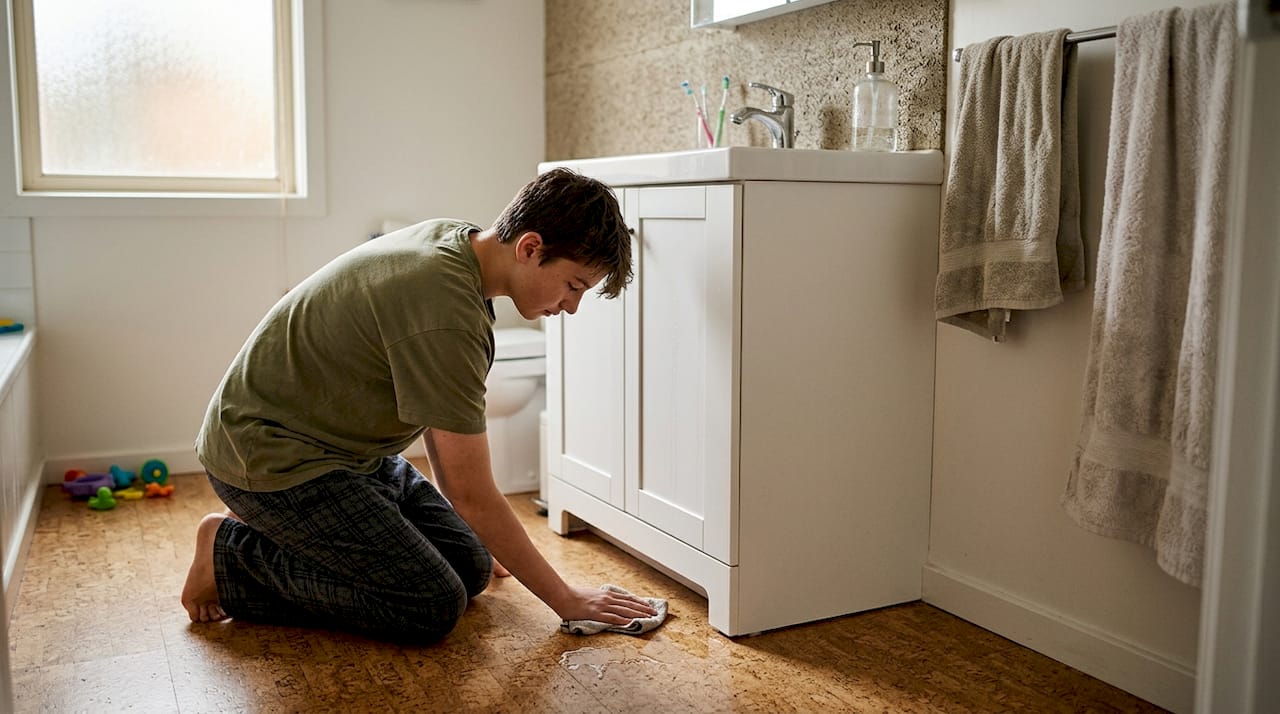
Cork works especially well in bathrooms where you want warmth and quiet. Seal it properly to protect against water damage, and you’ll enjoy decades of comfortable, sustainable performance.
For those wanting innovation and the lowest possible carbon footprint, consider these new-generation materials. Hempcrete is carbon-negative and breathable, made from hemp hurds mixed with a lime binder, and it actually sequesters approximately 249 kg of CO2 per tonne during production.
What makes hempcrete revolutionary:
Empirically, hemp and other plant-based insulation materials outperform many traditional options across life cycle impact categories. Your renovation can actually improve the planet’s carbon balance rather than adding to the problem.
Blending old-school materials with innovation, these fiber composites offer a practical blend of sustainability and style. Paper composite countertops contain 50/50 recycled paper and bamboo fiber, typically achieving 80-100% recycled content overall.
Why paper composite deserves consideration:
Pro Tip: Use paper composite as a waterfall island feature or bathroom vanity top to showcase its unique texture and eco-story without covering every surface. This approach balances sustainability with visual interest.
With examples covered in detail, compare these materials in one place to match your needs and preferences.
| Material | Best Applications | Sustainability Rating | Cost Range | Unique Strengths |
|---|---|---|---|---|
| Bamboo | Flooring, countertops, cabinetry | High (renewable in 3-5 years) | $$ | Strength, moisture resistance, modern style |
| Recycled Glass | Countertops, backsplashes | Very High (75-100% recycled) | $$$ | Waste diversion, durability, visual impact |
| Cork | Flooring, walls, insulation | Very High (renewable harvest) | $ | Antimicrobial, comfort, thermal performance |
| Hempcrete | Walls, insulation | Exceptional (carbon-negative) | $$ | Carbon capture, breathability, fire resistance |
| Paper Composite | Countertops, accents | High (80-100% recycled) | $$ | Low-VOC, design flexibility, recycled content |
With all these options compared, smart selection comes down to balancing function, style, and environmental goals. Here’s how to match materials to your specific situation:
For high-traffic kitchens needing durability and designer looks: Prioritize bamboo flooring with recycled glass countertops. This combination handles daily wear while making a visual statement.
For warm, healthy spaces on a moderate budget: Pick cork flooring with paper composite counters. Both materials improve indoor air quality and create inviting, comfortable environments.
For maximum energy savings and carbon reduction in full renovations: Opt for hempcrete walls with cork insulation. This pairing delivers exceptional thermal performance while actually removing carbon from the atmosphere.
For wet areas like bathrooms: Combine sealed cork flooring with recycled glass vanity tops. Both resist moisture naturally when properly finished.
Remember that initial costs may run higher for some recycled materials, but lifecycle savings from durability and energy efficiency offset the investment over time.
Pro Tip: Mix materials creatively to play up each one’s best features. Use bamboo for cabinetry, recycled glass for the island, and cork for flooring to create visual interest while maximizing sustainability across your space.
Once you’ve finalized your vision, it’s time to find the right materials and trusted resources. Cozee Bay offers a carefully curated selection of eco-friendly bamboo products and inspiration for every design vision, from residential kitchens to commercial spaces.

Whether you’re renovating a single bathroom or outfitting an entire restaurant kitchen, you’ll find everything you need to take the next steps in your journey toward healthier, more sustainable spaces. Explore our collection of handcrafted bamboo organizers, dispensers, and accessories designed to bring both function and eco-conscious style to your project. Shop sustainable materials or learn more about eco materials to discover how small choices create lasting environmental impact.
Bamboo and recycled glass are top choices for kitchen countertops due to their durability, moisture resistance, and stylish appearance. Both handle daily cooking activities while offering genuine environmental benefits.
Some eco-friendly materials have higher initial costs, but their durability and energy-saving benefits lower expenses over time. Factor in lifecycle value rather than just purchase price.
Yes, cork is naturally moisture-resistant and hempcrete is breathable, but both require proper sealing to prevent water damage. Work with experienced installers for best results.
Yes, low-VOC materials like cork and hemp help lower indoor air pollution and support healthier spaces. This matters especially in enclosed kitchens and bathrooms where ventilation can be limited.
Most sustainable materials match or exceed conventional options. Recycled glass lasts 20+ years, bamboo flooring 25+ years with proper care, and cork 40+ years. Quality installation and maintenance maximize longevity.
Comments will be approved before showing up.