Your Cart is Empty


TL;DR:
- Bamboo is a highly renewable material that sequesters significant CO2 and offers sustainable decor options.
- Choosing responsibly sourced, naturally finished, and well-crafted bamboo items extends their lifespan.
- Proper maintenance and placement are essential for ensuring the durability and aesthetic appeal of bamboo decor.
You want your home or commercial space to feel polished, calm, and genuinely kind to the planet, but finding decor that delivers on all three can feel like chasing a moving target. Walk into any home goods store and you’ll find items labeled “natural” or “eco-friendly” that are anything but. Bamboo, however, earns its reputation. It grows to maturity in 3 to 5 years and sequesters up to 12 tons of CO2 per hectare each year, making it one of the most renewable raw materials available for interior design. This guide walks you through how to evaluate, select, and compare the best bamboo decoration items so you can make choices that are both beautiful and genuinely sustainable.
| Point | Details |
|---|---|
| Sustainable style | Bamboo decor offers an eco-friendly, renewable way to update interiors without sacrificing elegance. |
| Durability matters | High-quality bamboo items can outlast many woods if cared for but avoid them in high-humidity areas unless sealed. |
| Smart selection tips | Check sources, look for minimal processing, and choose certified bamboo for maximum eco-impact. |
| Balanced choices | Bamboo isn’t always best—compare it to other sustainable materials for your specific space and needs. |
With the need for authentic sustainable choices in mind, let’s lay out what to look for when shopping bamboo decor. Not all bamboo products are created equal, and knowing what separates a truly responsible purchase from a greenwashed one will save you money and frustration down the road.
Bamboo’s core appeal comes from its fast growth and carbon capture, but the story doesn’t end at the farm. Processing and transportation can significantly offset those environmental gains, which is why a lifecycle perspective matters when you’re shopping. A bamboo product that traveled across multiple continents and was treated with harsh chemical adhesives may carry a heavier footprint than a locally sourced FSC-certified hardwood alternative, as lifecycle analysis research confirms.
Here’s a practical checklist to run through before you buy any bamboo decor item:
Pro Tip: When shopping for bamboo decor online, type the product name plus “certifications” into the search bar or look for a sustainability FAQ on the brand’s website. A brand that hides this information usually has a reason to do so.
You can also find a wealth of inspiring bamboo decor ideas that prioritize these same principles, giving you visual reference points alongside the technical criteria above.
Now that you know what to look for, here are the most stylish and sustainable bamboo items worth adding to interiors. Whether you’re furnishing a living room, outfitting a restaurant, or refreshing a senior living center’s common areas, these pieces offer genuine impact.
Bamboo wall panels Wall panels are one of the most dramatic ways to bring natural texture into a space without heavy construction. They work beautifully in entryways, behind reception desks, or as a feature wall in dining rooms. They add warmth without painting, and you can swap or rearrange modular panels as your style evolves.
Bamboo organizers and trays Functional decor at its finest. Bamboo drawer organizers, desk trays, food bag holders, and wrap and foil dispensers bring order to kitchens, offices, and common areas without resorting to plastic. You can browse a range of bamboo product examples to get a sense of just how versatile this category is.
Bamboo planters and plant stands These bring biophilic design (the practice of connecting interiors to nature) to life in a layered way. A bamboo planter paired with a trailing pothos or a sculptural snake plant gives any corner immediate personality. They work as well in a corporate lobby as in a cozy apartment bedroom.
Bamboo lighting fixtures Pendant lamps and floor lamps woven or framed in bamboo cast a warm, diffused glow that no synthetic shade can replicate. Restaurants and coffee shops use them especially well because they set a relaxed, inviting mood at low cost. Check out these smart bamboo decorating ideas for room-by-room guidance on placing lighting for maximum effect.
Bamboo flooring and rugs For high-traffic areas in commercial environments, strand-woven bamboo flooring is a revelation. It registers a Janka hardness of 3,000+ lbf, which means it outperforms red oak at 1,360 lbf and hard maple at 1,450 lbf. That kind of durability makes it a serious option for schools, cafes, and retail floors.
“Strand-woven bamboo is not a soft, fragile material. It is genuinely harder than most domestic hardwoods, which changes the conversation about where it can and cannot be used.” This distinction matters when you’re specifying materials for a high-traffic commercial project.
Pro Tip: Combine bamboo textures deliberately. Pair a smooth, lacquered bamboo tray with a more rustic woven bamboo lamp shade to create depth. Using only one texture makes a space feel flat. Mixing it with metals or linen textiles gives the bamboo room to breathe visually. For further plant-inspired bamboo decor approaches, layering greenery alongside bamboo pieces ties the whole look together beautifully.
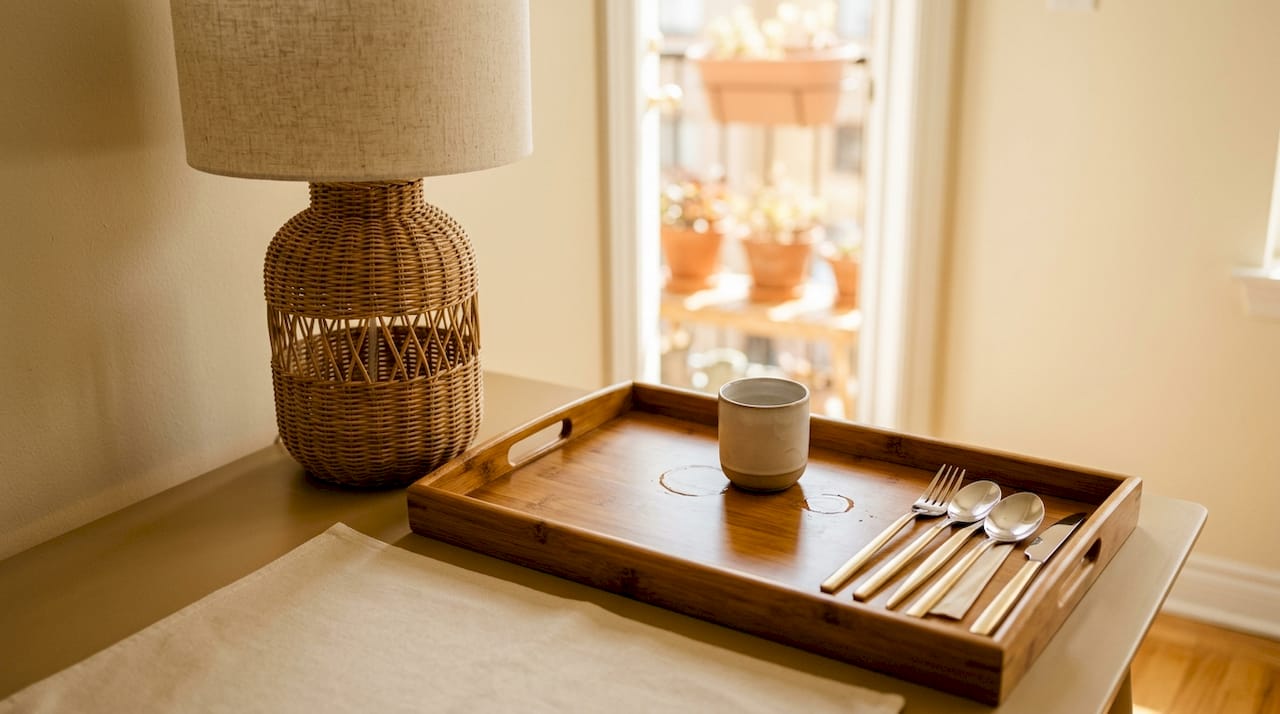
With so many options, let’s get practical about performance and what to expect from different bamboo decor items day-to-day. Knowing the maintenance reality upfront helps you avoid disappointment and keeps your investment looking great for years.
Proper care is the single biggest factor in bamboo longevity. According to detailed care guidelines for bamboo, hand washing, immediate drying, and monthly oiling with food-grade mineral oil or beeswax can push bamboo items to a lifespan of 10 to 20 years or more. The dishwasher and direct sunlight are the two fastest ways to destroy a bamboo piece, so avoid both without exception.
| Decor item | Expected lifespan | Care required | Key vulnerability | Commercial suitability |
|---|---|---|---|---|
| Bamboo flooring (strand-woven) | 20 to 30 years | Sweep daily, damp mop monthly, reseal every 3 to 5 years | Excess moisture, standing water | Excellent |
| Bamboo wall panels | 15 to 25 years | Wipe dry; avoid steam | High humidity without sealing | Very good |
| Bamboo organizers/trays | 10 to 20 years | Hand wash, dry immediately, oil monthly | Dishwasher, soaking | Good |
| Bamboo lighting fixtures | 10 to 15 years | Dust regularly | Moisture, direct sun | Good |
| Bamboo planters | 5 to 15 years | Seal interior; wipe exterior | Continuous moisture contact | Moderate |
It’s also worth knowing the edge cases. Bamboo can expand 0.8 to 1.2 percent with humidity swings, which matters in bathrooms, laundry rooms, or unconditioned spaces. In homes with pets or young children, expect more surface scratching than you’d see in a calm office environment. And unlike hardwood, bamboo has limited refinishing potential because the surface layer is thinner.
A few key watchouts to keep in mind:
For actionable guidance on extending the life of your pieces, the bamboo care guide and tips on maintaining bamboo’s beauty are worth bookmarking. And if you prefer a fully natural approach without commercial products, this guide on natural bamboo maintenance covers the basics clearly.
Even the best materials have trade-offs, so let’s consider where bamboo truly excels and situations where you might want to pause before you purchase. Making a nuanced choice is what real eco-consciousness looks like.
Bamboo is an outstanding choice for solid structural pieces like flooring, organizers, furniture frames, and wall panels where processing is minimal. The carbon sequestration benefits are real and significant. But not every product labeled bamboo delivers those benefits equally. Bamboo viscose, for instance, undergoes chemical processing nearly identical to rayon production, which substantially negates the eco-gains you’d expect from the raw plant. This matters most when you’re considering bamboo textiles for curtains, upholstery, or bedding rather than hard goods.
| Material | Renewability | Lifecycle emissions | Typical lifespan | Best use case |
|---|---|---|---|---|
| Bamboo (solid/strand-woven) | Very high (3 to 5 year harvest) | Low to moderate | 10 to 30 years | Flooring, organizers, furniture |
| Bamboo viscose/textile | High (raw material) | High (processing) | 5 to 10 years | Limited eco benefit |
| FSC hardwood | Moderate (decades) | Low with certification | 25 to 100 years | Long-term heirloom furniture |
| Recycled metal | High (recycled input) | Low | 30 to 50+ years | Structural, outdoor frames |
| Virgin plastic | Very low | Very high | Indefinite | Avoid for eco interiors |
When to choose bamboo: You’re furnishing a kitchen, office, restaurant, or school. You want functional pieces like trays, organizers, dispensers, or panels. You’re prioritizing renewable material with low processing.
When to consider alternatives: You need true heirloom furniture with multi-generational lifespan. You want textiles that will genuinely offset carbon rather than add to it. You’re working in a very high-humidity space without sealing options. In those cases, FSC-certified hardwood, recycled glass, or powder-coated recycled steel may serve you better. Thoughtful eco-smart decorating ideas often combine bamboo with these complementary materials for a balanced result.
With the main categories covered, let’s cut through the usual advice and dig into what really works and where shoppers often go wrong.
Most bamboo buying guides focus exclusively on the material itself: how fast it grows, how hard it is, how much carbon it absorbs. That information is useful, but it misses something important. The craftsmanship and finishing of a bamboo piece often matters more to both its longevity and its visual impact than the raw material alone. We’ve seen beautifully sourced bamboo ruined by a thick, plastic-like lacquer that yellows within two years. We’ve also seen modestly priced bamboo organizers hold up for over a decade because they were finished simply with a thin oil coat and assembled with care.
The contrarian insight here: stop buying bamboo based on the bamboo and start buying it based on the joinery, the finish, and the modularity of the piece. A well-made bamboo tray with mortise-and-tenon corners will outlast a poorly glued panel three times over, regardless of which one markets itself more aggressively as “eco-friendly.”
Our editorial advice is to invest in pieces with natural oil or beeswax finishes, because they are easier to refresh at home without stripping or sanding. Modular bamboo pieces, such as stackable organizers or wall panels that can be reconfigured, also give you far more value over time than fixed, decorative-only items.
Pro Tip: Don’t make bamboo the only material in your space. When bamboo sits next to matte black metal, aged brass fixtures, or chunky linen textiles, it looks intentional and modern. On its own, an all-bamboo room can feel one-dimensional. Treat it as the anchor, and let other materials provide contrast. If you want to get creative with your own arrangements, this DIY bamboo decorating guide is a great place to start experimenting.
The other thing most guides skip entirely: where you place bamboo in a space affects how long it lasts. Keeping bamboo decor away from heating vents, humidifiers, and exterior-facing windows with condensation issues will dramatically extend its life with zero extra maintenance effort.
Ready to turn insight into action? Choosing bamboo decor doesn’t have to mean hours of research or settling for dull, utilitarian pieces. You deserve items that are genuinely sustainable and genuinely beautiful.
At Cozee Bay, we’ve built our entire catalog around that exact balance. Every bamboo piece we carry is selected for responsible sourcing, quality craftsmanship, and the kind of natural finish that ages gracefully rather than chipping or yellowing. From paper towel dispensers and drawer organizers to food bag holders and wrap and foil dispensers, our products bring warmth and function to kitchens, offices, schools, coffee shops, and senior living spaces across the country. If you’re looking for a starting point, our creative bamboo decor inspiration blog will give you room-by-room ideas you can act on today. Free shipping within the contiguous U.S. and a money-back guarantee mean there’s very little standing between you and a more beautiful, more sustainable space.
Bamboo absorbs up to 12 tons of CO2 per hectare per year while growing, and solid bamboo products generally carry lower lifecycle emissions than comparable hardwood or synthetic decor.
No. Solid and strand-woven bamboo with natural finishes are far more sustainable than bamboo viscose textiles, which undergo chemical processing that negates most of the plant’s inherent eco-benefits.
With proper care, most solid bamboo decor will last 10 to 20 years or more, though items exposed to excess moisture or heavy scratching without sealing will fall short of that range.
Hand wash only, dry immediately, and apply food-grade mineral oil or beeswax monthly; never use the dishwasher or leave bamboo pieces in direct sun.
Comments will be approved before showing up.