Your Cart is Empty


TL;DR:
- Eco-friendly toilet paper holders made from bamboo, oak, and stainless steel combine durability, aesthetics, and sustainability. Modern designs incorporate integrated shelves, sculptural forms, and versatile finishes to enhance bathroom decor and functionality. Proper installation with quality hardware and maintenance ensures these holders last while contributing to eco-conscious living.
You might assume that choosing an eco-friendly toilet paper holder means settling for something that looks like it belongs in a composting facility rather than a well-designed bathroom. That assumption is wrong, and it’s worth ditching it fast. The demand for sustainable bathroom hardware has grown steadily, and the options available today cover everything from sleek bamboo wall mounts to sculptural freestanding toilet paper stands in brushed finishes. This guide walks you through the best materials, design trends, installation techniques, and maintenance tips to help you find a holder that looks great, performs reliably, and aligns with your values.
| Point | Details |
|---|---|
| Eco materials perform well | Bamboo, oak, and SUS304 stainless steel hold up in humid bathrooms while staying sustainable. |
| Design has improved dramatically | Modern toilet paper holder ideas include shelves, sculptural forms, and premium finishes that work as decor. |
| Placement measurements matter | Mount your holder 26 inches from the floor and 8 to 12 inches in front of the toilet bowl for best ergonomics. |
| Hardware quality determines longevity | Skip the plastic anchors in the box. Self-drilling threaded anchors and toggle bolts are the real solution. |
| Freestanding stands offer flexibility | A freestanding toilet paper stand works well for renters or anyone who wants to avoid drilling altogether. |
The material you choose for a toilet paper holder is not just an aesthetic decision. It directly affects how long the product lasts, how it performs in a humid bathroom, and what happens to it when it eventually needs replacing.
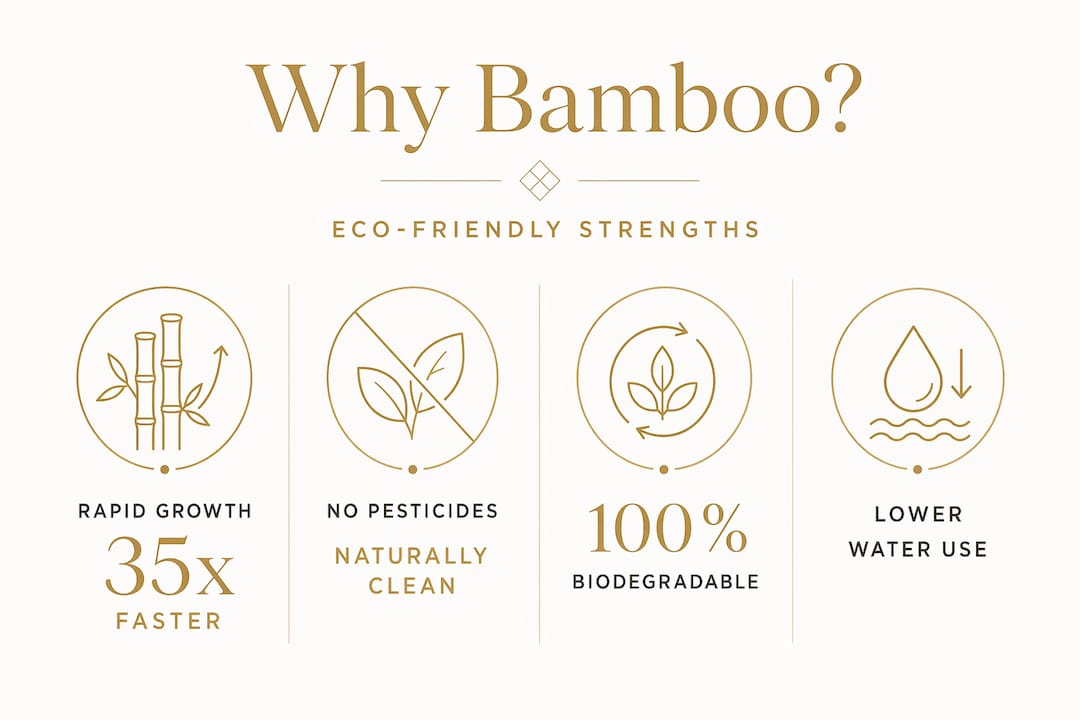
Bamboo is the standout choice for eco-conscious homeowners. It grows rapidly without replanting, requires no pesticides, and reaches harvesting maturity in three to five years compared to decades for hardwood trees. In bathroom settings, bamboo handles moisture reasonably well as long as it receives a protective sealant finish. Without that coating, prolonged steam exposure can cause warping or discoloration over time.
Oak wood brings a warmer, more traditional look to the bathroom. It is naturally dense and resistant to wear, which means a quality oak holder can last a decade or more with minimal care. Like bamboo, oak benefits from a water-resistant finish in bathroom environments. Eco-conscious homeowners increasingly prefer bamboo, oak, and SUS304 stainless steel for their combination of sustainability and durability.
SUS304 stainless steel is fully recyclable at the end of its life and does not corrode, rust, or degrade in wet conditions. It suits modern bathroom tissue dispenser designs and pairs well with matte black or brushed gold finishes. It is the most low-maintenance option of the three.
| Material | Durability | Moisture Resistance | Sustainability | Maintenance |
|---|---|---|---|---|
| Bamboo | High | Moderate (needs sealant) | Excellent | Low to moderate |
| Oak wood | Very high | Moderate (needs sealant) | Good | Moderate |
| SUS304 stainless steel | Excellent | Excellent | Good (fully recyclable) | Very low |
Pro Tip: If you go with bamboo or oak, apply a thin coat of food-grade mineral oil or a clear water-resistant sealant once a year. It takes five minutes and can add years to the life of the holder.
The best toilet paper holders today do far more than grip a roll. Toilet paper holders now serve dual roles, enhancing both bathroom storage and decor through thoughtful design features like integrated shelves and artistic wall mounts.
What does that actually look like in practice? A holder with a small wooden ledge above the roll gives you a spot for your phone, a candle, or a small plant. A sculptural freestanding stand in matte black adds contrast against white tile without requiring any drilling. A brushed gold wall mount coordinates with other fixtures and turns a previously ignored corner into a cohesive design detail.
Here are the features that stand out in modern toilet paper holder ideas right now:
The shift toward modern toilet paper storage reflects a broader trend in bathroom design. Homeowners are treating every square inch of the bathroom as intentional space rather than purely functional territory. Choosing a holder that looks considered is just as important as choosing one that works well. You can explore more on this approach through sustainable bathroom hardware that blends both goals.
Poor installation is the number one reason toilet paper holders feel wobbly, pull out of walls, or require repeated fixing. Getting it right the first time takes about 30 minutes and the correct hardware.
Optimal holder placement is 8 to 12 inches in front of the toilet bowl and approximately 26 inches from the floor. That height works for most adults seated and makes the roll easy to reach without twisting uncomfortably. Mark your spot with a pencil before you do anything else.
Pro Tip: When mounting on wooden cabinets or vanities, avoid screws that are too long. Drill pilot holes to prevent the wood from splitting, and choose screws just long enough to grip firmly without punching through the other side.
A lesser-known trick: applying a small dab of clear silicone inside drywall anchor holes before inserting the anchor improves grip and seals against moisture. In a bathroom where humidity fluctuates daily, that small step helps anchors stay tight over time.
Not everyone wants to drill, and that is completely valid. Renters, frequent redecorators, and anyone working with a tiled wall that feels too risky to touch all have good reasons to consider alternatives.
Suction cup holders are appealing but often frustrating. Most failures come down to surface conditions rather than product quality. Suction cups require smooth, non-porous surfaces like glass or glazed tile. Textured tile, painted drywall, or any surface with grout lines will not hold a suction cup reliably.
If you do want to use a suction cup bathroom tissue dispenser, these tips make a real difference:
Freestanding toilet paper stands sidestep all of these concerns. A good freestanding stand sits on the floor beside the toilet, holds one or several rolls, and requires no mounting hardware at all. Many of the best options come in bamboo or powder-coated steel, making them genuinely eco-friendly alternatives. They are easy to move for cleaning and work in any bathroom layout.
Pro Tip: A weighted base freestanding toilet paper stand is worth the slightly higher price. Lightweight bases tip over easily when someone pulls the roll in a hurry. Look for a base weight of at least one pound.
A quality eco-friendly holder lasts for years with very little effort. The main thing that cuts holder life short is neglect: moisture buildup, harsh cleaners, and loose screws that never get tightened.
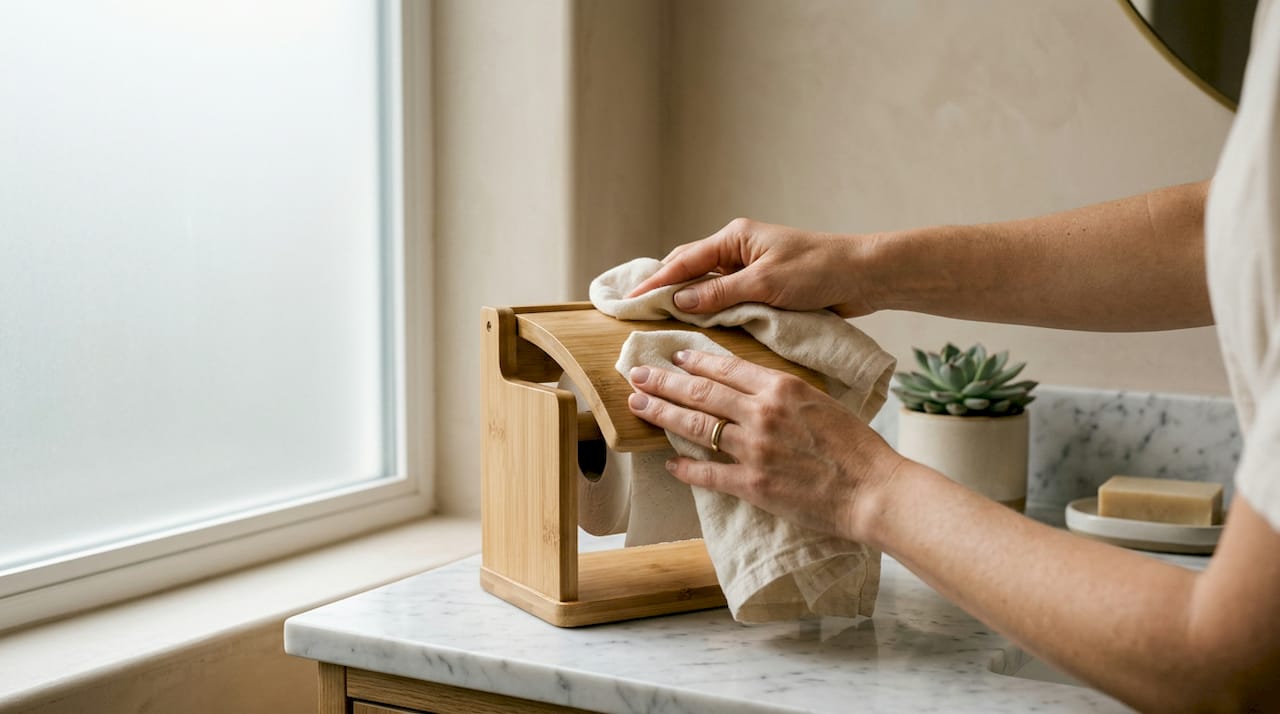
For bamboo and oak holders, avoid spray cleaners that contain bleach, ammonia, or heavy-duty degreasers. These strip natural finishes and cause surface cracking over time. A damp microfiber cloth with mild soap is all you need for regular cleaning. Dry the surface immediately after wiping rather than leaving moisture to sit.
Stainless steel holders are more forgiving, but even they benefit from a gentle wipe-down rather than abrasive scrubbers that can dull the finish. Check all screws and mounting hardware every six months. Bathroom humidity causes materials to expand and contract slightly, which can loosen fittings gradually.
When a holder genuinely reaches the end of its life, dispose of it thoughtfully. Bamboo and wood can go to composting or green waste. Stainless steel is recyclable through metal recycling programs. Choosing eco-friendly options from the start means you can also exit them responsibly.
Pro Tip: For bamboo holders showing early signs of dryness or small surface cracks, a thin application of beeswax polish works better than oil in high-humidity spaces. It seals the surface without leaving a wet feel.
I have worked with enough bathroom hardware to say this plainly: most homeowners underestimate how much a toilet paper holder actually affects the feel of a bathroom. It is one of the most-touched fixtures in the room, and when it wobbles, looks cheap, or clashes with everything else, you notice it every single day.
What I have found over time is that the biggest mistake people make is not in choosing the wrong material. It is in skipping proper installation hardware. A gorgeous bamboo holder mounted with cheap plastic anchors is going to frustrate you within months. Get the toggle bolts. They cost almost nothing extra and make an enormous difference.
On the material side, I have genuinely come to prefer bamboo for its combination of warmth, sustainability, and visual versatility. Bamboo fits into almost any bathroom style, from modern to farmhouse, without looking forced. You can read more about why bamboo continues to stand out in eco-friendly bathroom choices. The more I learn about stylish bamboo hardware, the more I appreciate how far the category has come from utilitarian brown squares.
The other thing I want to say: do not overlook freestanding stands. They are underrated. A well-designed freestanding toilet paper stand in natural bamboo or matte black steel can actually become a design feature in a small bathroom, not just a functional afterthought.
— Cozee
Ready to replace that outdated, wobbly bathroom tissue dispenser with something that actually earns its place in your bathroom? Cozee-bay brings together handcrafted bamboo and sustainably sourced materials in holders designed to look as good as they perform.

Whether you are after a sleek wall-mount with integrated storage or a stylish freestanding bamboo holder that requires zero installation, the Cozee-bay collection covers the full range of modern toilet paper storage needs. Every product ships free within the contiguous U.S. and comes backed by a money-back guarantee. You have nothing to lose and a much better bathroom to gain.
Mount your toilet paper holder 26 inches from the floor and 8 to 12 inches in front of the toilet bowl. This placement gives comfortable reach for most adults.
Yes, with proper care. Apply a water-resistant sealant or mineral oil annually to protect the surface. Without a protective finish, extended moisture exposure can cause warping over time.
Skip the plastic anchors that come in the box. Self-drilling threaded anchors or toggle bolts provide a much stronger hold in drywall and are worth the small upgrade cost.
A freestanding toilet paper stand works well for renters, anyone hesitant to drill into tile, or homeowners who want flexibility to rearrange their bathroom layout. Many eco-friendly versions in bamboo or powder-coated steel also function as decor.
They can, but only on smooth, non-porous surfaces like glazed tile or glass. Clean the surface thoroughly, warm the cup before applying, and check adhesion regularly since bathroom humidity weakens suction over time.
Comments will be approved before showing up.