Your Cart is Empty


Many American homeowners and designers are discovering the surprising power of bamboo accents to change the look and feel of any room. With more than 60 percent of interior design professionals now exploring bamboo for its eco-friendly qualities, the material is breaking old stereotypes. This guide reveals how bamboo’s strength, beauty, and sustainability are reshaping American homes, clearing up common misconceptions, and inspiring fresh creativity in modern spaces.
| Point | Details |
|---|---|
| Bamboo’s Unique Properties | Bamboo combines exceptional strength, aesthetic versatility, and sustainability, making it a favorable choice for modern interior design. |
| Misconceptions Addressed | Contrary to common beliefs, bamboo is durable and versatile, suitable for various design applications. |
| Sustainability Advantages | Bamboo is a rapidly renewable resource that requires minimal water and no pesticides, significantly reducing its environmental impact. |
| Diverse Applications | Bamboo can be utilized in both commercial and residential settings, offering stylish and functional solutions for a range of designs. |
Bamboo has emerged as a transformative material in modern interior design, offering designers an exceptional blend of sustainability and aesthetic versatility. Advances in bamboo processing technology have dramatically expanded its potential for wall and floor decoration, challenging traditional perceptions of wood-based materials. Unlike conventional materials, bamboo presents a unique combination of strength, visual appeal, and environmental consciousness that makes it increasingly attractive to design professionals.
Modern designers appreciate bamboo for its remarkable characteristics. The material offers extraordinary flexibility in creating diverse design aesthetics, from minimalist contemporary spaces to warm, organic environments. Bamboo’s natural grain patterns and subtle color variations allow for nuanced decorative approaches, enabling professionals to craft spaces that feel both sophisticated and organically connected. Designers can integrate bamboo through various accent elements like wall panels, furniture pieces, lighting fixtures, and decorative objects, each application highlighting the material’s inherent beauty and structural integrity.
Despite its growing popularity, several misconceptions persist about bamboo. Many people incorrectly assume bamboo is fragile or limited in design potential, when in reality, modern interior design demonstrates its remarkable versatility. Advanced treatment processes have made bamboo incredibly durable, resistant to moisture, and capable of withstanding significant environmental variations. Its rapid growth cycle and sustainable harvesting methods further distinguish bamboo from traditional hardwoods, making it an environmentally responsible choice for conscious designers and homeowners.
Key advantages of bamboo accents include:
By understanding bamboo’s true potential, designers can unlock a world of creative possibilities that marry aesthetic elegance with environmental responsibility, transforming spaces into living expressions of sustainable design.
Interior designers have discovered remarkable versatility in bamboo as a design material, exploring four distinct forms of application that transform spaces with sustainable elegance. These bamboo accent types range from structural elements to decorative pieces, each offering unique aesthetic and functional characteristics that appeal to modern design sensibilities. The primary bamboo accent categories include whole or halved bamboo culms, bamboo slices, bamboo strips, and ply bamboo, each providing designers with innovative ways to incorporate this eco-friendly material.
Decorative bamboo accents have become particularly popular in contemporary interior design. Designers creatively integrate bamboo through lamps, vases, and accessories that introduce organic textures and natural color palettes. Bamboo lighting fixtures, for instance, can create warm, diffused illumination that transforms a room’s ambiance. Vases and decorative objects crafted from bamboo bring earthy tones and sophisticated visual interest, often complemented by dried flower arrangements in rich colors like orange and lilac.
Structural bamboo accents offer even more design potential. Whole or halved bamboo culms can serve as architectural elements, room dividers, or statement wall features. Bamboo strips can be woven or layered to create textured wall coverings, while ply bamboo provides a smooth, refined surface perfect for furniture, flooring, and decorative panels. These versatile applications allow designers to integrate bamboo seamlessly across different design styles, from minimalist modern to rustic organic environments.
Key bamboo accent types include:
By understanding these diverse bamboo accent options, designers can create spaces that are not just visually stunning but also environmentally responsible, transforming interiors into sophisticated expressions of sustainable design.
Bamboo has emerged as a revolutionary material in sustainable design, offering an environmentally conscious alternative to traditional building and decorative materials. Advances in bamboo processing technology have significantly expanded its potential for interior applications, addressing growing concerns about environmental sustainability and resource conservation. Unlike slow-growing hardwoods, bamboo represents a rapidly renewable resource that can be harvested without causing long-term ecological damage, making it an ideal choice for eco-minded designers and homeowners.
The ecological advantages of bamboo extend far beyond its rapid growth cycle. This remarkable plant requires minimal water, grows without pesticides, and can be harvested multiple times without replanting, creating a dramatically lower environmental footprint compared to traditional wood sources. Additionally, bamboo plays a crucial role in carbon sequestration, absorbing significantly more carbon dioxide and producing more oxygen than equivalent stands of trees. These environmental benefits make bamboo an exceptional material for designers seeking to create spaces that are both aesthetically pleasing and environmentally responsible.
Designers are increasingly recognizing bamboo’s unique potential to transform interior spaces while maintaining ecological integrity. Innovative applications range from sophisticated lighting fixtures to decorative accessories, demonstrating the material’s remarkable versatility. The natural aesthetic of bamboo allows for seamless integration across various design styles, from minimalist modern to warmly organic environments. Its inherent strength, combined with its sustainable production methods, makes bamboo an intelligent choice for conscious consumers and design professionals committed to reducing environmental impact.
Key sustainable attributes of bamboo include:
By choosing bamboo, designers and homeowners can make a meaningful contribution to sustainable living while creating beautiful, innovative spaces that reflect a commitment to environmental stewardship.
Structural investigations into bamboo’s performance reveal remarkable potential for durability and resilience, challenging traditional perceptions about natural materials. Unlike conventional wood products, bamboo demonstrates exceptional strength-to-weight ratios and inherent resistance to environmental stressors. Its unique cellular structure allows for remarkable flexibility and durability, making it an outstanding choice for interior design applications that demand both aesthetic appeal and long-term performance.
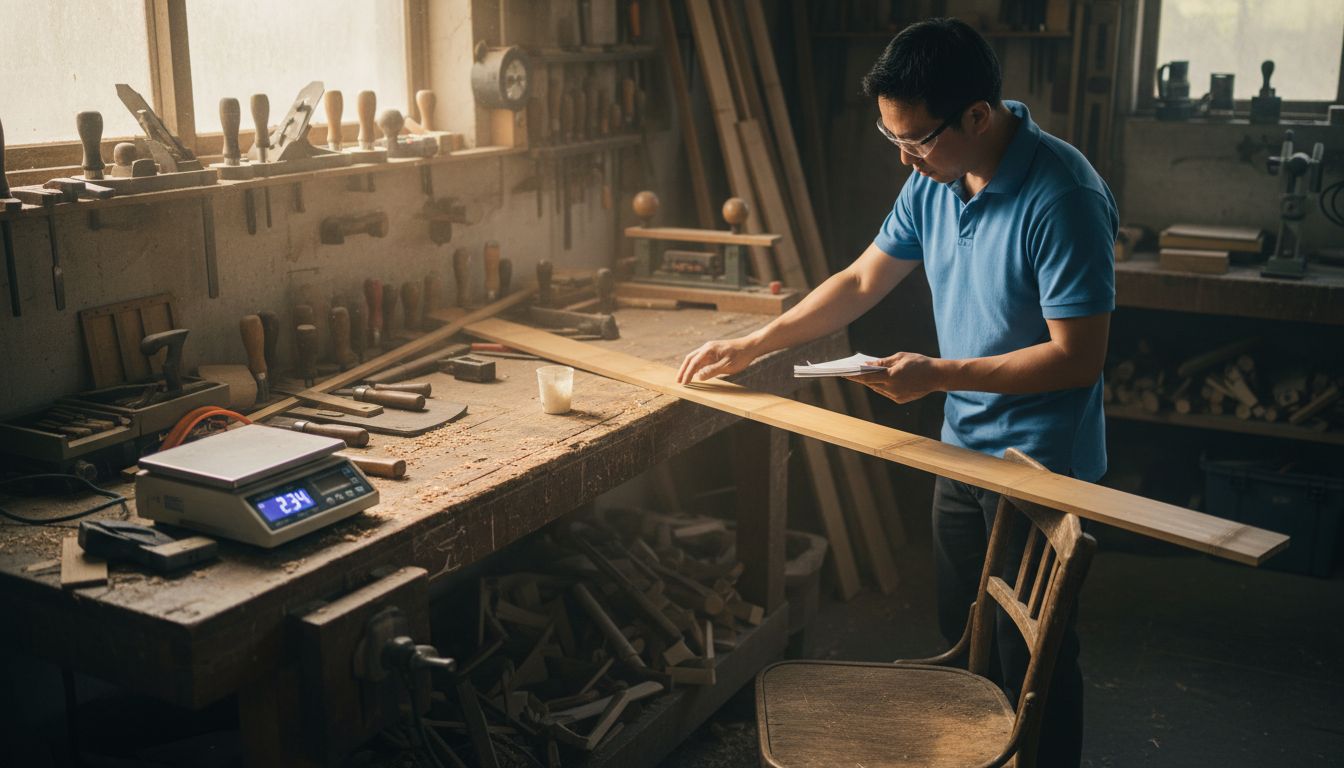
Advanced processing technologies have significantly enhanced bamboo’s performance characteristics. Innovative treatment methods have expanded bamboo’s use in wall and floor decorations, addressing historical limitations in structural integrity and moisture resistance. Modern bamboo products undergo specialized treatments that improve their natural properties, creating materials that can withstand humidity, temperature fluctuations, and everyday wear and tear. These technological improvements have transformed bamboo from a potentially fragile material to a robust design solution capable of meeting rigorous performance standards.
Maintenance for bamboo accents is surprisingly straightforward, requiring minimal effort to preserve their natural beauty and structural integrity. Regular cleaning with a soft, damp cloth and avoiding prolonged exposure to direct sunlight or extreme moisture can help maintain the material’s appearance and longevity. Unlike some natural materials that require extensive specialized care, bamboo offers a practical solution for design-conscious individuals seeking both aesthetics and ease of maintenance.
Key performance and maintenance considerations include:
By understanding bamboo’s advanced performance characteristics, designers and homeowners can confidently integrate this remarkable material into their spaces, knowing it will provide both visual elegance and reliable functionality for years to come.
Design-oriented research demonstrates bamboo’s unique material properties that set it apart from traditional interior design materials. Unlike wood, metal, or synthetic alternatives, bamboo offers an unprecedented combination of structural integrity, aesthetic flexibility, and environmental sustainability. Its natural grain patterns and lightweight composition provide designers with a material that can seamlessly transition between modern minimalist and organic design styles, making it a superior choice for contemporary interior accents.
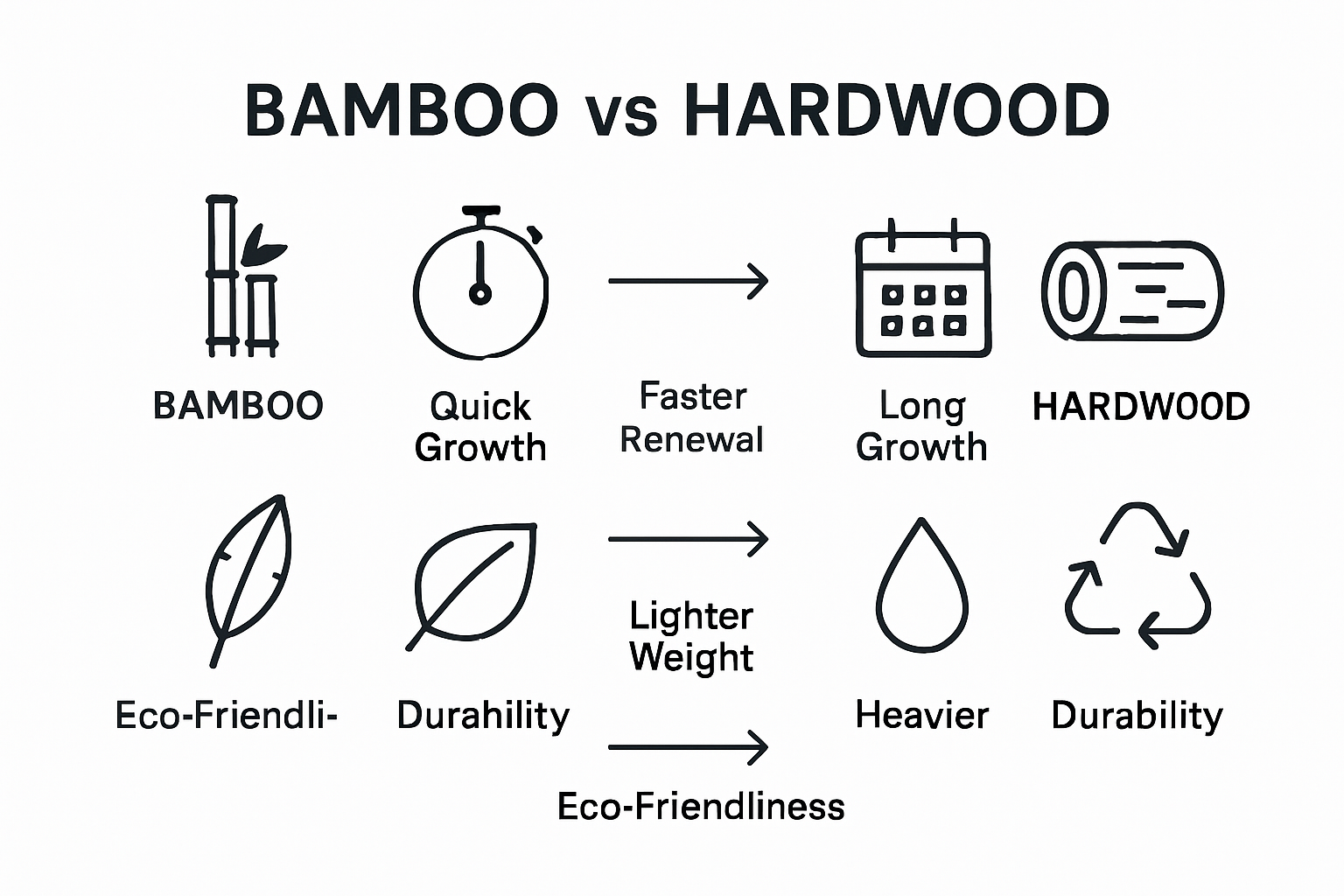
Advances in processing technology have dramatically expanded bamboo’s potential in interior applications, addressing historical limitations that previously restricted its use. Where traditional materials like hardwood or metal might require extensive maintenance or suffer from environmental degradation, bamboo demonstrates remarkable resilience. Its ability to enhance indoor comfort and energy efficiency gives it a significant advantage over conventional materials, making it particularly attractive for environmentally conscious design professionals.
When comparing bamboo to alternative materials, several key distinctions become apparent. Wood often requires extensive treatment and can be prone to warping or insect damage, while metal can feel cold and industrial. Synthetic materials frequently lack the organic warmth and environmental credentials that bamboo naturally provides. Bamboo’s unique cellular structure allows for greater flexibility, strength, and aesthetic versatility, enabling designers to create spaces that feel both contemporary and timeless.
Key comparative advantages of bamboo include:
By understanding these distinctive properties, designers can leverage bamboo as a sophisticated alternative to traditional materials, creating spaces that are both aesthetically compelling and environmentally responsible.
Interior design applications demonstrate bamboo’s exceptional versatility across commercial and residential environments, transforming spaces with its unique aesthetic and functional capabilities. From sophisticated office settings to intimate home environments, bamboo accents offer designers unprecedented flexibility in creating atmosphere and style. Its natural adaptability allows seamless integration into diverse design contexts, ranging from minimalist corporate spaces to warm, organic residential interiors.
Advances in bamboo processing technology have significantly expanded its potential for interior applications, enabling more innovative uses across different environments. In commercial spaces like restaurants, hotels, and corporate offices, bamboo provides elegant solutions for wall paneling, furniture, lighting fixtures, and decorative elements. These applications not only enhance visual appeal but also contribute to improved indoor comfort and energy efficiency, making bamboo an increasingly attractive option for professional design settings.
Residential applications of bamboo are equally compelling, offering homeowners multiple opportunities to incorporate sustainable and aesthetically pleasing materials. Kitchens, bathrooms, living rooms, and bedrooms can all benefit from bamboo accents through furniture, flooring, window treatments, decorative objects, and architectural elements. The material’s natural warmth and versatility allow it to complement various design styles, from contemporary minimalist to rustic and traditional, providing homeowners with remarkable design flexibility.
Key use cases for bamboo include:
By understanding bamboo’s broad applicability, designers and property owners can create spaces that are not only visually striking but also environmentally responsible and functionally sophisticated.
Designers who choose bamboo accents understand the importance of combining sustainability with stunning aesthetics. This article highlights bamboo’s durability, natural resistance, and eco-friendly appeal as key reasons why modern spaces benefit from bamboo’s unique qualities. At Cozee Bay, we take these design principles seriously by offering handcrafted bamboo products that perfectly complement any contemporary home or commercial environment.
Experience the seamless blend of functionality and style with our Bamboo Paper Towel Dispenser- A Sleek Look Home or Office. These dispensers not only add a refined natural texture to your space but also support a sustainable lifestyle.
Discover how you can enhance your interior with bamboo drawer organizers and accessories that echo the article’s emphasis on durability and elegance. Don’t wait to bring the warmth and sophistication of bamboo into your space. Visit Cozee Bay today and select the perfect eco-friendly bamboo products crafted for lasting beauty and performance. Explore our full range including Drawer Organizers | Cozee Bay® and Paper Towel Dispensers - Accessories | Cozee Bay® to complete your modern, sustainable decor.
Bamboo accents provide exceptional durability, sustainability, unique visual textures, and versatility across various design styles. Its natural resistance to moisture and warping makes it a practical choice for diverse applications.
Bamboo offers a superior strength-to-weight ratio and a faster renewable cycle compared to hardwoods. It is more environmentally friendly, requires less maintenance, and provides an organic warmth that synthetic materials often lack.
Key types of bamboo accents include whole bamboo culms for structural elements, bamboo slices for decorative art, bamboo strips for wall coverings, and ply bamboo for smooth surfaces in furniture and flooring.
Bamboo accents require minimal maintenance. Regular cleaning with a soft, damp cloth and avoiding prolonged exposure to direct sunlight or extreme moisture will help maintain their natural beauty and longevity.
Comments will be approved before showing up.