Your Cart is Empty


Most American households produce over four pounds of waste every day, but a surprising percentage comes from packaging that lingers for decades. The growing pressure on communities and businesses to minimize environmental impact has sparked urgent interest in alternatives that break down naturally. Biodegradable packaging offers a smarter, science-backed solution for those aiming to reduce their footprint while still meeting daily needs. Understand how these innovative materials work and discover key principles that set biodegradable options apart from conventional packaging.
| Point | Details |
|---|---|
| Biodegradable Packaging Reduces Waste | This innovative packaging decomposes naturally, significantly lowering long-term waste accumulation compared to traditional plastics. |
| Material Choice is Critical | Selecting the appropriate biodegradable material based on decomposition rate and application ensures optimal performance and environmental benefits. |
| Adoption Boosts Brand Reputation | Businesses can enhance their brand image by adopting biodegradable packaging, appealing to environmentally conscious consumers. |
| Transition Requires Careful Planning | Gradual implementation and understanding of biodegradable materials can help organizations mitigate risks associated with performance and costs. |
Biodegradable packaging represents an innovative approach to sustainable materials management that addresses growing environmental concerns. At its core, this packaging type consists of materials designed to decompose naturally through microbial activity, offering a significant reduction in long term waste accumulation. Biodegradable materials fundamentally transform how we think about product containers and waste management strategies.
The fundamental principles of biodegradable packaging center around three critical dimensions: renewable resource utilization, complete decomposition, and environmental compatibility. These materials are typically sourced from plant based substances like corn starch, sugarcane, bamboo, and other agricultural byproducts that can break down without leaving harmful residues. Unlike traditional plastics that persist in ecosystems for hundreds of years, biodegradable alternatives can decompose within months to a few years, dramatically reducing environmental impact.
Key characteristics of effective biodegradable packaging include minimal carbon footprint, compatibility with existing waste management infrastructures, and the ability to fully integrate back into natural ecological cycles. Microbial decomposition is the primary mechanism, where bacteria and other microorganisms gradually break down packaging materials into water, carbon dioxide, and biomass. This process ensures that packaging does not accumulate as persistent waste and instead becomes part of the natural nutrient recycling system.
Pro Tip: Start Small, Think Big: Begin incorporating biodegradable packaging alternatives in one area of your home or business, such as kitchen or office supplies, to gradually transition toward more sustainable material choices without overwhelming yourself with immediate comprehensive changes.
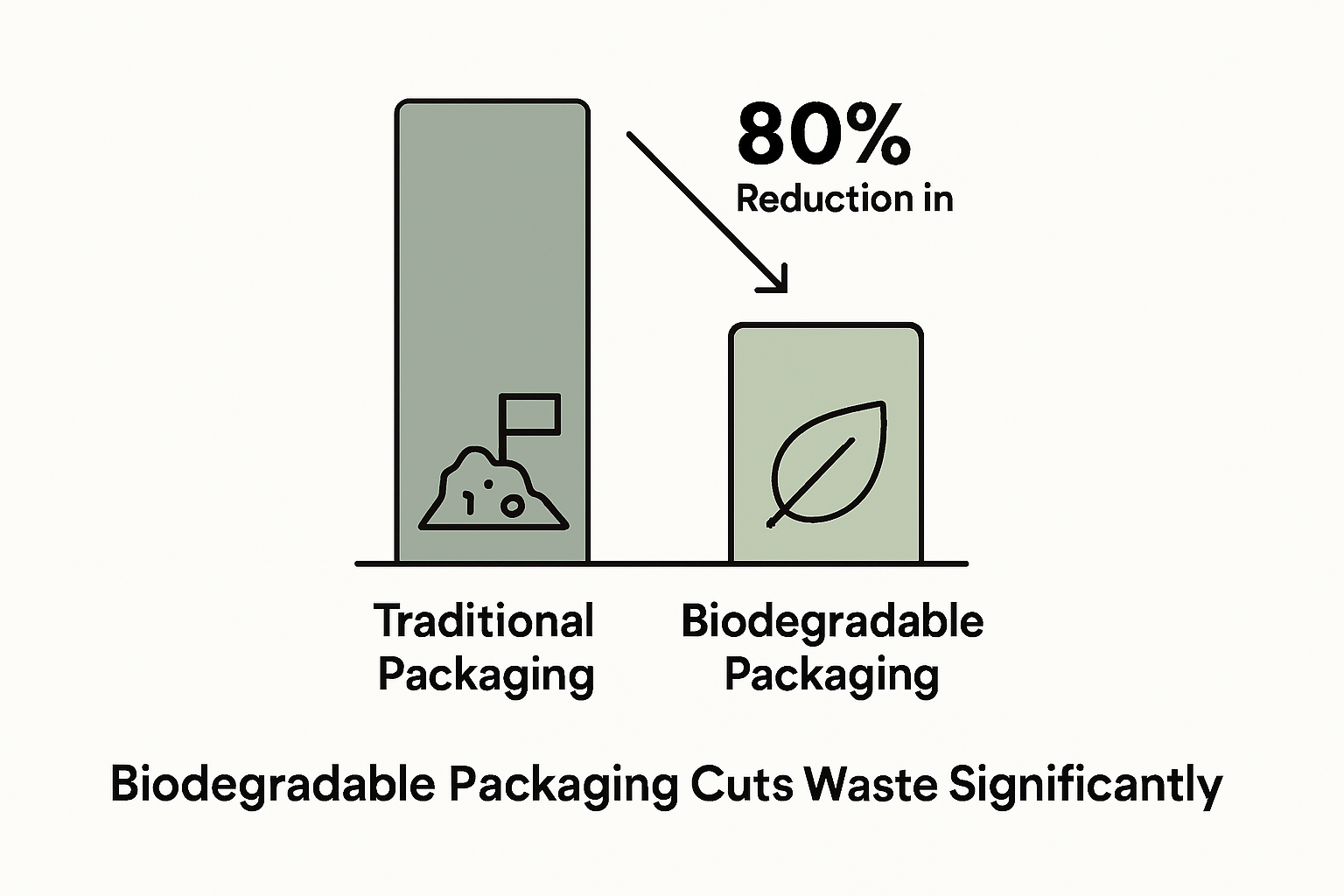
Research indicates that properly designed biodegradable packaging can reduce waste volume by up to 80% compared to traditional petroleum based packaging materials. By understanding these core principles, consumers and businesses can make more informed choices that support environmental sustainability while maintaining product protection and functionality.
Biodegradable packaging materials represent a diverse and innovative range of solutions that address environmental sustainability challenges across multiple industries. Comprehensive packaging research reveals multiple material categories that offer unique properties and environmental benefits. These materials are engineered to break down naturally, providing alternatives to traditional petroleum-based packaging that can persist in ecosystems for centuries.
The primary categories of biodegradable packaging materials include plant-based polymers, agricultural waste derivatives, and regenerative composites. Plant-based polymers like Polylactic Acid (PLA) derived from corn or sugarcane offer exceptional versatility, while materials such as bagasse (sugarcane fiber) and mushroom packaging provide innovative solutions for single-use containers. Cellulose-based films and lignin-rich composites further expand the range of available sustainable packaging options, each with distinct performance characteristics tailored to specific product requirements.
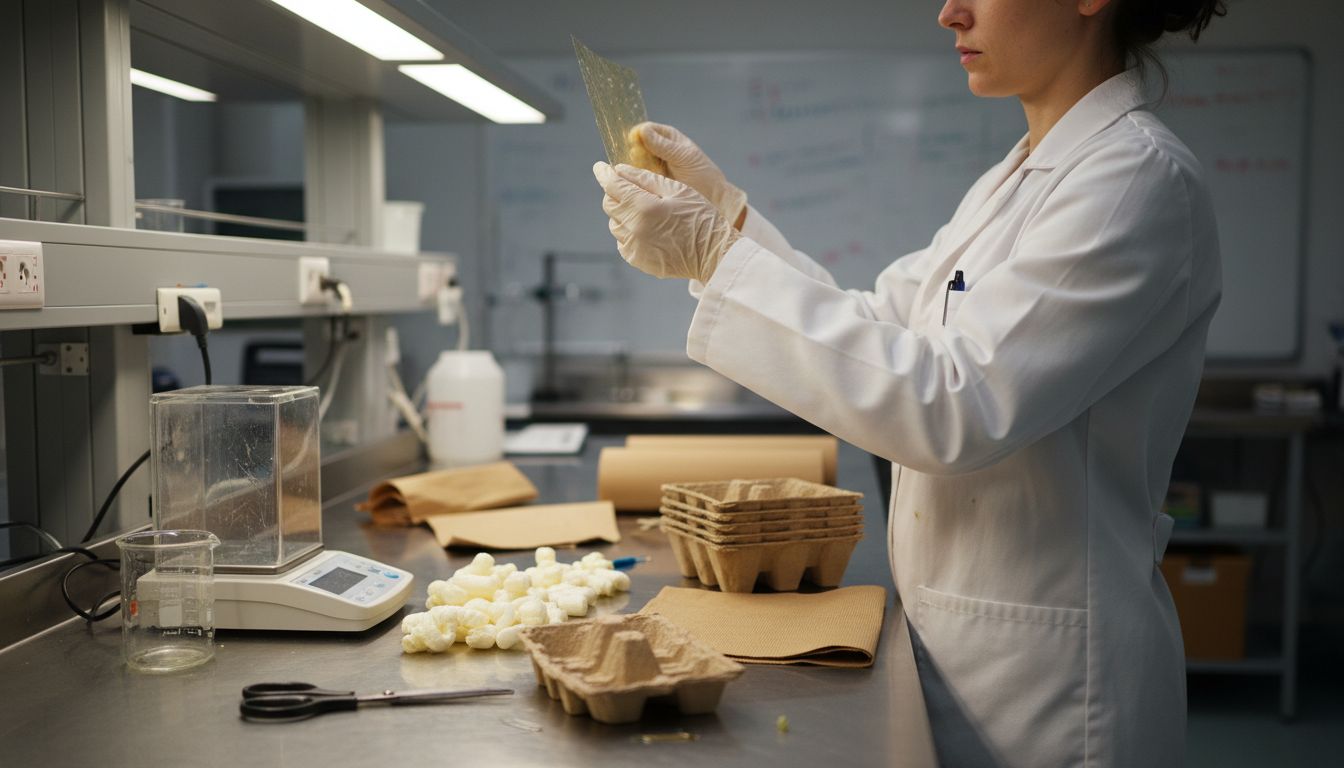
Materials selection depends on critical factors including decomposition rate, barrier properties, mechanical strength, and intended application. Packaging industry analyses indicate that seaweed-based films, paper derivatives, and advanced bio-composites are gaining significant traction across food, pharmaceutical, and consumer goods sectors. These materials not only reduce environmental impact but also provide comparable or superior performance to traditional packaging solutions, challenging long-standing assumptions about sustainable material capabilities.
Pro Tip: Material Matching Strategy: When selecting biodegradable packaging, carefully match the material’s specific properties to your product’s requirements, considering factors like moisture sensitivity, shelf life, and transportation needs to ensure optimal protection and sustainability.
Advanced biodegradable packaging technologies continue to evolve, with researchers developing increasingly sophisticated materials that balance environmental responsibility with functional performance. By understanding the diverse range of available options, businesses and consumers can make informed choices that contribute to reduced waste and more sustainable consumption patterns.
Here’s a summary of major biodegradable packaging material categories and their typical uses:
| Material Type | Typical Applications | Key Strengths |
|---|---|---|
| Plant-Based Polymers | Food wrappers, containers | Compostable, versatile |
| Agricultural Waste | Trays, molded packaging | Renewable source, affordable |
| Cellulose Films | Bags, windowed boxes | Transparent, moisture barrier |
| Regenerative Composites | Shipping protectors, pads | Durable, sustainable fibers |
Biodegradation is a complex natural process where microorganisms systematically break down packaging materials into simpler chemical compounds, transforming waste into environmentally friendly components. Microbial degradation mechanisms reveal an intricate biological process that depends on multiple environmental and material-specific factors. Unlike traditional plastics that persist for centuries, biodegradable packaging materials are designed to integrate seamlessly with natural decomposition cycles.
The biodegradation process involves several critical stages of microbial interaction. Enzymatic breakdown occurs when microorganisms like bacteria and fungi secrete specialized enzymes that attack molecular bonds in packaging materials. These microscopic organisms essentially consume the material, converting complex polymer structures into water, carbon dioxide, and biomass. Polymer degradation research demonstrates that different materials like Polybutylene Adipate Terephthalate (PBAT) have unique chemical structures that influence their breakdown rates and mechanisms.
Environmental conditions play a crucial role in determining biodegradation efficiency. Factors such as temperature, moisture content, oxygen availability, and microbial population density significantly impact how quickly packaging materials decompose. Warm, humid environments with diverse microbial ecosystems accelerate the breakdown process, while cold or sterile conditions can dramatically slow decomposition. Some biodegradable materials require specific industrial composting conditions to break down effectively, highlighting the importance of proper waste management infrastructure.
Pro Tip: Decomposition Detective: Check packaging labels for specific composting requirements and disposal instructions to ensure maximum environmental benefit and proper breakdown of biodegradable materials.
Advanced biodegradation technologies continue to emerge, with researchers developing increasingly sophisticated materials that can break down more efficiently and leave minimal environmental impact. Understanding these intricate biological processes helps consumers and businesses make more informed choices about sustainable packaging solutions that support ecological balance and reduce long-term waste accumulation.
Biodegradable packaging offers transformative advantages for both residential and commercial environments, addressing critical sustainability challenges while providing practical solutions. Packaging industry research reveals multiple benefits that extend far beyond traditional waste management approaches. These innovative materials represent a strategic solution for environmentally conscious consumers and businesses seeking to reduce their ecological footprint.
In residential settings, biodegradable packaging provides homeowners with a powerful tool for waste reduction and environmental stewardship. Families can significantly decrease their household waste volume by choosing packaging materials that naturally decompose, eliminating long-term environmental burden. Commercial spaces like restaurants, offices, and retail environments benefit even more dramatically, with the ability to implement comprehensive waste management strategies that demonstrate corporate social responsibility and environmental leadership.
Brand reputation receives a substantial boost through biodegradable packaging adoption. Consumer trend analysis indicates that environmentally conscious consumers actively prefer businesses that prioritize sustainable practices. This preference translates into tangible economic advantages, as companies can attract eco-minded customers while simultaneously reducing waste management costs and minimizing their carbon footprint. The benefits extend across multiple dimensions: environmental protection, economic efficiency, and positive brand perception.
Pro Tip: Sustainability Starter: Begin transitioning to biodegradable packaging by first identifying single-use items in your home or business that can be easily replaced with eco-friendly alternatives.
The long-term impact of biodegradable packaging extends beyond immediate waste reduction. By supporting innovative materials that naturally integrate with ecological systems, homes and businesses contribute to a broader movement of sustainable consumption, demonstrating that environmental responsibility and practical functionality can coexist seamlessly.
Biodegradable packaging represents a promising solution, but understanding its potential limitations is crucial for making informed environmental choices. Comprehensive packaging research reveals significant challenges that organizations and consumers must carefully consider when adopting these innovative materials. The path to sustainable packaging is not without complex trade-offs that require nuanced evaluation.
Economic considerations present one of the most substantial barriers to widespread biodegradable packaging adoption. Production costs remain significantly higher compared to traditional petroleum-based packaging, potentially limiting accessibility for smaller businesses and budget-conscious consumers. Packaging industry analyses highlight additional infrastructure challenges, including the requirement for specialized industrial composting facilities and potential contamination risks within existing recycling systems. These limitations mean that not all biodegradable materials can be processed through conventional waste management channels.
Performance characteristics also differ markedly between biodegradable and traditional packaging materials. Biodegradable alternatives often exhibit reduced durability, shorter shelf life, and more sensitive environmental requirements for proper decomposition. Traditional plastics continue to offer superior moisture resistance, structural integrity, and long-term preservation capabilities. However, these advantages come at a significant environmental cost, creating a complex decision-making landscape for businesses and consumers seeking sustainable packaging solutions.
Pro Tip: Practical Transition Strategy: Gradually introduce biodegradable packaging in low-risk applications while developing a comprehensive understanding of material-specific performance characteristics and disposal requirements.
Ultimately, the transition to biodegradable packaging represents a balanced approach of weighing environmental benefits against practical limitations. Continued technological innovation promises to address current challenges, making these sustainable alternatives increasingly viable and competitive with traditional packaging materials.
Below is a comparison of biodegradable packaging versus traditional plastic options:
| Criteria | Biodegradable Packaging | Traditional Plastics |
|---|---|---|
| Decomposition Time | Months to a few years | Hundreds of years |
| Production Cost | Generally higher | Often lower |
| Waste Infrastructure | Needs special composting | Compatible with recycling |
| Environmental Residue | Harmless biomass | Microplastics risk |
| Brand Perception | Positive, eco-friendly | Increasingly negative |
| Moisture Resistance | Usually moderate | Often high |
| Shelf Life | Typically shorter | Extended |
The article highlights the challenge of managing waste through effective biodegradable packaging that decomposes naturally and supports environmental stewardship. You want products that minimize long-term waste accumulation without sacrificing quality or style. Key pain points include the need for eco-friendly materials that fit seamlessly into busy homes and commercial spaces like restaurants or schools. Using terms like biodegradable, compostable, and renewable resources shows your desire to embrace packaging and product solutions supporting natural cycles and reducing landfill impact.
Cozee Bay offers a curated range of handcrafted bamboo products that align perfectly with these goals. Our sustainable bamboo paper towel dispensers and organizational tools are made from renewable materials designed to support your waste reduction strategy while adding durability and style to your space. These products help you replace wasteful plastic options with eco-conscious alternatives that enhance both residential and commercial environments.
Explore our collection at Cozee Bay and experience the difference of premium bamboo craftsmanship. Ready to start your transition to greener living with elegant, practical solutions that protect both your space and the planet?

Take the next step now by visiting our site and choosing products that embody sustainability and function. Swap out non-biodegradable materials today and join a growing movement toward smart, responsible consumption. See how easy it is to make a positive impact with eco-friendly bamboo paper towel dispensers and related organizers designed for your home or business.
Biodegradable packaging refers to materials designed to decompose naturally through microbial activity, significantly reducing long-term waste accumulation when compared to traditional plastics.
Biodegradable packaging can reduce waste volume by up to 80% compared to petroleum-based materials. These materials break down within months to a few years, integrating back into natural ecological cycles and minimizing environmental impact.
The primary types include plant-based polymers (like Polylactic Acid), agricultural waste derivatives (such as bagasse), and regenerative composites. Each type has unique properties and applications suited for various product requirements.
The biodegradation process is influenced by environmental conditions such as temperature, moisture content, oxygen availability, and the presence of microbial populations, all of which impact how quickly biodegradable materials decompose.
Comments will be approved before showing up.