Your Cart is Empty


Finding the balance between a beautiful home and responsible living can feel overwhelming in many urban spaces. For those who care deeply about their environmental impact, every storage choice matters. Embracing intentional design choices with materials like bamboo offers an approachable path to creating organized spaces that support sustainability, style, and daily comfort. Discover how eco-friendly organization practices can help transform your home into a sanctuary that reflects both conscience and creativity.
| Point | Details |
|---|---|
| Holistic Home Organization | Sustainable home organization integrates environmental consciousness with functional design, promoting waste reduction and resource efficiency. |
| Bamboo as a Sustainable Choice | Bamboo products offer a renewable and versatile solution for home organization, enhancing eco-living while maintaining aesthetic appeal. |
| Long-Term Benefits | Implementing sustainable practices can lead to reduced operational costs, improved indoor quality, and increased property value. |
| Avoiding Common Mistakes | Successful sustainable organization requires intentionality and a systematic approach to prevent impulsive purchases and ineffective space utilization. |
Sustainable home organization transcends simple tidiness - it represents a holistic approach to creating living spaces that minimize environmental impact while maximizing functionality and aesthetic appeal. At its core, this practice involves intentional design choices that reduce waste, promote resource efficiency, and support long-term ecological balance.
According to recent research, sustainable home organization is deeply connected to individual behaviors and environmental consciousness. Sustainable housing integrates environmental awareness with health and equity, creating living spaces that are not just organized, but fundamentally responsible. This approach considers multiple dimensions beyond physical arrangement:
The practice involves strategic interventions that transform how individuals interact with their living spaces. Sustainable behaviors are influenced by environmental awareness and risk perceptions, making home organization a powerful tool for personal environmental impact reduction.
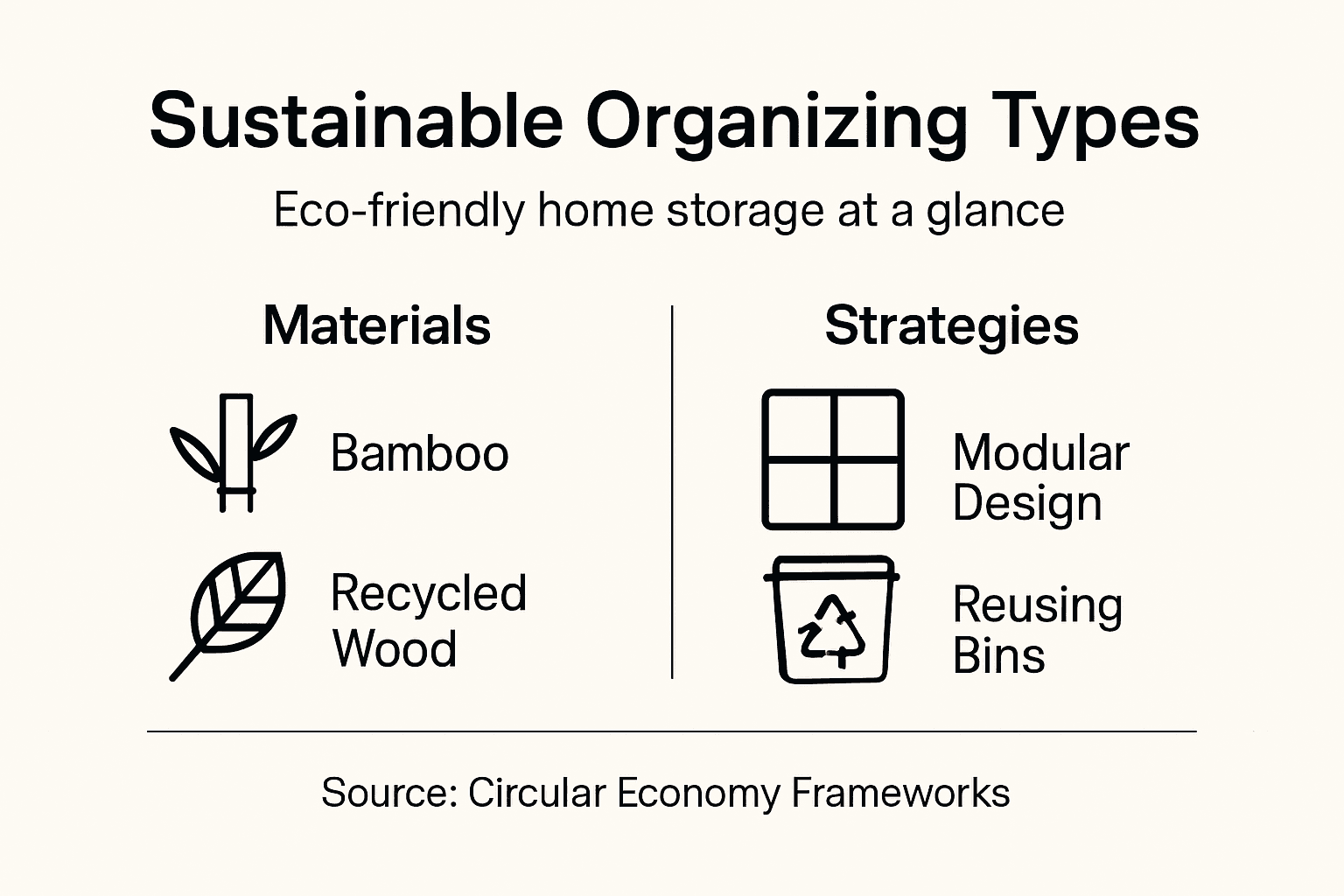
Organization strategies that support sustainability include selecting modular furniture, investing in high-quality bamboo storage solutions, implementing minimalist design principles, and creating systems that encourage long-term material reuse. By thoughtfully curating living spaces, individuals can significantly reduce their carbon footprint while creating aesthetically pleasing environments.
Pro tip: Start your sustainable home organization journey by conducting a comprehensive audit of your current storage solutions, identifying opportunities to replace single-use plastics with renewable materials like bamboo.
Sustainable organizing solutions represent a revolutionary approach to home management that prioritizes environmental responsibility without compromising aesthetic appeal or functionality. These innovative strategies transform traditional storage methods by integrating ecological consciousness with design intelligence, creating systems that minimize waste and maximize resource efficiency.
Sustainable organizing solutions involve collaborative innovations that address environmental challenges through strategic product design and material selection. These solutions encompass several key categories:
The core principles of sustainable organizing draw from circular economy frameworks, which emphasize reducing raw material usage and extending product lifecycles. Circular economy approaches create sustainable product lifecycles by prioritizing renewable materials, design longevity, and intelligent resource management.
Implementing sustainable organizing solutions requires a holistic perspective that considers not just immediate storage needs, but long-term environmental impact. This means selecting storage solutions made from renewable materials like bamboo, choosing products designed for multiple uses, and creating organizational systems that encourage mindful consumption and waste reduction.
Pro tip: Transition to sustainable organizing by gradually replacing single-use storage containers with multi-functional, renewable material solutions that can adapt to changing household needs.
Bamboo represents a transformative material that goes far beyond traditional home organization solutions, offering a powerful approach to sustainable living. Its unique characteristics make it an exceptional choice for environmentally conscious homeowners seeking to reduce their ecological footprint while maintaining aesthetic sophistication.
Bamboo contributes significantly to sustainable environmental strategies, providing multiple ecological benefits that extend well beyond simple storage solutions. The material’s remarkable properties include:
Advanced bamboo materials support sustainable bio-based economies by offering innovative alternatives to traditional non-renewable resources. Bamboo products create a comprehensive approach to eco-living that integrates environmental responsibility with practical, stylish home design, transforming everyday organizational tools into powerful sustainability statements.
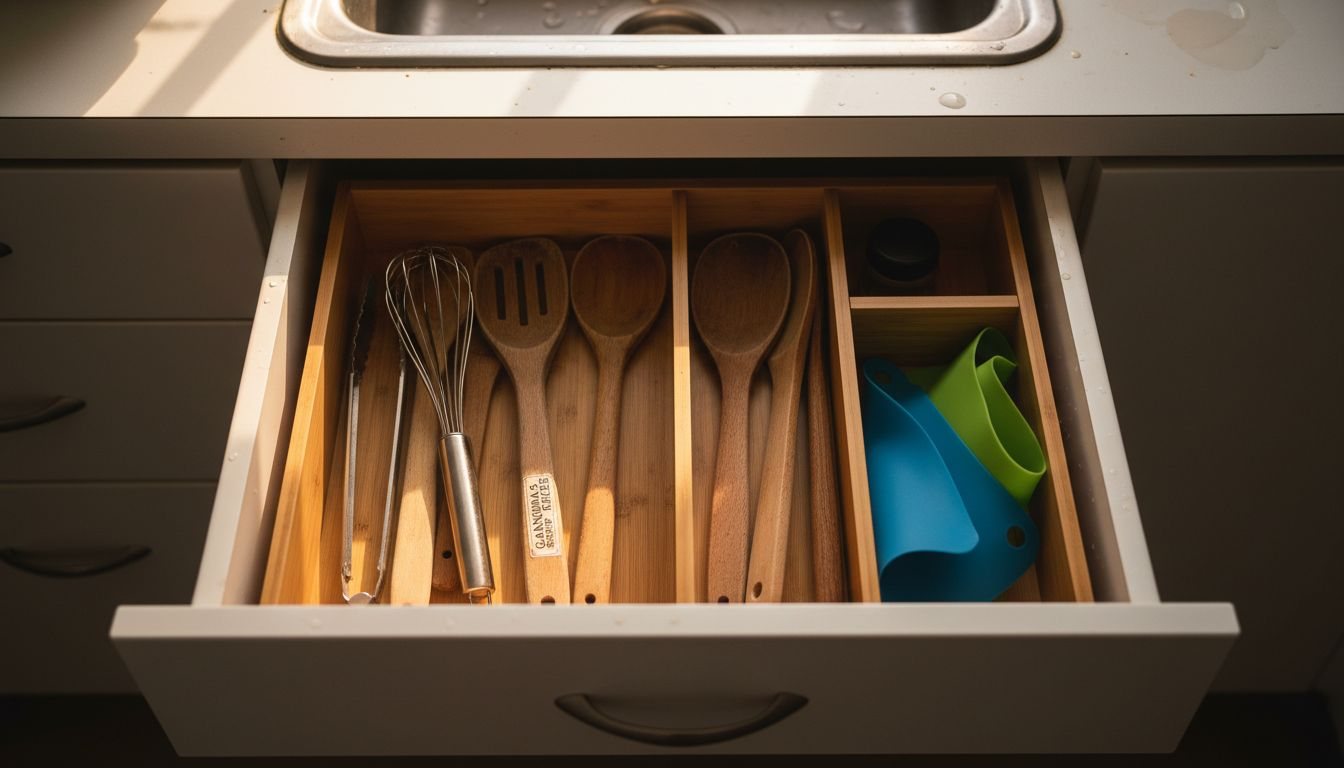
The strategic integration of bamboo products into home spaces represents more than a design choice - it’s a commitment to ecological stewardship. By selecting bamboo storage solutions, drawer organizers, and accessories, homeowners actively participate in reducing environmental strain while creating elegant, functional living environments that reflect a deeper commitment to planetary health.
Pro tip: Evaluate your current home organization tools and gradually replace them with bamboo alternatives, starting with high-use areas like kitchen drawers and bathroom storage.
Here’s a concise comparison of common eco-friendly materials used for sustainable home organization:
| Material | Durability | Environmental Impact | Typical Applications |
|---|---|---|---|
| Bamboo | Long-lasting, strong | Highly renewable, low emissions | Drawer organizers, storage bins |
| Recycled Plastic | Moderate, depends on quality | Reduces landfill waste | Modular containers, baskets |
| Cork | Resistant to moisture | Biodegradable, harvested sustainably | Shelf liners, trivets |
| Reclaimed Wood | High, varies by source | Preserves resources, reduces waste | Shelves, storage furniture |
Sustainable home organization transcends aesthetic appeal, representing a transformative approach to living that fundamentally reshapes how individuals interact with their personal spaces. Holistic home design emerges as a powerful strategy for reducing environmental strain while simultaneously enhancing quality of life and personal well-being.
Sustainable housing improves health outcomes and urban resilience, offering comprehensive benefits that extend far beyond traditional organizational methods. These long-term advantages include:
Housing sector transitions support greenhouse gas reduction by reimagining living spaces as dynamic ecosystems rather than static structures. By integrating sustainable organizational practices, homeowners can create environments that actively contribute to planetary health while simultaneously improving personal comfort and functionality.
The strategic implementation of sustainable home organization requires a comprehensive approach that considers material selection, design efficiency, and long-term environmental impact. This means choosing products like bamboo organizers, implementing modular storage solutions, and developing systems that adapt to changing lifestyle needs while minimizing waste and resource consumption.
Pro tip: Conduct a quarterly sustainability audit of your home organization systems, identifying opportunities to replace traditional materials with eco-friendly alternatives that enhance both functionality and environmental responsibility.
To further clarify, here’s how sustainable home organization benefits both the environment and homeowners:
| Benefit Area | Environmental Effect | Homeowner Advantage |
|---|---|---|
| Reduced Waste | Less landfill contribution | Easier decluttering, cleaner spaces |
| Improved Efficiency | Lower resource consumption | Better storage, less clutter |
| Enhanced Well-being | Healthier indoor environment | Improved comfort, higher property value |
| Long-Term Savings | Lower energy and material use | Reduced operational costs over time |
Sustainable home organization requires more than good intentions - it demands strategic thinking and intentional action. Systematic approach is crucial for avoiding common pitfalls that undermine both organizational efficiency and environmental responsibility.
Common home organization mistakes reveal critical planning gaps, highlighting areas where well-meaning individuals frequently stumble in their sustainable organizing journey. The most prevalent organizational errors include:
Organizing mistakes stem from lack of clear goals and insufficient planning. Successful sustainable home organization requires a methodical approach that prioritizes intentionality over quick fixes. This means carefully assessing current storage needs, understanding space limitations, and selecting multi-functional solutions that adapt to changing lifestyle requirements.
Transitioning to a sustainable organizational system involves mindful consumption, strategic product selection, and a commitment to continuous improvement. Homeowners should focus on quality over quantity, invest in versatile bamboo storage solutions, and develop systems that naturally encourage waste reduction and resource efficiency.
Pro tip: Conduct a comprehensive home inventory before purchasing any new organizational products, identifying existing resources and potential multi-use opportunities to minimize unnecessary consumption.
Creating a stylish and eco-friendly home goes beyond tidiness. This article highlights the importance of intentional design choices using renewable materials like bamboo to reduce waste and improve functionality. If you want to avoid common pitfalls such as impulse buying and inefficient space use, embracing high-quality, multi-functional organizers can transform your living space while supporting a circular economy.
Explore the premium selection of eco-conscious products at Cozee Bay, where every item is handcrafted with sustainability and style in mind. From versatile Drawer Organizers | Cozee Bay® to innovative Food Bag Storage Organizers and the practical Bag Organizer with Wrap Dispenser | Cozee Bay®, these bamboo creations make sustainable home management effortless.
Start your sustainable home organization journey today and experience the difference that durable bamboo products can make. Visit Cozee Bay to shop solutions that combine functionality, beauty, and environmental responsibility. Make your home a reflection of your commitment to a greener future now.
Sustainable home organization involves creating living spaces that minimize environmental impact while maximizing functionality and aesthetic appeal through intentional design choices, reducing waste, and promoting resource efficiency.
Bamboo products are renewable, durable, and have low environmental impact during cultivation, making them an excellent choice for sustainable home organization. They contribute to reducing your ecological footprint while maintaining aesthetic appeal.
Effective sustainable organizing solutions include modular bamboo storage systems, recyclable containers, multi-functional furniture, minimalist design approaches, and digital inventory management tools to track possessions and reduce waste.
Common mistakes include neglecting budget constraints, poor space utilization, and impulse buying. To avoid these, conduct a comprehensive home inventory, set clear goals, and focus on quality, multi-functional products that promote long-term sustainability.
Comments will be approved before showing up.