Your Cart is Empty


Cluttered kitchen cabinets and drawers waste your time and create daily frustration. You deserve a cooking space that works efficiently while reflecting your eco-conscious values. This guide shows you how to transform chaotic kitchen storage into an organized, sustainable system using bamboo products and proven workflow strategies that reduce waste and improve your daily routine.
| Point | Details |
|---|---|
| Accurate measuring | Proper measuring increases space efficiency by up to 25% before organizing. |
| Declutter first | Removing unused items frees approximately 30% of space and reduces plastic waste. |
| Choose bamboo | Bamboo organizers last 3-5 years longer and have a 40% lower carbon footprint than plastic. |
| Zone arrangement | Organizing by workflow zones improves cooking efficiency by 35%. |
| Label everything | Labeling organizers cuts item search time by 20% and maintains long-term order. |
Gathering the right tools before you start saves time and prevents frustration. You need a measuring tape, pen, notebook, and clear workspace to begin your kitchen transformation. Accurate dimensions are essential because measuring kitchen cabinet dimensions increases space utilization by up to 25%.
Record the height, width, and depth of each cabinet and drawer interior. Measure at multiple points since older cabinets may have slight variations. Write everything down to reference when selecting organizers that fit perfectly.
Set specific organization goals before purchasing products. Decide which problems you want to solve, whether that’s finding utensils faster, reducing food waste, or creating more counter space. Clear goals prevent impulse purchases and keep your project focused on sustainable solutions.
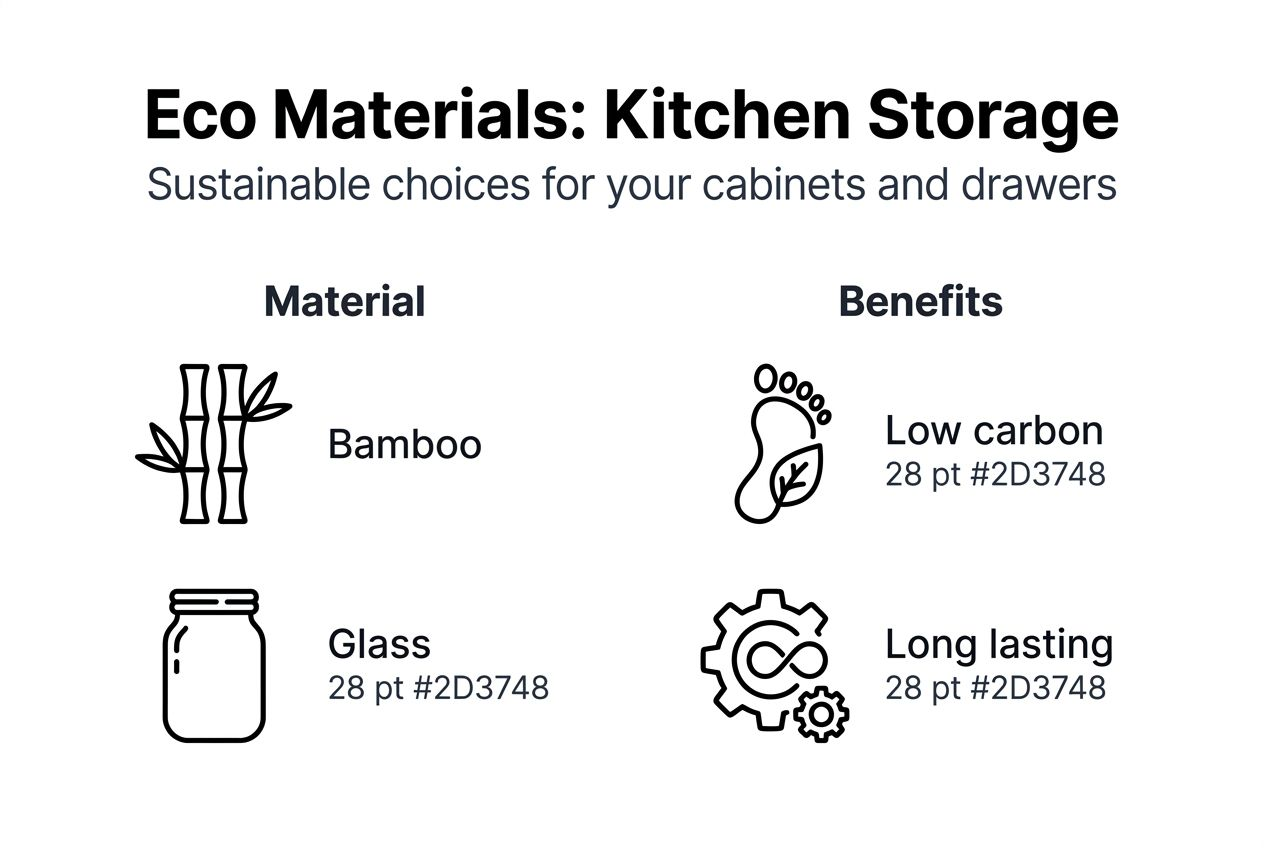
Consider eco-friendly materials during your planning phase. Understanding why bamboo for kitchen organizers makes sense helps you choose products that align with your environmental values while delivering superior durability.
| Material | Lifespan | Carbon Footprint | Maintenance |
|---|---|---|---|
| Bamboo | 8-10 years | 40% lower than plastic | Wipe clean, naturally antimicrobial |
| Plastic | 3-5 years | Standard baseline | Requires frequent cleaning |
| Wire/Metal | 6-8 years | 20% higher than bamboo | Prone to rust in humid conditions |
Pro Tip: Take photos of your current cabinet contents before organizing. This visual reference helps you remember what you own and prevents duplicate purchases when shopping for organizers.
Decluttering creates the foundation for effective organization. Most homeowners discover they can free approximately 30% of their cabinet space by removing unused, duplicate, or expired items. Start this process before buying any organizing products.
Follow this four-category sorting system:
Focus on reducing plastic during decluttering. Single-use plastic containers, worn storage bags, and cheap organizers contribute to waste while offering poor functionality. Replace these items with durable, sustainable alternatives that last years longer.
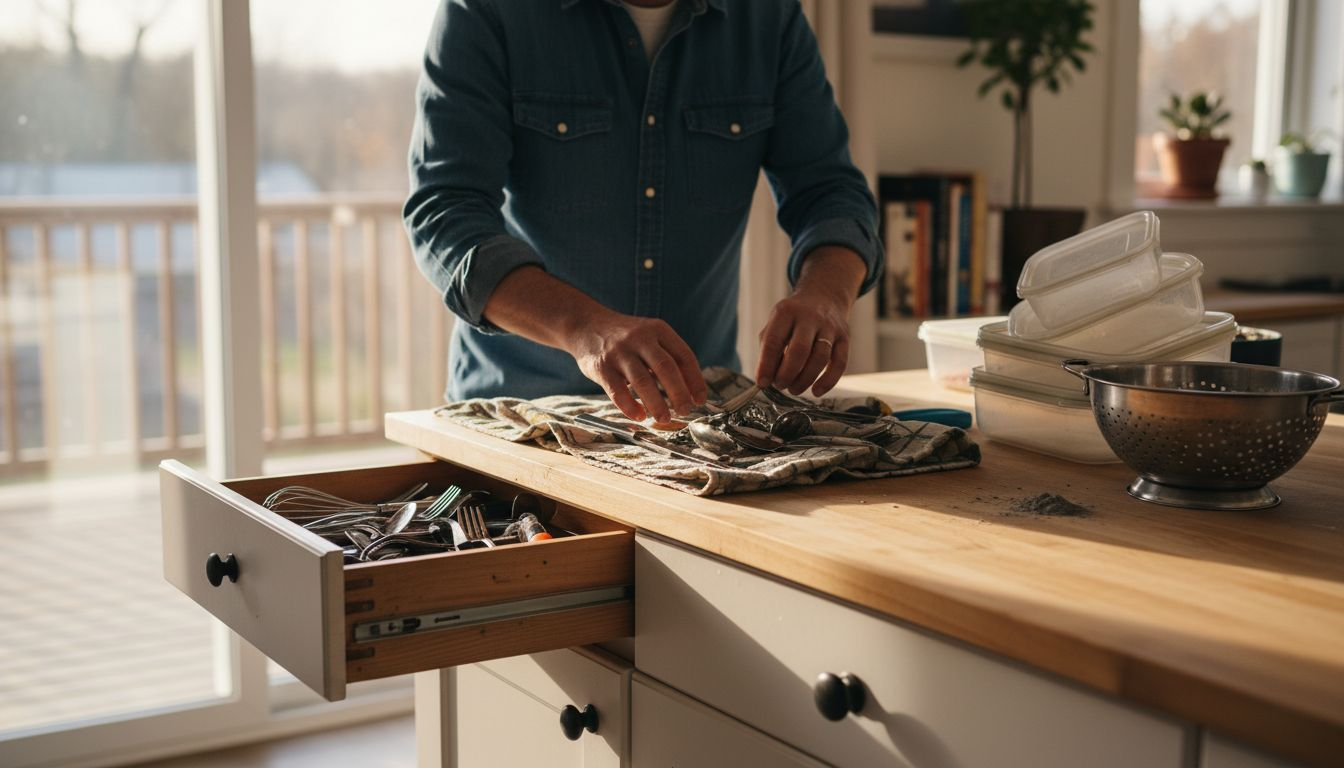
Work through one cabinet or drawer at a time. Emptying everything onto your counter forces you to examine each item honestly. Ask yourself when you last used it and whether it serves your current cooking needs.
Pro Tip: Find local food banks that accept sealed, unexpired pantry items. Many organizations also accept gently used kitchen tools and small appliances, giving your unwanted items a second life while supporting your community.
Avoid the temptation to skip decluttering and simply buy more organizers. This wastes money and perpetuates clutter by creating organized chaos instead of genuine efficiency. Explore kitchen organization ideas for clutter-free space to understand how decluttering supports long-term success.
Choosing sustainable organizing products makes your kitchen both functional and environmentally responsible. Bamboo stands out as the superior material, offering a 40% lower carbon footprint compared to plastic alternatives. This renewable resource grows rapidly without pesticides and regenerates after harvesting.
Bamboo organizers typically last 3-5 years longer than plastic equivalents. The material’s natural breathability prevents moisture buildup that leads to mold growth, keeping your stored items fresher. You get better performance while reducing your environmental impact.
Consider these product categories for your sustainable kitchen:
Evaluate each organizer using these criteria before purchasing. Check that the material is genuinely sustainable, not greenwashed plastic marketed as eco-friendly. Verify the dimensions match your measured cabinet spaces. Assess durability by reading reviews and checking construction quality.
Style matters as much as function when creating a kitchen you love using. Bamboo’s warm, natural appearance elevates your space beyond basic storage. It coordinates with modern, traditional, and transitional kitchen designs without clashing.
Learn about types of bamboo organizers to discover specialized solutions for unique storage challenges. Understanding the full range of available products helps you create a cohesive organizational system. Dive deeper into benefits of bamboo organizers to appreciate how material choice impacts your kitchen’s sustainability and functionality.
Organizing your kitchen by workflow zones improves cooking efficiency by 35%. This strategic arrangement reduces unnecessary movement and keeps related items together where you need them. Create distinct zones based on your cooking activities.
Establish these primary kitchen zones:
Place frequently used items in the most accessible locations within each zone. Store everyday dishes and glasses in cabinets near your dishwasher. Keep cooking oils and common spices in the cabinet closest to your stove. This intuitive arrangement speeds up meal preparation.
Bamboo drawer dividers maintain order inside each zone. They prevent utensils from sliding around and keep categories separated. Adjustable dividers adapt as your needs change over time.
Pro Tip: Label your organizers and zones to reduce search time by 20%. Simple adhesive labels or a label maker creates clear visual cues that help everyone in your household maintain the system.
| Zone | Items to Store | Primary Benefit |
|---|---|---|
| Prep | Cutting boards, knives, mixing bowls, measuring tools | Speeds up meal preparation by 30% |
| Cooking | Pots, pans, oils, spices, cooking utensils | Reduces stove-side searching time |
| Storage | Dry goods, canned foods, backup supplies | Prevents duplicate purchases |
| Cleaning | Dish soap, sponges, towels, trash bags | Simplifies cleanup routine |
Discover how to organize kitchen drawers for efficiency with detailed techniques that complement zoning strategies. Learn to organize kitchen drawers for faster access while reducing waste through smart placement decisions.
Avoiding frequent organization errors saves you time and maintains your sustainable kitchen system. Recognize these pitfalls before they undermine your efforts. Learning from others’ mistakes prevents frustration and wasted resources.
Overstuffing drawers ranks as the most common error. Cramming too many items into limited space increases item-finding difficulty by 25% and damages both your organizers and contents. If drawers feel tight or items catch when opening, you’ve exceeded capacity.
Skipping labels creates confusion that grows worse over time. Without clear identification, family members guess where items belong and create new clutter. Labeling takes minutes but preserves your organizational system for years.
Using non-breathable plastic containers in humid areas causes mold growth on foods and kitchen linens. Plastic traps moisture while bamboo allows air circulation. Switch to breathable materials in cabinets near sinks or dishwashers.
Common mistakes and practical solutions:
Address problems immediately when you notice them. If an organizer doesn’t work as expected, return it quickly and try a different solution. Review the kitchen organization checklist to verify you’ve covered all essential elements.
Follow this comprehensive sequence to transform your kitchen into an efficient, sustainable workspace. Budget 4-6 hours for a typical kitchen, though larger spaces may require additional time. Working methodically ensures lasting results.
Take breaks between sections to maintain focus and decision-making quality. Rushing leads to poor choices about what to keep and where items belong. Patience pays off with a system that truly serves your needs.
Regular maintenance preserves your organized kitchen and extends the life of sustainable bamboo organizers. Commit to weekly quick checks and monthly deeper reviews to catch problems before they escalate.
Pay attention to details during installation. Ensure drawer dividers fit snugly without excessive force. Position cabinet organizers so doors close completely. These small adjustments prevent daily annoyances.
Learn to organize kitchen sustainably with additional strategies that support your eco-friendly goals beyond initial setup.
Sustaining your organized kitchen requires minimal ongoing effort but delivers substantial long-term benefits. Homeowners using drawer dividers reduce clutter recurrence by 50% one year after initial organization. This remarkable persistence comes from systems that make order easier than disorder.
Expect cooking time to decrease by up to 20% once your zones function efficiently. You’ll spend less time searching for ingredients and tools, focusing instead on actual meal preparation. This time savings compounds across hundreds of meals annually.
Measure your organizational success using these metrics:
Maintain your sustainable kitchen with these practices:
Adopting sustainable kitchen habits increases household eco-consciousness by approximately 40%. Your organized space becomes a daily reminder of environmental values, influencing broader lifestyle choices. The visibility of bamboo organizers sparks conversations about sustainability with family and guests.
Continue developing your sustainable approach by exploring how to organize kitchen sustainably with advanced techniques and seasonal adjustments.
Your newly organized kitchen deserves high-quality bamboo products that combine style with sustainability. Cozee Bay specializes in eco-friendly, handcrafted bamboo organizers designed for lasting performance in homes and commercial kitchens. The carefully curated selection includes drawer dividers, wrap dispensers, utensil trays, and food bag organizers.

Each product features premium bamboo construction with attention to detail that ensures years of reliable use. Free shipping within the contiguous United States makes sustainable organizing accessible and affordable. The money-back guarantee demonstrates confidence in product quality and customer satisfaction.
Pro Tip: Choosing durable Cozee Bay bamboo products supports your long-term sustainability goals while elevating your kitchen’s visual appeal. Investing in quality organizers once prevents the cycle of replacing cheap plastic alternatives every few years.
Use a tape measure to record height, width, and depth inside cabinets and drawers, not exterior dimensions. Measure at multiple points since older cabinets often have slight variations that affect organizer fit. Reference this measuring kitchen cabinets guide for detailed techniques.
Bamboo organizers have a 40% lower carbon footprint than plastic and last 3-5 years longer. The material’s natural breathability prevents mold growth while adding warm, stylish aesthetics to your kitchen. Discover more bamboo organizer benefits that make them superior to conventional materials.
Regularly declutter items you no longer use and clean bamboo organizers gently with a damp cloth to extend their lifespan. Label compartments and use dividers because drawer dividers reduce clutter recurrence by 50% after one year. Learn to sustain your kitchen organization with quarterly reviews and adjustments.
Budget 4-6 hours for a standard kitchen when following proper decluttering and zoning processes. Larger kitchens or those with extensive clutter may require 8-10 hours spread across multiple sessions. Working methodically prevents rushed decisions that undermine long-term organization success.
You can improve organization using existing containers and repurposed items, though purpose-built organizers deliver superior results. Bamboo dividers and specialized organizers maximize space efficiency by 25% compared to improvised solutions. Strategic investment in quality products pays off through years of improved kitchen function.
Comments will be approved before showing up.