Your Cart is Empty


Finding the balance between sustainable design and stylish functionality is a daily challenge for eco-conscious homeowners and American restaurant managers. Bamboo accents promise a unique solution, adding natural warmth while supporting your environmental values. These pieces go beyond simple decoration—each bamboo element bridges the gap between practical use and aesthetic appeal. Discover how incorporating bamboo accents for sustainable decor and functional design can transform your kitchen or dining space into a meaningful reflection of your commitment to both style and responsibility.
| Point | Details |
|---|---|
| Sustainability and Style | Bamboo accents combine eco-friendliness with visual appeal, making them ideal for deliberate design choices in homes and restaurants. |
| Versatile Application | Bamboo pieces cater to various styling concepts, contributing to cohesive and thoughtful design narratives in different spaces. |
| Functional Elegance | Each bamboo accent serves a purpose beyond decoration, enhancing organization while promoting sustainable values. |
| Maintenance Matters | Proper care, including regular cleaning and applying protective finishes, extends the longevity of bamboo pieces significantly. |
Bamboo accents represent far more than just another home decor trend. At their core, bamboo accents are decorative and functional elements crafted from bamboo’s natural forms, whether used whole, split, or flattened. Think of them as the bridge between raw nature and refined interior design. Unlike mass-produced synthetic alternatives, bamboo accents bring authentic texture, warmth, and character to any room. For eco-conscious homeowners and restaurant managers, bamboo accents offer something genuinely rare: they’re genuinely sustainable without sacrificing style or functionality. You’re not compromising on aesthetics to do the right thing environmentally. The material works in contemporary kitchens, rustic farmhouse spaces, minimalist bathrooms, and even upscale restaurant settings where clients expect both elegance and ethical sourcing.
What makes bamboo accents particularly versatile is how they adapt to different styling concepts. Styling concepts refer to the deliberate arrangement and integration of these bamboo elements into your overall design narrative. In sustainable home design, styling concepts emphasize creating spaces that are visually cohesive while reflecting your environmental values. Consider how a bamboo paper towel dispenser in your kitchen isn’t just functional—it becomes a statement piece that says something about your priorities. Similarly, bamboo drawer organizers, food bag organizers, and wrap dispensers aren’t hidden away in your cabinets; they’re visible tools that demonstrate thoughtful organization. Bamboo design concepts highlight sustainable development and educational value, emphasizing how everyday items can reinforce eco-consciousness. For restaurant managers, this means customers notice and appreciate bamboo trash bag organizers or food storage solutions displayed throughout the space. These accents communicate professionalism, environmental responsibility, and attention to detail—qualities that build customer loyalty.
The distinction between bamboo accents and general home decor comes down to intentionality. Generic wall art or mass-produced decorations fill space. Bamboo accents tell a story about who you are and what you value. They connect your home or restaurant’s aesthetic to sustainable craftsmanship and cultural heritage. When you integrate why designers prefer bamboo accents for modern spaces, you’re making deliberate choices about every item visible in your kitchen, bathroom, or commercial space. A bamboo wrap and foil dispenser becomes part of your kitchen’s design language. A bamboo drawer organizer system reflects your commitment to both functionality and sustainability. The styling concept here emphasizes harmony—choosing pieces that complement your existing design while advancing your environmental principles. This approach works whether you’re renovating a single kitchen or redesigning an entire restaurant space. You’re not just decorating; you’re curating an environment that aligns your daily choices with your values.
Understanding these definitions matters because it shifts how you approach home and commercial design decisions. Rather than viewing sustainable bamboo items as compromises or afterthoughts, you’ll recognize them as intentional design choices that elevate your space. The styling concept becomes about layering these accents thoughtfully—perhaps combining a bamboo paper towel dispenser with complementary bamboo organizers and natural wood finishes throughout your kitchen. In restaurants, the same principle applies. Your customers absorb the entire sensory experience, including these carefully chosen bamboo elements that demonstrate your commitment to sustainability without requiring them to sacrifice comfort or style.
Pro tip: Start by identifying one visible area in your home or restaurant where you spend significant time, then intentionally select two to three bamboo accent pieces for that space—a dispenser here, an organizer there—and notice how they immediately transform the entire room’s aesthetic and your relationship with that space.
Bamboo accents come in far more varieties than you might initially think. The range extends from small decorative pieces to substantial furniture items, each serving different purposes depending on where you place them. Understanding what types exist helps you make smart choices for your specific spaces. Bamboo accents fall into three primary categories based on size and function: large structural pieces, medium-sized storage and organization items, and small decorative elements. Large pieces include bamboo furniture like shelving units, room dividers, and architectural details. Medium items comprise the organizational tools you interact with daily—think bamboo paper towel dispensers, food bag organizers, wrap and foil dispensers, drawer organizers, and trash bag organizers. Small accents range from decorative baskets to woven wall panels. The beauty of this variety is that whether you’re outfitting a cozy kitchen or redesigning a restaurant dining area, bamboo weaving techniques create everything from furniture to decorative panels suited to your exact needs.
Your kitchen deserves bamboo accents that work as hard as they look. This is where medium and small pieces truly shine. A bamboo paper towel dispenser sits prominently on your countertop, making a visual statement while serving a practical function every single day. These dispensers typically feature clean lines and natural wood tones that complement modern or rustic kitchen aesthetics equally well. Beyond dispensers, food bag organizers keep your pantry visible and accessible, transforming cluttered cabinet spaces into organized systems. Wrap and foil dispensers in bamboo reduce visual chaos in drawers while making it easy to grab what you need during meal preparation. For restaurants, these items become customer-facing elements that demonstrate your commitment to thoughtful design and sustainability. In dining areas, bamboo place settings, small baskets for bread service, and decorative centerpiece holders add warmth without overwhelming the space. The key is choosing pieces that integrate naturally with your existing kitchen style rather than appearing like separate additions.
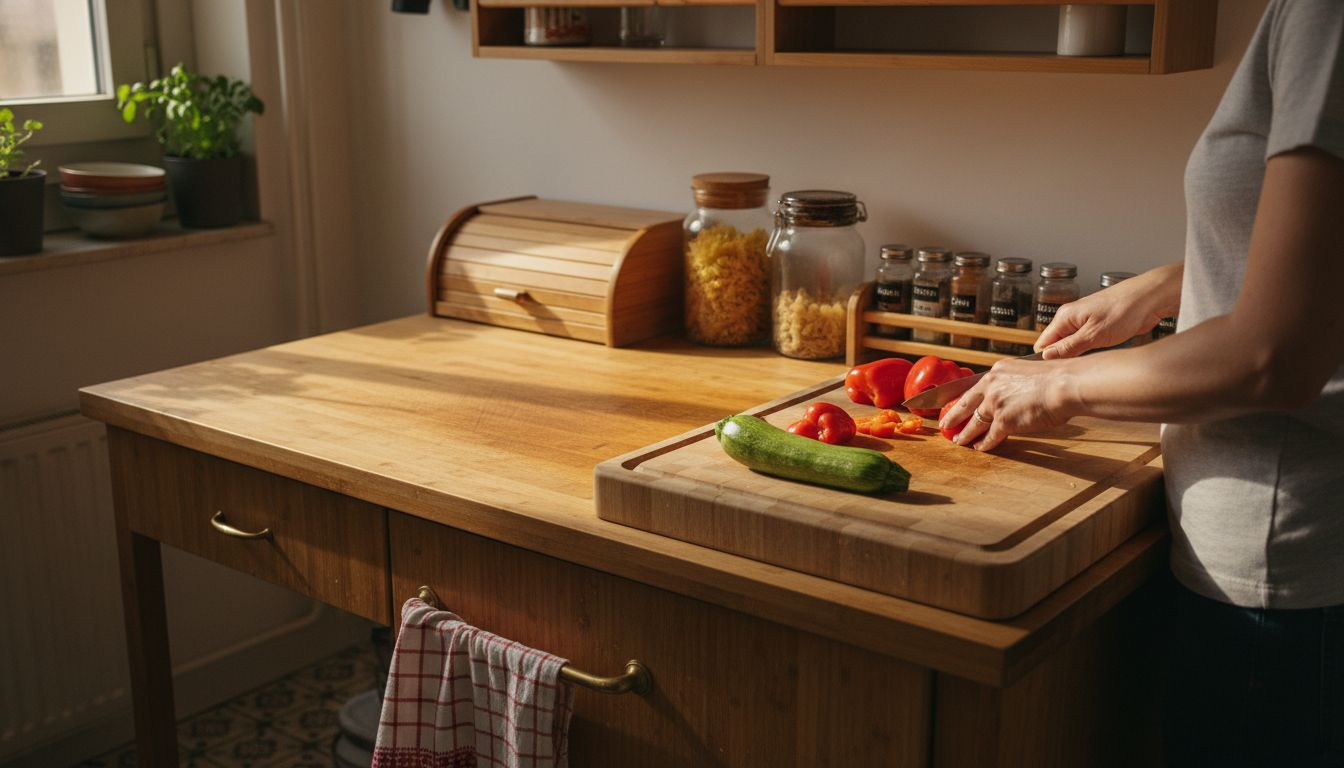
Bathrooms benefit tremendously from bamboo’s moisture-resistant properties and naturally calming aesthetic. Bamboo drawer organizers keep your bathroom countertop looking intentional rather than cluttered. These organizers compartmentalize daily essentials—toothbrushes, skincare products, grooming tools—making your morning routine smoother while maintaining a spa-like atmosphere. Bamboo shelving above toilets or sinks provides storage without feeling heavy or institutional. Bedrooms gain warmth from larger bamboo pieces like headboards or accent walls, which create focal points that feel organic and grounding. Smaller items like bamboo nightstands or woven storage baskets add texture and functionality without competing with bedroom furniture. The neutral tones of natural bamboo work with virtually any color scheme, from serene minimalist palettes to rich, warm bedroom designs.
Living rooms are where bamboo accents can anchor your entire design narrative. Bamboo can be used whole, in strips, for structural and ornamental purposes, making it suitable for creating statement pieces that define your space. Large bamboo room dividers create zones in open-plan living areas while allowing light and air to flow freely. Woven bamboo wall panels add texture and acoustic benefits simultaneously. Bamboo shelving units display books, plants, and personal items with understated elegance. For restaurant managers, bamboo accents in dining rooms signal authenticity and environmental responsibility. Bamboo ceiling details, decorative screens, or architectural trim draw the eye upward and create visual interest. Hostess station organizers in bamboo keep reservation books and menus accessible while maintaining sophisticated presentation. Staff areas benefit from bamboo storage solutions suitable for medium and small household decorations, keeping workspaces organized and professional.
The final consideration is ensuring your chosen bamboo accents align with your overall design vision. Contemporary spaces benefit from bamboo pieces with clean lines and minimal ornamentation. Rustic or farmhouse aesthetics shine when you choose thicker bamboo stocks and visible joints that showcase traditional craftsmanship. Minimalist design works beautifully with simple bamboo organizers and storage solutions that reduce visual clutter. Each type of bamboo accent exists in multiple design expressions, so you’re never forced to choose between sustainability and style coherence. This is precisely why eight creative bamboo home decor ideas demonstrate how these pieces adapt to different design preferences, whether your space leans contemporary, traditional, or somewhere in between.
Here’s a summary of bamboo accent types based on placement and design potential:
| Space Type | Common Bamboo Accents | Key Benefits |
|---|---|---|
| Kitchen & Dining | Dispensers, organizers | Visual focus, utility |
| Bathroom & Bedroom | Drawer/shelf units, baskets | Clarity, calming atmosphere |
| Living/Commercial | Dividers, shelving, panels | Zoning, texture, elegance |
Pro tip: Photograph your space in natural light, then research bamboo accent pieces online while viewing those photos nearby—this ensures the finishes and tones will actually complement your existing design rather than clashing with your current color palette.
When you choose bamboo accents for your home or restaurant, you’re not just making a design decision—you’re making an environmental one. Bamboo stands apart from conventional materials because it grows rapidly, requires minimal resources, and regenerates naturally without replanting. Unlike hardwood trees that take decades to mature, bamboo reaches maturity in just three to five years. This rapid renewability means your bamboo paper towel dispenser, drawer organizers, or wrap dispensers represent materials harvested sustainably without depleting forests. The environmental advantage extends beyond growth speed. Bamboo cultivation demands significantly less water than cotton or other conventional materials, and it grows densely enough to prevent soil erosion. When you integrate these pieces into your space, you’re reducing your household or restaurant’s carbon footprint with every functional item you use daily. Bamboo fiber is recognized as an eco-friendly textile alternative because it requires less water and land, making it the intelligent choice for environmentally conscious consumers who refuse to compromise on quality.
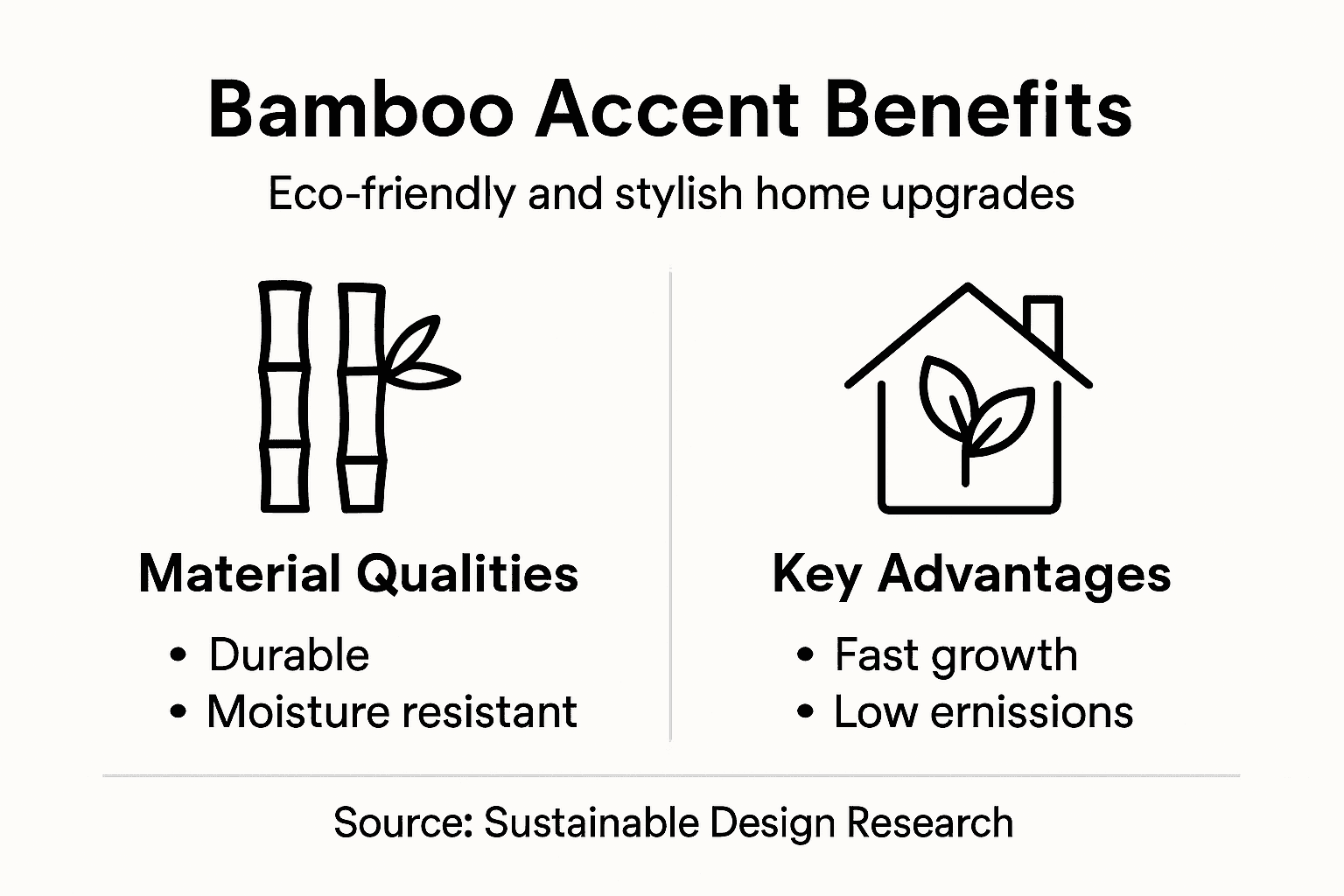
Beyond environmental credentials, bamboo possesses genuine material qualities that make these accents genuinely superior to plastic or synthetic alternatives. Bamboo is naturally strong and durable, capable of withstanding years of daily use without degrading. Your bamboo drawer organizers won’t crack or warp like cheaper plastic versions. Food bag organizers maintain their structural integrity even when subjected to moisture and temperature fluctuations in your kitchen or restaurant pantry. The material also offers natural antimicrobial properties and odor resistance, which proves particularly valuable in kitchen and bathroom settings. A bamboo food storage organizer actively resists the bacterial growth and musty smells that plague plastic alternatives. Bamboo’s moisture-absorbing properties mean it adapts to humid bathroom environments without developing mold or mildew, while simultaneously offering exceptional breathability that prevents trapped moisture damage.
The aesthetic qualities matter equally. Bamboo fibers possess natural softness and visual warmth that synthetic materials simply cannot replicate. Each bamboo paper towel dispenser showcases unique grain patterns and natural color variations, making your kitchen feel less sterile and more intentionally curated. Unlike uniform plastic products that look mass-produced and temporary, bamboo accents develop a subtle patina over time, becoming more beautiful as they age. This aging process reflects authentic craftsmanship rather than visible wear and tear. Restaurant managers particularly appreciate this quality because it communicates permanence and investment to customers. A bamboo hostess stand organizer or trash bag organizer signals that management cares enough to invest in quality, not just quick fixes.
Bamboo is a strong, fast-growing, and sustainable material used structurally for thousands of years, and modern preservation methods enhance its longevity even further. Smart design strategies and protective finishing techniques ensure your bamboo pieces remain functional and beautiful for decades rather than years. High-quality bamboo accents are treated with non-toxic finishes that protect against water damage and UV fading while maintaining the material’s breathability and natural appearance. This means your investment in bamboo accents actually compounds over time. You’re not replacing disposable plastic items every few years. You’re establishing pieces that become part of your home or restaurant’s permanent infrastructure.
The practical sustainability equation becomes clear when you do the math. One quality bamboo drawer organizer purchased today might serve your home for 15 to 20 years. During that same period, you might purchase and discard 30 to 40 plastic organizers that break, crack, or become discolored. That’s not just better for the environment. That’s smarter economics. Restaurant managers understand this calculation immediately. A commercial-grade bamboo paper towel dispenser installed behind the counter becomes a conversation piece—a tangible demonstration of sustainability that resonates with your environmentally conscious customers who return specifically because your business aligns with their values.
Here’s a quick comparison of bamboo versus synthetic materials for accents:
| Feature | Bamboo Accents | Synthetic Alternatives |
|---|---|---|
| Environmental Impact | Low, rapidly renewable | High, resource-intensive |
| Durability | Long-lasting, sturdy | Prone to cracks, discoloration |
| Aesthetic Value | Unique grains, warm tones | Uniform, less character |
| Maintenance Needs | Occasional oiling/cleaning | Frequent replacement |
Pro tip: Select bamboo accents treated with food-safe, non-toxic finishes rather than cheaper alternatives, then register them with your home inventory—this simple step documents your sustainable purchases and helps you track their longevity over years, providing proof of their durability when discussing home improvements with contractors or potential buyers.
Styling with bamboo accents requires intentionality and planning, but the payoff transforms your entire space. The key difference between spaces that feel cohesive and those that feel cluttered comes down to strategy. You’re not randomly placing bamboo items around your home or restaurant. You’re implementing a holistic design approach that combines functional organization with visual harmony. This means thinking about sight lines, traffic patterns, and how each bamboo accent piece contributes to your overall narrative. Start by identifying your primary visual zones—the areas where eyes naturally land when entering a room. In kitchens, this might be your countertop and the area above your sink. In restaurants, it’s your hostess station, service counter, and dining room details. Your most impactful bamboo accents should anchor these zones. A bamboo paper towel dispenser becomes a countertop focal point that serves daily function while subtly communicating your sustainability values. A bamboo wrap and foil dispenser nearby creates visual harmony through repetition without feeling overdone. Styling strategies that integrate fieldwork, expert insights, and practical application demonstrate bamboo’s versatility across varied environments, encouraging eco-friendly design choices that feel intentional rather than accidental.
One of the most effective styling strategies involves using repetition strategically. This doesn’t mean purchasing identical items in every room. Rather, it means using similar design elements—like bamboo’s natural grain patterns and warm tones—to create visual continuity throughout your space. When your kitchen features a bamboo paper towel dispenser, introducing complementary bamboo drawer organizers and a trash bag organizer nearby creates a cohesive system rather than random items. Your eye follows a logical path, and your brain registers intentional design. For restaurants, this approach becomes even more powerful. Bamboo hostess stand organizers, menu holders, and decorative accents create a consistent design language that whispers sustainability to every customer without shouting it. The repetition feels sophisticated because it’s subtle. Customers notice the quality and thoughtfulness without being able to articulate exactly why the space feels premium.
Your second styling strategy involves layering heights and textures. A room where everything sits at the same level feels flat and uninspired. Bamboo accents naturally vary in height—tall drawer organizers, medium-height dispensers, small decorative baskets. Position these pieces at different elevations and depths to create visual interest. On your kitchen counter, place your bamboo paper towel dispenser at full height, position a smaller food bag organizer beside it at mid-level, and tuck a shallow decorative tray below. This vertical layering makes your counter feel designed rather than random. In commercial settings, traditional and innovative bamboo weaving techniques produce unique, culturally rich products suitable for both residential and commercial environments, creating tactile and visual appeal that enhances dining experiences through authentic craftsmanship.
Here’s what separates truly styled spaces from cluttered ones: every bamboo accent must serve a genuine purpose beyond decoration. Your bamboo drawer organizer isn’t on display because it looks nice. It’s on display because it organizes your kitchen utensils, making breakfast preparation faster and more pleasant. This functional honesty is what makes the design feel authentic. A bamboo wrap and foil dispenser isn’t just sitting on your counter looking charming. It’s actively preventing paper clutter from overtaking your drawers. When form and function align perfectly, the design transcends decoration and becomes part of your space’s operating system.
For restaurant managers, this principle carries even more weight. Your customers understand that a bamboo trash bag organizer in your staff area isn’t decorative flourish. They recognize it as evidence of management’s commitment to both sustainability and operational efficiency. That visible commitment builds trust and loyalty far more effectively than any marketing message. The styling strategy here is fundamentally about authenticity. You’re not pretending your bamboo accents are purely aesthetic. You’re celebrating the fact that sustainability and style coexist naturally when you make intentional choices.
Effective styling strategies also account for change. Your home and restaurant spaces shouldn’t feel frozen in time. Consider how bamboo accents adapt seasonally. In winter months, complement your bamboo dispensers and organizers with warmer accent colors and additional natural wood elements. In spring and summer, let the fresh energy of your bamboo pieces shine more prominently by minimizing competing visual elements. For restaurant settings, this flexibility allows you to refresh customer-facing spaces without major investments. Rotating decorative bamboo accessories while keeping functional pieces consistent maintains visual freshness while reinforcing your sustainability commitment.
Pro tip: Photograph your space before adding any bamboo accents, then take photos after each addition—this visual documentation helps you see exactly how each piece impacts the overall design and prevents the common mistake of adding too many accents at once, which destroys the intentional aesthetic you’re building.
Bamboo accents are durable, but only when you treat them with basic understanding. The most common mistake homeowners and restaurant managers make is neglecting bamboo’s vulnerability to moisture and humidity fluctuations. You might think that because bamboo grows near water in its natural environment, it tolerates wet conditions indefinitely. That’s precisely backwards. While bamboo can handle temporary moisture exposure, prolonged wetness creates conditions where fungi and insects thrive, degrading the material from inside out. Your beautiful bamboo paper towel dispenser sitting directly beside your kitchen sink or your drawer organizers storing damp kitchen linens are slowly accumulating moisture damage you can’t see until it’s too late. The second major mistake involves exposing bamboo to extreme temperature swings. Placing a bamboo wrap and foil dispenser near heating vents or in direct sunlight causes the material to expand and contract unevenly, leading to cracks and warping. Common mistakes in bamboo use include inadequate preservation and protection from moisture, which can lead to decay and insect damage, making proper environmental control essential for longevity. Restaurant managers particularly struggle with this because kitchen environments naturally combine heat, steam, and temperature variations. Your solution is strategic placement and preventative care, not wishful thinking.
Proper maintenance prevents problems before they start. Regular cleaning is your first line of defense, but you must use the right approach. Dust your bamboo pieces weekly with a soft, dry cloth. This simple habit prevents dirt accumulation that traps moisture against the surface. When your bamboo paper towel dispenser needs deeper cleaning, use a slightly damp cloth with mild soap, then immediately dry it completely. Never soak bamboo items or allow water to pool on their surfaces. For food contact surfaces like bamboo food bag organizers, use food-safe cleaning solutions and dry immediately after washing.
Your second maintenance task involves controlling humidity in your space. In bathrooms where you keep bamboo drawer organizers, ensure proper ventilation by running exhaust fans during and for 20 minutes after showers. In kitchens, use range hoods when cooking and wipe up spills immediately rather than letting moisture linger. For restaurants, this means maintaining dehumidification systems in kitchen areas where bamboo trash bag organizers and other accents live. Maintenance of bamboo accents requires understanding the material’s sensitivities through routine cleaning, application of protective coatings, and careful handling to avoid cracks, ensuring structural integrity over extended periods. Consider this maintenance as cheap insurance against expensive replacement costs down the road.
Your third maintenance strategy involves applying protective finishes thoughtfully. High-quality bamboo accents arrive with finishes designed to enhance durability while preserving natural beauty. These finishes aren’t permanent, however. Over time, especially in high-use areas like kitchen countertops, protective coatings wear down. Every 12 to 18 months, assess your bamboo pieces for dulling or exposed grain. When you notice these signs, apply a natural bamboo oil or beeswax finish specifically designed for your pieces. Follow product directions precisely, and always test on an inconspicuous area first. This simple maintenance task restores both appearance and protection simultaneously.
Avoid these critical mistakes: never use harsh chemical cleaners, furniture polish, or bleach on bamboo. These products strip protective finishes and damage the material itself. Don’t place hot cookware directly on bamboo surfaces in your kitchen. Always use trivets or heat-resistant mats. Don’t store bamboo organizers in direct sunlight for extended periods, which causes fading and accelerates deterioration. For commercial restaurant settings, establish maintenance schedules with your staff. Assign responsibility for daily cleaning and monthly inspections of visible bamboo accents. When you make maintenance part of your operational routine rather than an afterthought, bamboo pieces genuinely outlast expectations.
If you’re temporarily storing bamboo pieces—perhaps rotating seasonal restaurant decorations—follow these guidelines carefully. Store bamboo items in a climate-controlled space between 50 and 85 degrees Fahrenheit with humidity levels around 40 to 60 percent. Avoid basements, attics, or uninsulated spaces where temperature and humidity swing wildly. Wrap pieces loosely in cloth rather than plastic, which traps moisture. Check stored items monthly, even if not in use. Early detection of any moisture issues prevents major problems from developing unnoticed.
Pro tip: Create a simple maintenance calendar on your phone with reminders for monthly bamboo inspections and twice-yearly protective finish applications—this prevents the common scenario where busy homeowners and restaurant managers forget about preventative care until visible damage forces expensive restoration or replacement.
Transforming your home or commercial space into an eco-friendly haven is easier when your choices reflect both sustainability and style. This article highlights the challenge of finding bamboo accents that are functional, visually cohesive, and environmentally responsible. If you want to embrace natural warmth and durability without compromise, selecting thoughtfully designed bamboo products is key. From bamboo paper towel dispensers to drawer organizers, these pieces tell a story about your commitment to ecological values while enhancing everyday living and organizational flow.
Discover how Cozee Bay offers a curated range of premium bamboo solutions that perfectly align with your bamboo accents styling goals. Explore our sleek and sustainable Bamboo Paper Towel Dispenser- A Sleek Look Home or Office and complement your space with practical yet elegant Drawer Organizers | Cozee Bay®.
Ready to transform your space with bamboo accents that combine natural beauty and long-lasting quality? Visit Cozee Bay now for eco-conscious products designed to make an immediate impact. Act today to enjoy free shipping across the contiguous U.S. and join countless homeowners and restaurant managers making sustainability a visible, stylish priority.
Bamboo accents are decorative and functional items made from natural bamboo forms, designed to enhance interior spaces while promoting sustainability.
You can incorporate bamboo accents by strategically placing items like paper towel dispensers, drawer organizers, and decorative pieces in key areas to match your home’s style and reinforce your commitment to sustainability.
Bamboo accents are durable, eco-friendly, and visually appealing. They offer natural antimicrobial properties, moisture resistance, and unique aesthetic qualities that enhance the design of any space without compromising on environmental values.
To maintain bamboo accents, clean them regularly with a dry cloth, avoid prolonged exposure to moisture and extreme temperatures, and apply a protective finish every 12 to 18 months to preserve their beauty and durability.
Comments will be approved before showing up.