Your Cart is Empty


Most American consumers now recognize bamboo as a symbol of sustainable living, yet misconceptions still surround this celebrated material. With bamboo fabric capturing attention for its natural beauty and eco-appeal, it is easy to overlook the complex reality behind its environmental claims. If you are committed to finding truly responsible options for your home or workplace, understanding the real impact of bamboo textiles is crucial. Discover the facts behind the label and see which bamboo options best support your commitment to sustainability.
| Point | Details |
|---|---|
| Bamboo Fabric Processing | Most bamboo textiles are chemically processed into viscose rayon, often misleading consumers about their environmental impact. |
| Genuine Bamboo Linen | True bamboo linen, produced through mechanical processing, remains environmentally superior but is less than 1% of the market. |
| Antibacterial Properties | Conventional viscose bamboo fabrics may lose their antibacterial properties during processing, so consumers should verify claims. |
| Sustainability Comparison | Bamboo’s environmental benefits depend on processing methods; mechanically processed options are the most sustainable compared to cotton and polyester. |
Bamboo fabric represents a fascinating textile with complex environmental implications. While often marketed as an eco-friendly material, the reality is more nuanced. Most bamboo textiles are actually processed chemically into viscose rayon, which involves using toxic chemicals and significant energy consumption.
The Federal Trade Commission (FTC) has been particularly critical of misleading bamboo fabric marketing. Textiles labeled as bamboo are frequently mislabeled, with most being rayon derived from bamboo cellulose rather than genuine bamboo fiber. This means consumers often purchase a product that differs dramatically from their environmental expectations.
True natural bamboo fabric exists in a rare mechanical processing form called bamboo linen, which requires extensive labor and higher production costs. This version maintains more authentic ecological characteristics compared to the prevalent chemical viscose process. The key distinctions include:
Pro tip: When shopping for bamboo textiles, always look for specific labeling that indicates “rayon made from bamboo” to ensure transparency about the fabric’s actual composition.
Bamboo textiles represent a complex world of manufacturing techniques with significant environmental implications. Bamboo fabric can be produced through two primary processing methods: mechanical and chemical extraction, each yielding distinctly different fabric characteristics and sustainability profiles.
The mechanical processing method, considered the most environmentally friendly approach, involves crushing bamboo stalks and using natural enzymes to break down plant walls. This technique extracts pure bamboo fibers, producing bamboo linen - a rare and labor-intensive textile. In contrast, chemical processing dominates the market, transforming bamboo cellulose into viscose rayon through complex chemical treatments. The Lyocell process offers a greener alternative within chemical processing, utilizing less toxic chemicals and implementing closed-loop manufacturing techniques.
Bamboo fabric variations include multiple textile types:
These processing methods significantly influence the fabric’s environmental footprint, performance characteristics, and overall sustainability. While chemical processing remains prevalent due to lower production costs, mechanically processed bamboo linen represents the gold standard for eco-conscious consumers seeking authentic bamboo textiles.
Here’s how the main bamboo textile processing methods compare:
| Method | Chemicals Used | Environmental Impact | Market Share |
|---|---|---|---|
| Mechanical (Linen) | Minimal, natural | Low energy, eco-friendly | Less than 1% |
| Chemical (Viscose) | Toxic solvents | High pollution, energy-heavy | Over 95% |
| Lyocell (Closed-Loop) | Less toxic, recycled | Moderate, controlled emissions | Small but increasing |
Pro tip: When purchasing bamboo textiles, request specific information about processing methods to make an informed, environmentally responsible choice.
Regenerated bamboo fibers exhibit remarkable performance characteristics, offering consumers a unique textile experience that balances comfort and functionality. The microscopic structure of bamboo fibers creates exceptional softness and breathability, making it an increasingly popular choice for clothing and personal textiles.
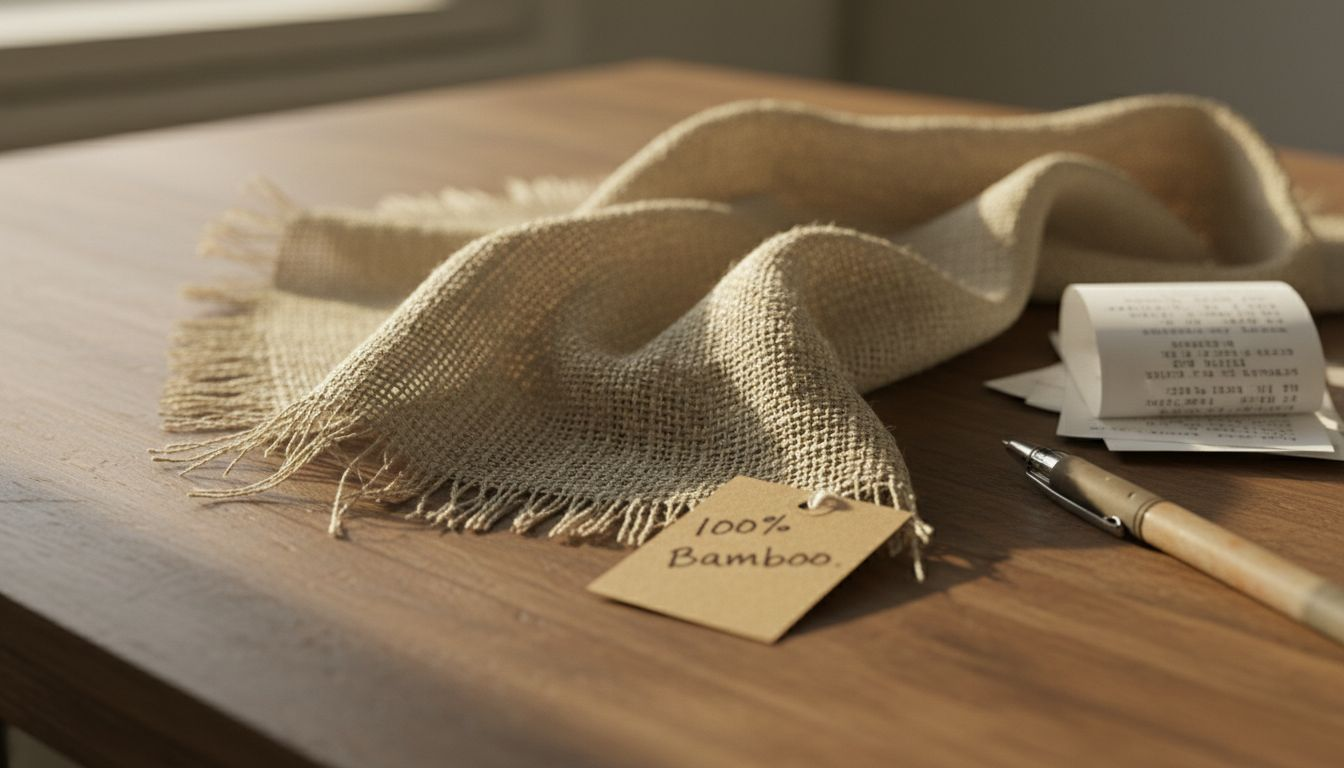
The fabric’s natural properties are particularly compelling. Bamboo textiles demonstrate superior moisture-wicking capabilities, with microscopic gaps in the fiber profile enabling excellent air circulation and humidity management. However, contrary to popular marketing claims, conventional viscose bamboo fabrics often lose their inherent antibacterial properties during chemical processing, which means consumers should be cautious about antibacterial claims.
Key features of bamboo fabric include:
Mechanically processed bamboo linen represents the most authentic version of the fabric, retaining more of its original natural characteristics. While chemically processed rayon dominates the market, discerning consumers increasingly seek mechanically processed options for superior performance and environmental sustainability.
Pro tip: Verify the processing method of bamboo textiles to ensure you’re getting the most authentic and high-performing fabric possible.
Bamboo represents a remarkable plant with extraordinary environmental potential, offering significant sustainability advantages over traditional textile crops. Its rapid growth rate, ability to regenerate naturally, and minimal pesticide requirements position bamboo as a potentially revolutionary crop for eco-conscious textile production.
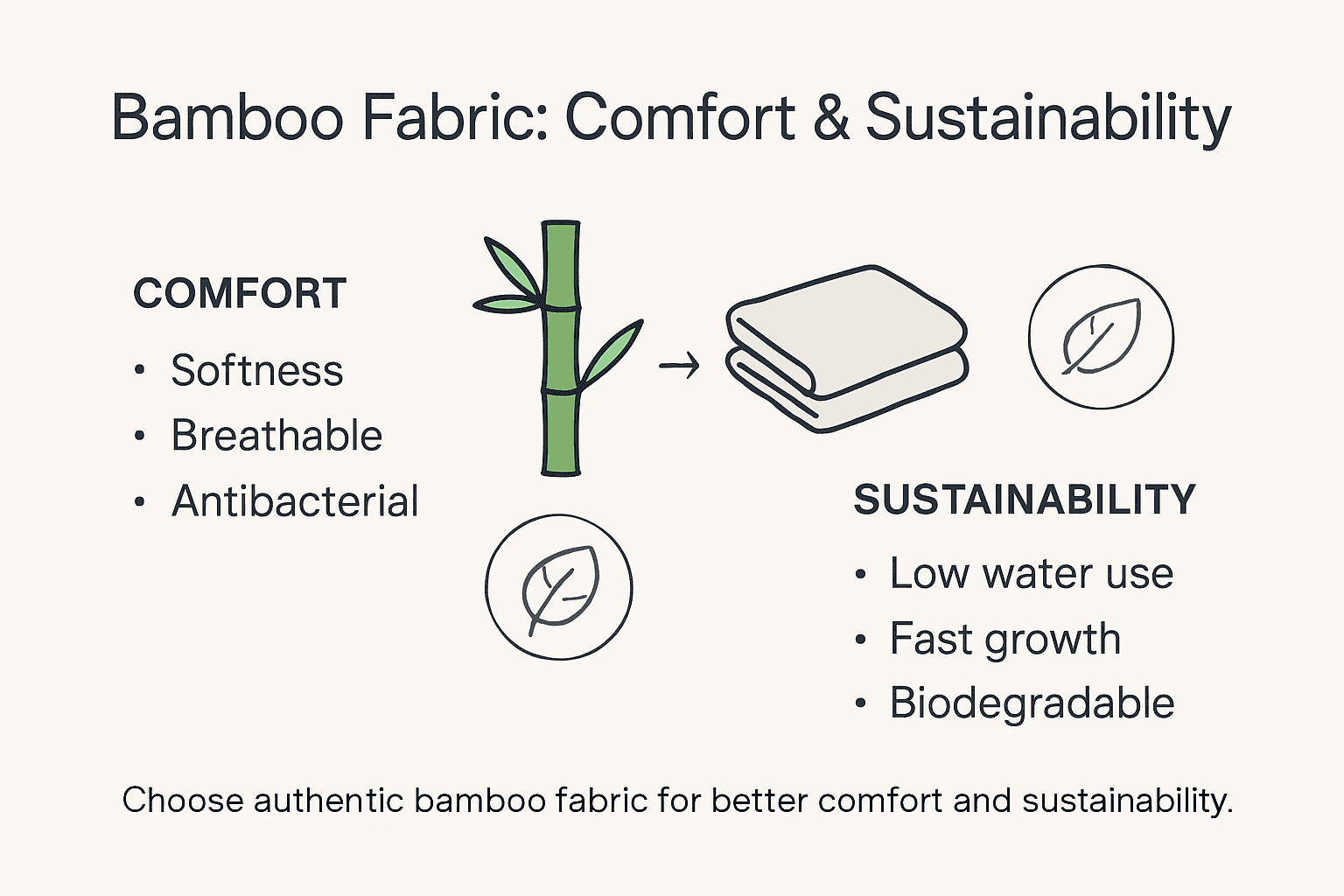
Bamboo’s carbon sequestration capabilities make it a compelling solution for climate mitigation strategies, with the plant absorbing substantially more carbon during growth compared to traditional timber sources. However, the fabric’s true environmental impact hinges critically on processing methods, with mechanical and lyocell processes representing the most sustainable approaches.
Key environmental attributes of bamboo fabric include:
While chemical viscose processing can undermine bamboo’s ecological advantages, mechanically processed bamboo linen demonstrates the material’s genuine sustainability potential. Consumers committed to environmental responsibility should prioritize textiles produced through mechanical or closed-loop lyocell manufacturing techniques.
Pro tip: Always investigate the specific processing method when purchasing bamboo textiles to ensure you’re supporting genuinely sustainable textile production.
Bamboo fabric presents a complex sustainability profile when compared to traditional textile materials, challenging simple assumptions about eco-friendly textiles. Unlike cotton, which requires extensive water and pesticide inputs, or polyester, a petroleum-based synthetic, bamboo offers unique environmental potential that depends critically on processing methodology.
Fabric sustainability involves nuanced considerations beyond simple material origin, with processing techniques playing a decisive role in environmental impact. Mechanically processed bamboo linen represents the gold standard of sustainability, offering superior ecological credentials compared to conventional viscose rayon or synthetic alternatives. The key differentiators include water usage, chemical processing intensity, biodegradability, and renewable resource potential.
Key comparative fabric characteristics:
Consumers seeking truly sustainable textiles must look beyond marketing claims and investigate specific processing methods. Mechanical bamboo linen and closed-loop lyocell bamboo represent the most environmentally responsible fabric choices, offering a genuine alternative to resource-intensive traditional materials.
Pro tip: Request detailed processing information when purchasing bamboo textiles to make genuinely informed environmental choices.
Bamboo fabric offers remarkably versatile applications across residential and professional environments, extending far beyond traditional textile uses. Its exceptional softness, breathability, and sustainable profile make it an increasingly popular material for clothing, home textiles, and specialized commercial products.
Advanced manufacturing techniques have expanded bamboo fiber’s utility into composite materials with impressive structural capabilities, enabling innovative applications in furniture, architectural elements, and industrial design. The material’s high strength-to-weight ratio and environmental credentials make it particularly attractive for forward-thinking designers and manufacturers.
Practical bamboo fabric applications include:
The adaptability of bamboo fabric extends across multiple sectors, from personal apparel to complex industrial composites. Its combination of performance characteristics and sustainability positions it as a transformative material for environmentally conscious design and manufacturing.
See how bamboo fabric applications differ by environment:
| Setting | Common Applications | Key Benefit |
|---|---|---|
| Home | Bedsheets, towels, pillow covers | Comfort and moisture control |
| Commercial | Office upholstery, uniforms | Durable, breathable, appealing look |
| Industrial | Automotive panels, construction | Lightweight and sustainable option |
Pro tip: Consider bamboo fabric for applications requiring both high performance and environmental responsibility.
The article highlights the challenge of finding truly sustainable and comfortable bamboo products amid common processing methods that can harm the environment. If you value the softness, breathability, and eco-friendly qualities of bamboo fabric but worry about misleading claims and environmental impact you are not alone. Many consumers seek practical ways to bring genuine bamboo benefits into everyday spaces without compromising style or functionality.
At Cozee Bay you can transform your home or commercial space with premium bamboo paper towel dispensers that combine sustainability with elegant design. Our handcrafted products use genuine bamboo wood known for its rapid renewal and low ecological footprint. They offer durable performance and a sleek look that complements kitchens, restaurants, offices, and more. Explore our selection to support environmental responsibility while enhancing comfort and usability.
Bring the natural benefits of bamboo into your daily routine today with Cozee Bay. Check out our curated collection of Bamboo Paper Towel Dispensers and see how sustainable style meets practical innovation. Learn more about our commitment to eco-friendly materials at Cozee Bay and discover additional solutions such as food bag organizers and drawer organizers designed for conscious consumers.
Elevate your space with authentic bamboo products designed for comfort and sustainability. Visit Bamboo Paper Towel Dispensers now and take the first step toward greener living.
Bamboo fabric is known for its exceptional softness, high breathability, UV protection, and moisture-wicking capabilities, making it a comfortable choice for clothing and home textiles.
Bamboo fabric requires significantly less water and pesticides than cotton, making it a more sustainable option. Additionally, bamboo has natural moisture-wicking and antibacterial properties, although these may be diminished in chemically processed varieties.
Bamboo linen is mechanically processed, preserving the natural fiber properties and resulting in a more sustainable textile. In contrast, bamboo rayon is chemically processed, often losing many of its eco-friendly characteristics and requiring more toxic chemicals for production.
While bamboo has natural antibacterial properties, conventional viscose bamboo fabrics often lose these benefits during the chemical processing. It’s essential to verify the processing method to ensure the antibacterial claims are valid.
Comments will be approved before showing up.